What carding and combing actually do
A cotton T-shirt begins with fibres that must be cleaned and arranged before they can be spun into yarn. Carding separates and roughly aligns those fibres, removing some loose material along the way. Carded cotton yarn is made from fibres prepared through this step without the additional combing step. It can make a comfortable, useful T-shirt; “carded” is not another word for poor quality.
Combing takes preparation further. After carding, the fibres pass through a process that removes more short fibres and small tangled bits, often called neps, while bringing the remaining fibres into a more consistent arrangement. The result can be a smoother, more even yarn. Because combing removes material and adds a processing step, combed cotton garments may cost more, though price also depends on construction, finishing and other choices.
How the difference can feel and look
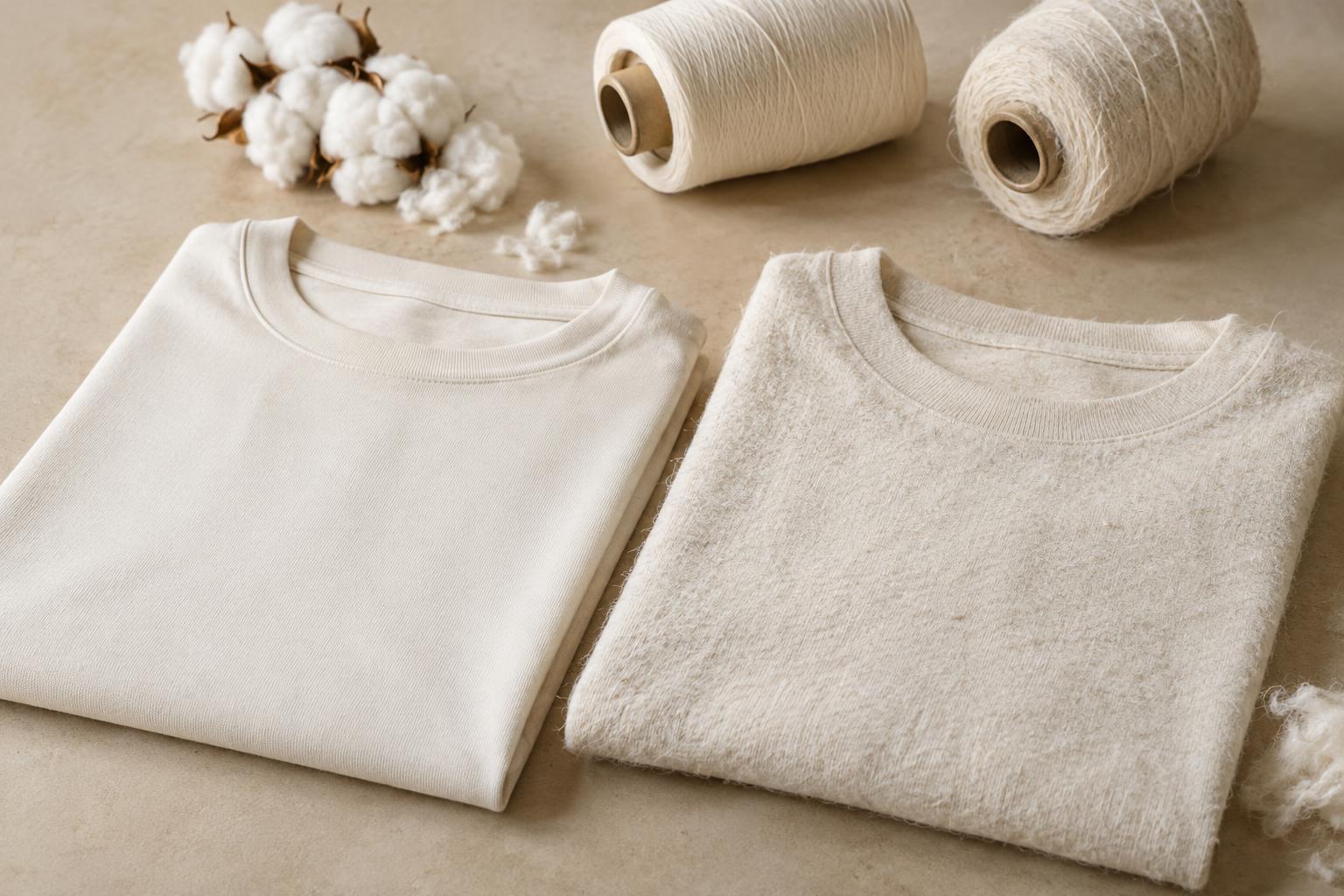
In an otherwise similar T-shirt, combed cotton may feel smoother against the skin and have a more uniform surface. Carded cotton may show a little more texture or fibre fuzz. Some people prefer that relaxed, substantial feel, especially in a casual tee. Neither description tells you whether a shirt will feel light, thick, soft or stiff on its own.
Fibre length, yarn twist, knitting, fabric weight and finishing all influence the finished garment. A combed cotton tee can feel firm if its yarn and fabric are built that way, while a well-made carded cotton tee can feel soft. Treatments applied after knitting can also change the first impression. If you can handle a sample, stretch it gently, look at the surface in good light and consider how it feels on both the inside and outside.
What it means for a printed design
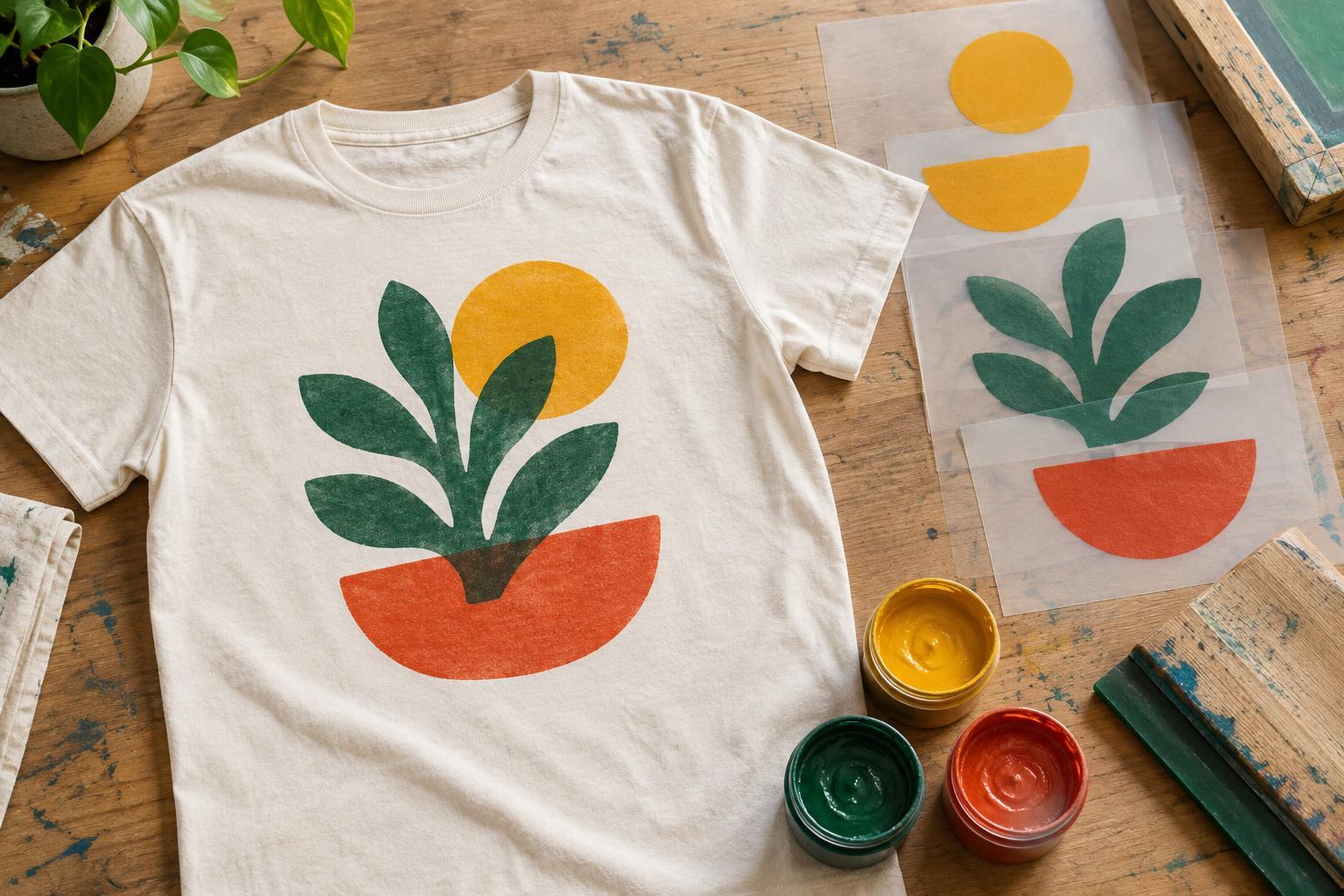
A more even fabric surface can be helpful when you want fine lettering, thin lines or smooth-looking areas of ink. That makes combed cotton worth considering for a crisp graphic. But the label does not guarantee a particular print result: artwork, ink or transfer type, application settings and fabric finishing matter too. A slightly textured shirt may also suit a bold or deliberately worn-looking design.
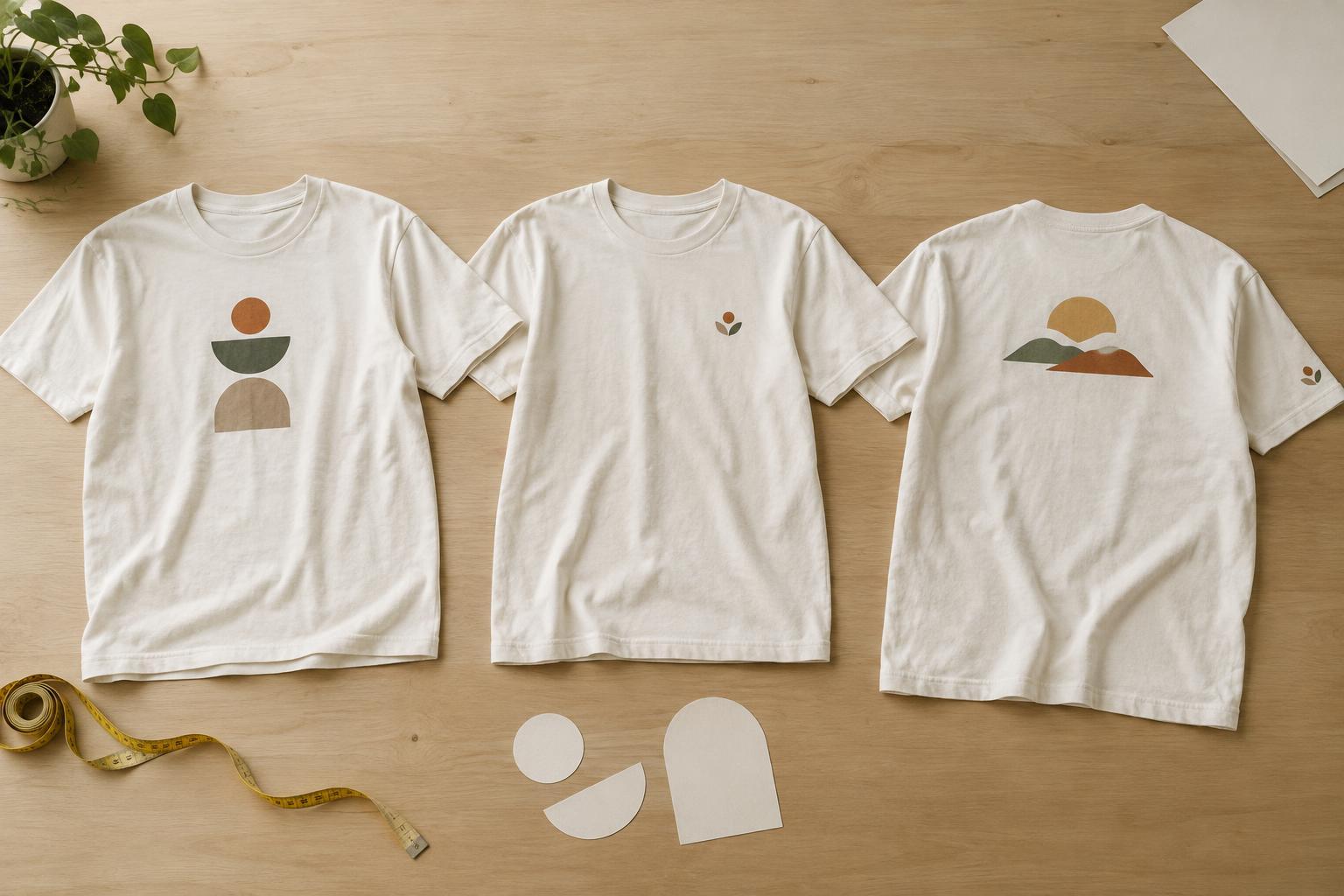
For a project that uses multiple shirts, consistency between garments may matter as much as the feel of one sample. Check the specific blank you plan to use rather than assuming every combed or carded option behaves alike. If practical, test the intended decoration on that fabric and inspect it after washing according to the garment’s care instructions. This is especially useful for small text or large solid areas where surface differences may be easier to notice.
Durability, pilling and care
Removing shorter fibres can help produce a more even yarn, but it does not make every combed cotton T-shirt more durable than every carded one. Pilling, fuzz, seam wear and shape retention depend on the yarn, knit, construction, finishing and how the shirt is worn and washed. A fabric that feels exceptionally smooth when new may also change with use. Comparing real garments is more informative than treating one yarn-preparation term as a durability rating.
Care matters whichever you choose. Follow the garment’s label, avoid unnecessary heat if you want to limit shrinkage and print wear, and turn a decorated shirt inside out before washing when appropriate. Cotton can change size or texture in laundering; whether a shirt has been pre-shrunk or otherwise finished may affect that change. Check fit after a wash if you are choosing blanks for a group or planning a design that needs precise placement.
Choosing the right cotton T-shirt
Start with the role of the shirt. For a smooth hand feel or a design with delicate detail, a combed cotton option is a sensible candidate. For a casual tee where a little surface character is welcome, a carded cotton option may work just as well. Compare shirts at a similar fabric weight and fit when possible so that differences in cut or thickness do not distract from the material itself.
Finally, read product descriptions carefully. “Combed” describes fibre preparation; terms such as “ring-spun” describe a different part of yarn production, and a shirt can be both. Neither term replaces a check of the finished fabric. The best choice is the one whose texture, fit and decorated appearance suit your design—not simply the one with the longest list of cotton-related labels.