
Fabrics and FitA good kitchen T-shirt should feel comfortable when you reach, bend and work at a counter. Learn how fabric, fit, sleeves and easy-care details can make a shirt more practical under an apron.
Read article · 4 min↗

Fabrics and FitA T-shirt can look right in the mirror and still feel awkward in motion. Use a simple sitting, reaching and arm-raising test to check the hem, shoulders, sleeves and fabric before deciding whether the fit works for you.
Read article · 4 min↗
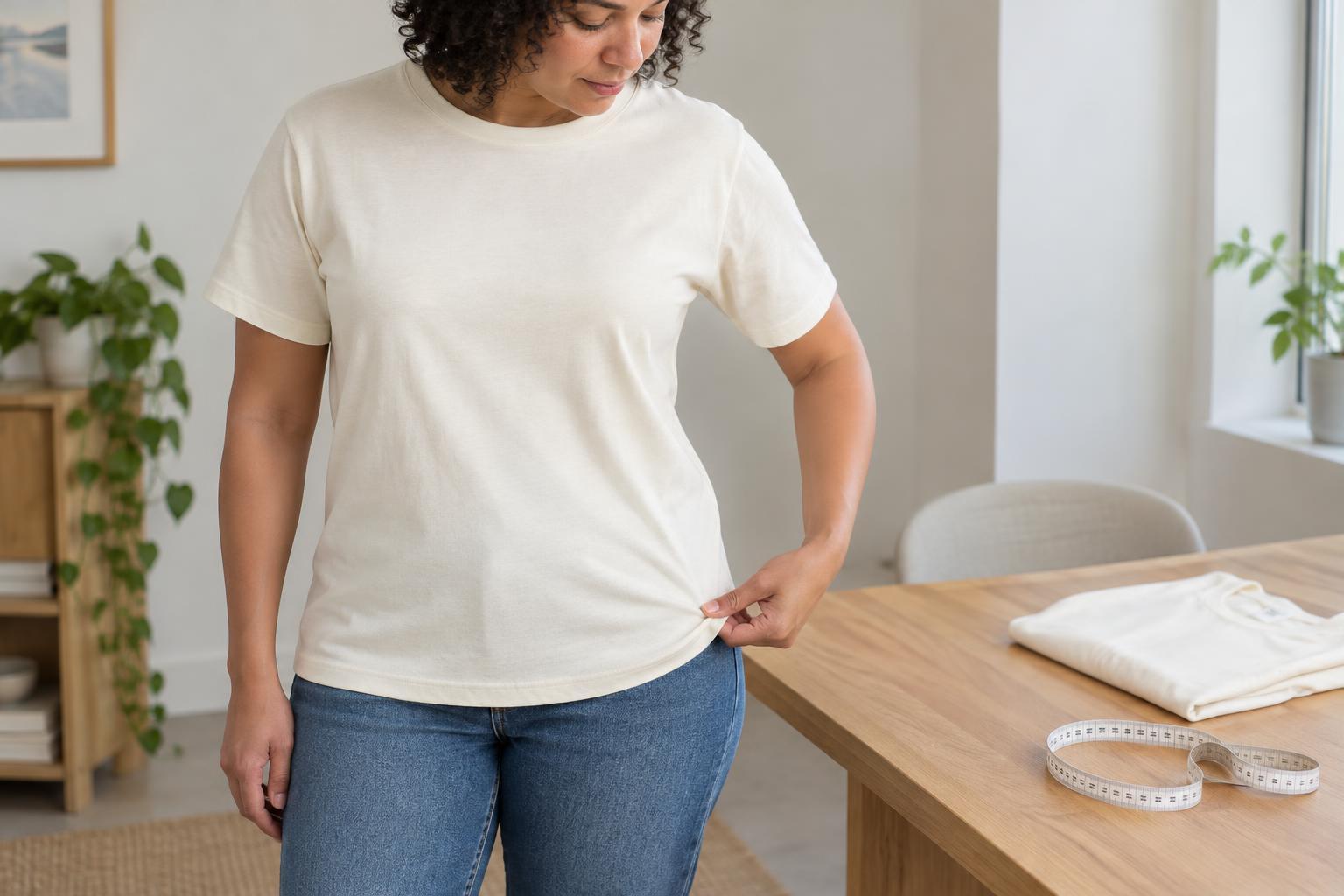
Fabrics and FitA size chart may point to one size for your chest and another for your waist or hips. Learn how to compare measurements, account for fabric and cut, and choose a T-shirt size that suits the fit you want.
Read article · 4 min↗
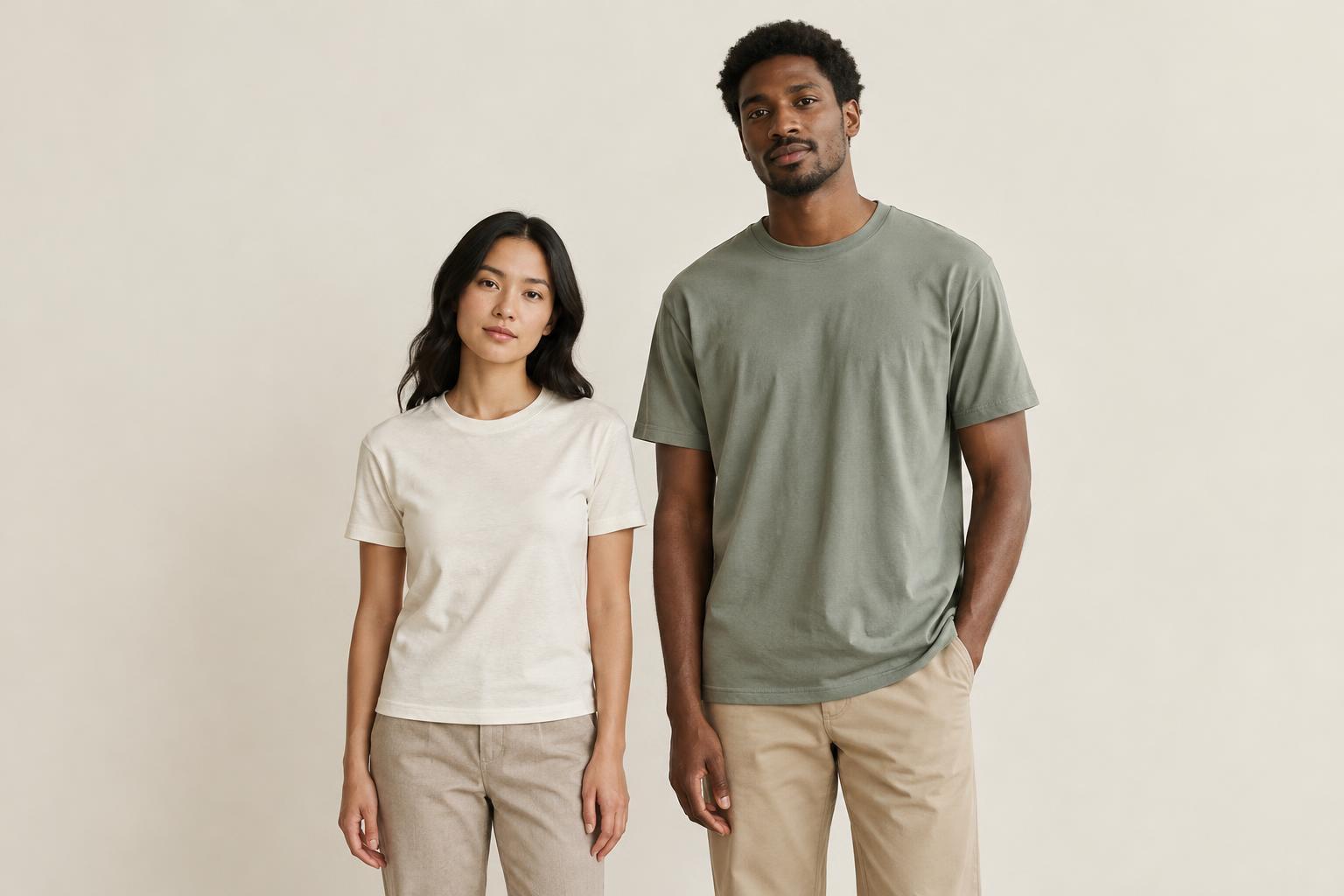
Fabrics and FitA T-shirt can be the right size around the chest and still feel too short, too long or awkward at the shoulders. Learn how torso length, sleeve placement and garment proportions affect fit, and what to check before choosing or altering a tee.
Read article · 4 min↗
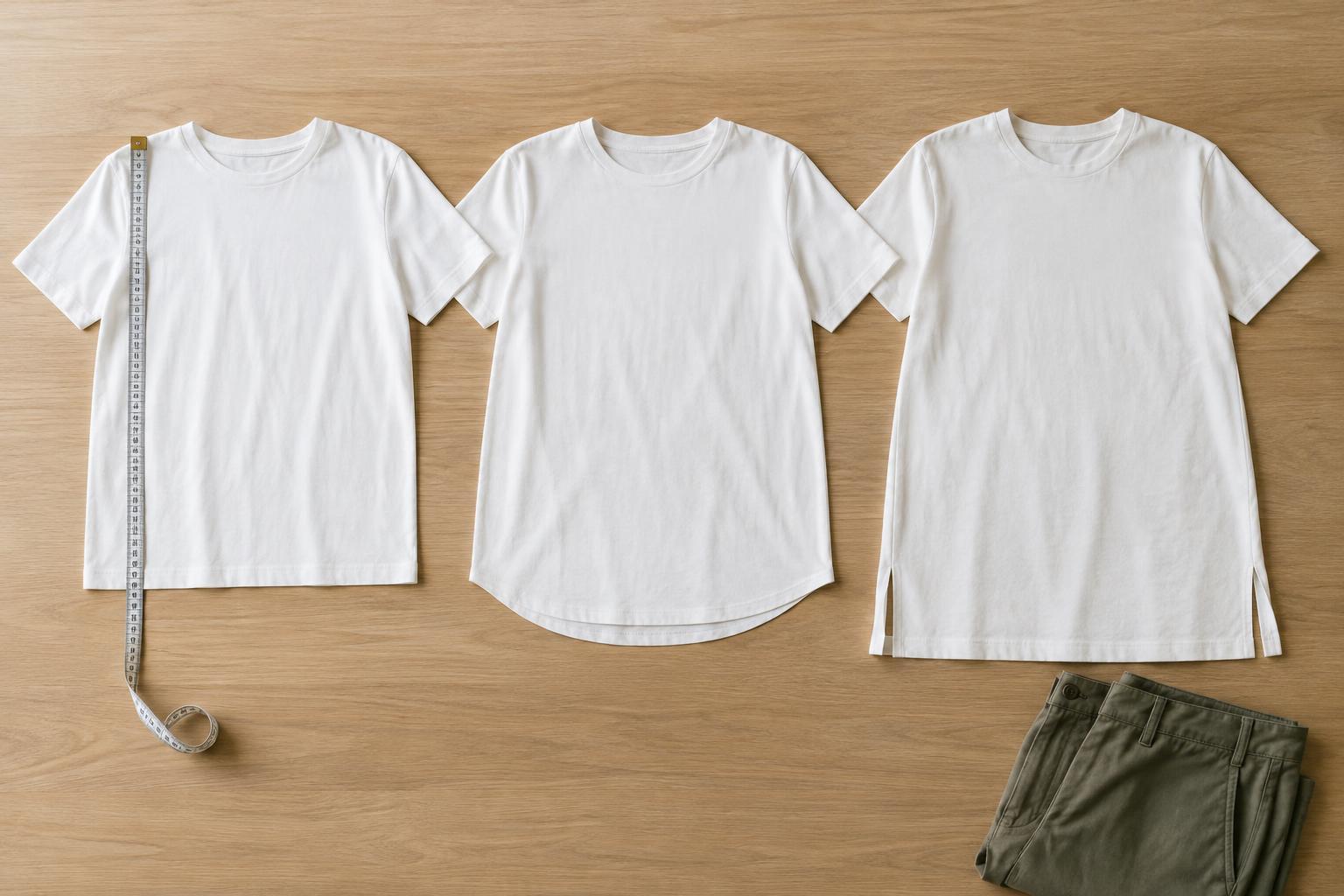
Fabrics and FitA T-shirt’s length and hem shape affect how it sits, layers and frames a design. Learn how to compare measurements, assess fit and choose between straight, curved and split hems.
Read article · 4 min↗
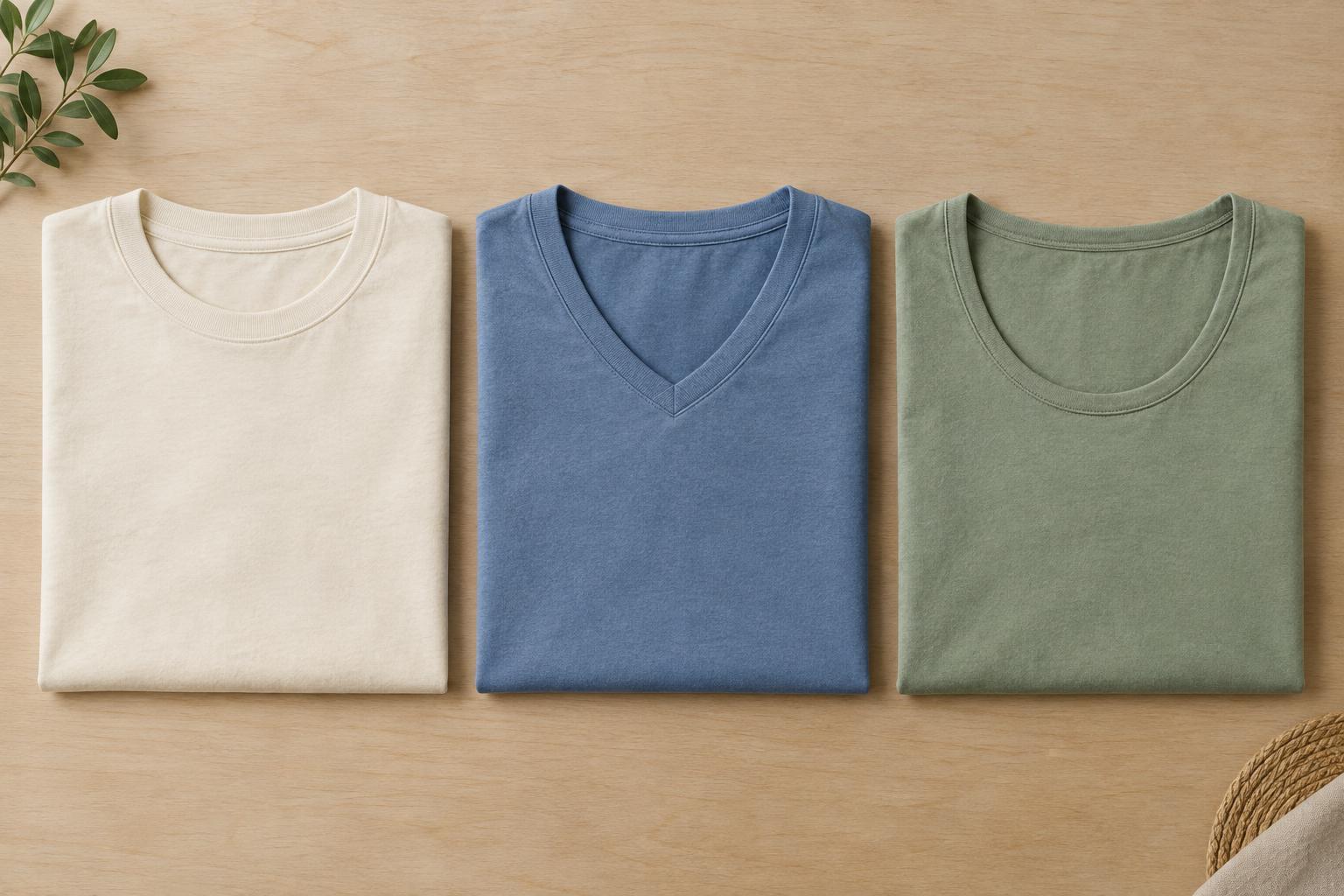
Fabrics and FitA T-shirt neckline changes how a garment feels, frames the face and accommodates a printed design. Compare crew, V and scoop necks by shape, fit and styling, then use a few simple checks to choose one that suits your plans.
Read article · 4 min↗
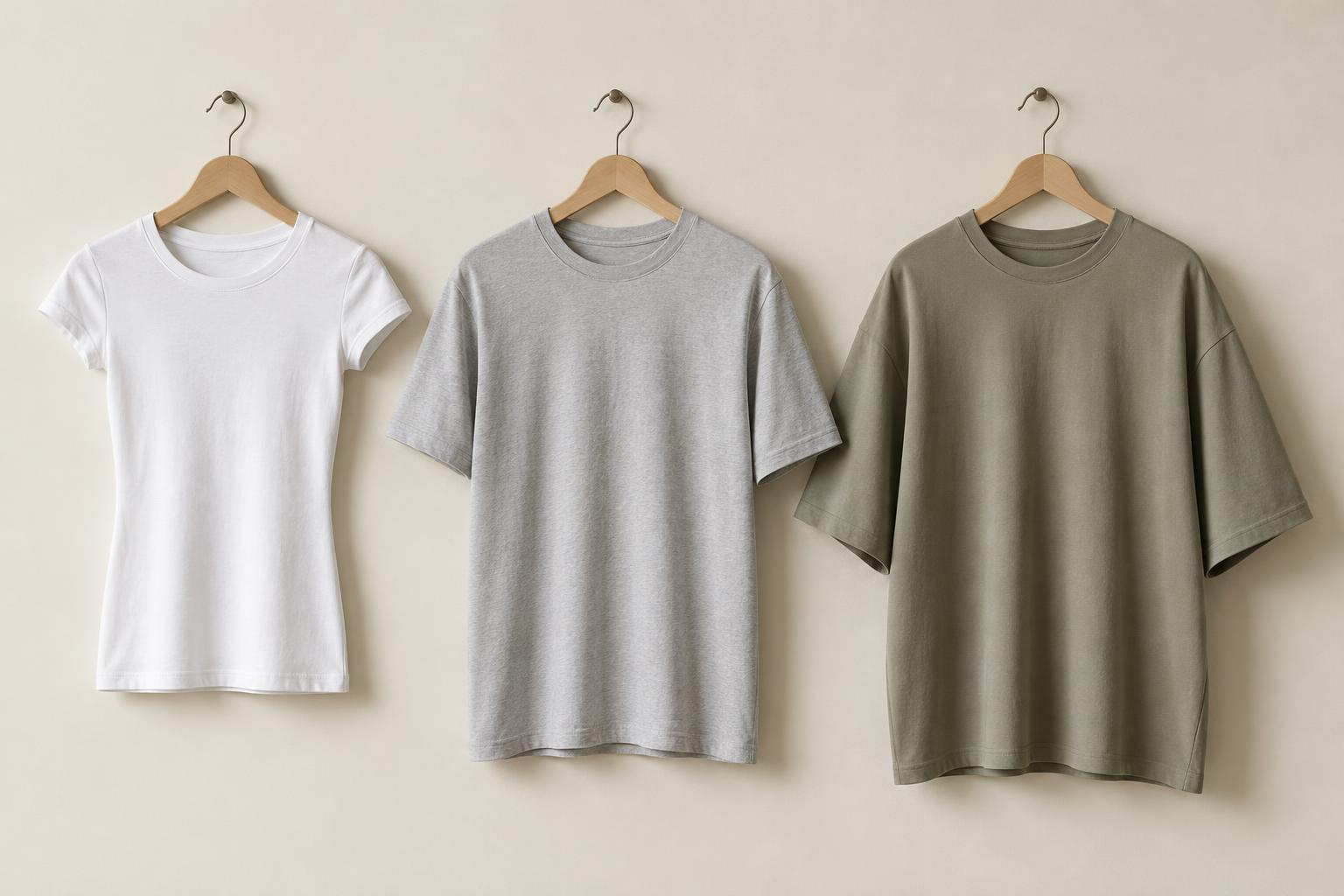
Fabrics and FitSleeves can make a T-shirt feel neat, relaxed or roomy, even when the body fit stays the same. Learn how sleeve length, opening width, armhole shape and fabric affect the look, and how to check measurements before choosing a blank tee.
Read article · 4 min↗
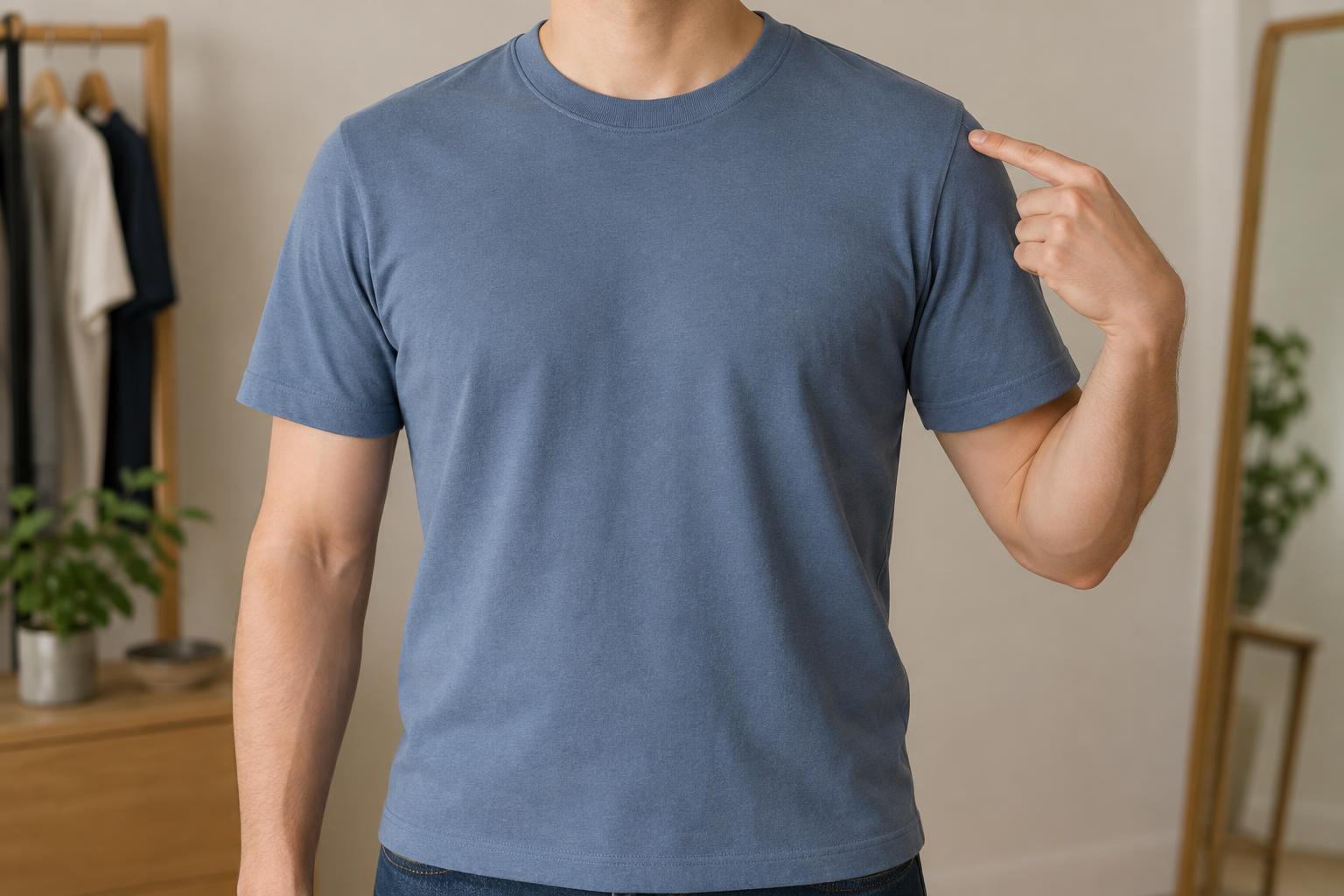
Fabrics and FitThe shoulder seam is a useful starting point for judging T-shirt fit, but it is not the whole story. Learn how to check seam placement, fabric tension and freedom of movement, and how to account for relaxed cuts and different sleeve styles.
Read article · 4 min↗
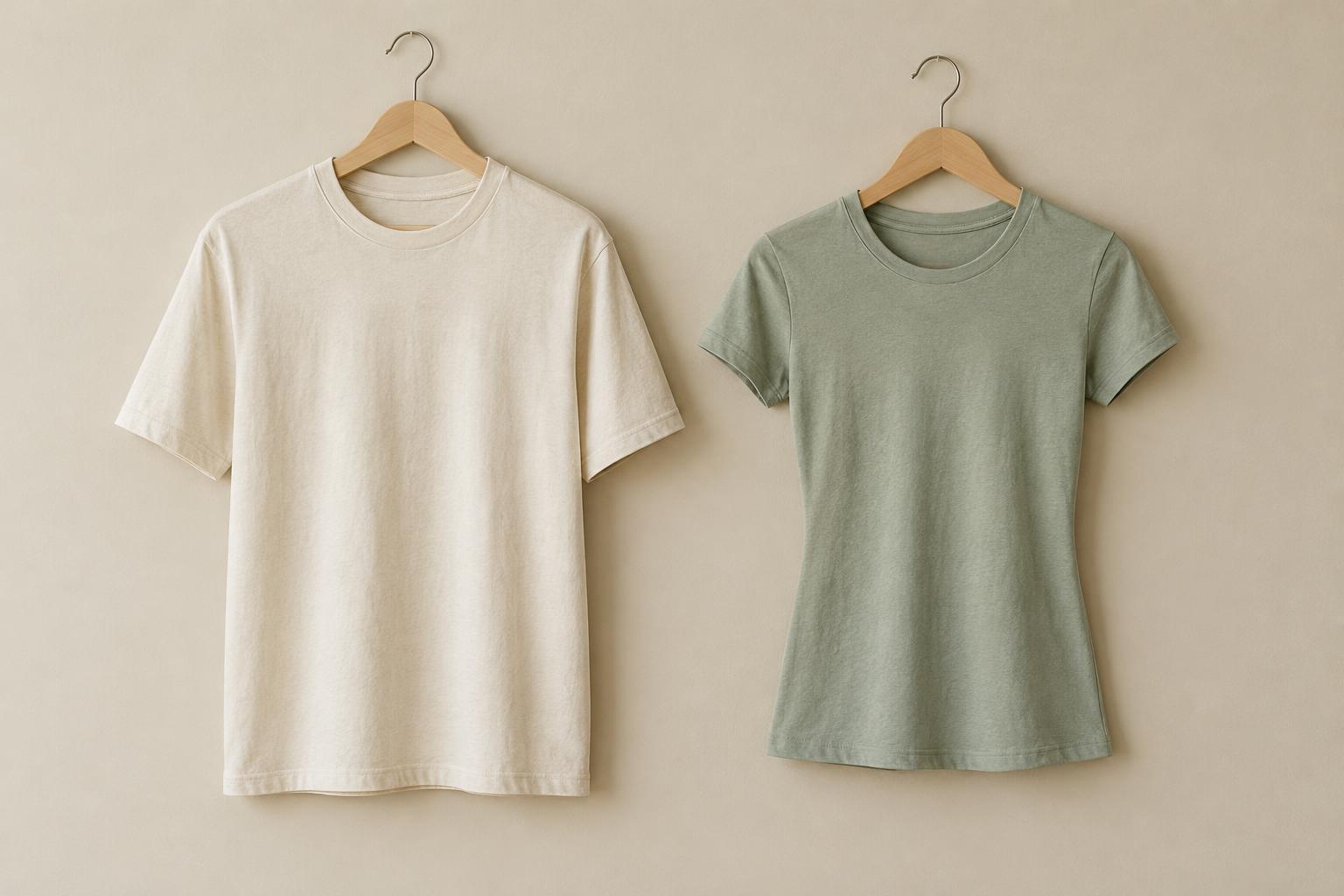
Fabrics and FitA unisex T-shirt and a women’s-cut T-shirt can carry the same design but fit quite differently. Learn how their shoulders, torso, sleeves and necklines often compare, and how to choose a blank that suits both the wearer and the artwork.
Read article · 4 min↗
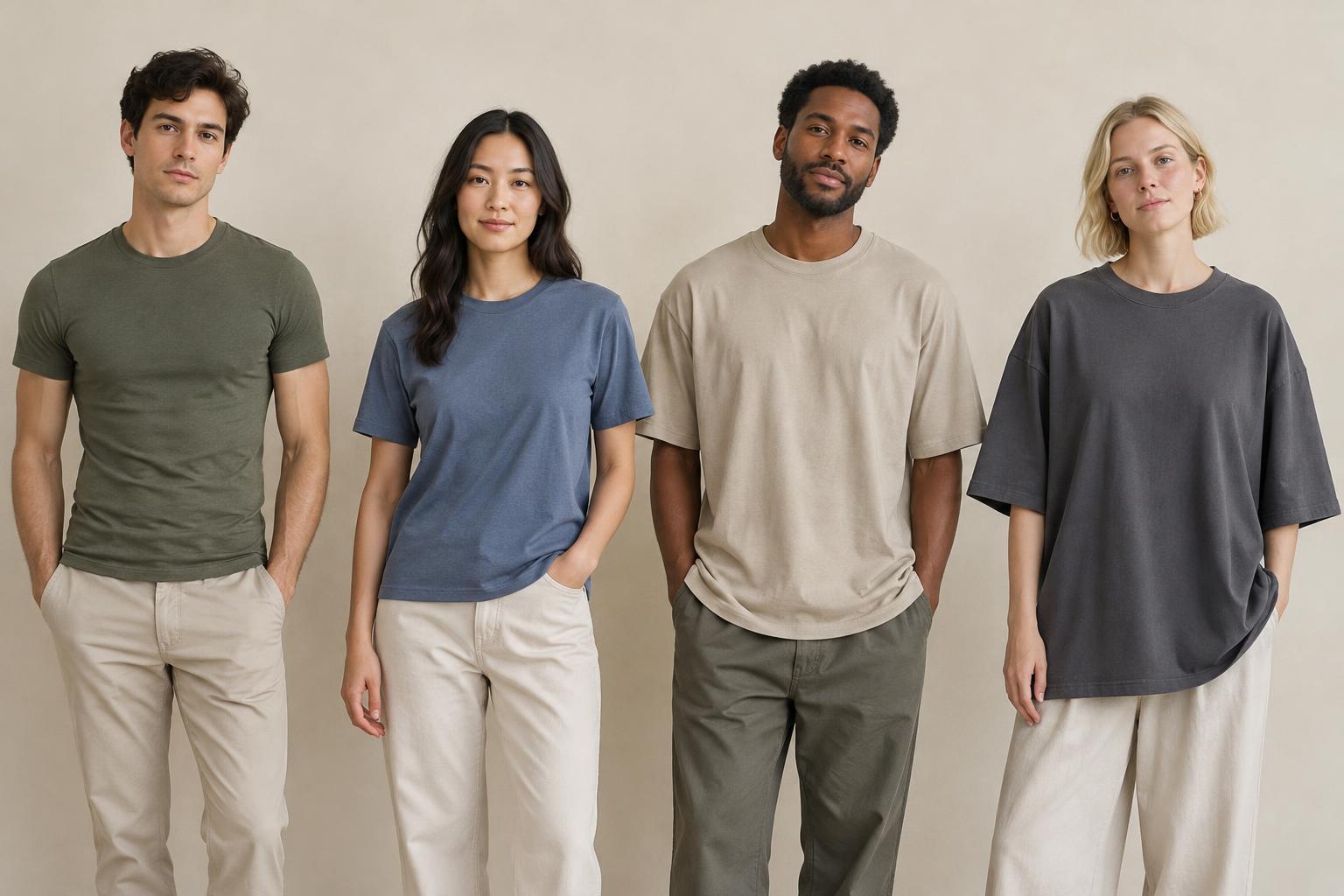
Fabrics and FitA T-shirt’s fit affects how it looks, feels and works with a design. Compare four common silhouettes and learn how to choose one using garment measurements, fabric and styling preferences.
Read article · 4 min↗
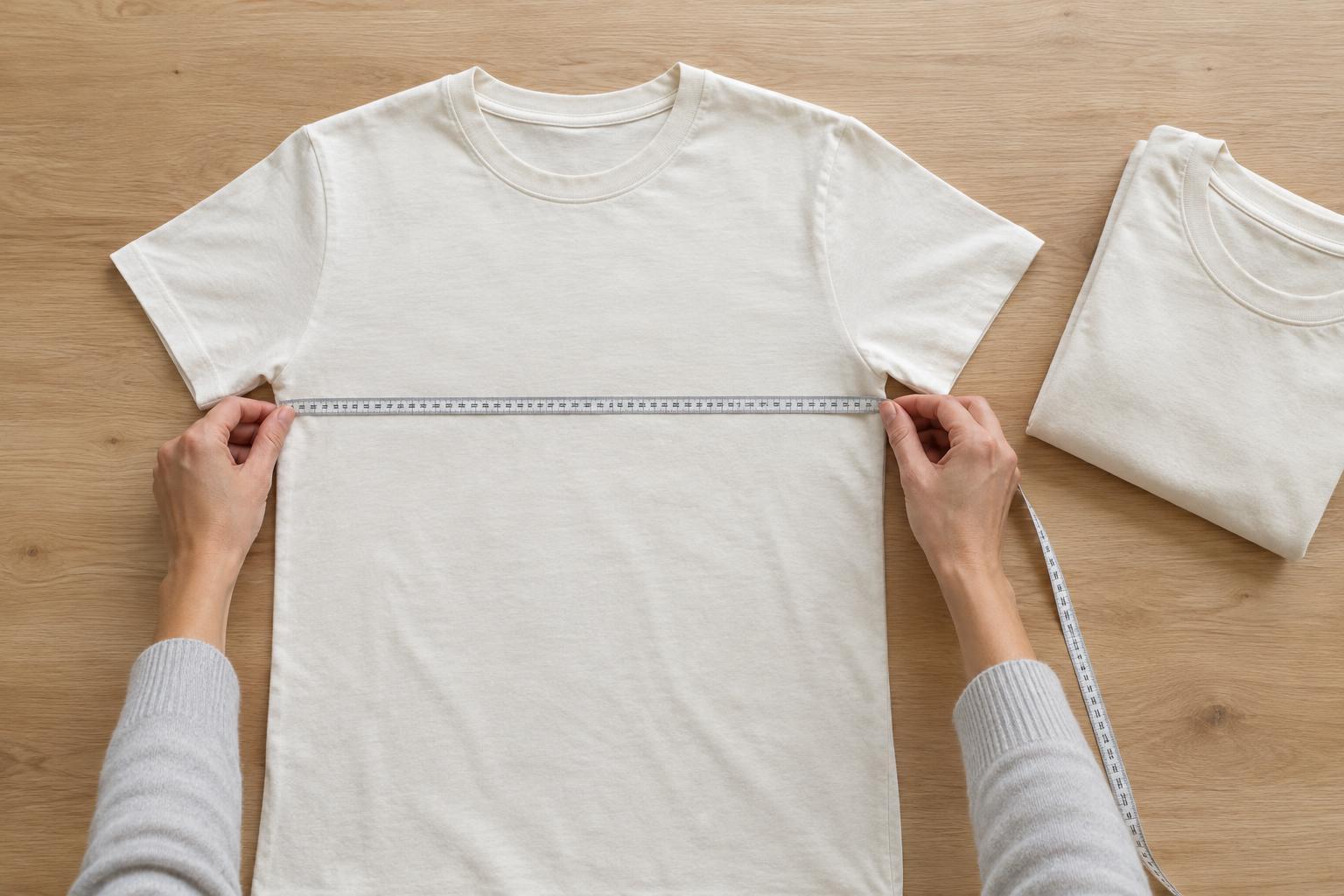
Fabrics and FitA T-shirt size label is only a starting point. Learn how to take useful body and garment measurements, read a size chart, and choose a fit that feels right for you.
Read article · 4 min↗
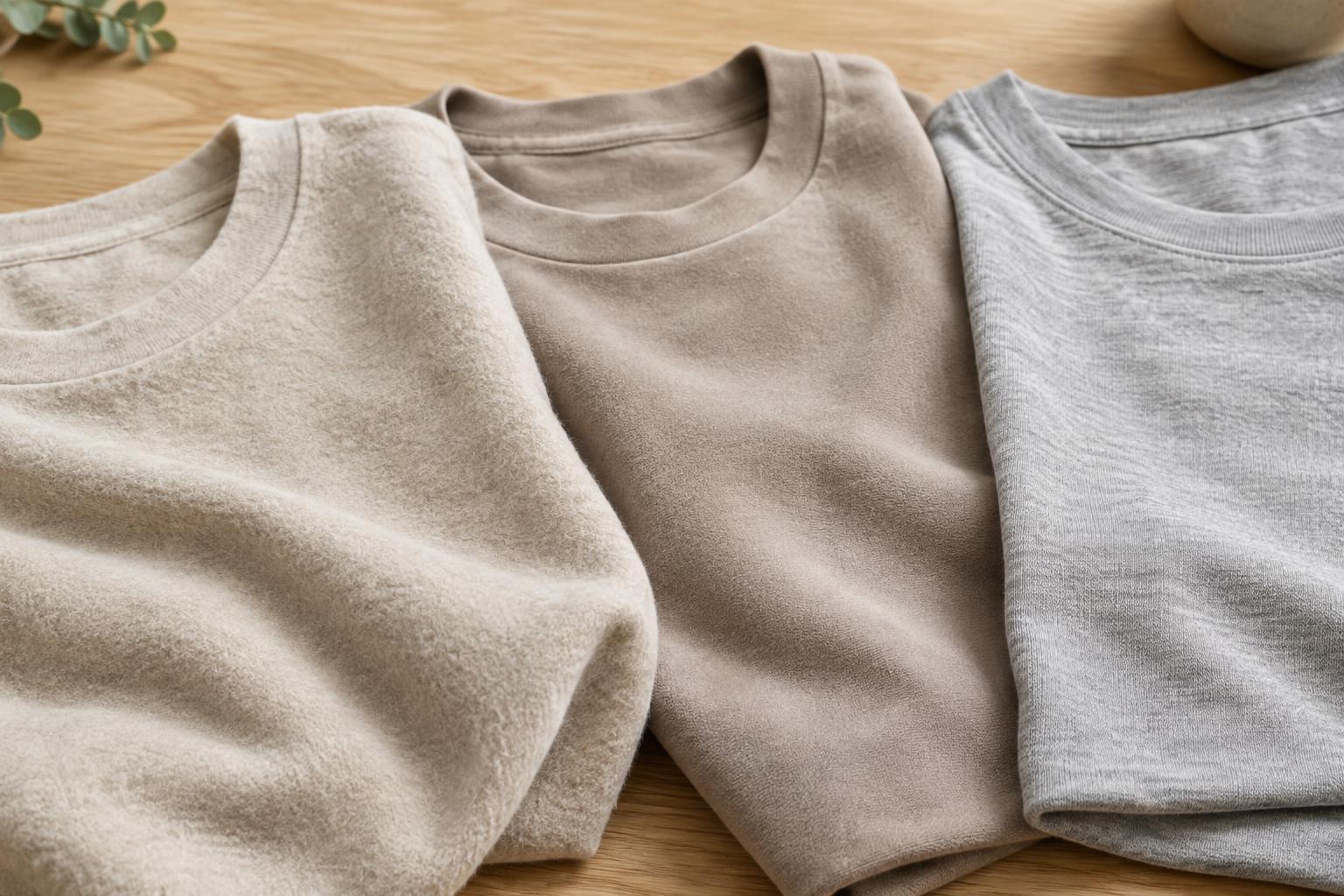
Fabrics and FitA T-shirt’s surface finish can change how soft, smooth or textured it feels. Learn how brushed, peached and untreated fabrics compare, and what each finish may mean for fit, printed designs and everyday care.
Read article · 4 min↗
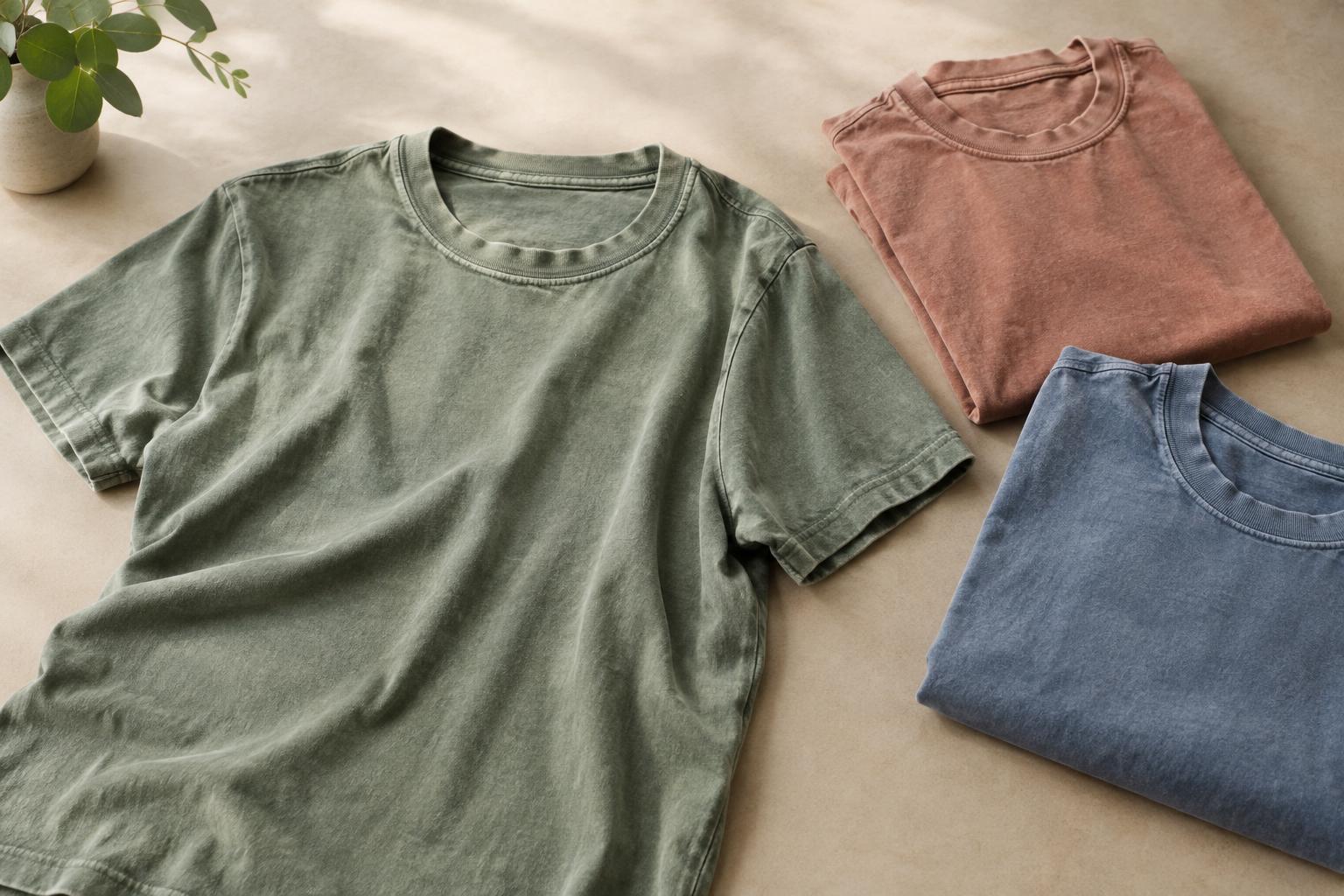
Fabrics and FitGarment dyeing colors a T-shirt after it has been assembled, giving it a different look and feel from a shirt made with pre-dyed fabric. Learn what to expect from its color variation, texture, fit and care, especially if you plan to add a design.
Read article · 4 min↗
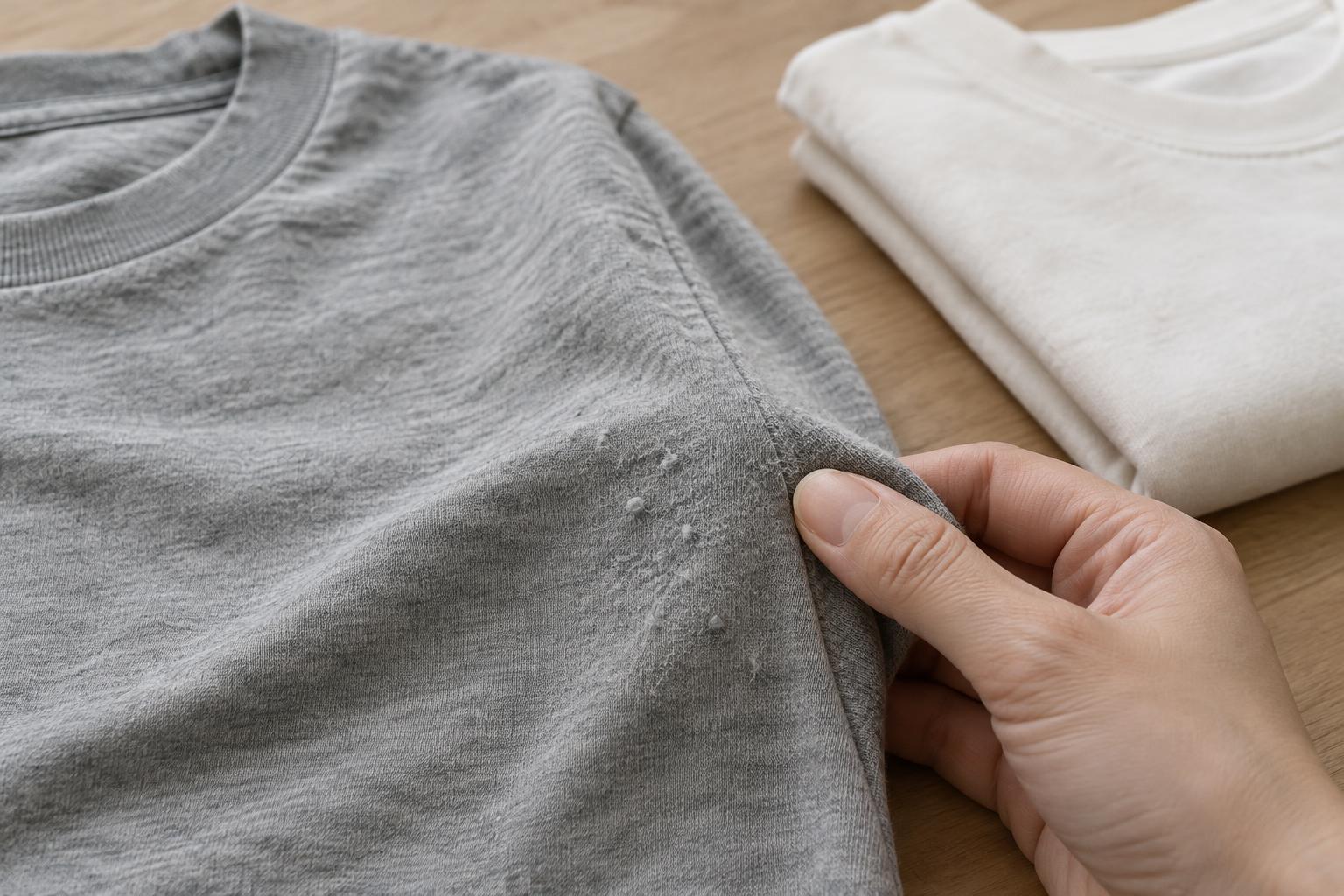
Fabrics and FitThose little balls of fuzz on a T-shirt come from loose fibers and repeated rubbing. Learn why some tees pill more than others, what fabric labels can and cannot tell you, and how to choose and care for a shirt that stays looking good.
Read article · 4 min↗
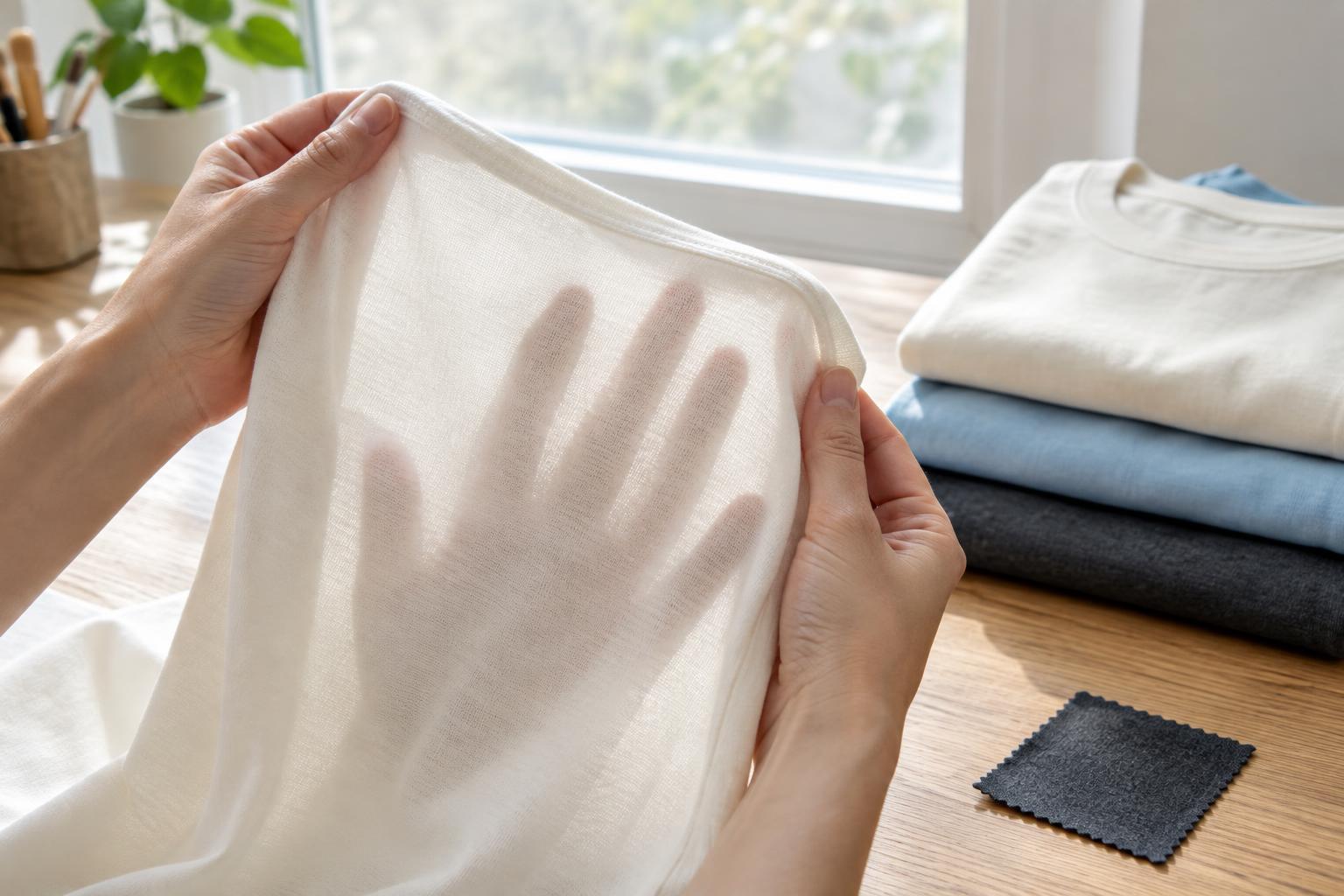
Fabrics and FitA T-shirt color can look perfect on a swatch yet feel too sheer when worn. Learn how to check fabric opacity in different light, over skin and under gentle stretch before settling on a color.
Read article · 4 min↗
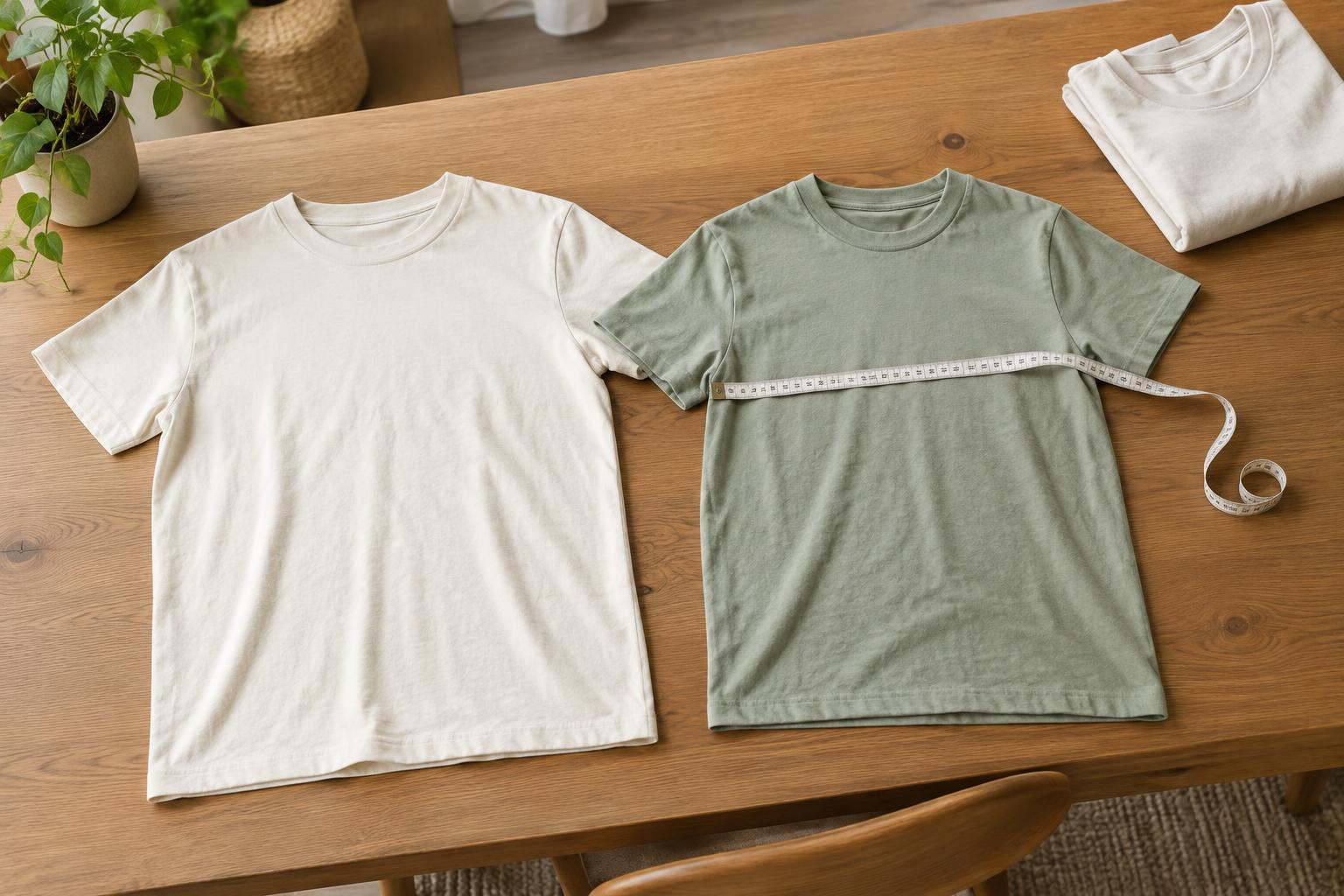
Fabrics and FitA T-shirt that fits well off the rack may feel different after laundering. Learn how fabric, fit, garment measurements and care habits can help you choose a size with possible shrinkage in mind.
Read article · 4 min↗
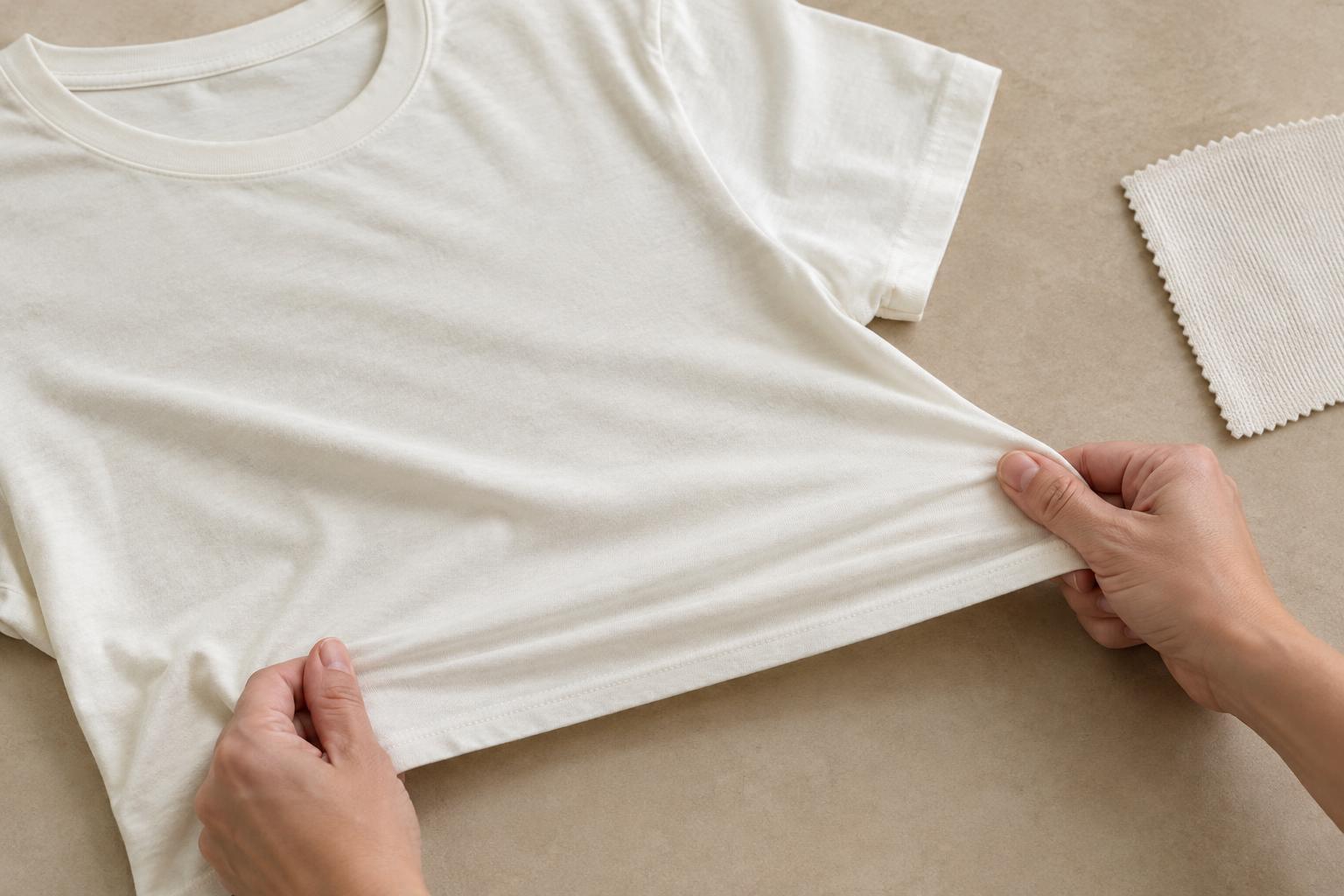
Fabrics and FitElastane can help a T-shirt stretch and return toward its shape, but it is only one part of how a garment feels and fits. Learn when it is useful, how it compares with a knit’s natural give, and what to check before choosing a fabric for a custom design.
Read article · 4 min↗
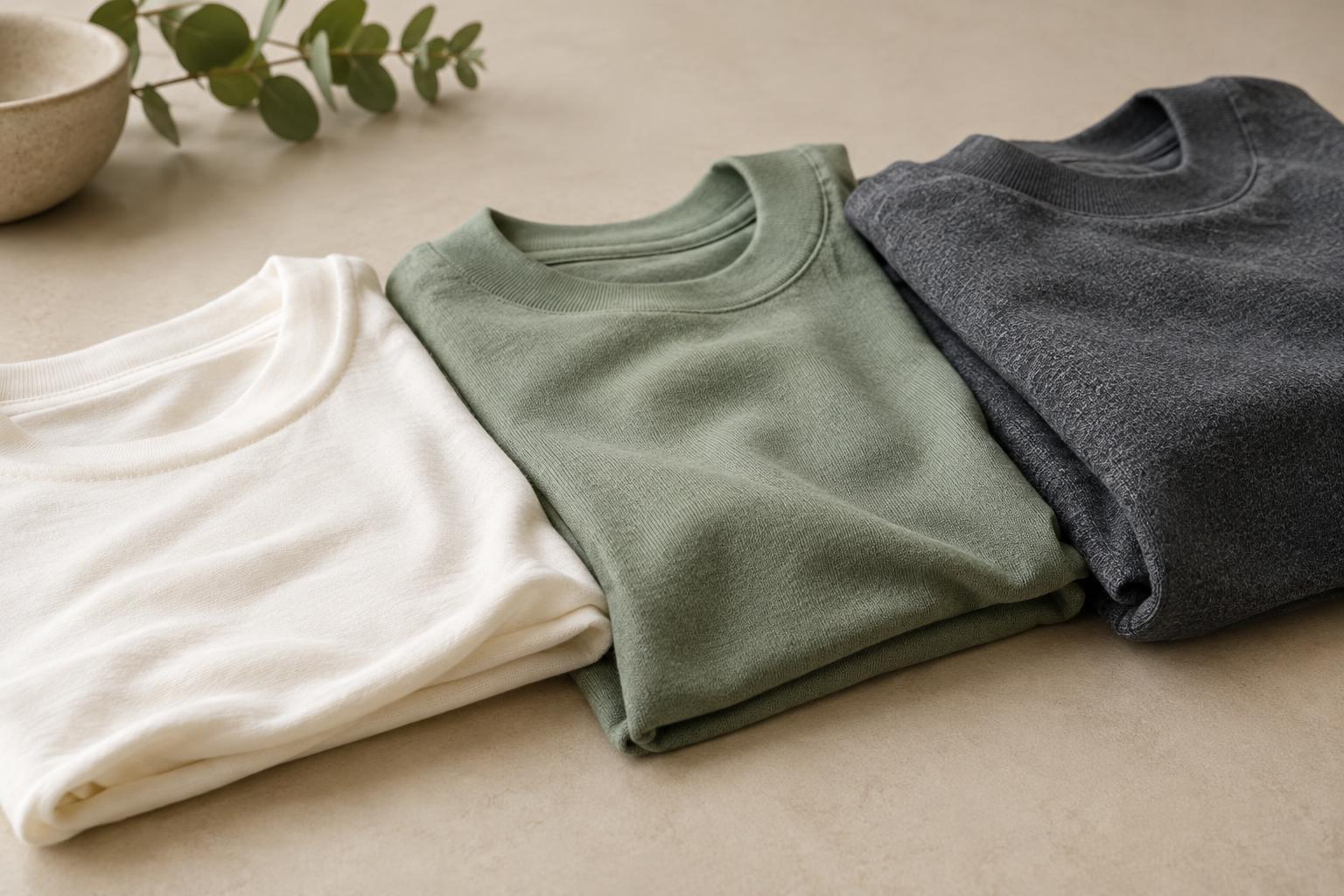
Fabrics and FitGSM is a useful starting point when choosing a T-shirt, but it cannot tell you everything about comfort, opacity or durability. Learn what fabric weight measures, how common weight ranges tend to feel, and what else to check before choosing a blank for everyday wear or a custom design.
Read article · 4 min↗
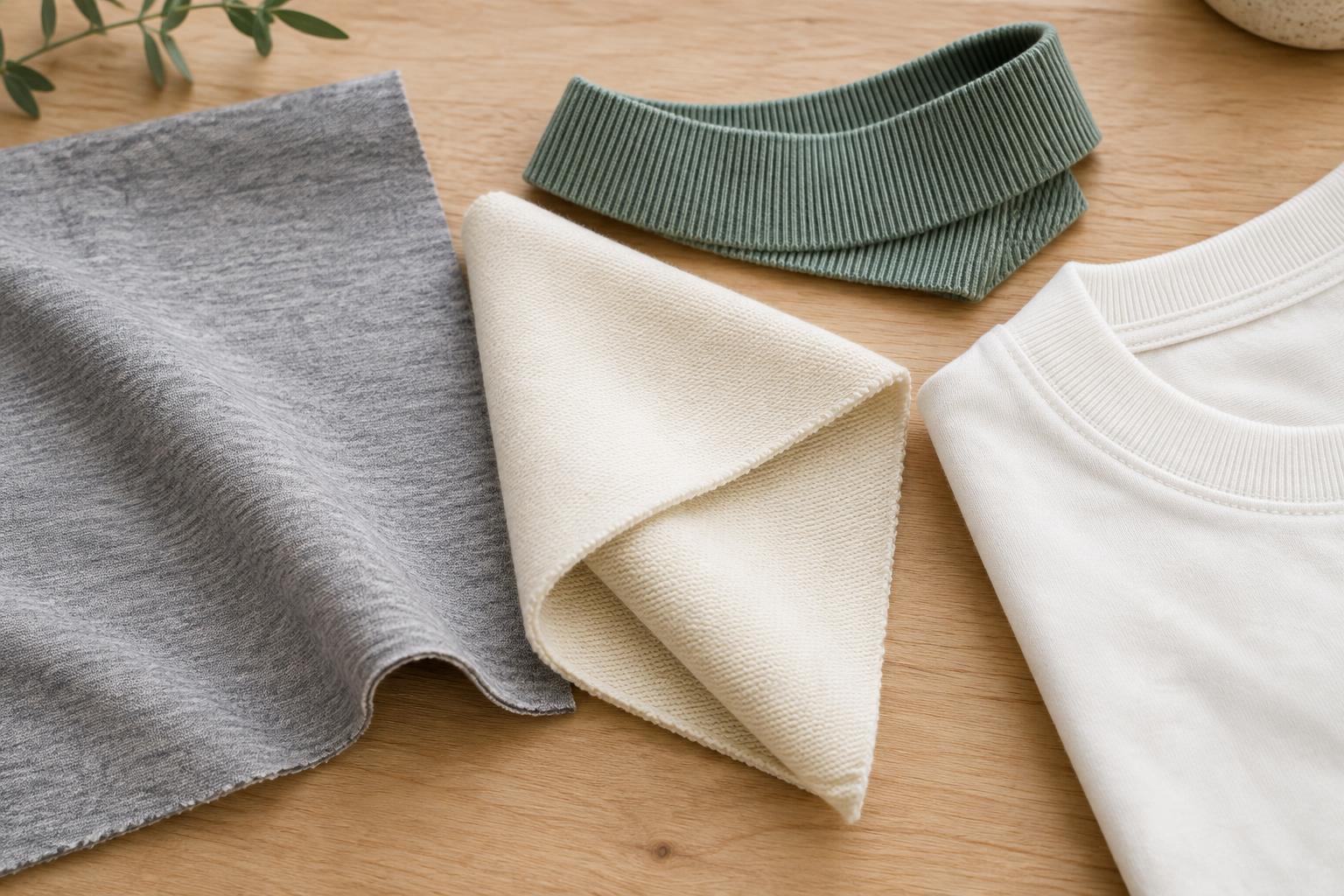
Fabrics and FitA T-shirt’s knit structure affects how it feels, stretches and holds its shape. Learn how jersey, interlock and rib differ, where each is commonly used, and what to check when choosing a blank tee for decoration.
Read article · 4 min↗
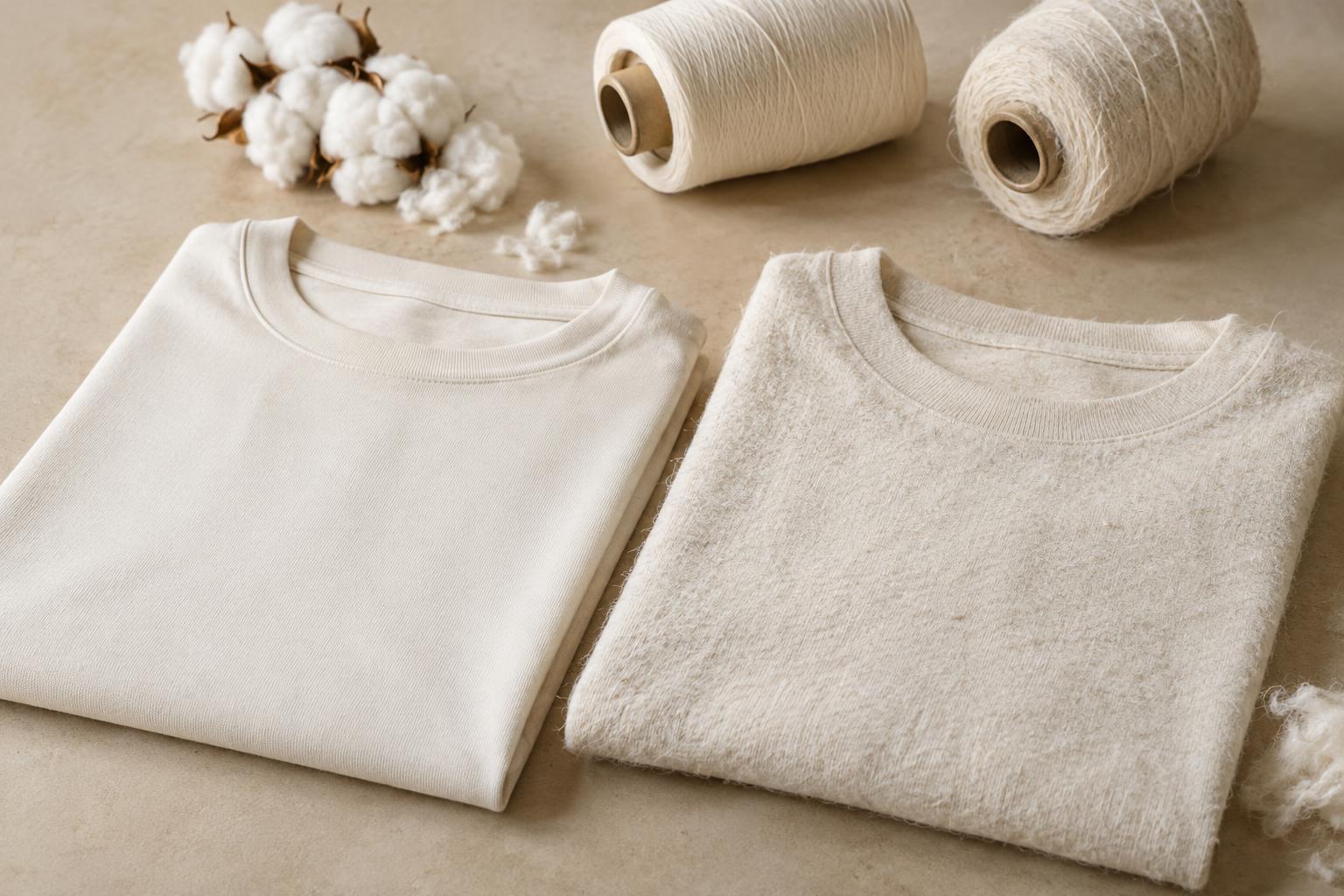
Fabrics and FitCombed and carded cotton describe how fibres are prepared before they become yarn. Learn what those steps can mean for softness, surface texture, printing and durability—and why the label alone cannot tell you how a T-shirt will feel.
Read article · 4 min↗
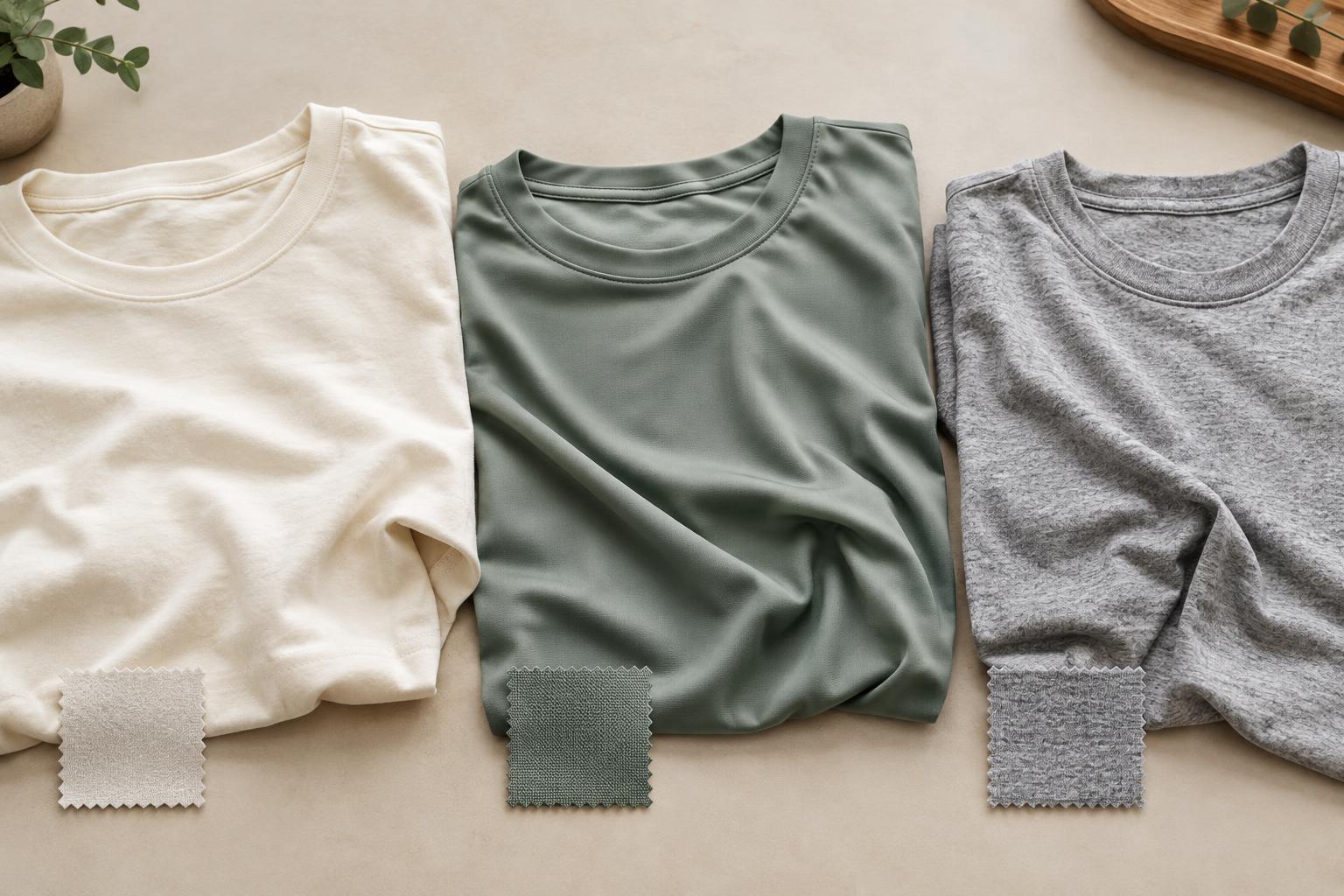
Fabrics and FitCotton, polyester and cotton-blend T-shirts can look similar on a hanger but feel and behave differently in use. Learn how each fabric handles comfort, moisture, fit, printing and care so you can choose a blank that suits your design.
Read article · 4 min↗