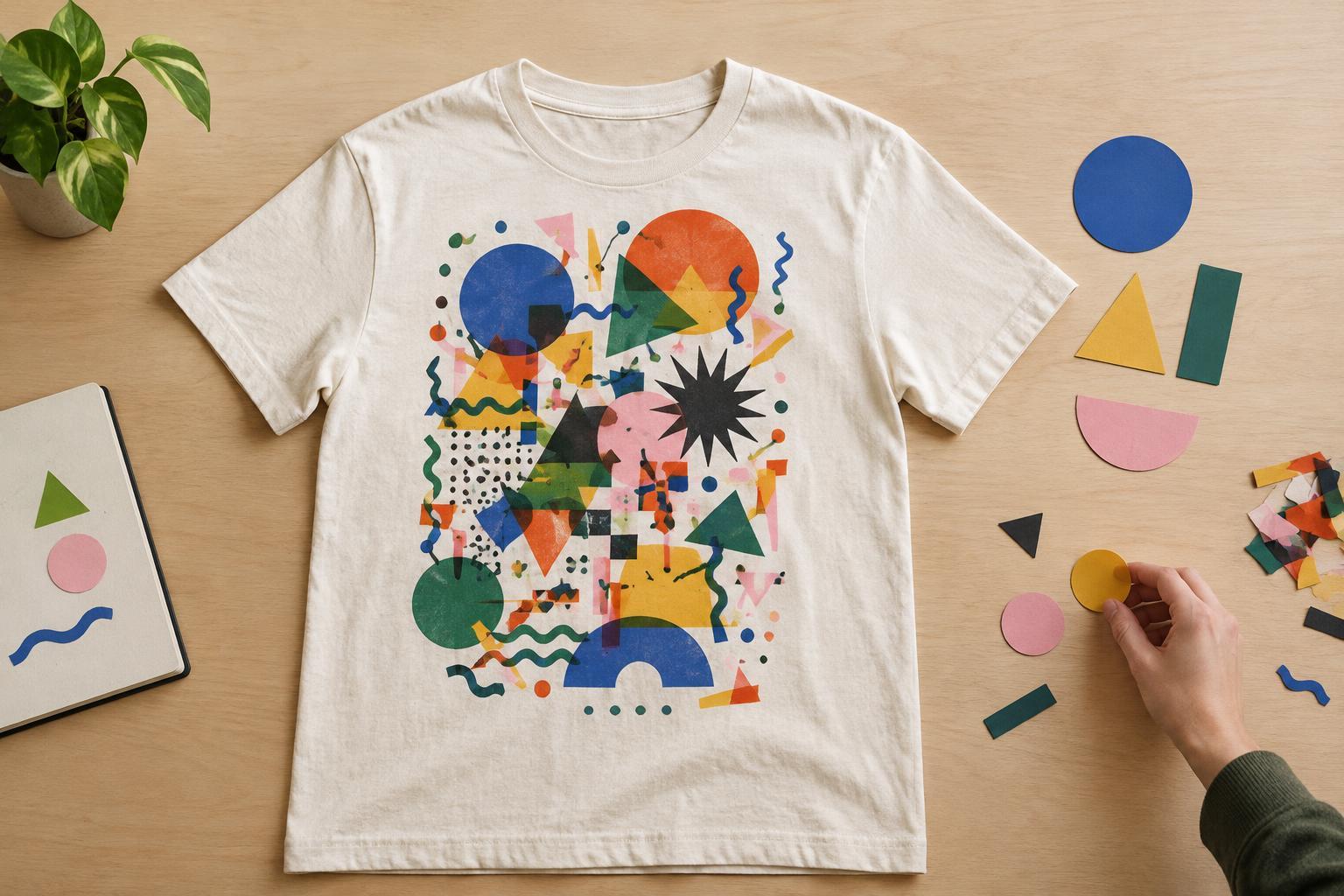
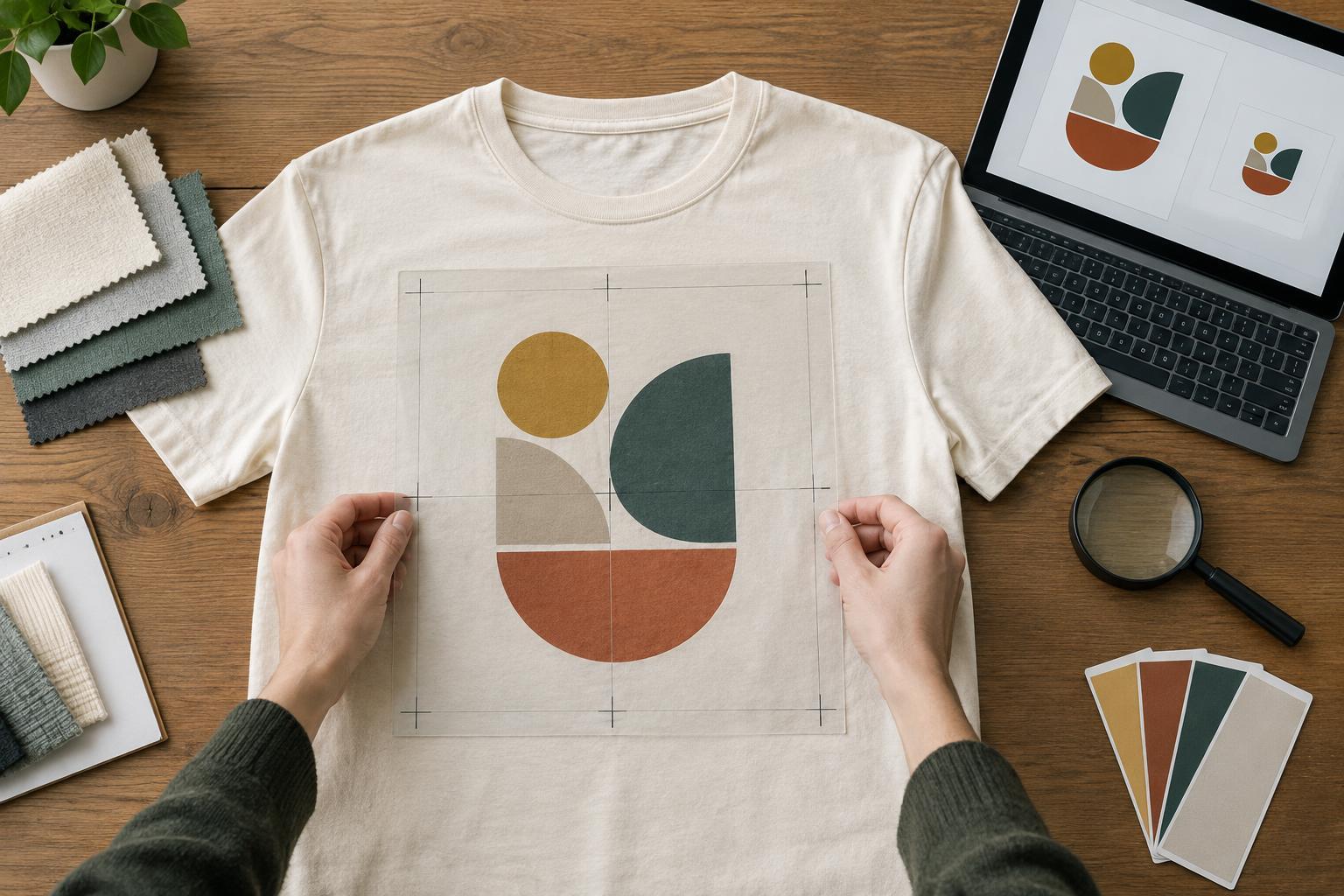
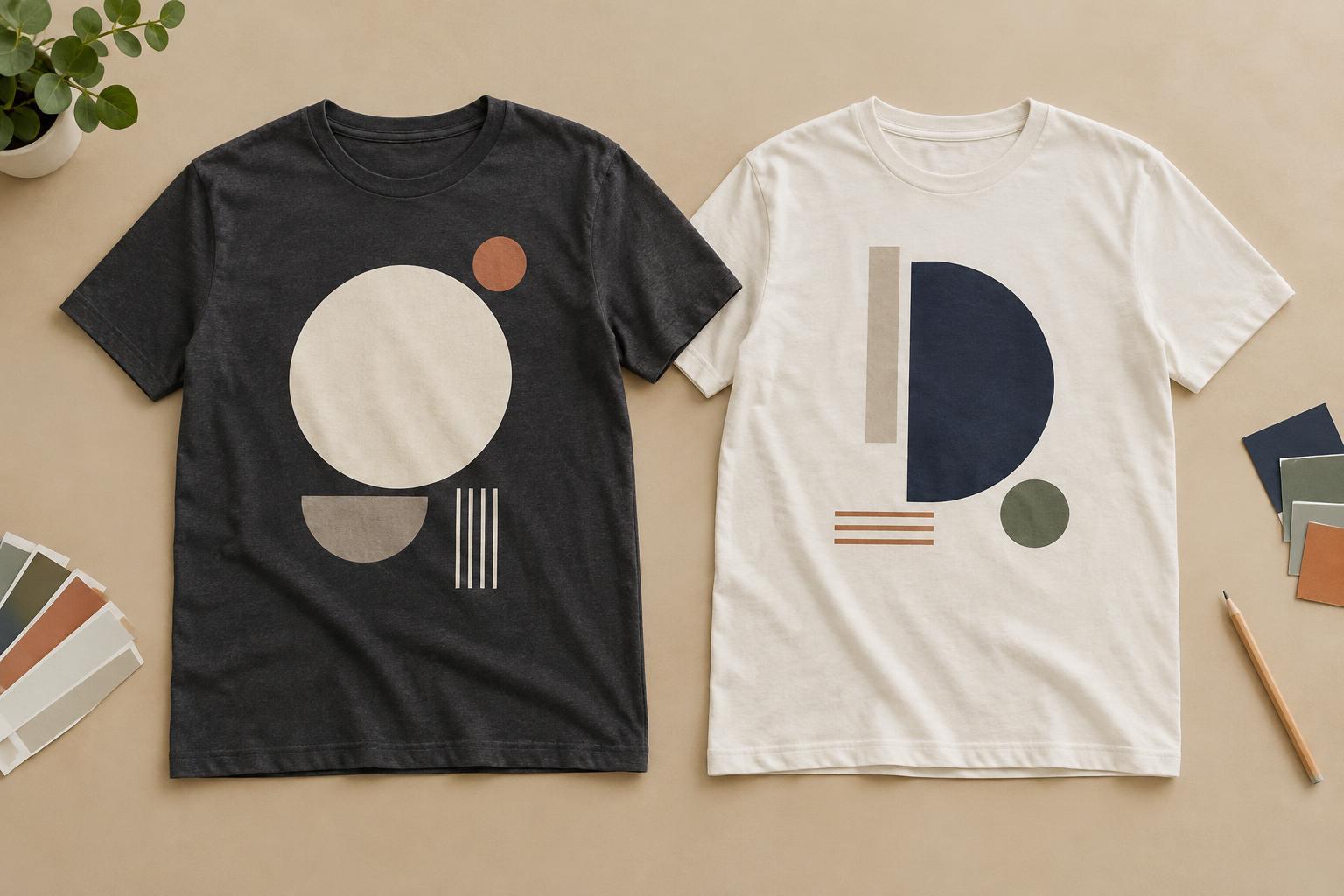
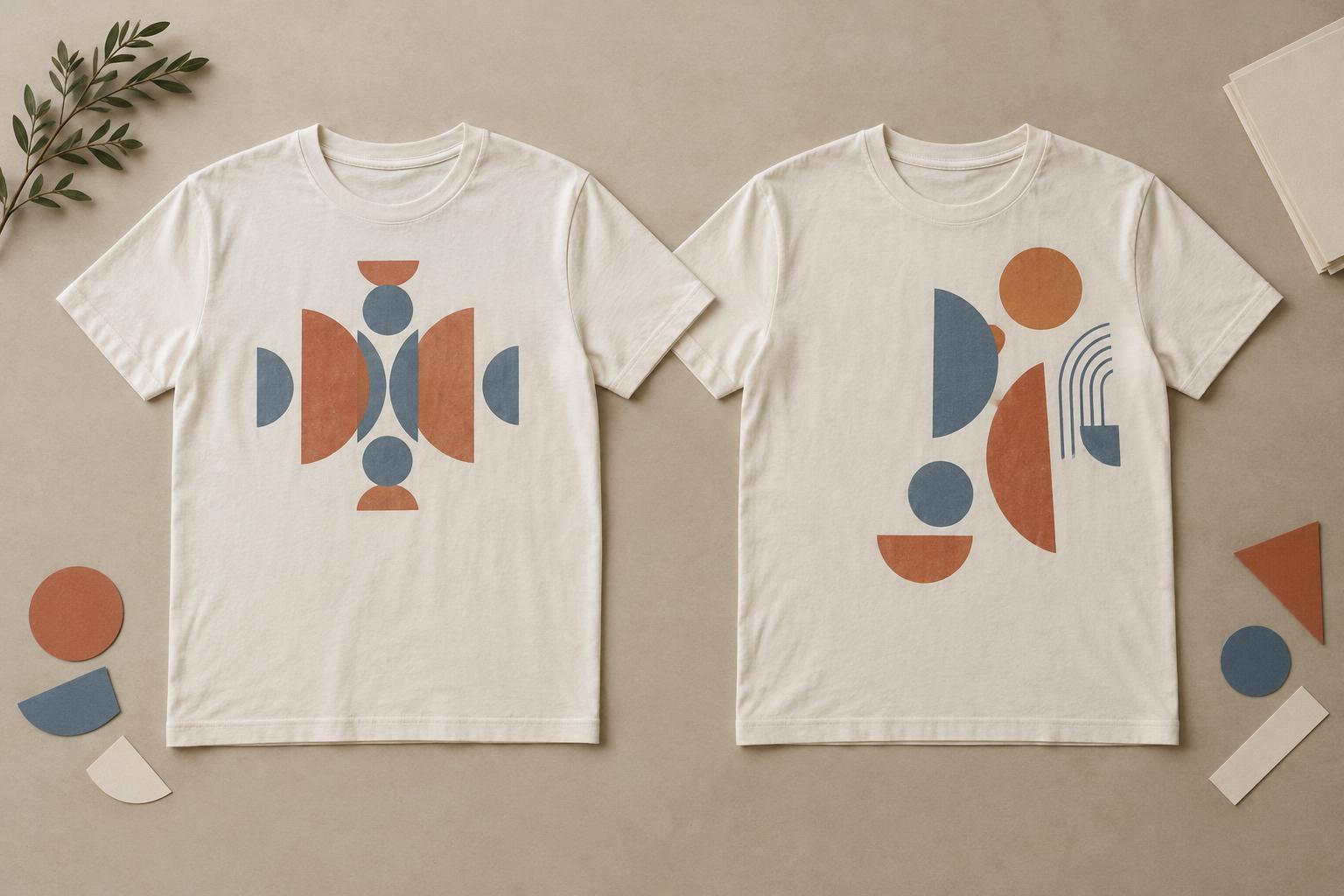
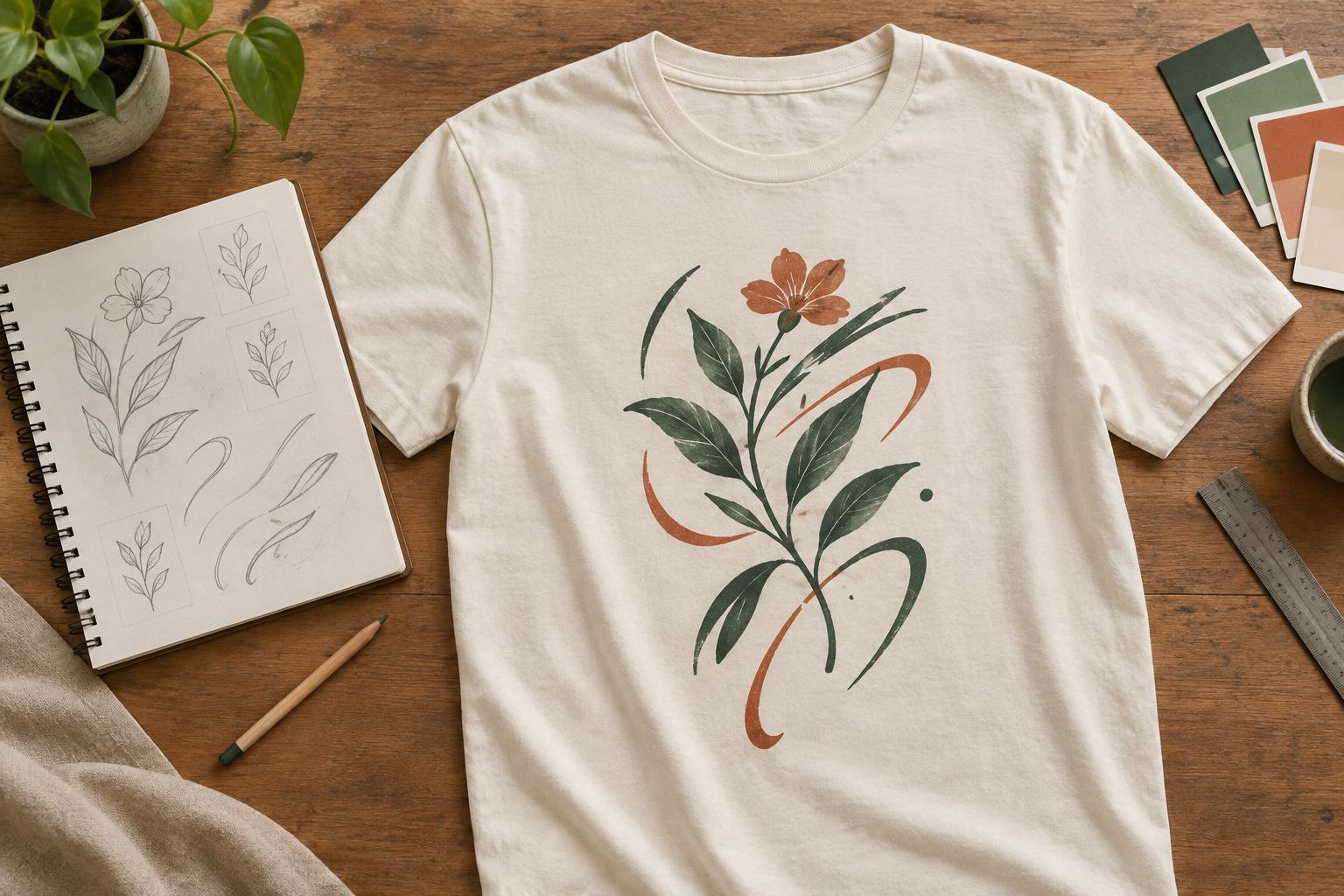
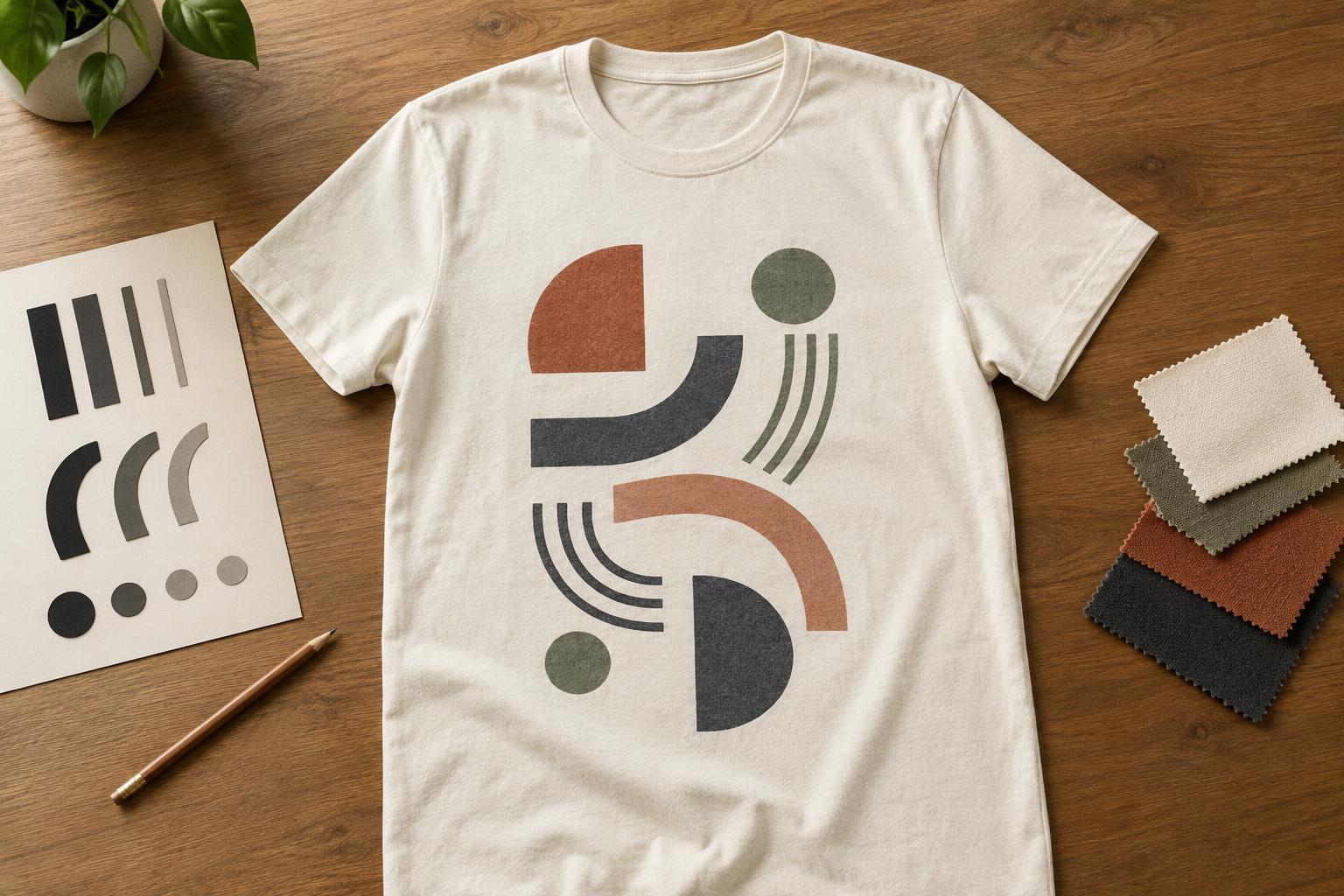
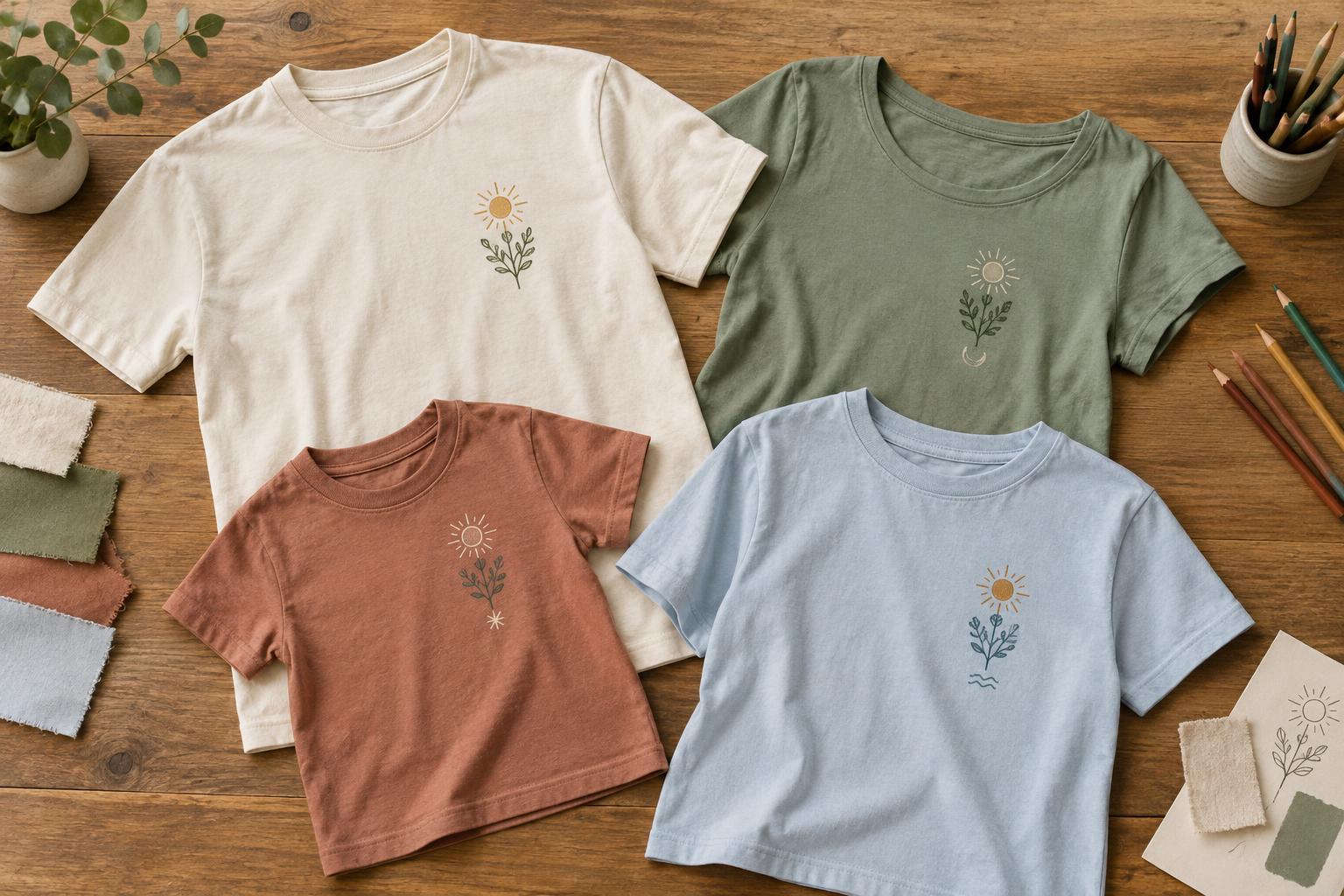
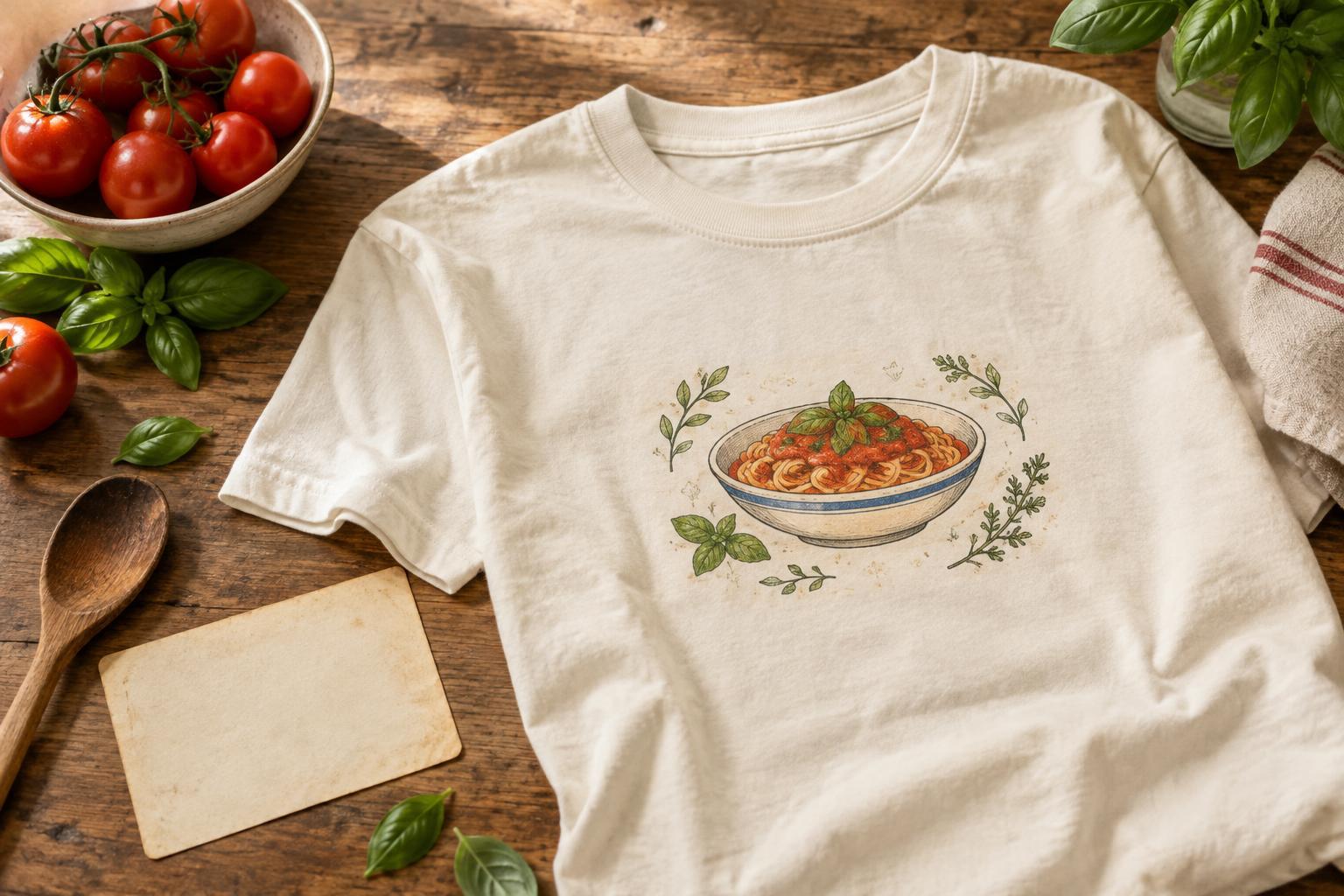
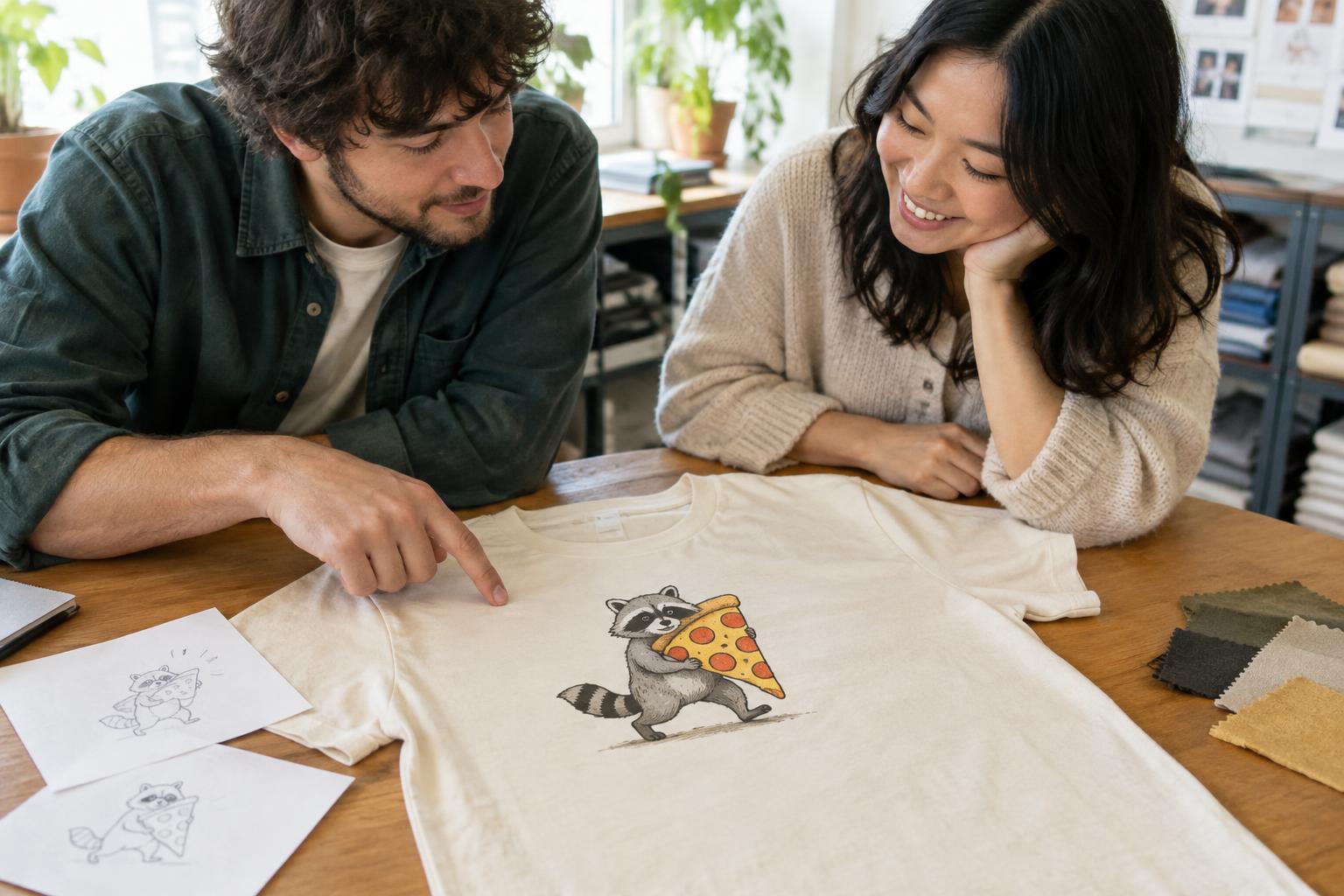
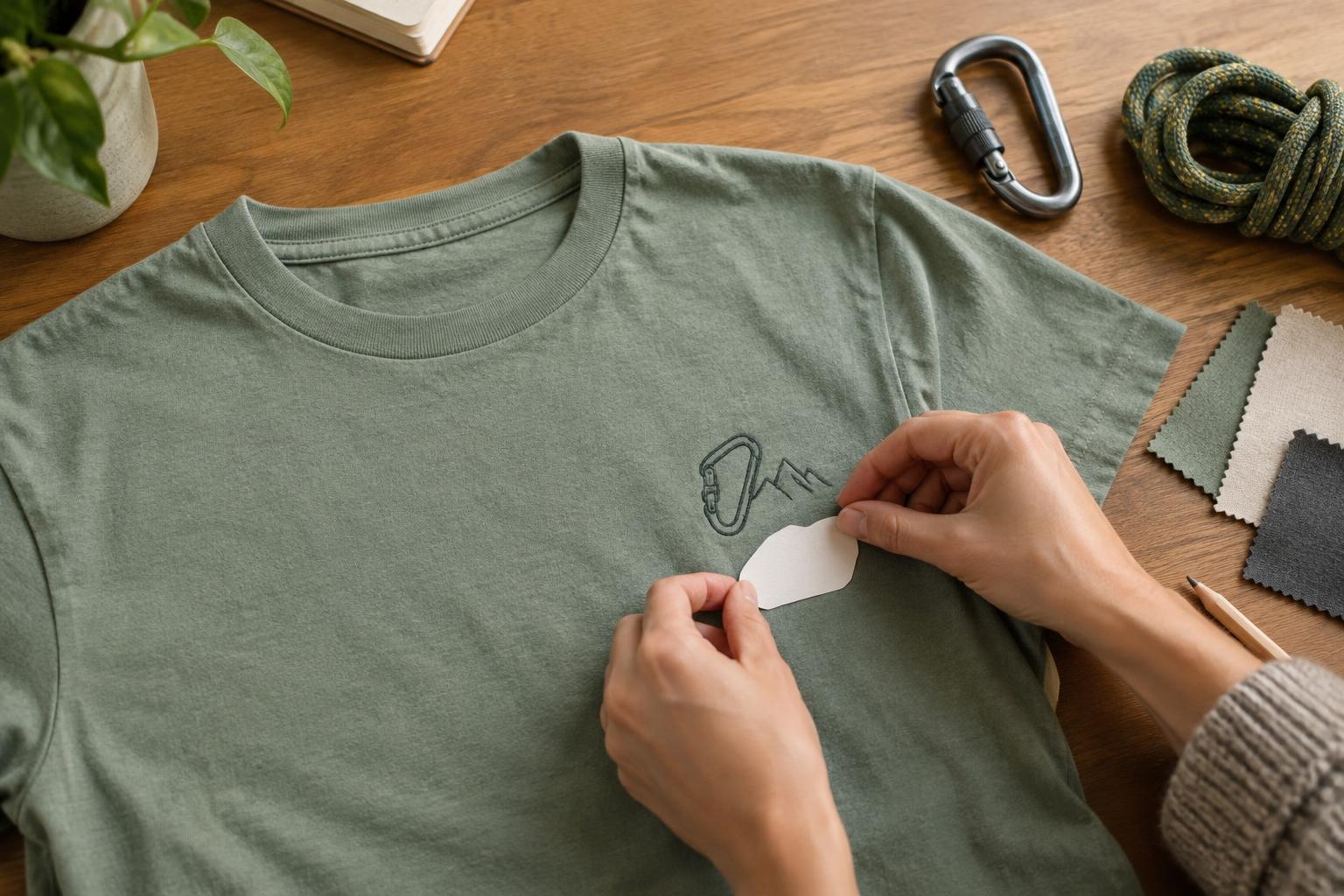
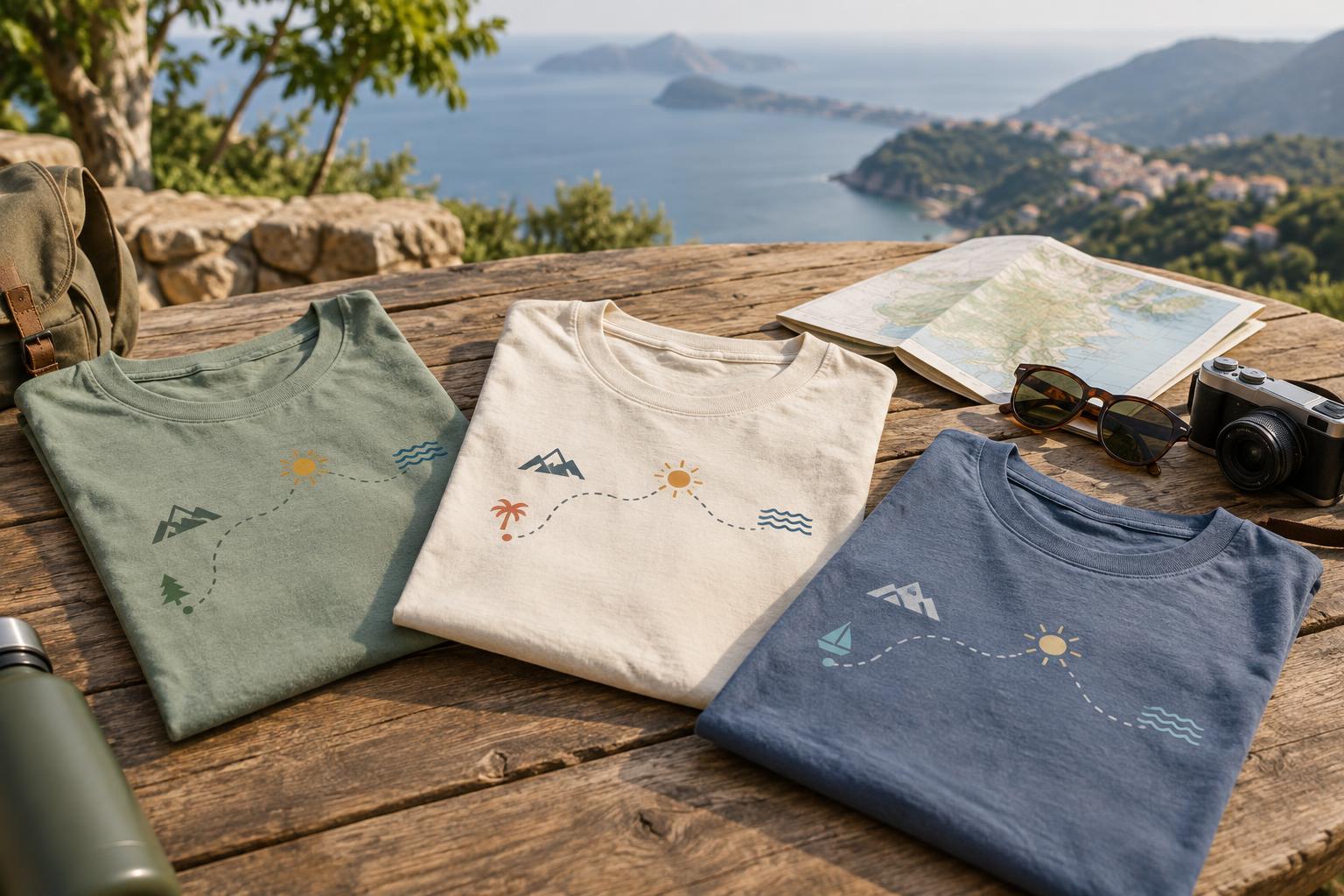
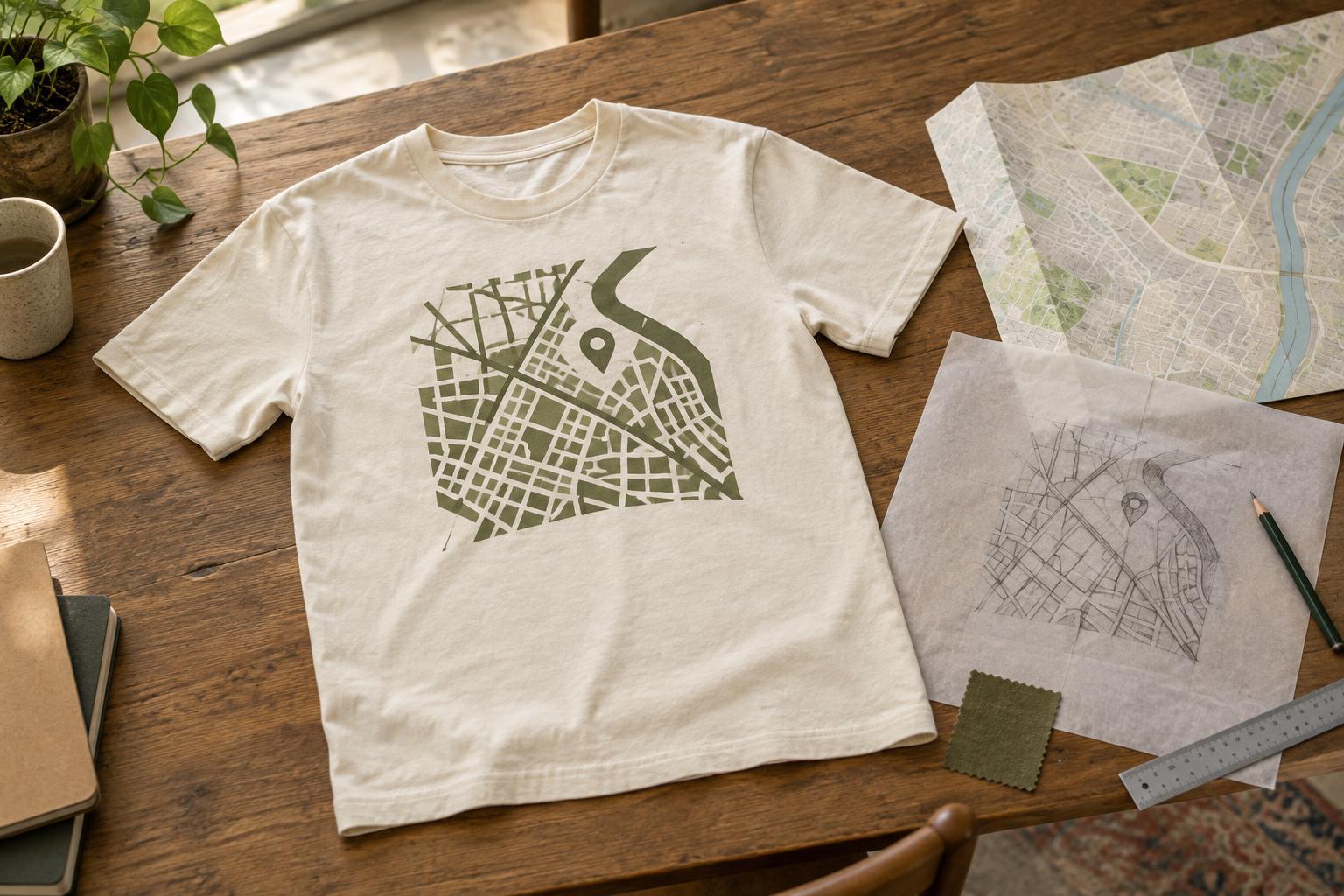
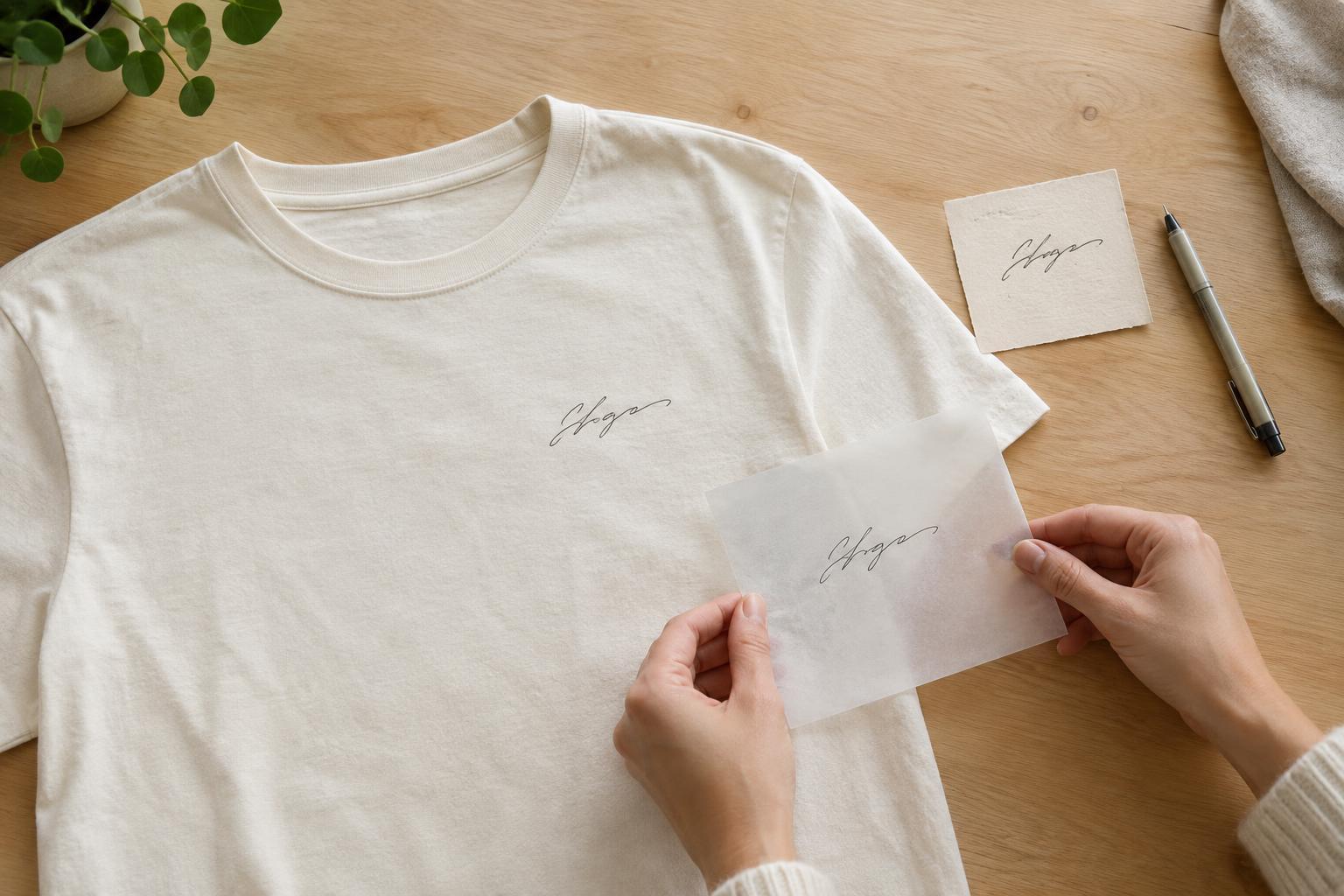
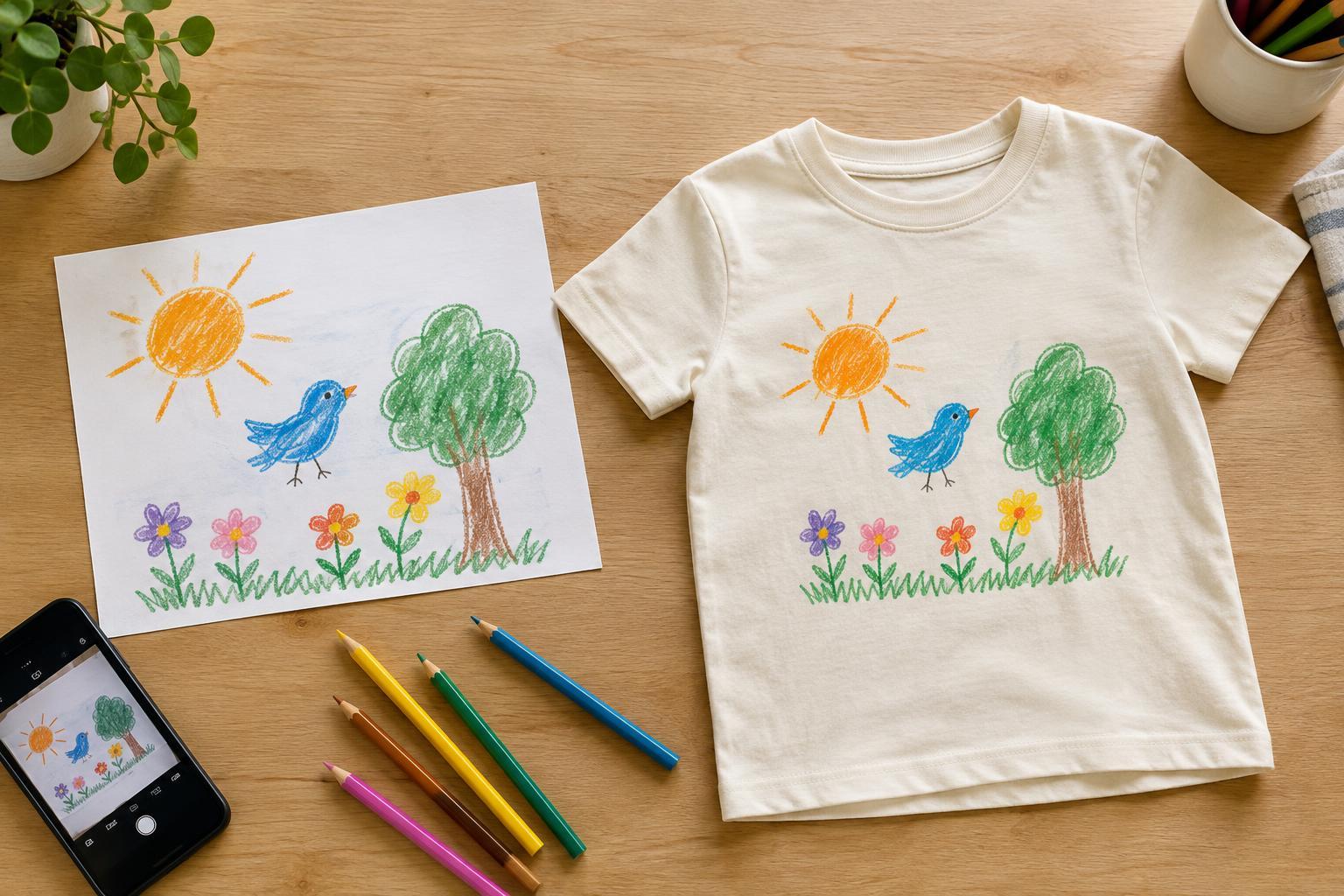
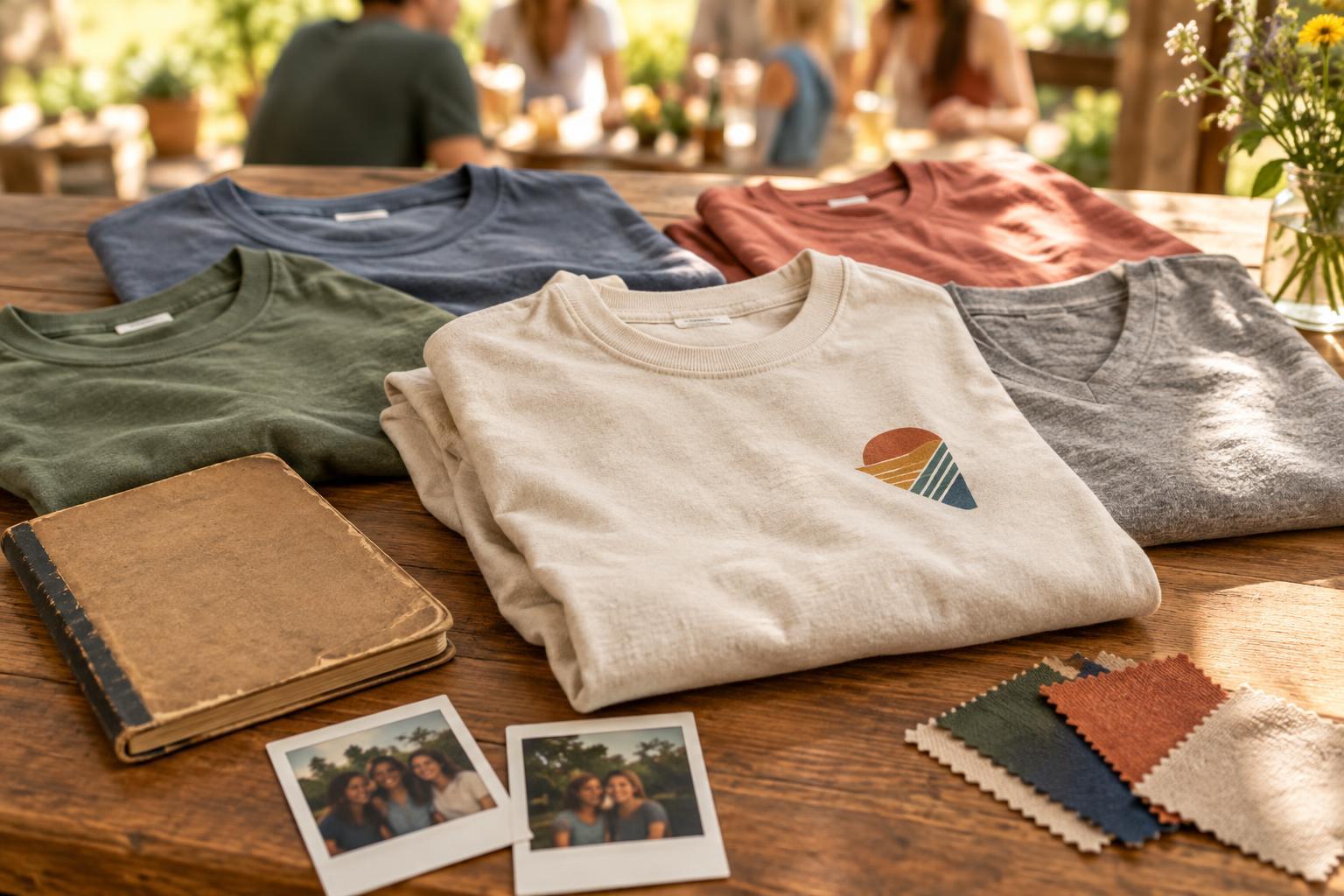
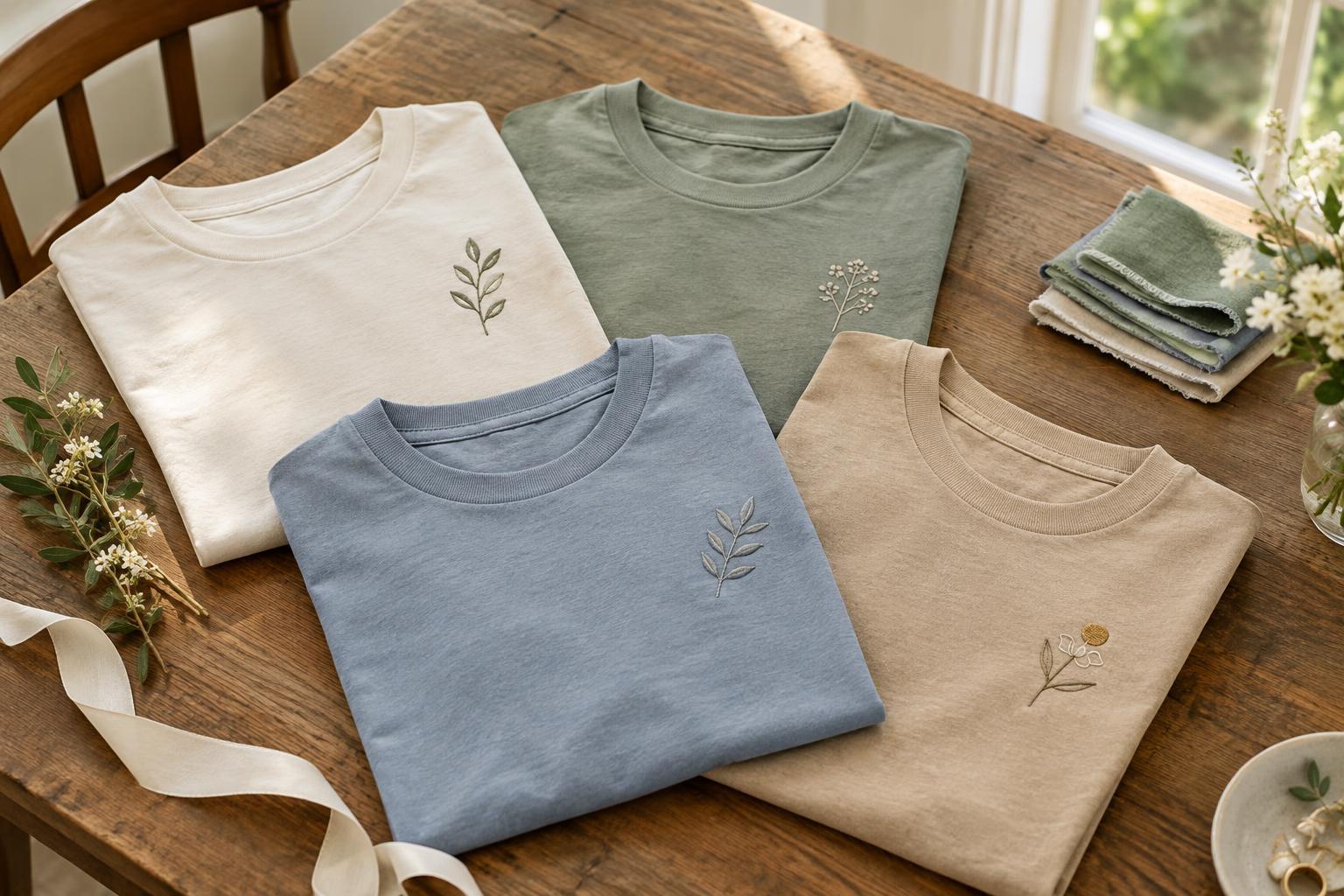
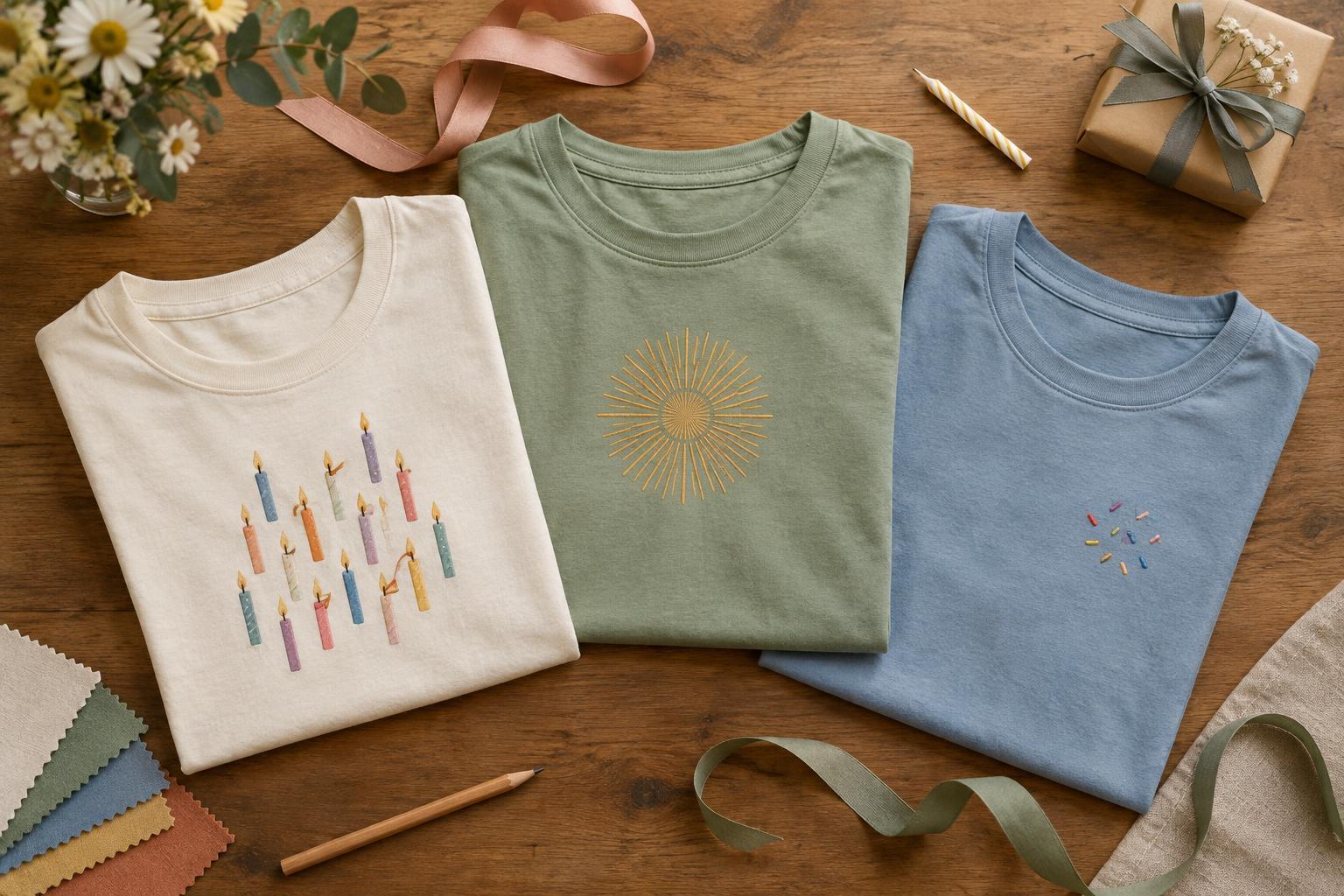
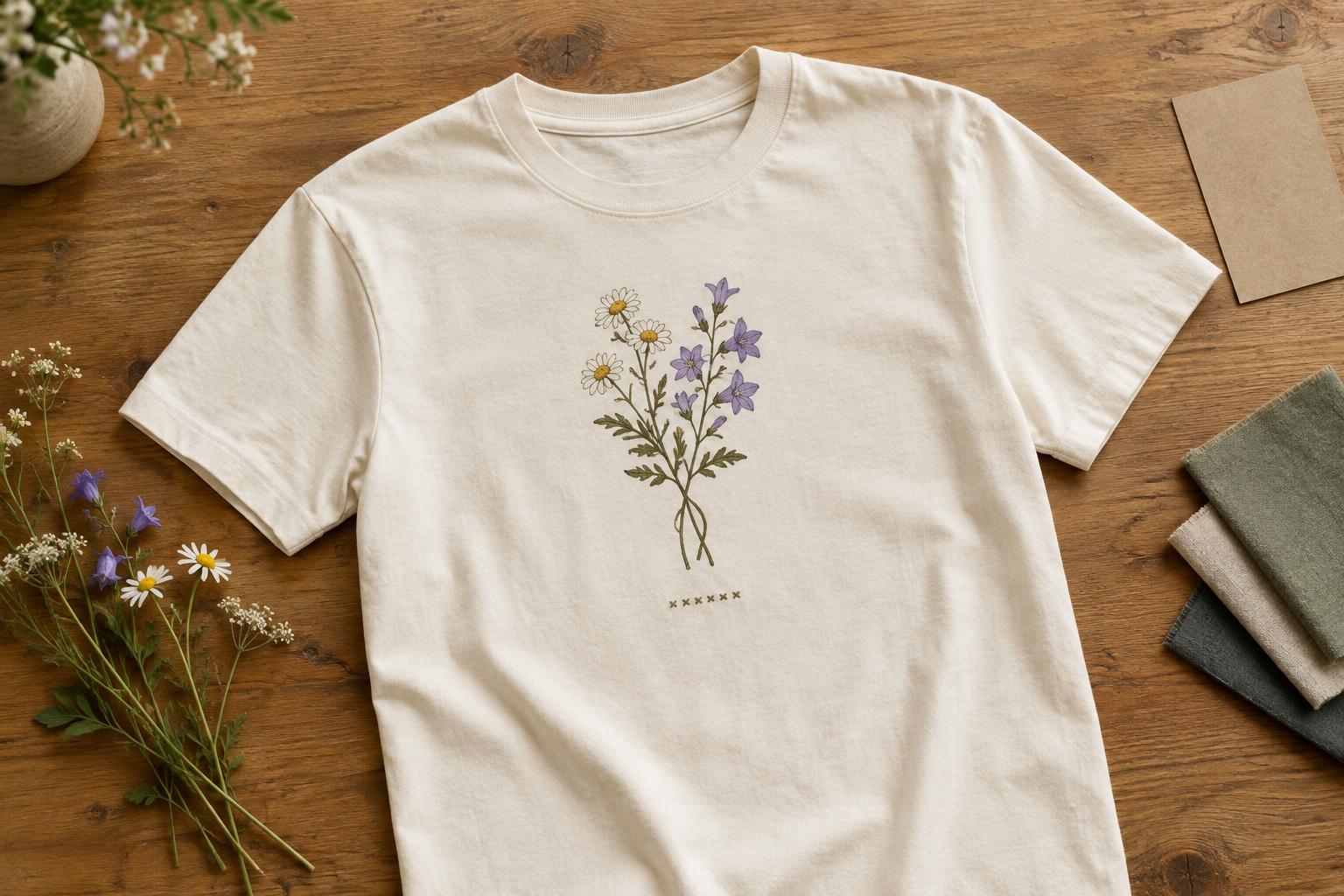
Start with the message the T-shirt should carry
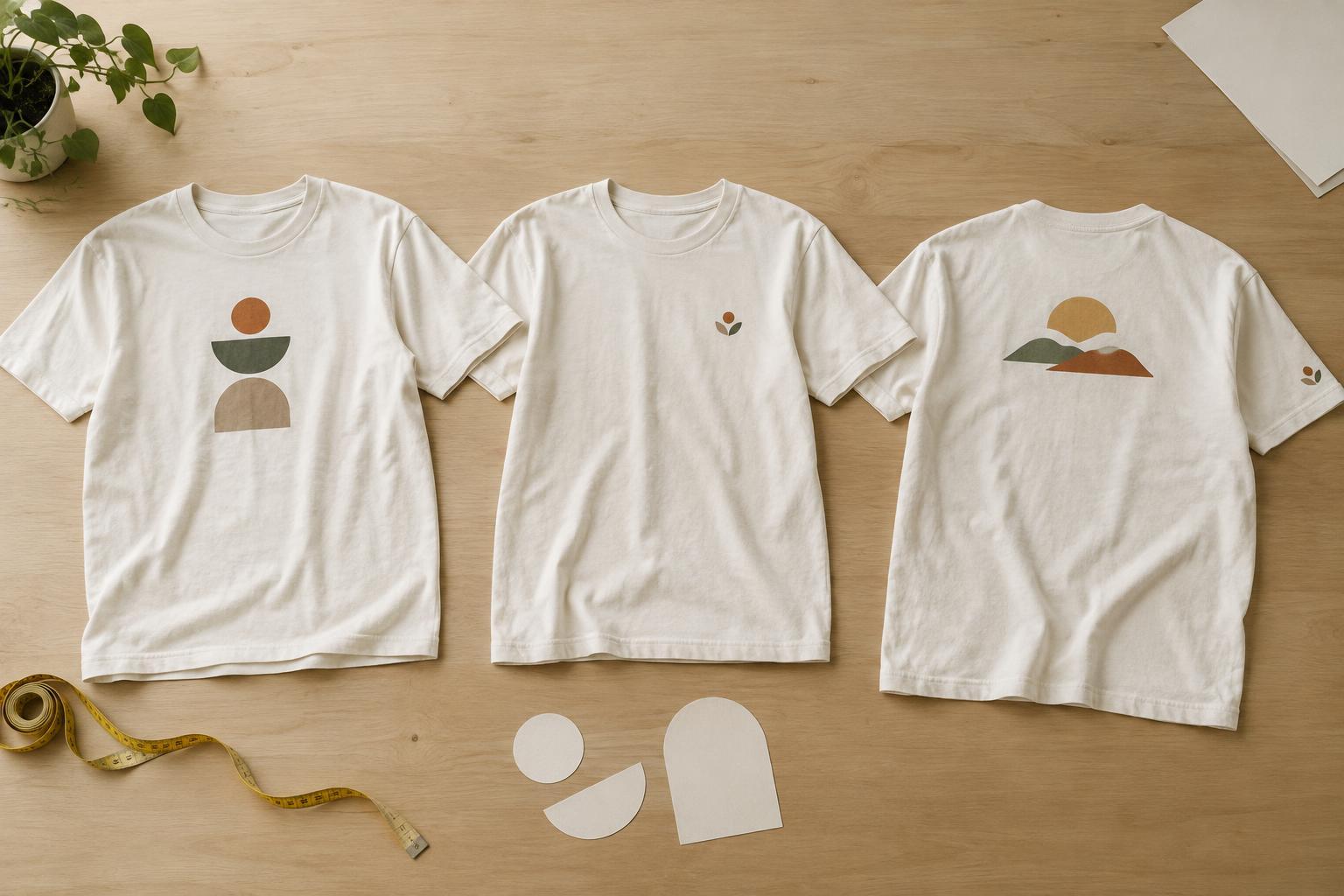
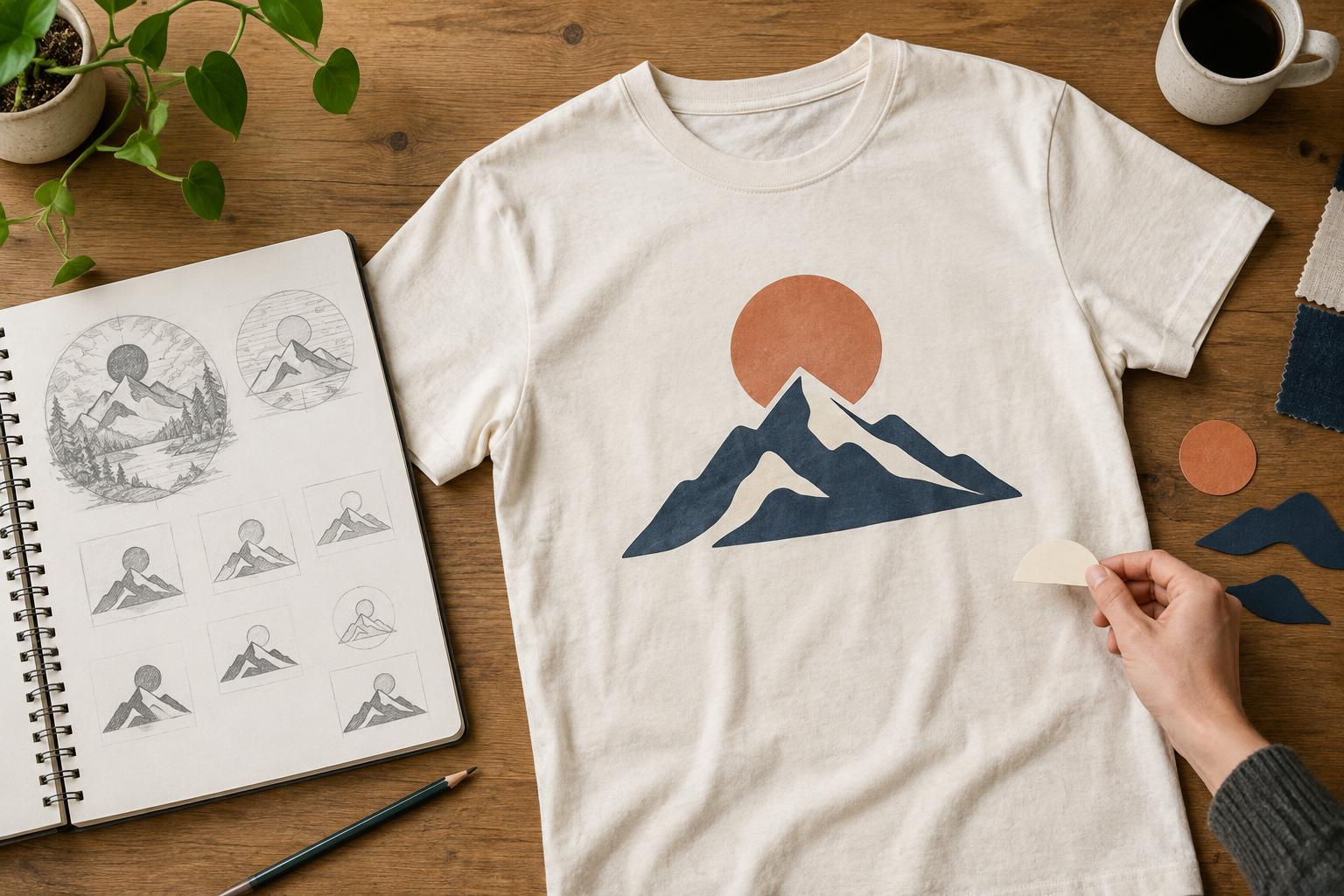
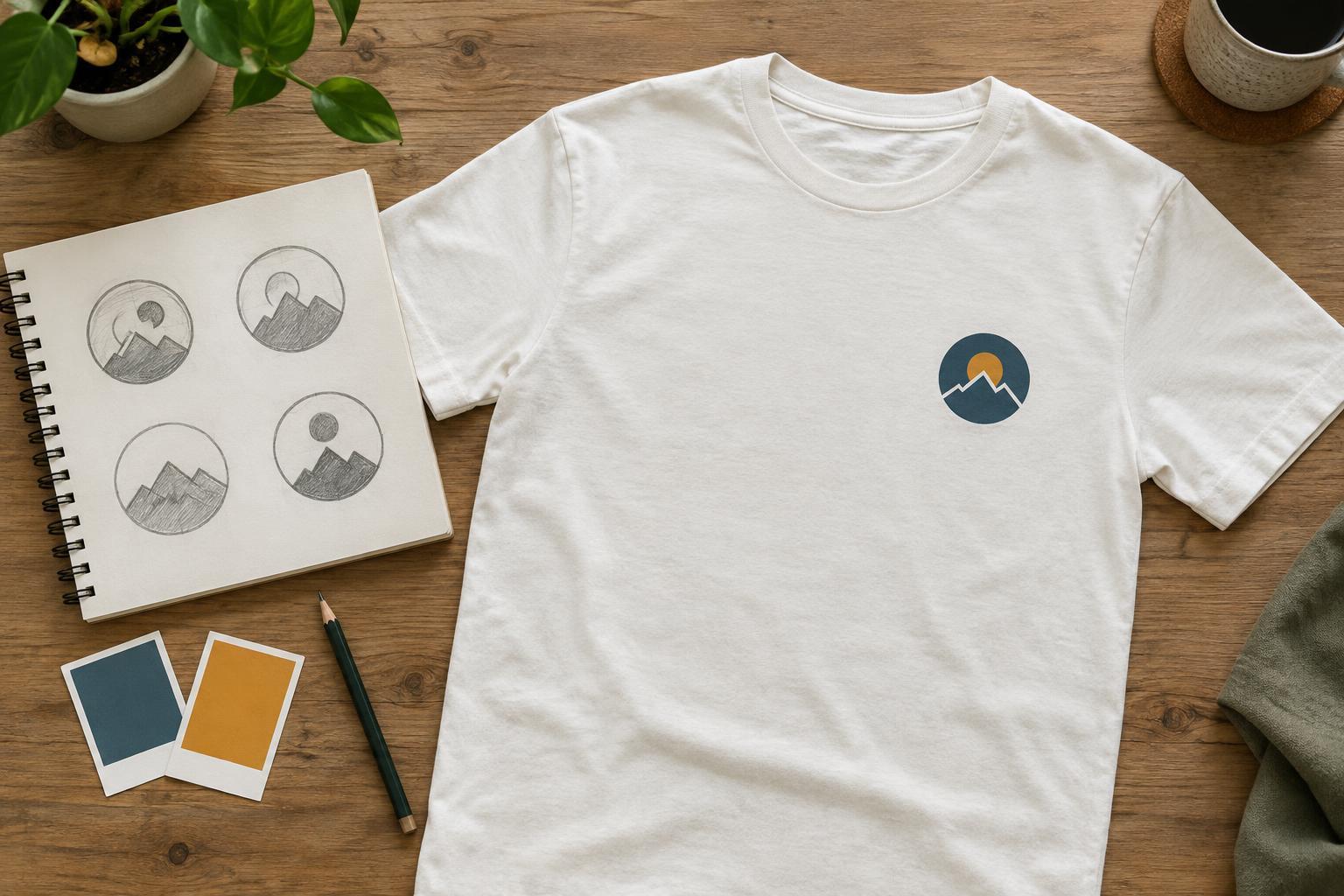
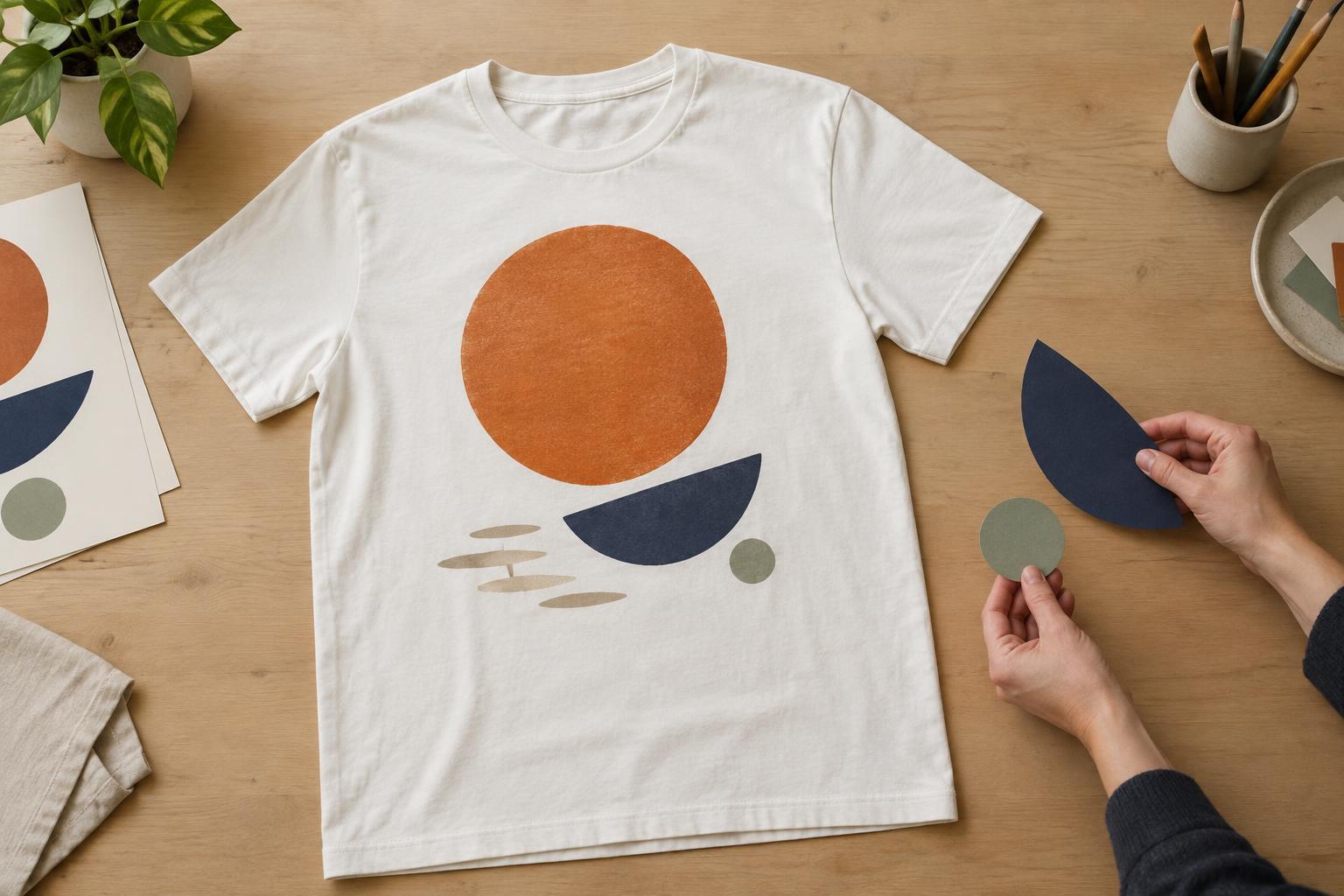
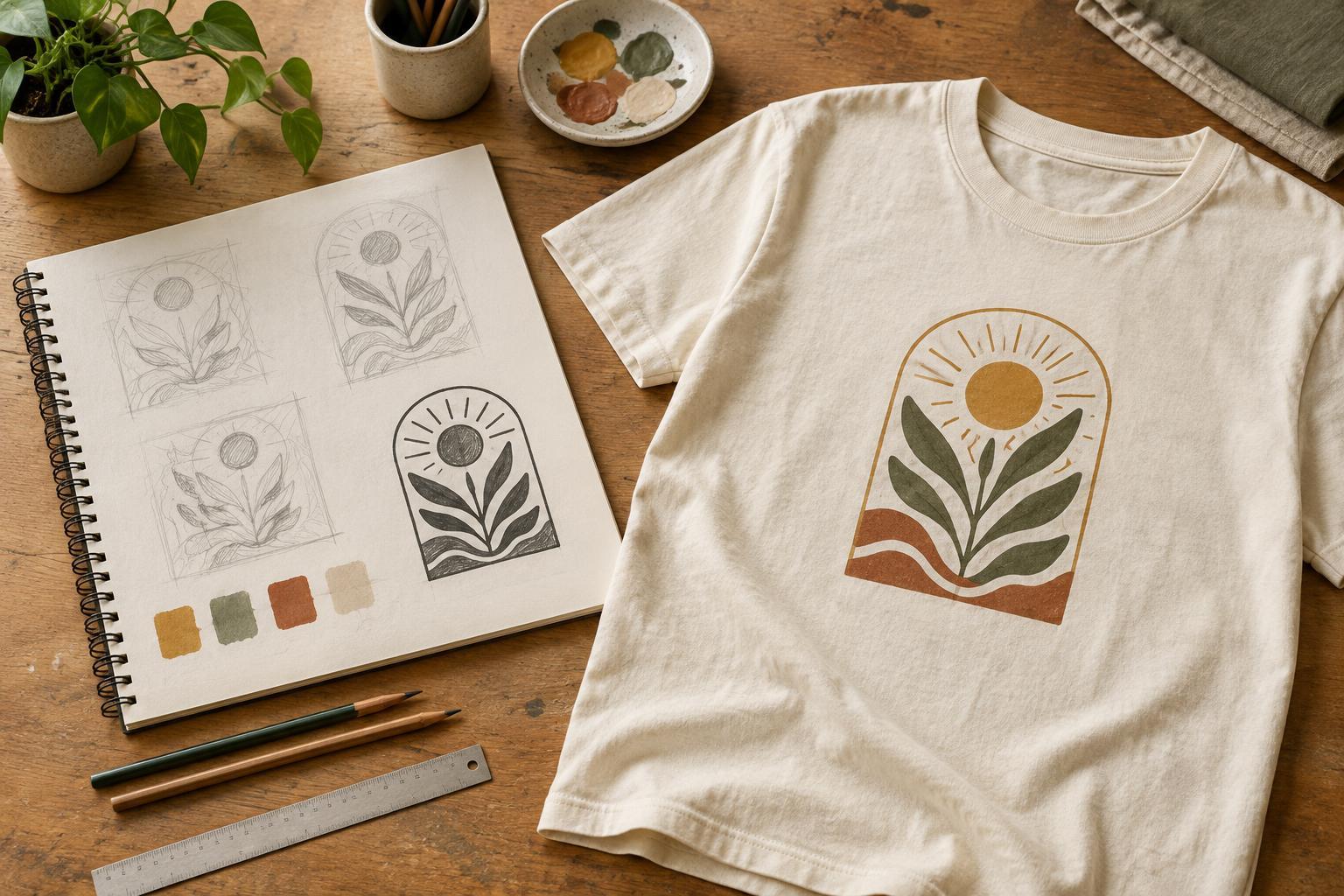
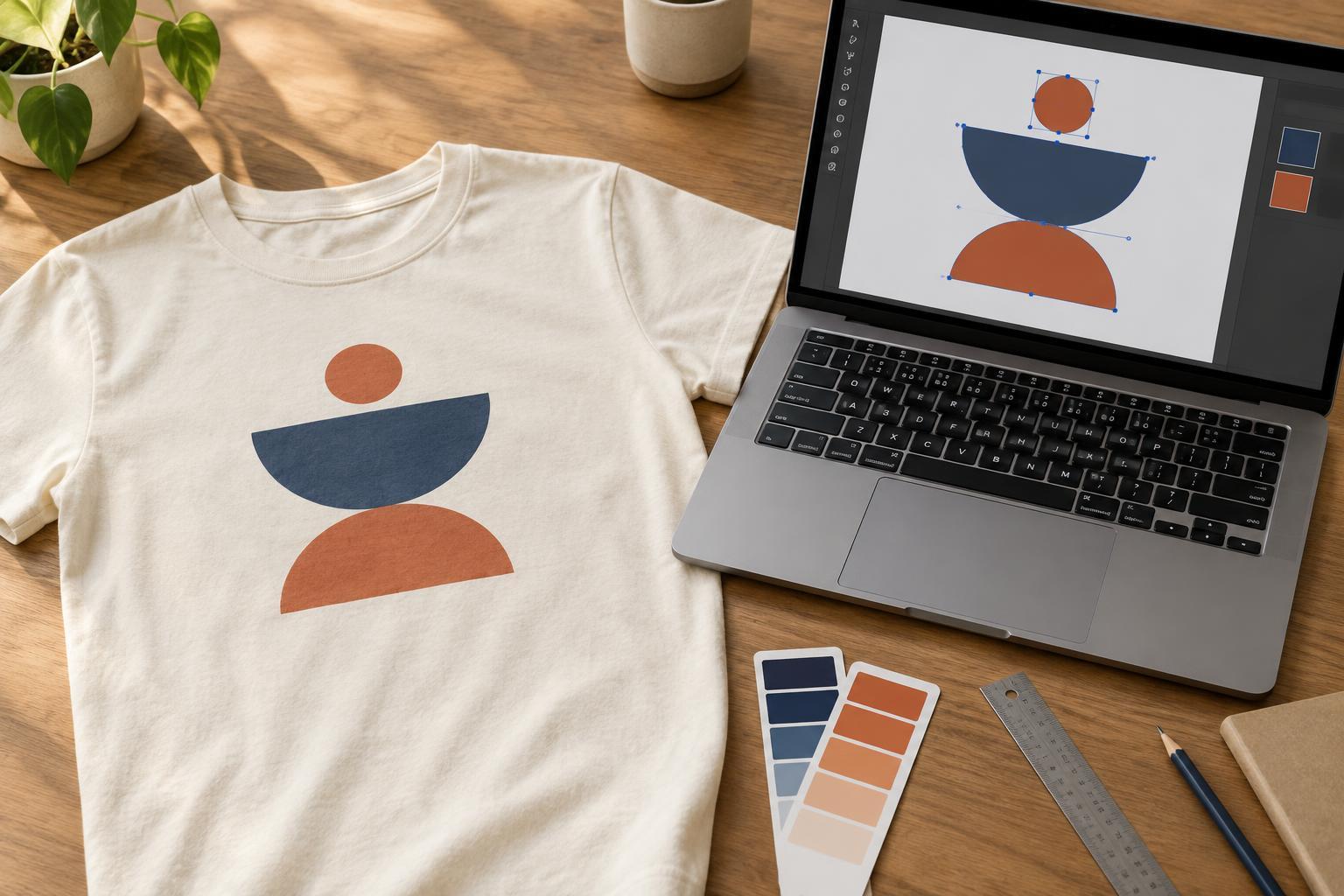
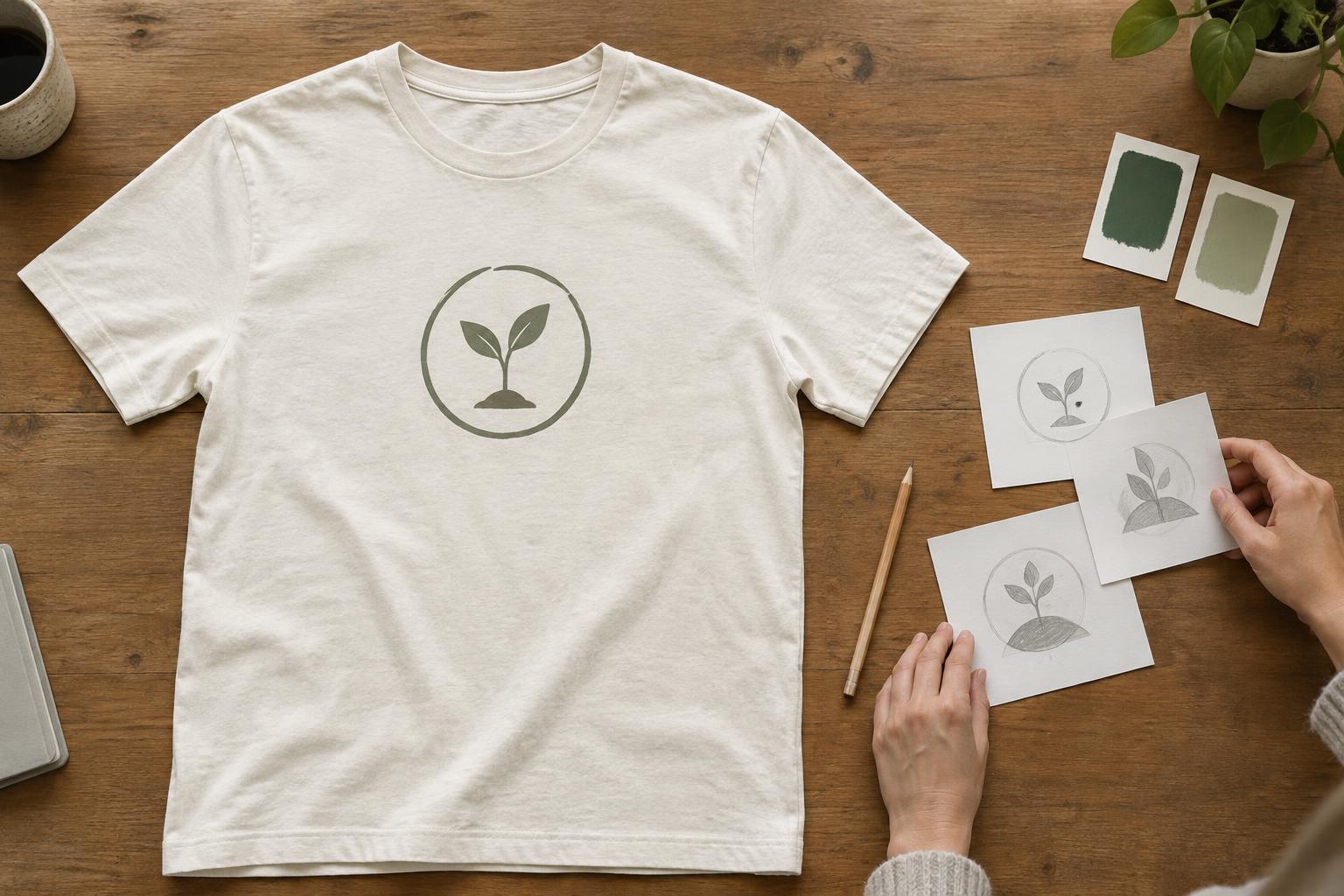
Before choosing a colour or printing method, decide what the shirt is meant to say and where someone will wear it. A small drawing near the chest may feel personal and quiet; a large image across the back asks to be seen from farther away. A shirt for everyday errands can tolerate a different kind of visual joke from one intended for a reunion or a thoughtful gift. Write the idea in one sentence, then identify the part that genuinely needs to be visible. This makes it easier to leave out decorative elements that dilute the message.
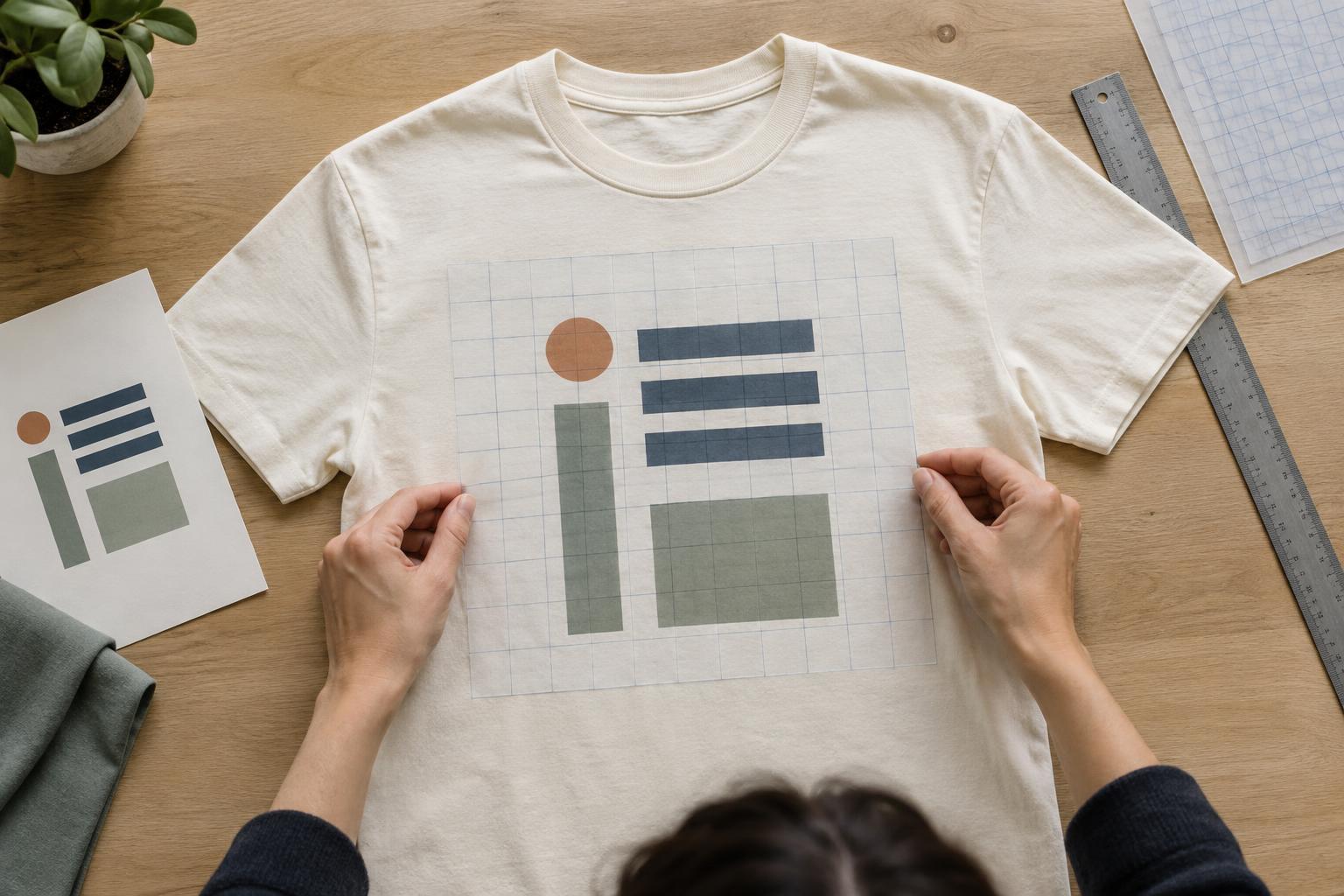
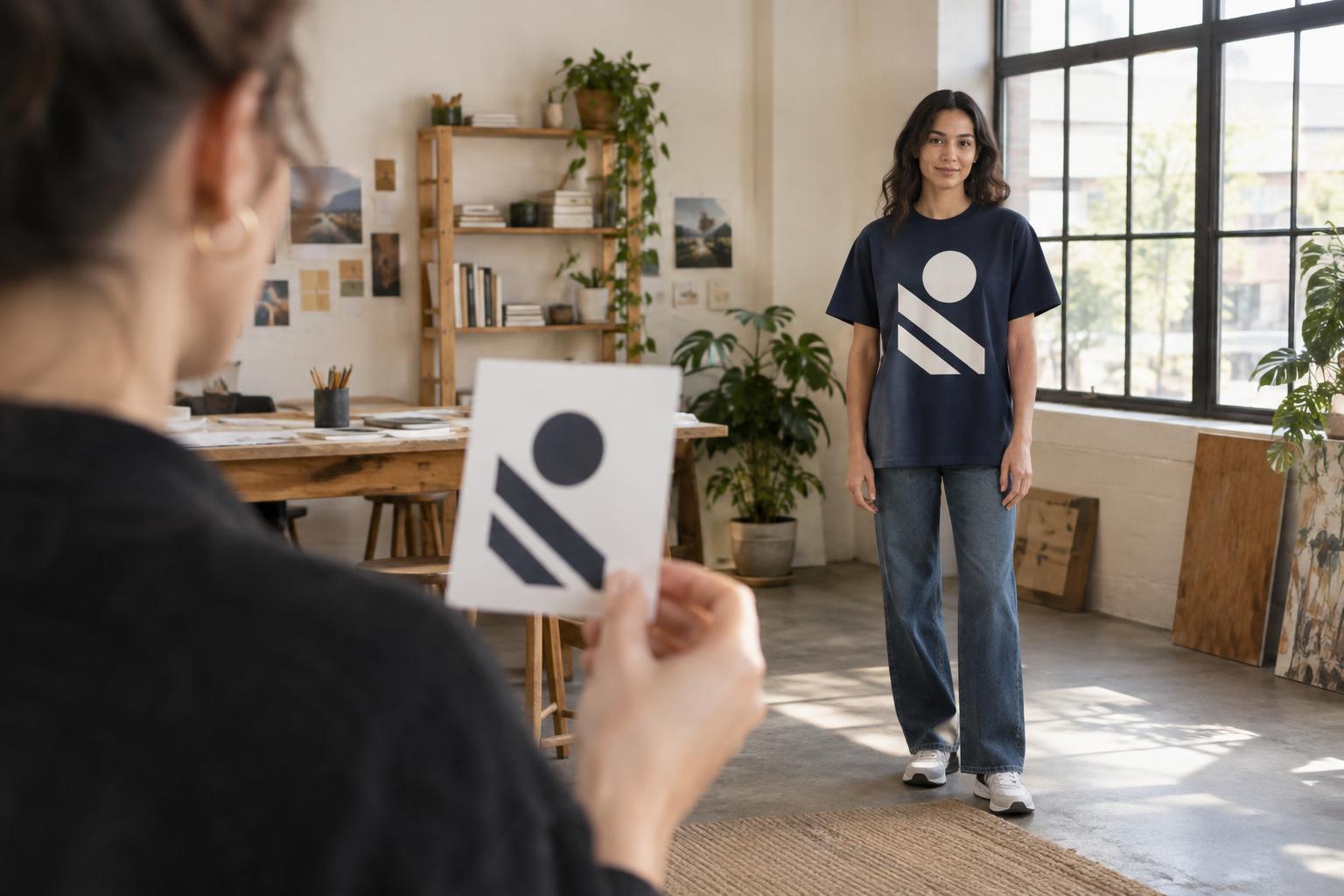
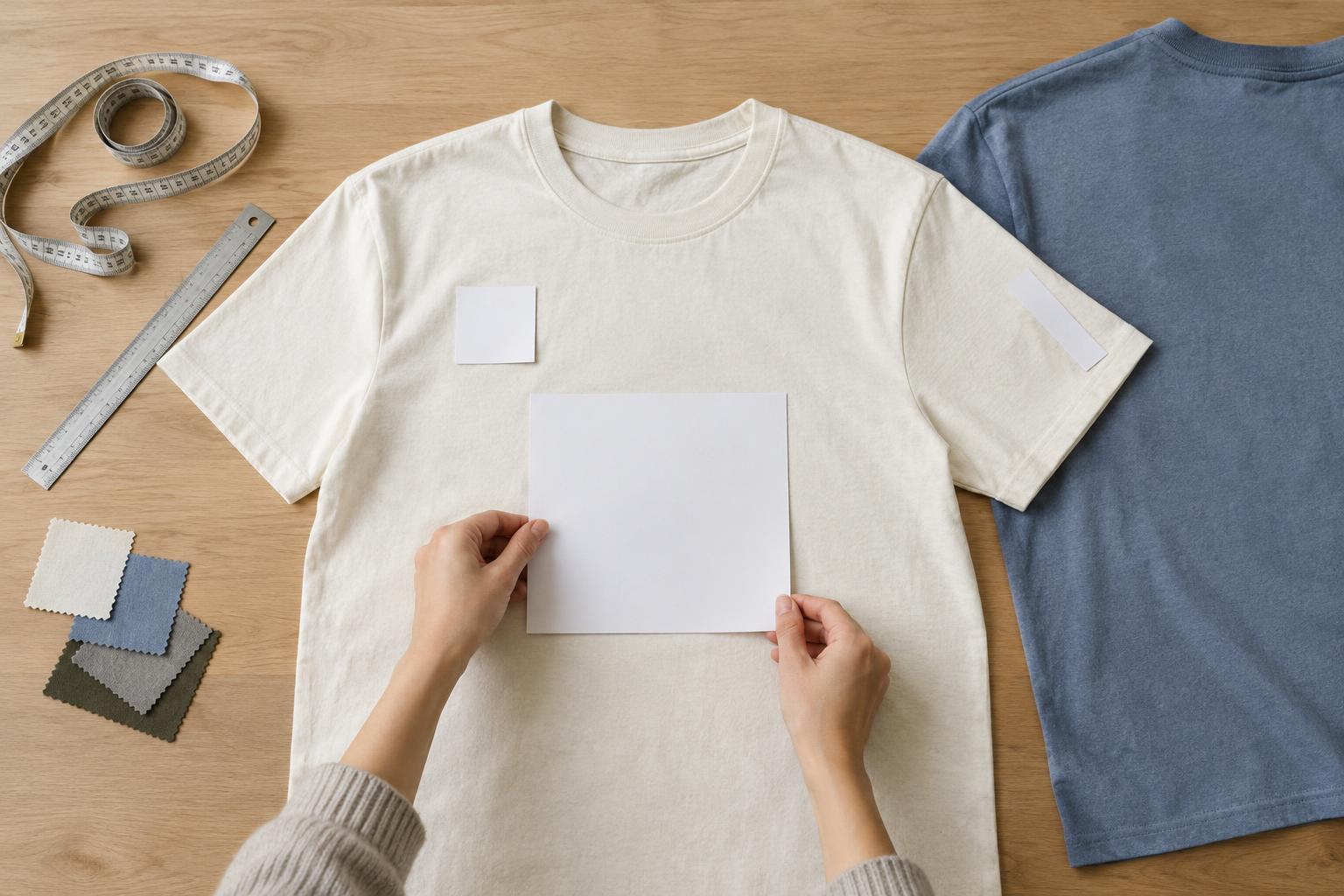
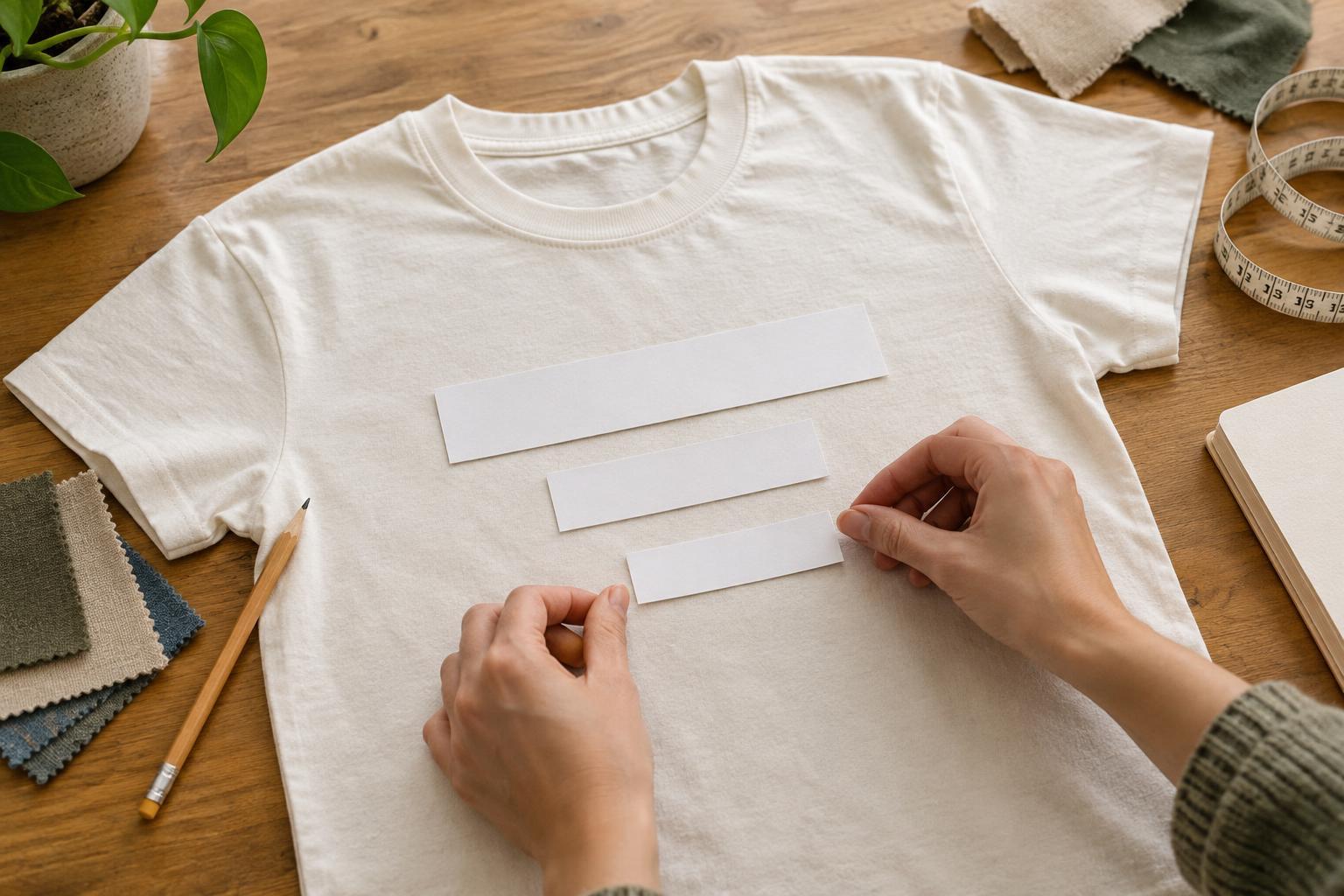
Think about the distance at which the design must work. Broad shapes and strong contrast generally remain legible at a glance, while fine lines and small type invite someone to look closely. If words are essential, read them at roughly the size they would appear on the garment; a clever phrase loses much of its effect if the letters become cramped. Check how the artwork sits on a body rather than only on a flat rectangle. Seams, folds and movement can interrupt a carefully arranged composition.
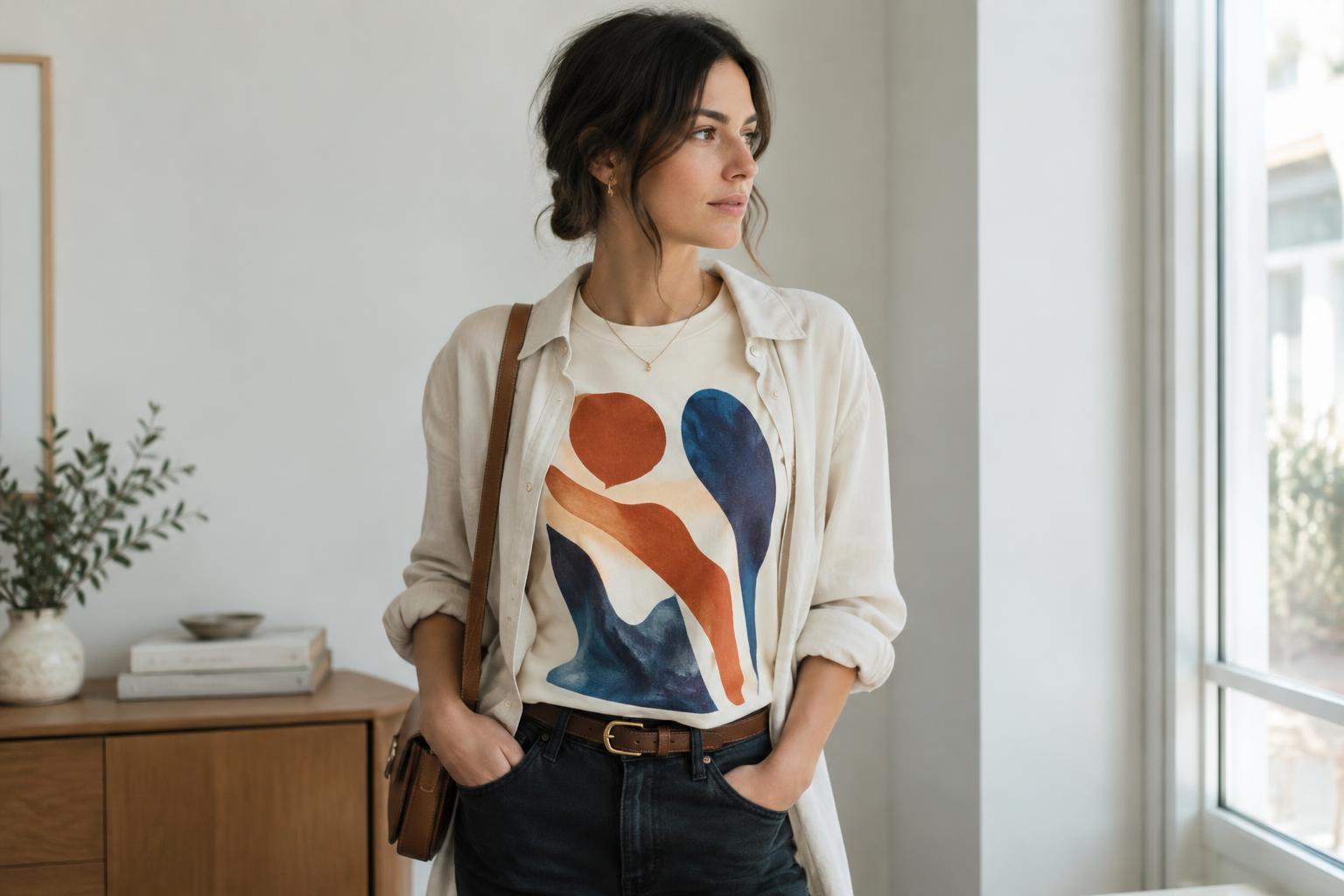
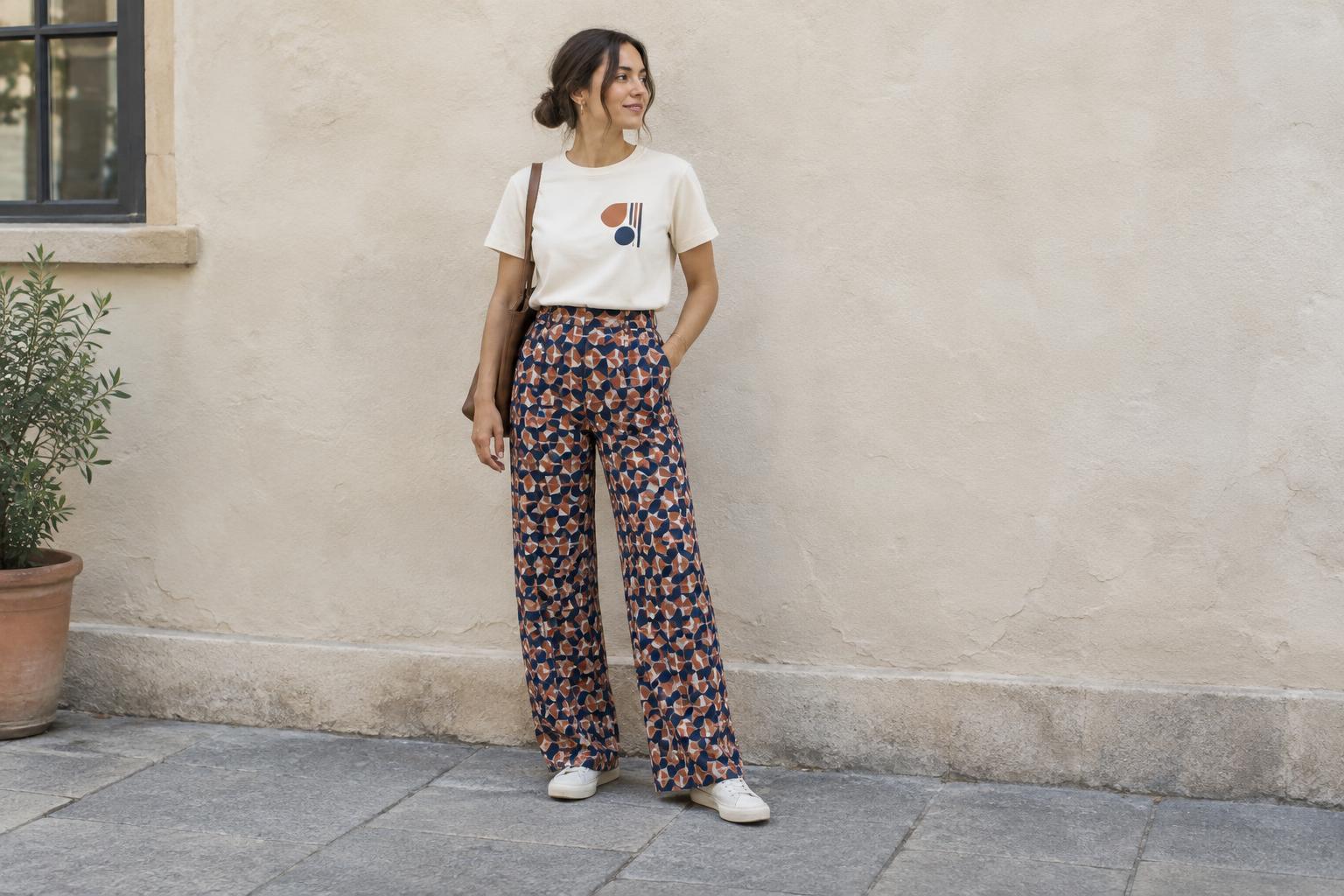
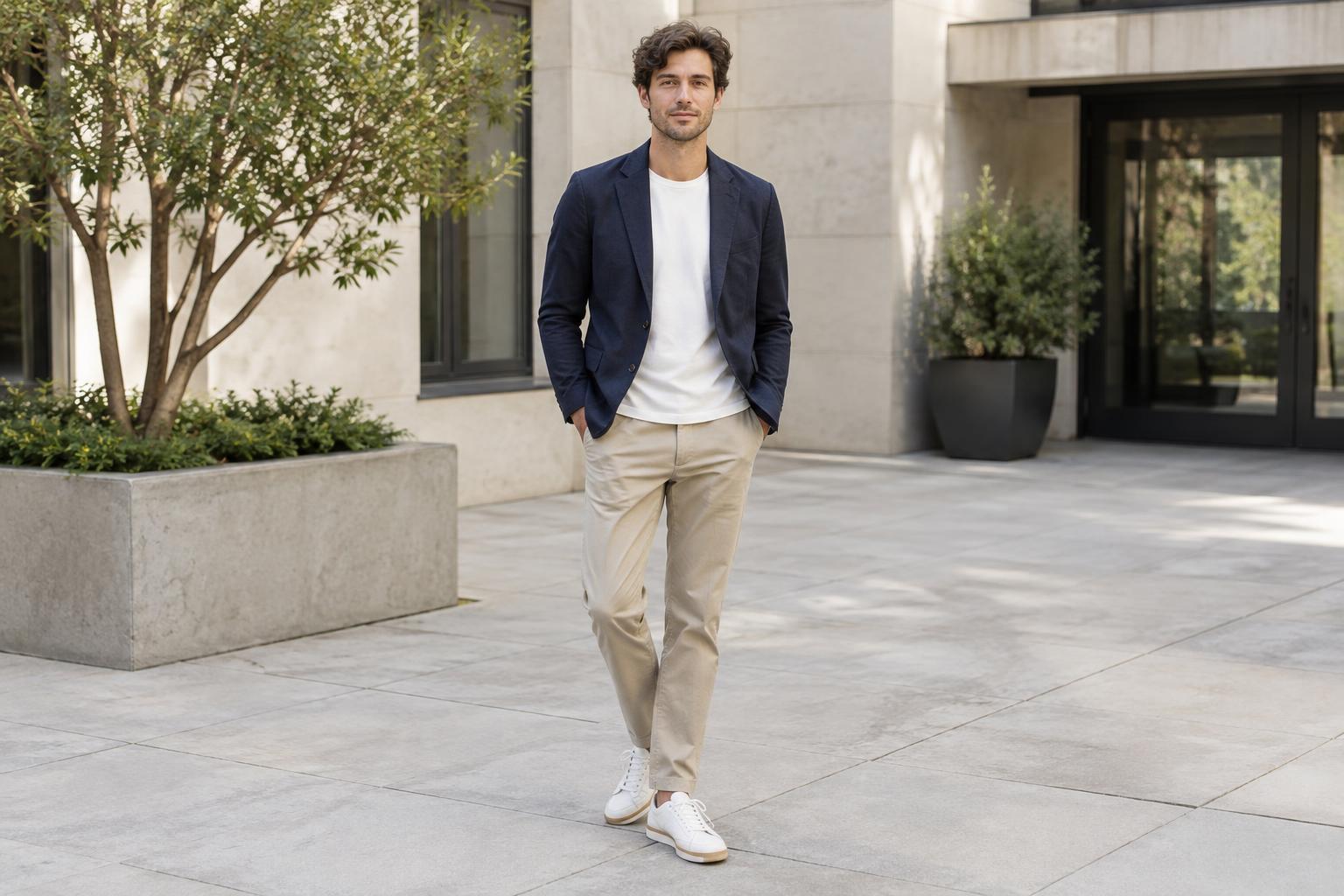
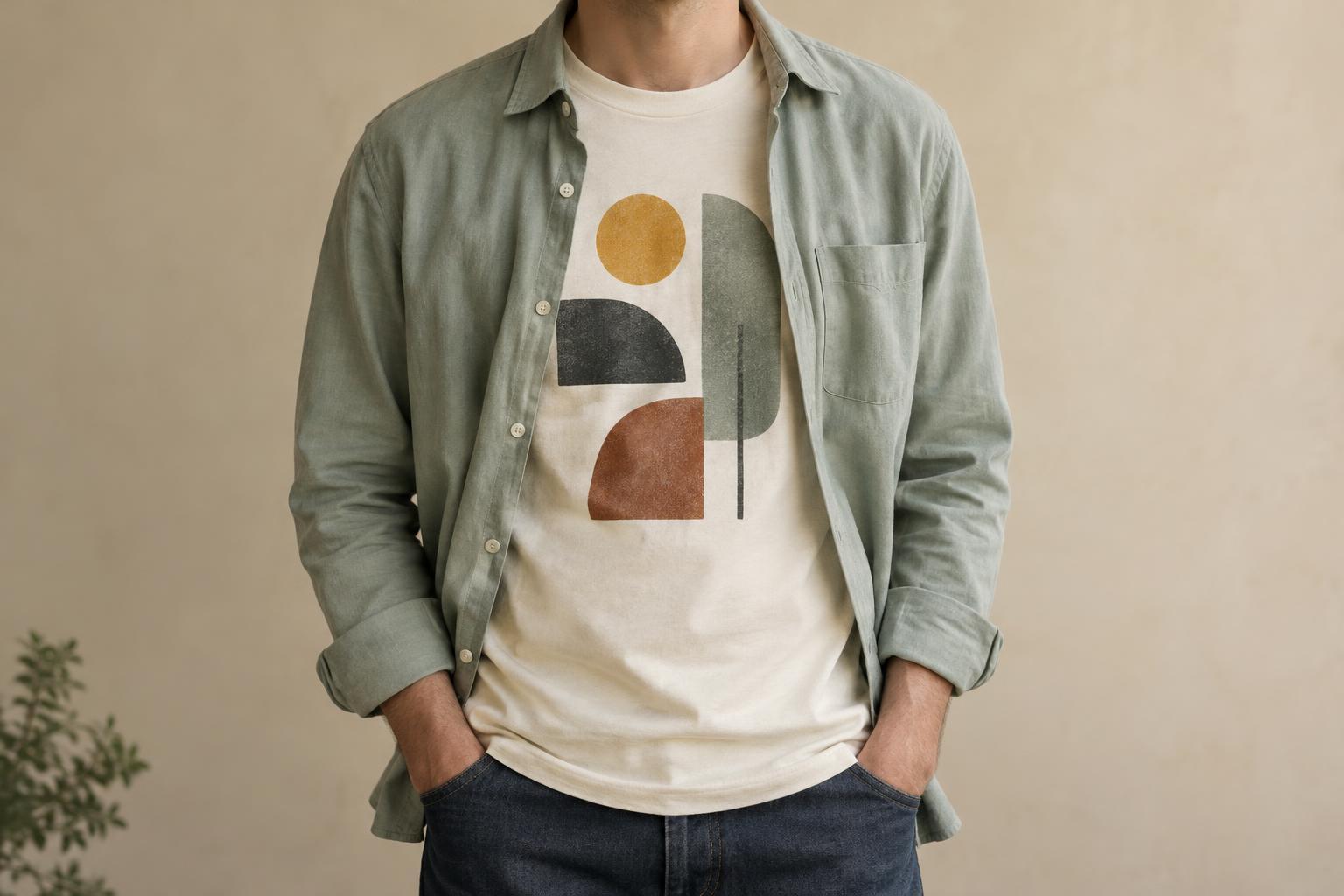
A wearable design also has a setting. A graphic tee might be the focal point of jeans and a jacket, or it might sit quietly beneath a cardigan. Decide which role you want before adding more colour. If the shirt already has a busy illustration, a restrained scarf can give the outfit a finishing edge. If the tee is nearly plain, a patterned scarf has more room to express personality. Neither approach requires every item to match exactly; a shared mood or one repeated colour is often enough.
Compare decoration methods by the design, not the buzzword
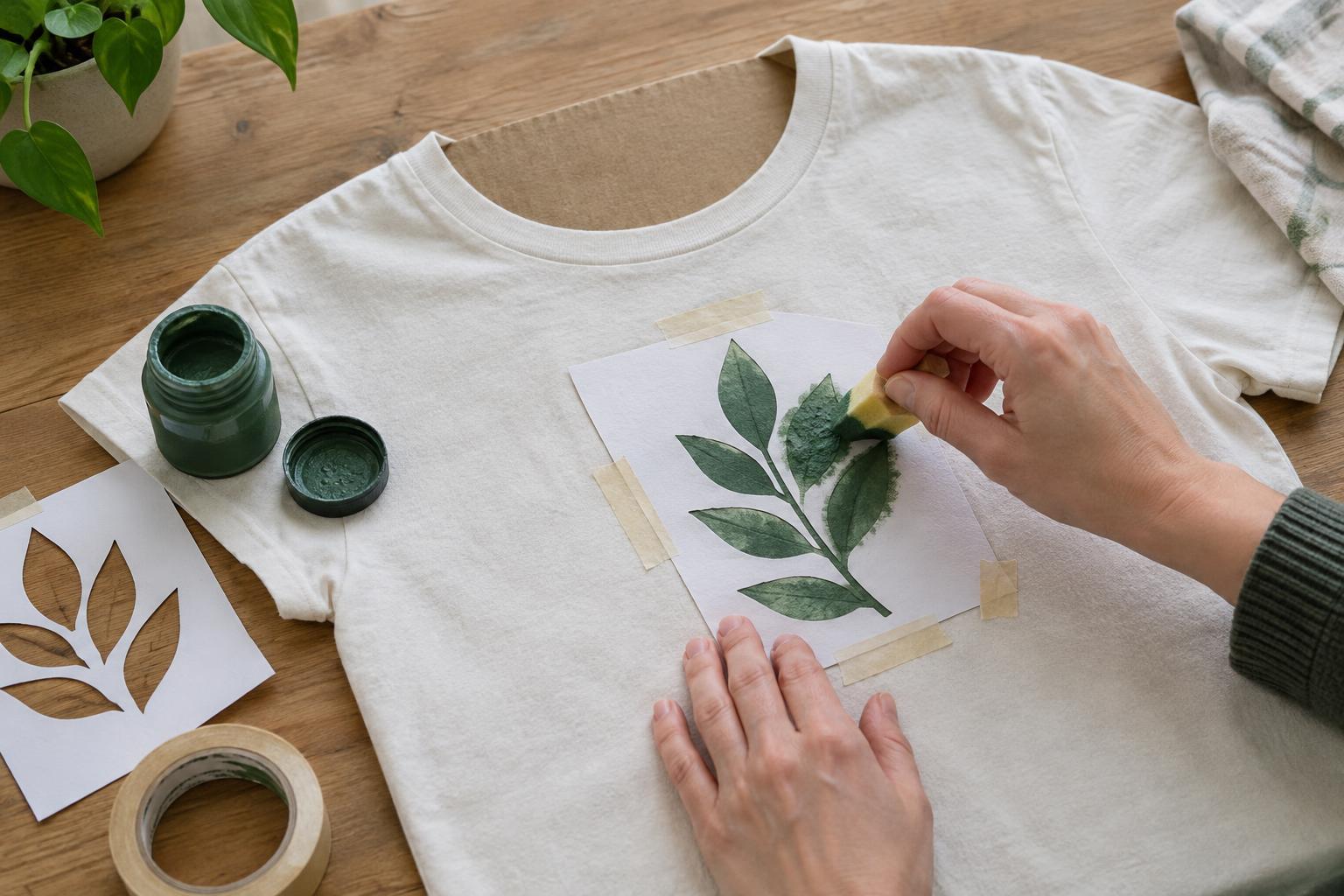
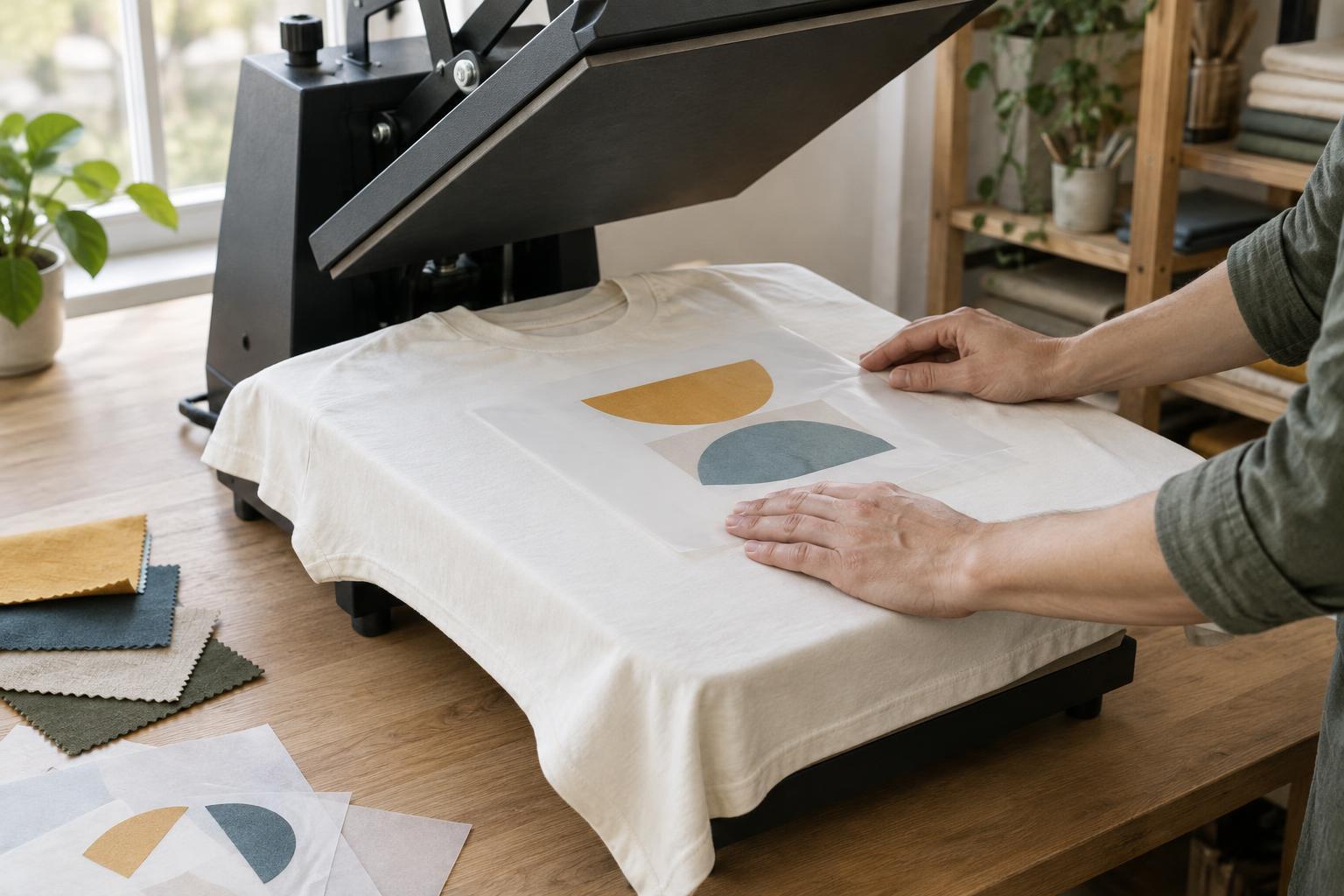
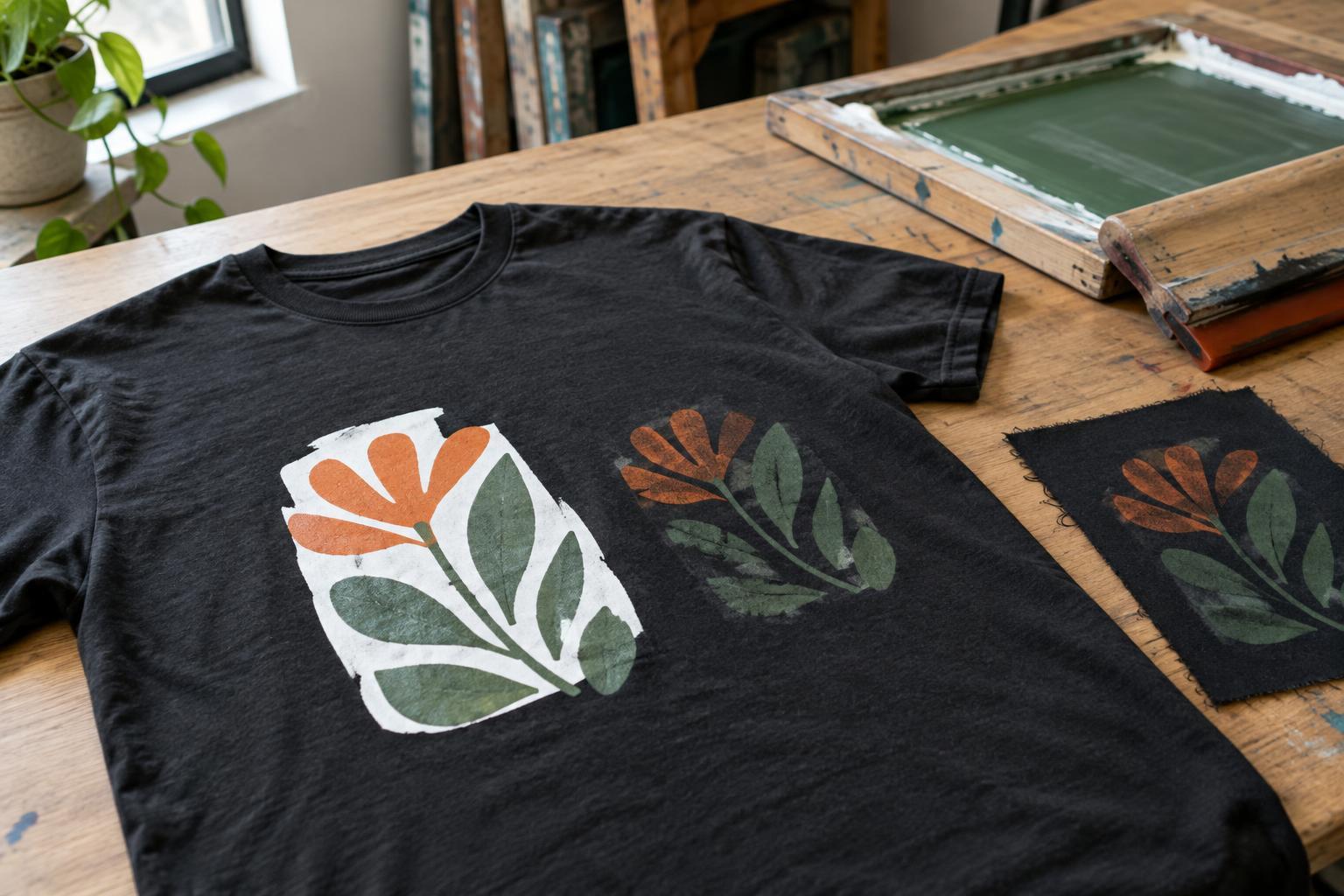
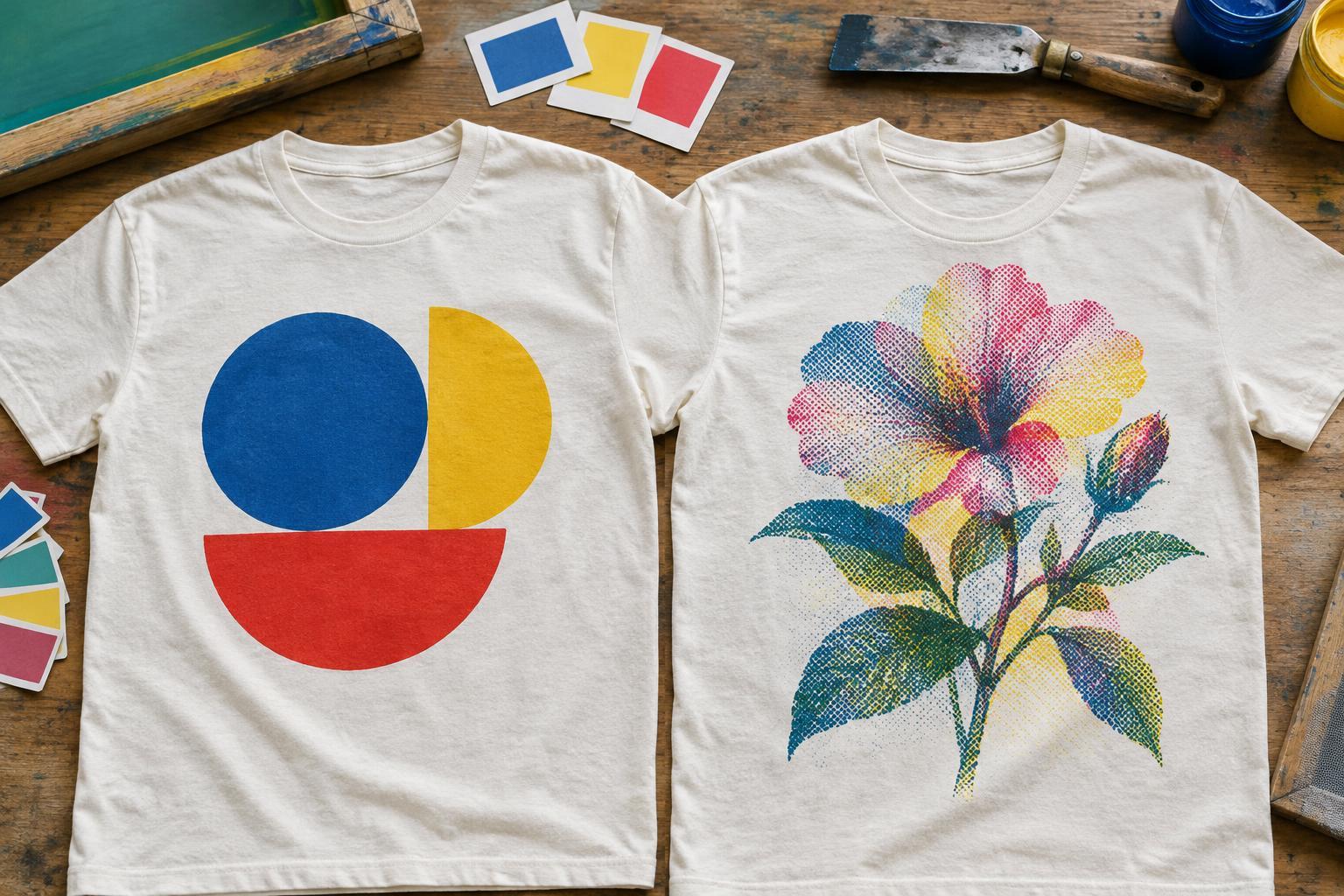
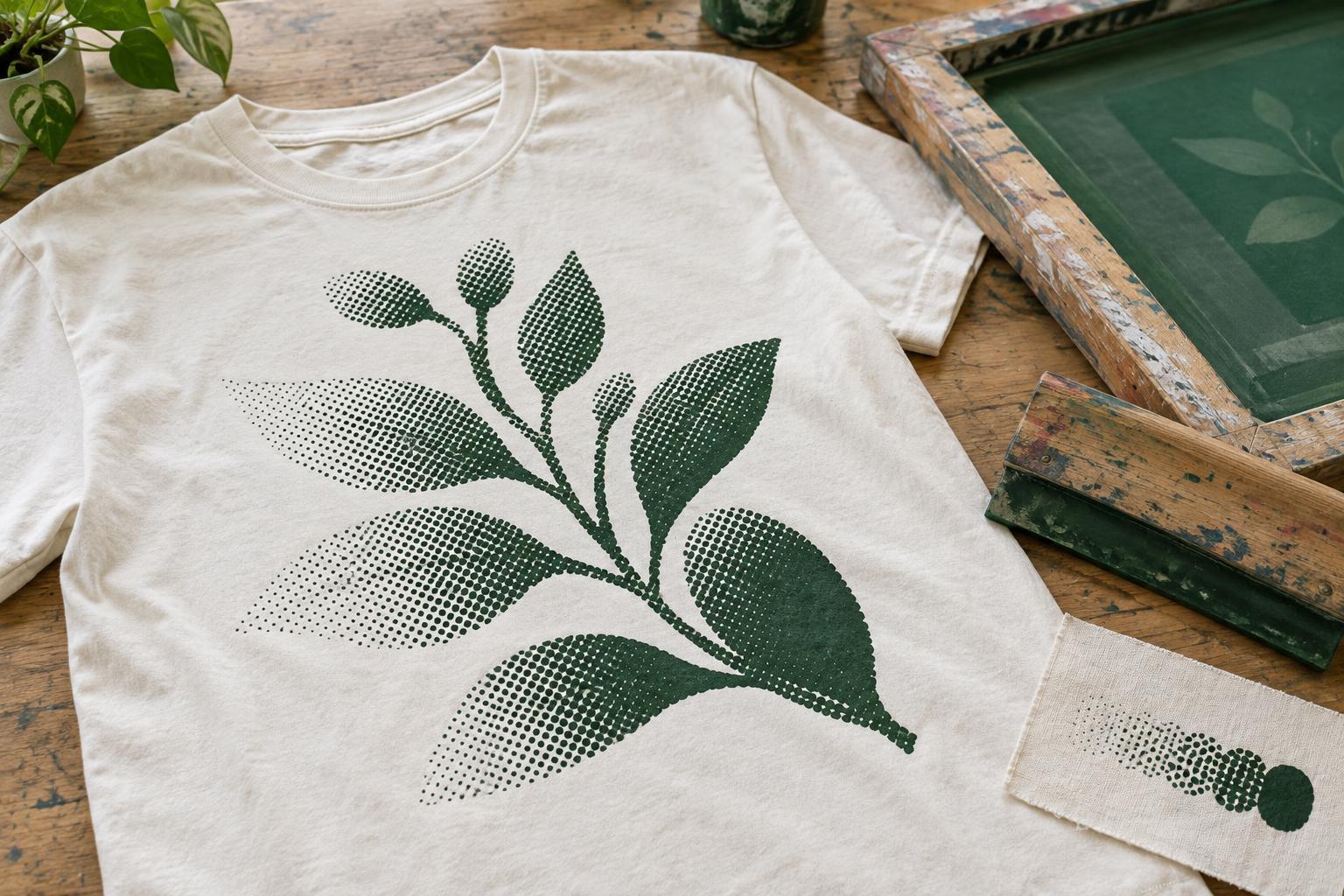
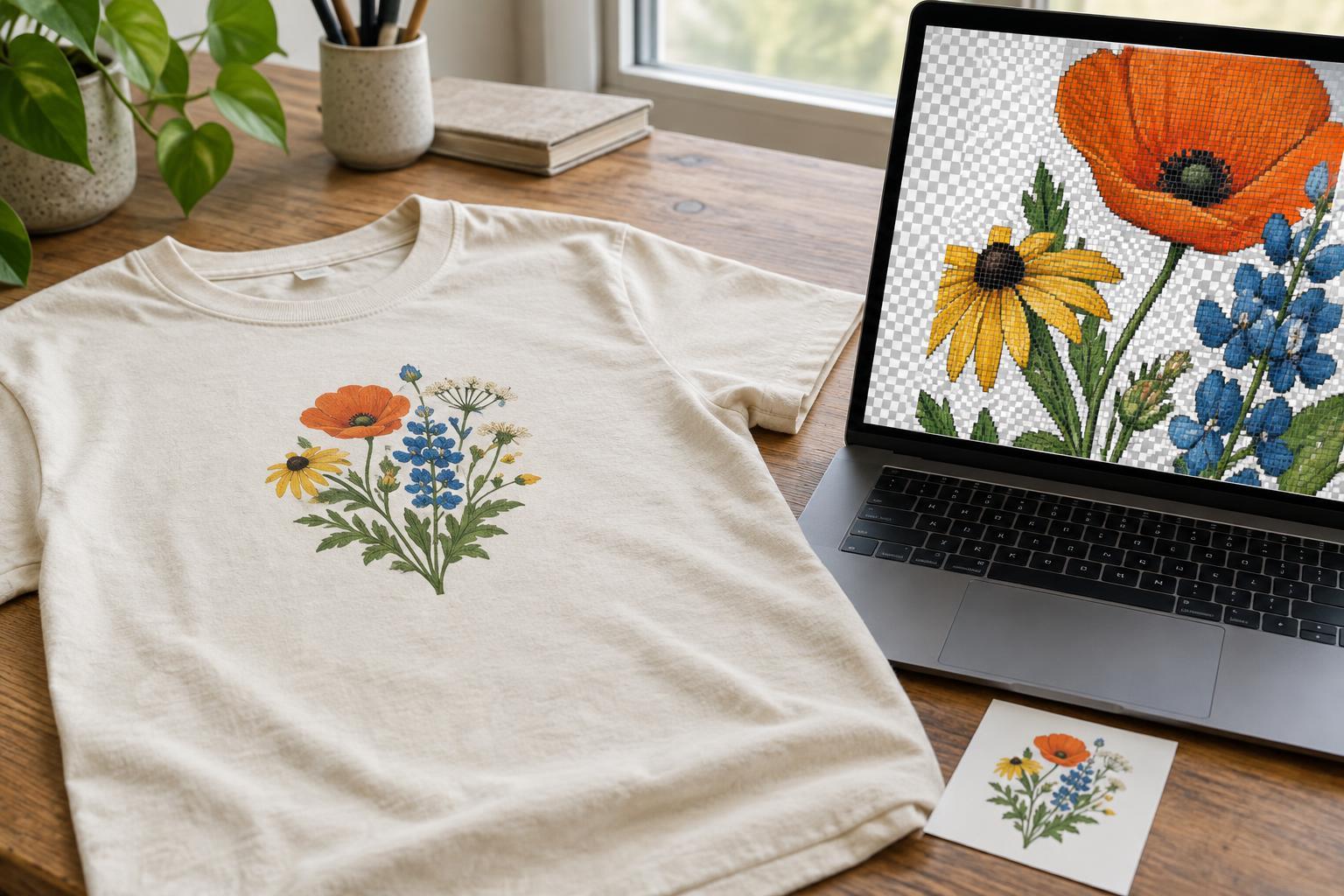
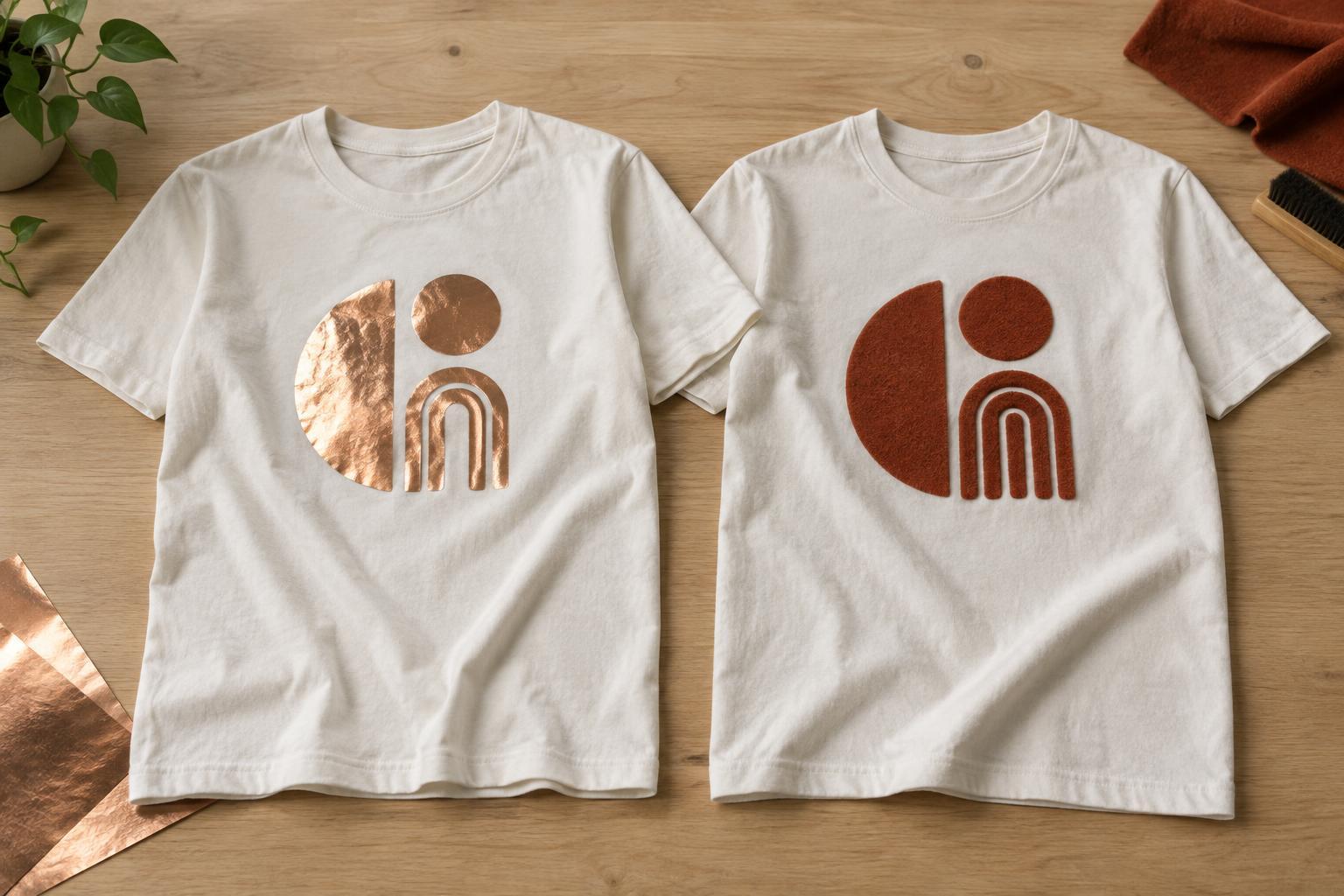
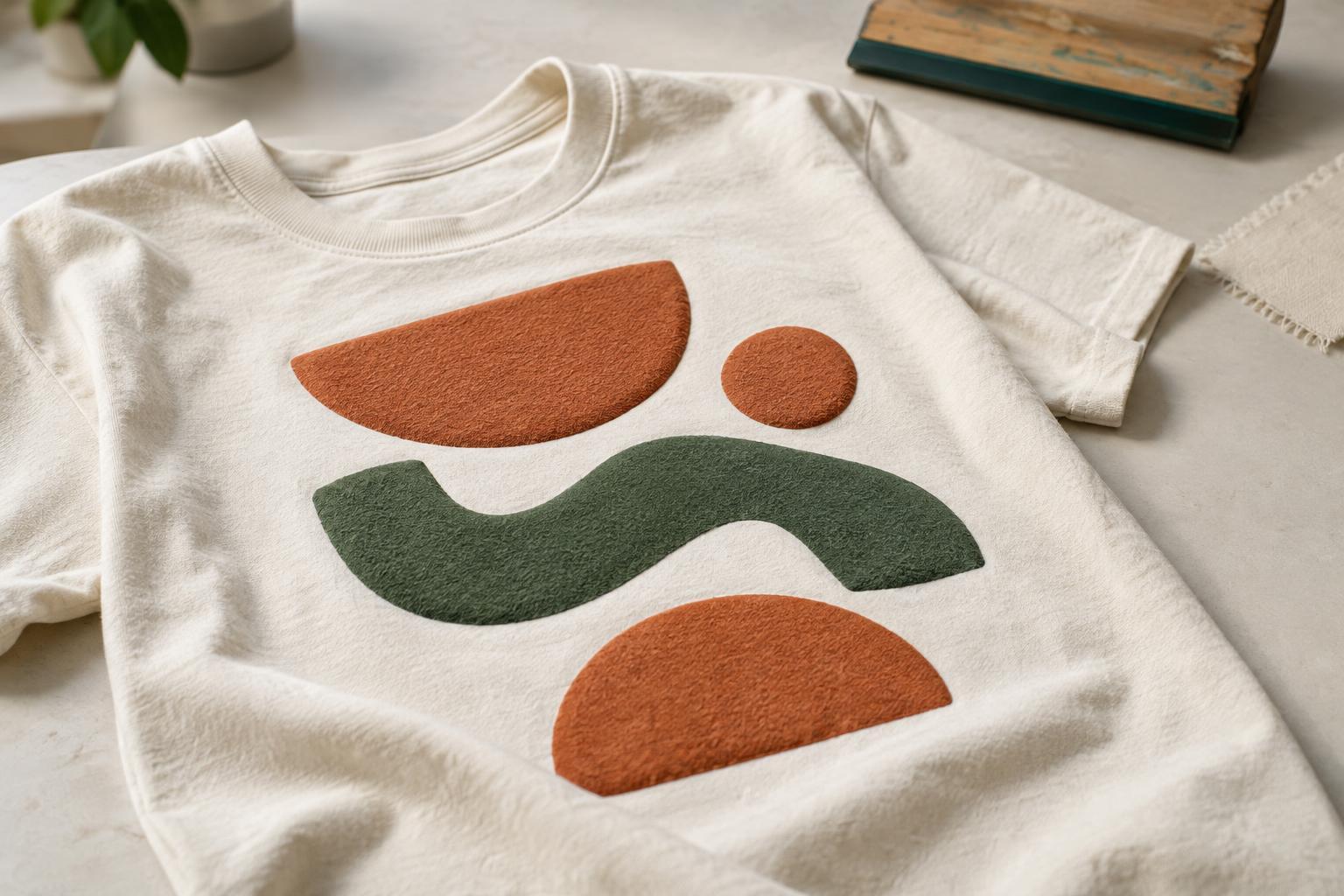
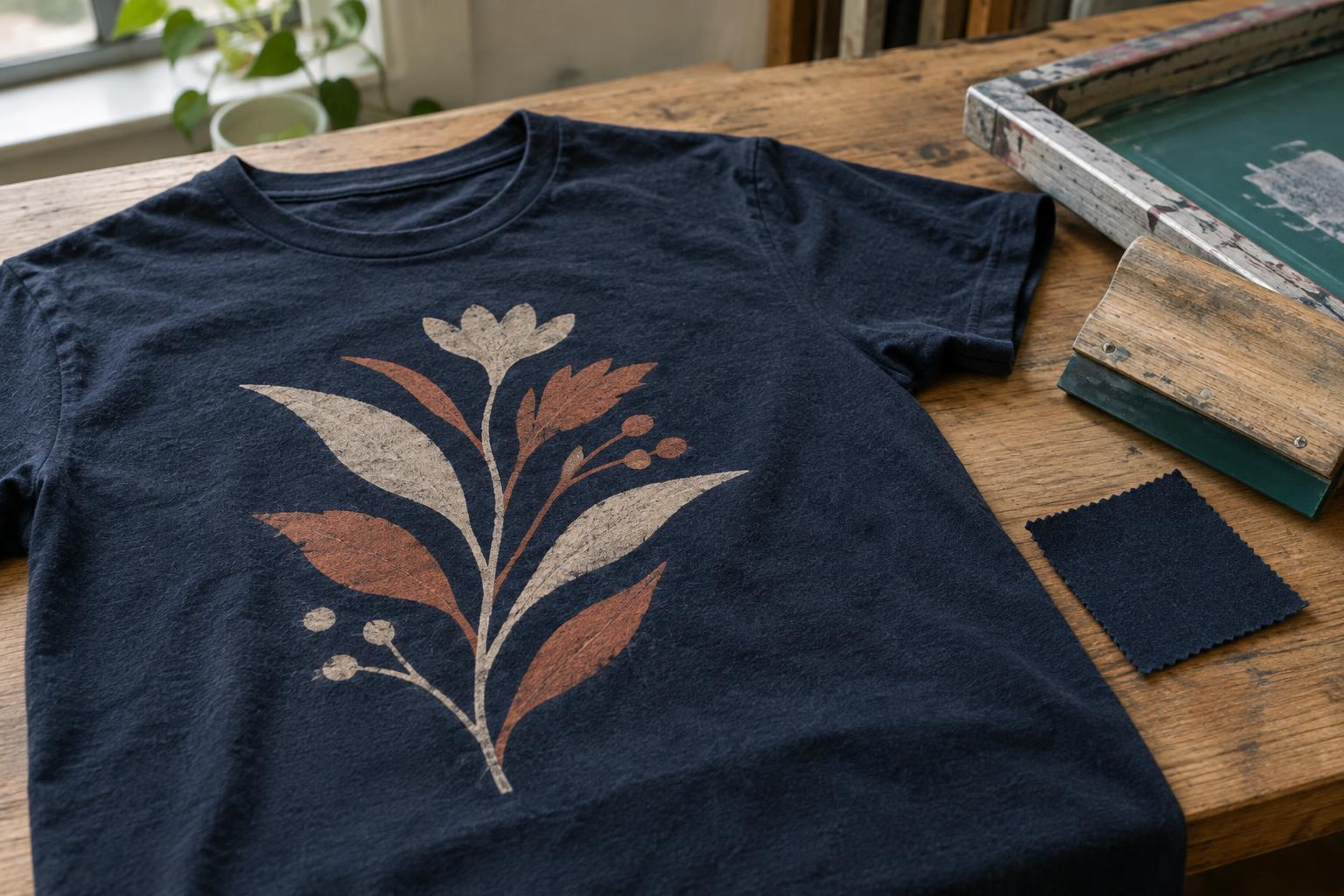
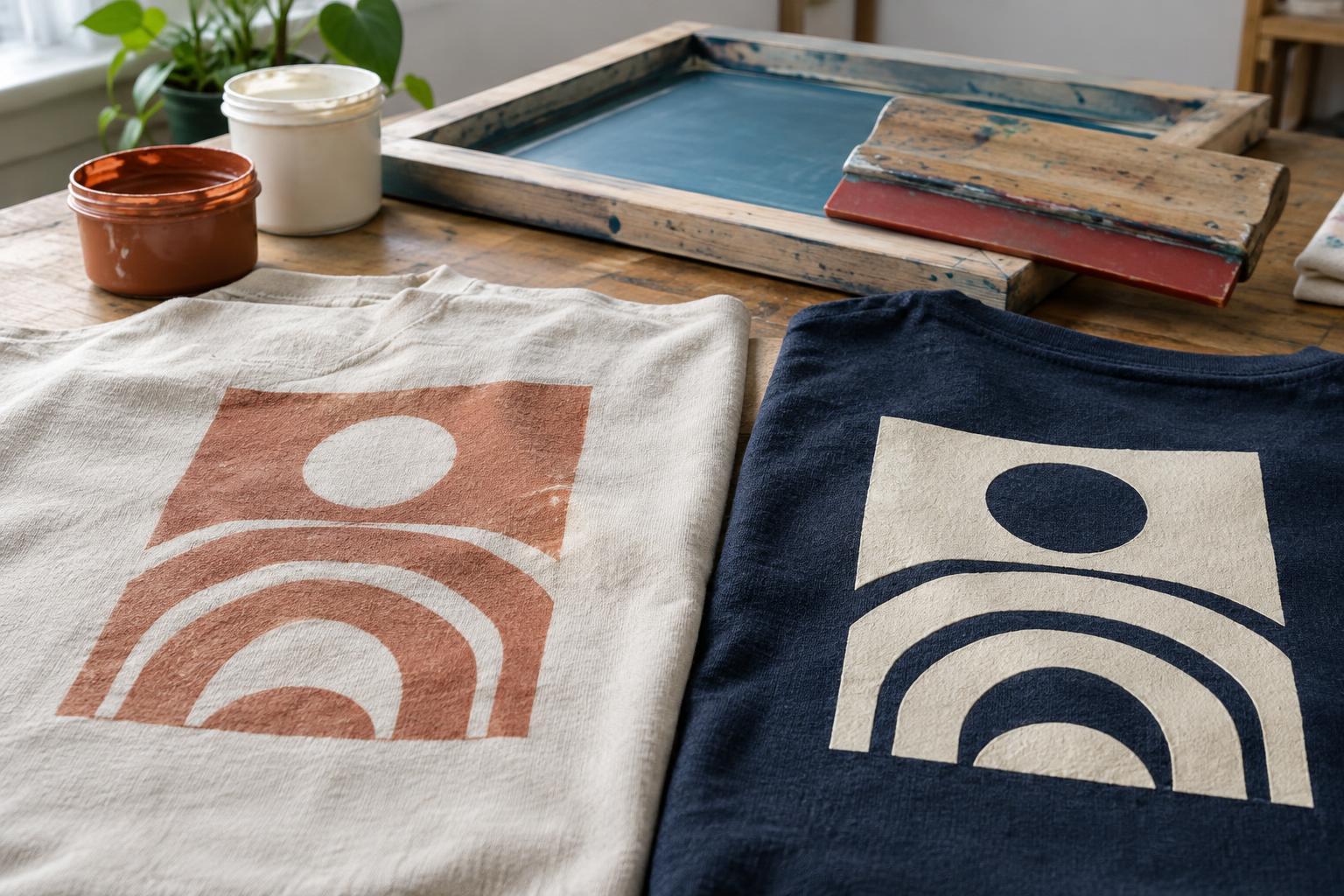
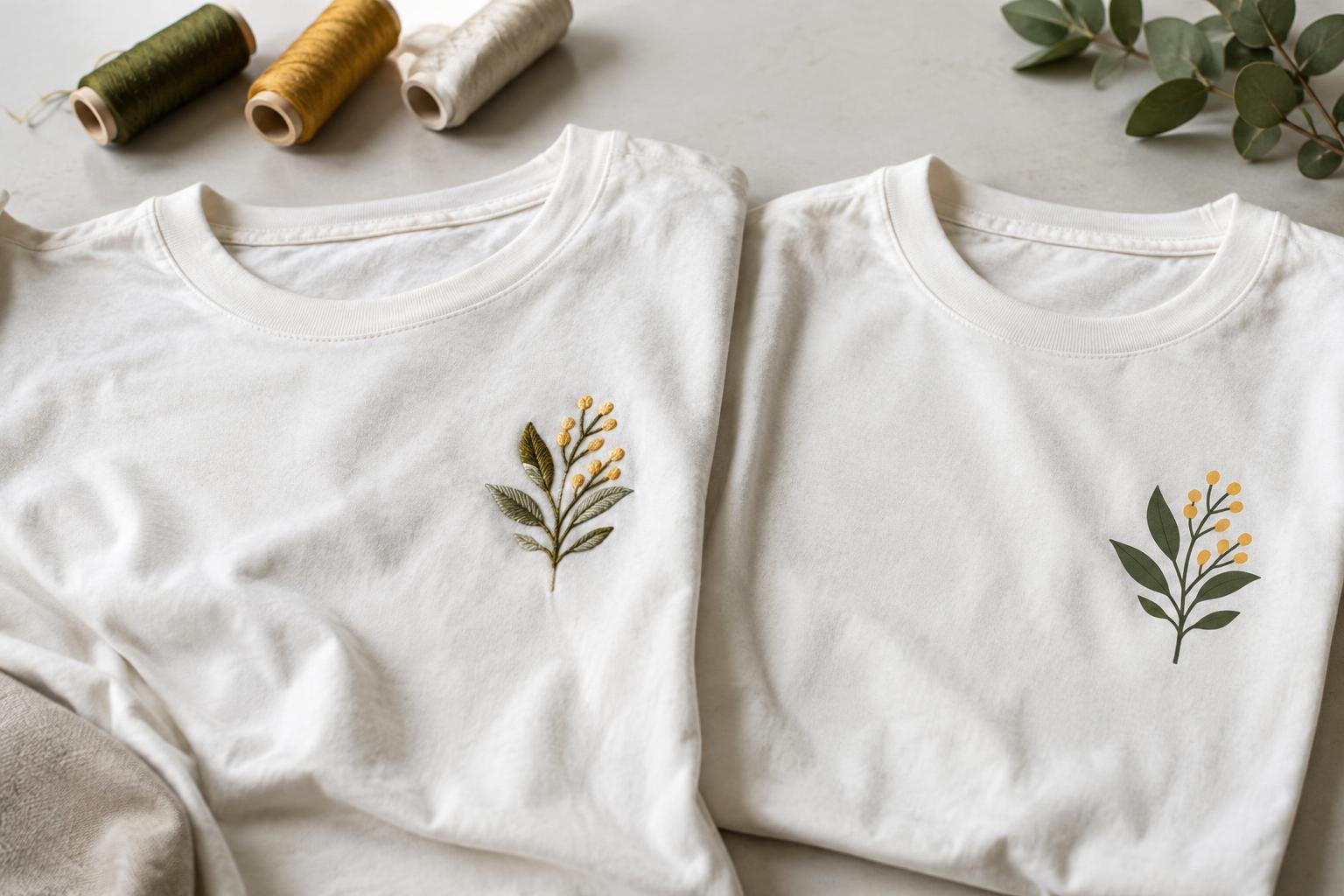
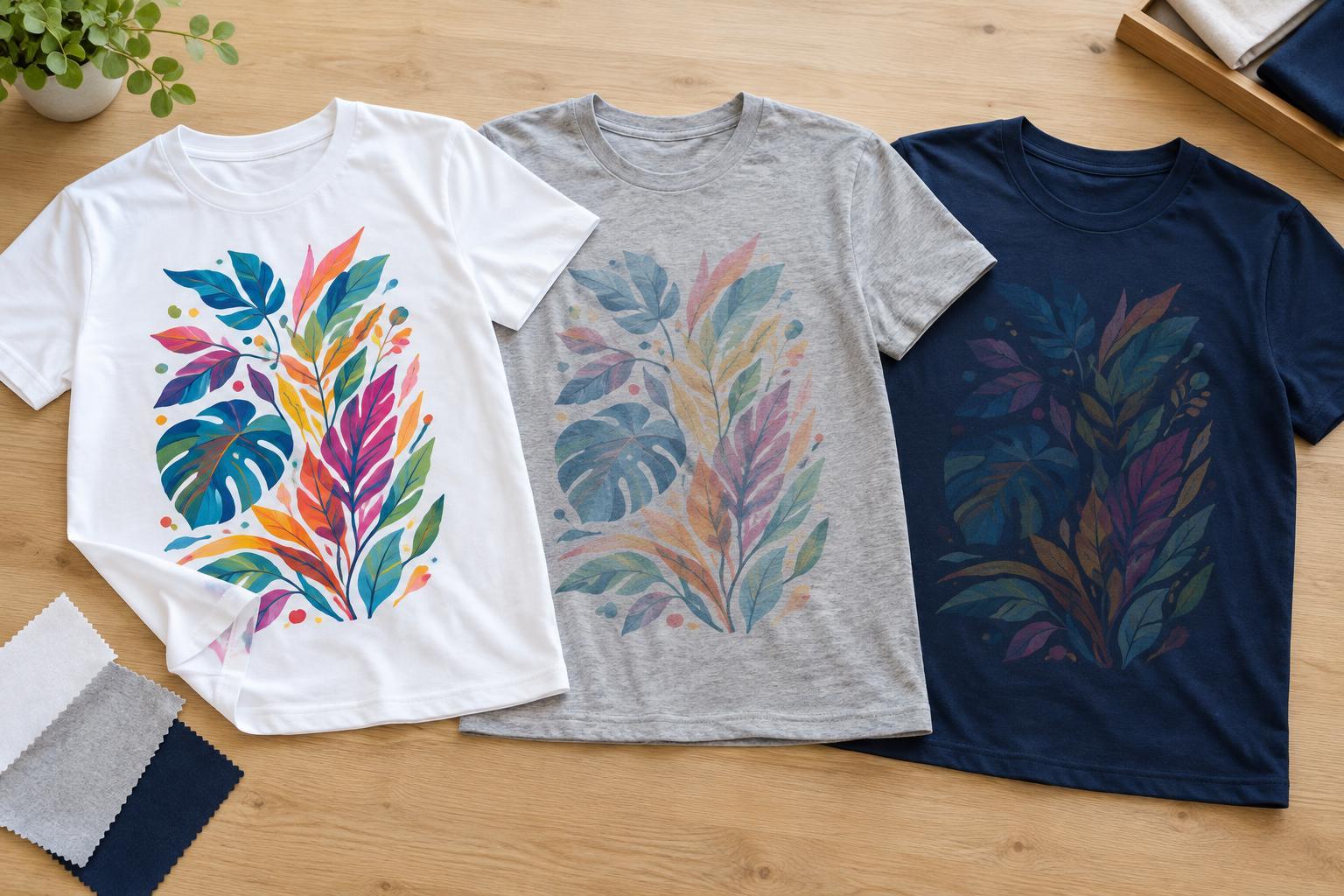
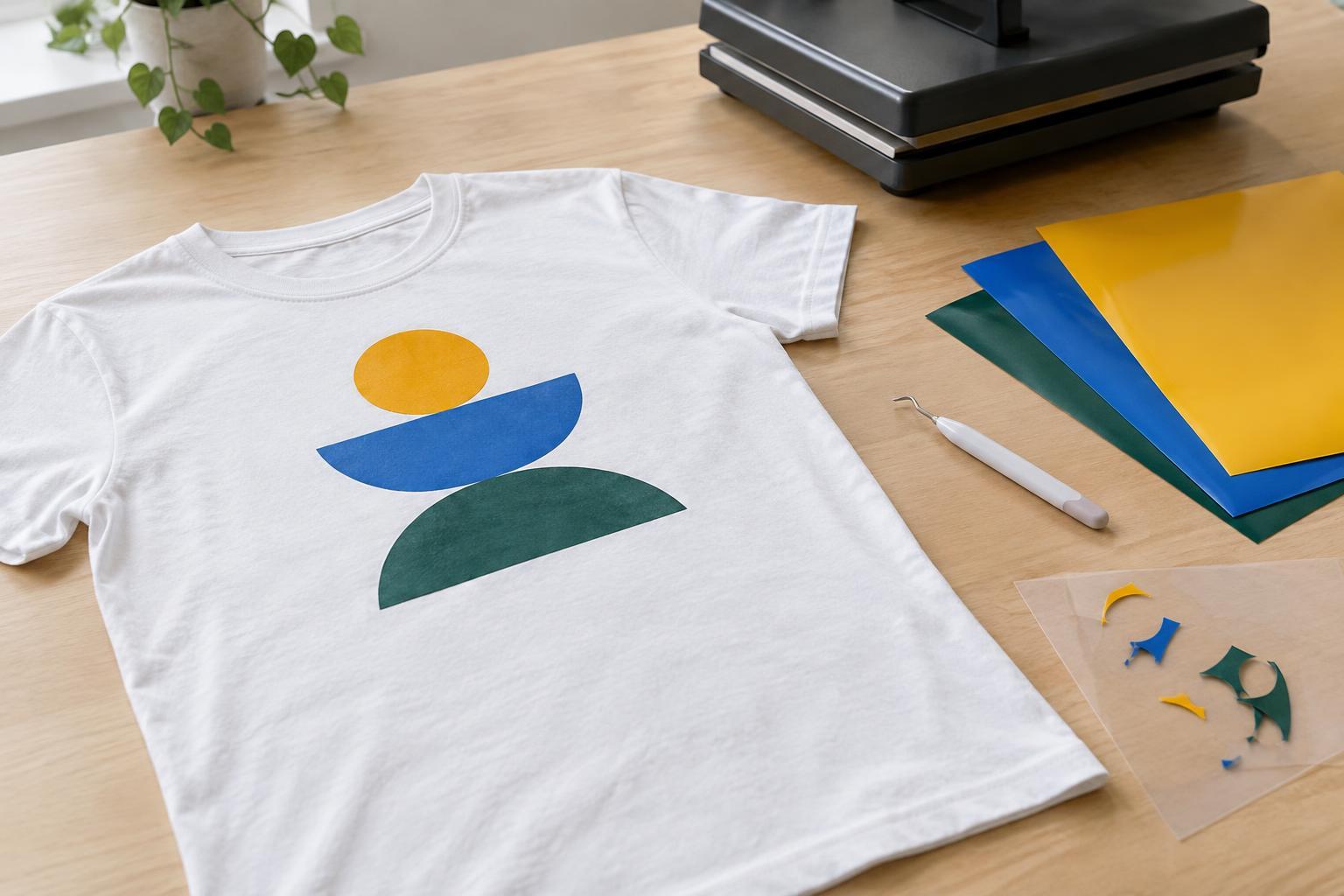
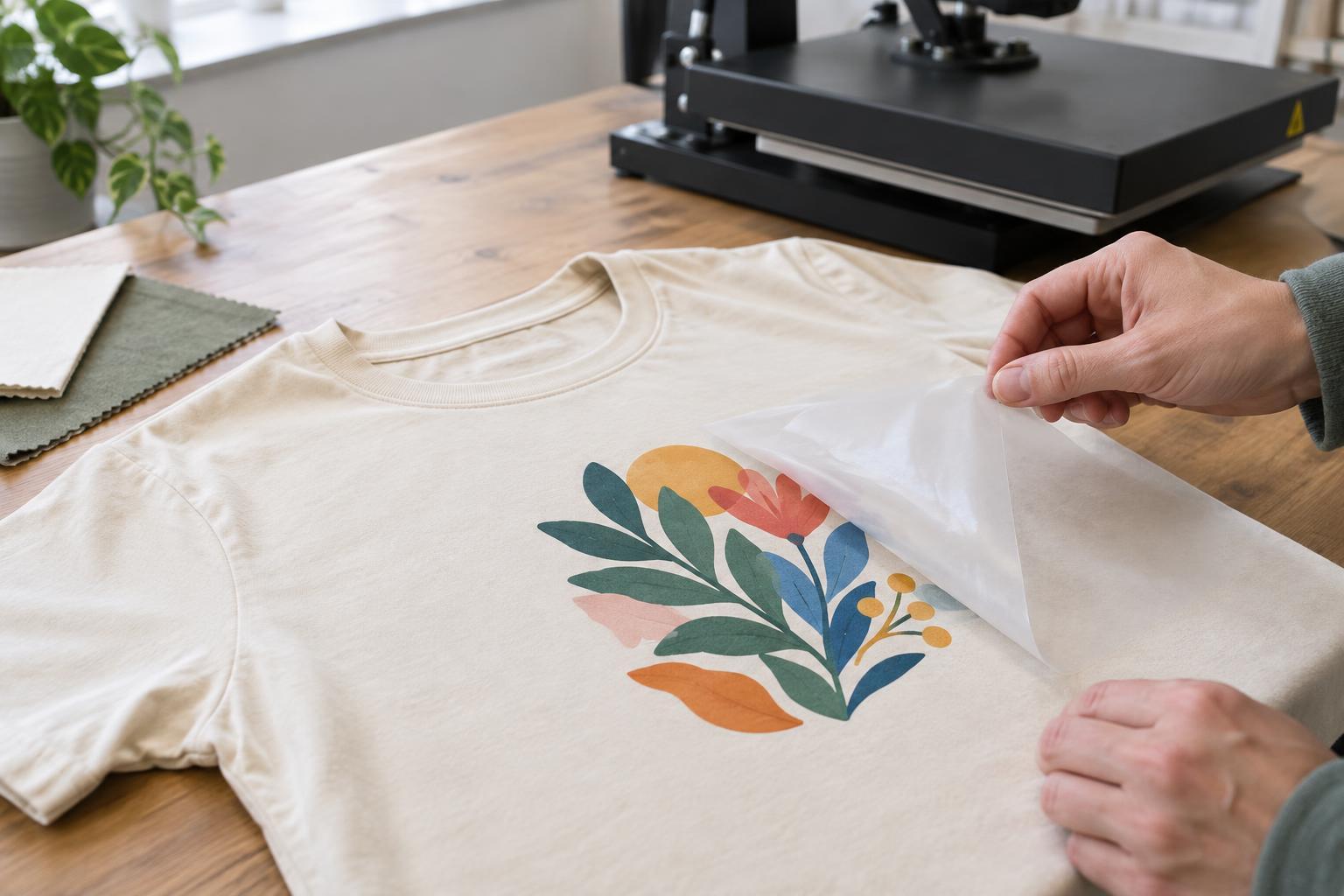
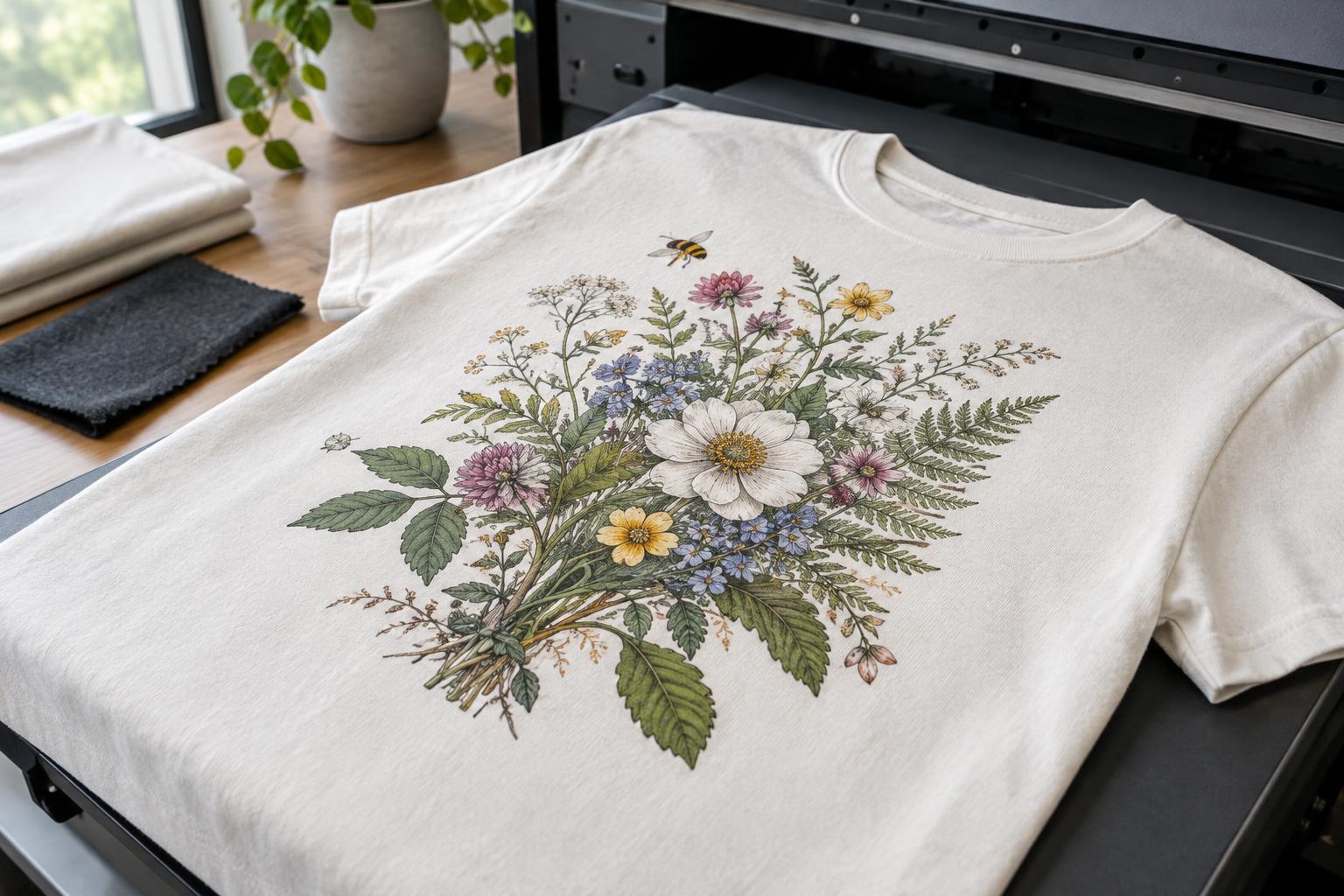
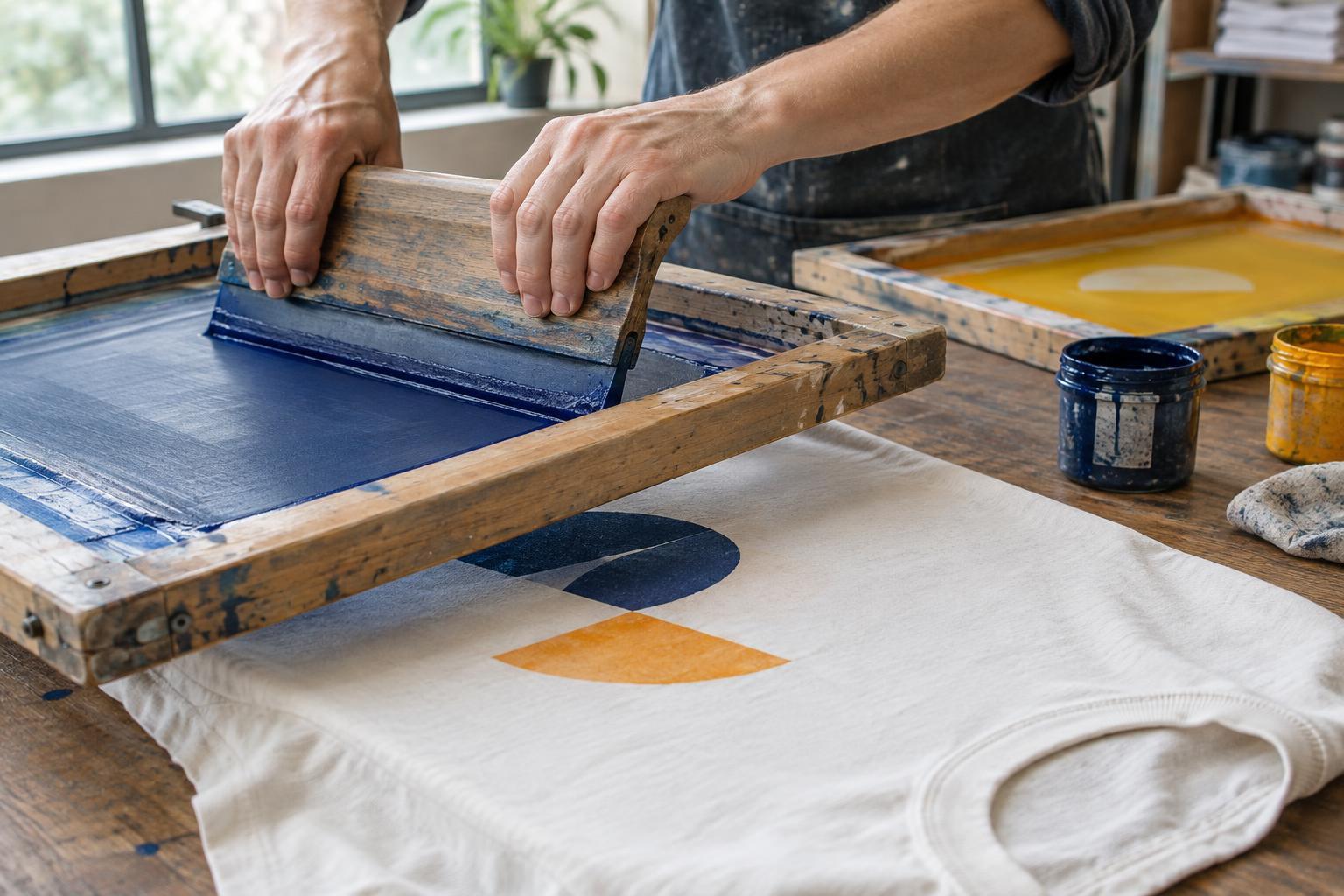
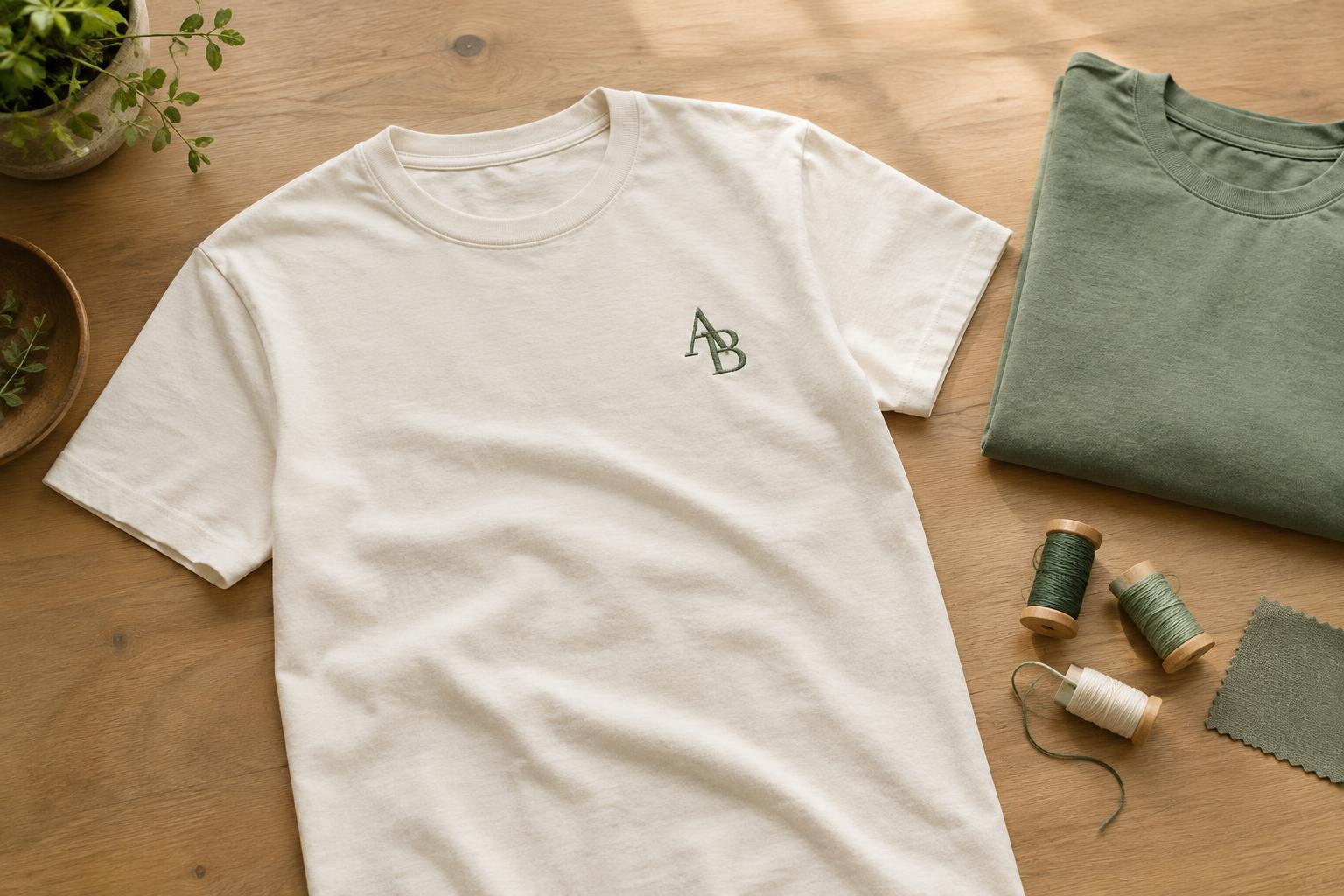
Screen printing, direct-to-garment printing, heat-transfer approaches and embroidery solve different design problems. Screen printing builds an image through separate applications of ink and can make sense for artwork with clear colour areas. Direct-to-garment methods can accommodate detailed images, although the character of a result depends on the artwork, garment and production choices. Transfers place a prepared design onto the fabric, while embroidery uses thread and brings its own texture and limits on tiny detail. These are broad comparisons, not promises about how a particular order will look or wear.
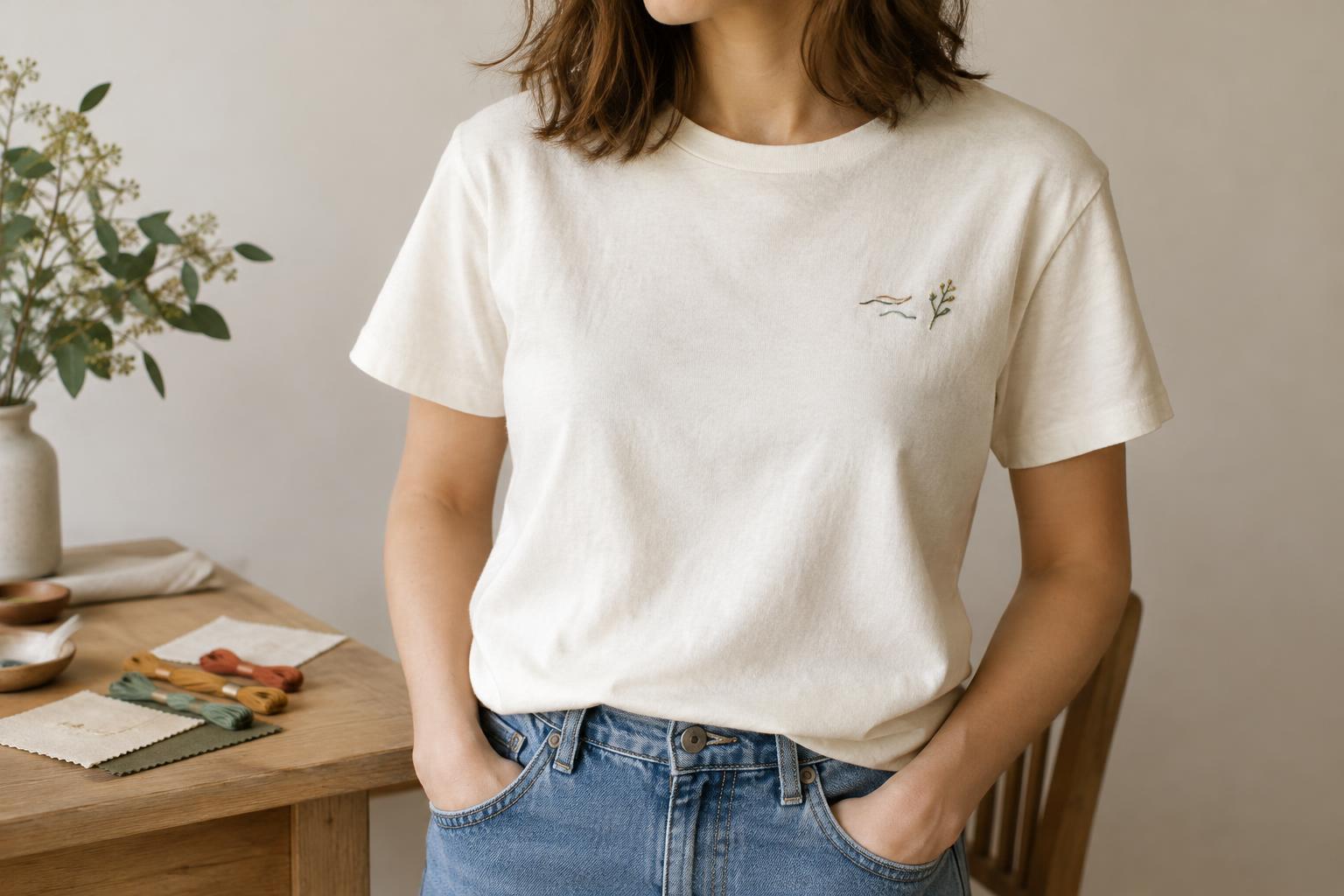
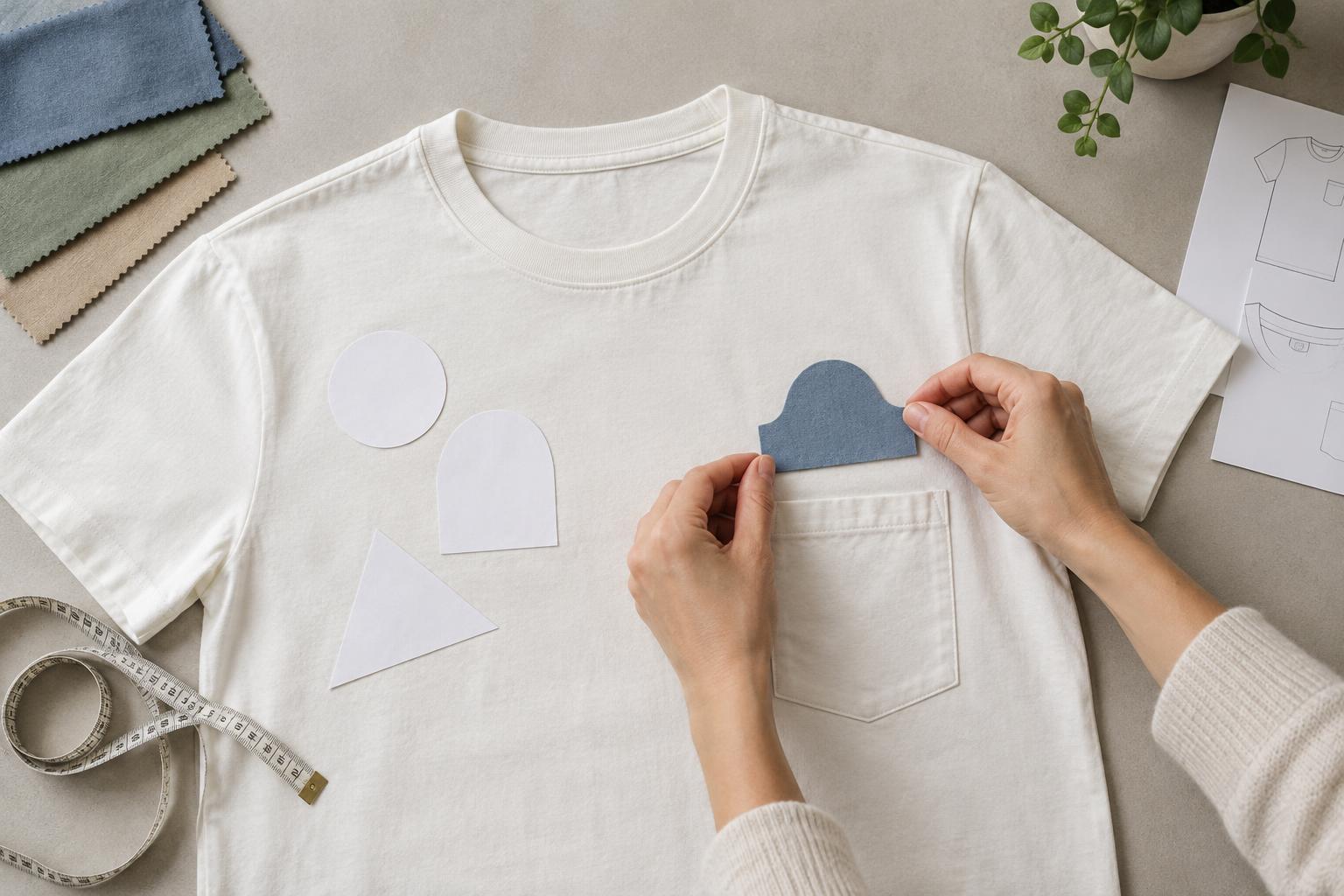
Ask practical questions before settling on a method: How many colours are essential? Does the image rely on a soft photographic transition, precise small lettering or a deliberately raised texture? Would a stitched symbol suit the design better than a printed paragraph? Placement matters too. A compact motif near a pocket area has a different balance from a full-width image, and a design close to a seam may need extra consideration. Requesting specifications or a sample from a chosen producer is more useful than assuming every technique behaves the same way on every fabric.
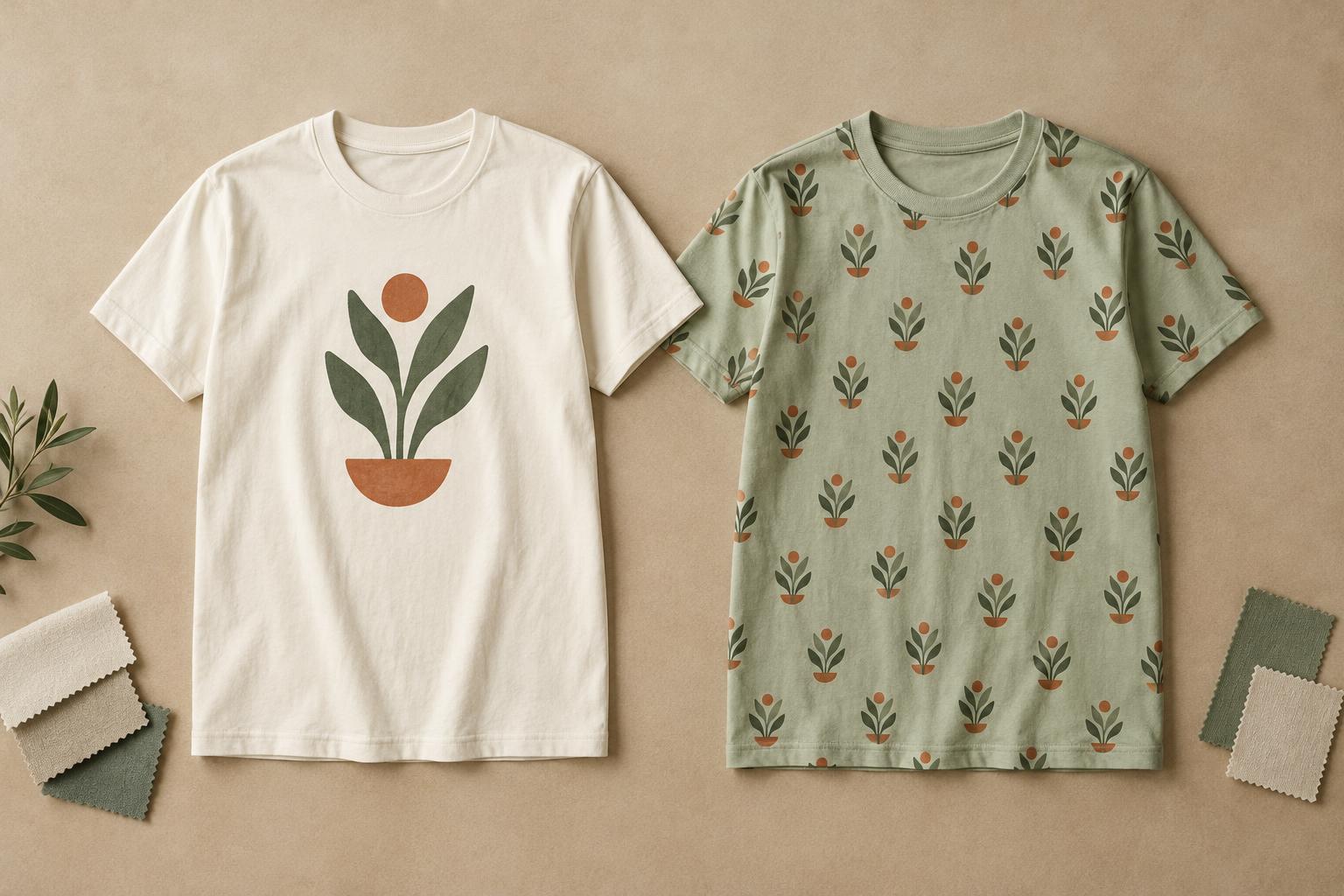
Decoration affects styling after the shirt is made. A strongly coloured front graphic may look best with a scarf whose colour appears only as a small accent, rather than with another large competing motif. Conversely, a simple embroidered mark leaves space for a generous wrap or a lively square scarf. Treat the accessory as part of the composition: it can frame the neckline, soften an outfit’s contrast or draw the eye away from a graphic when the occasion calls for a quieter look.
Let fabric and fit do their share of the work
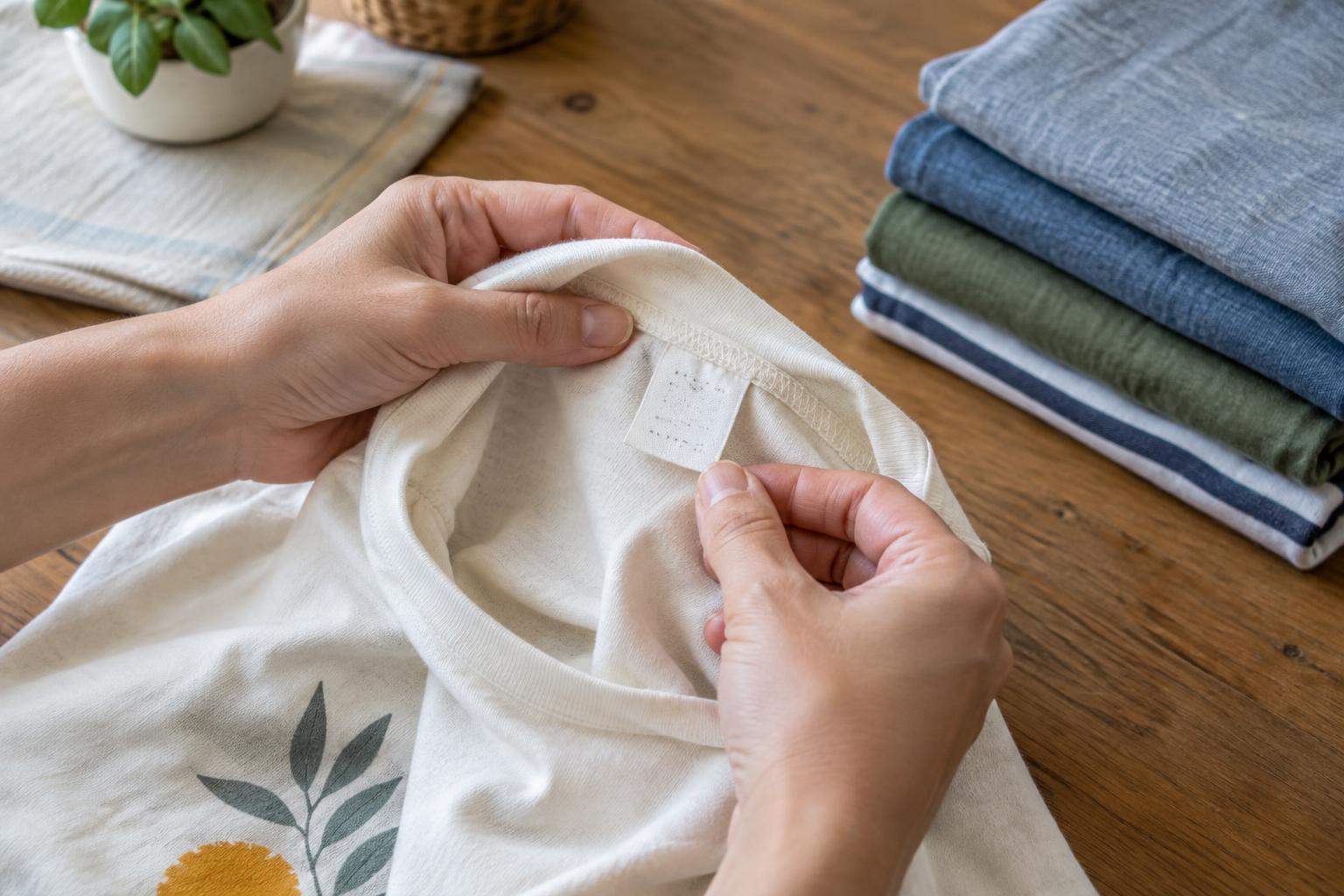
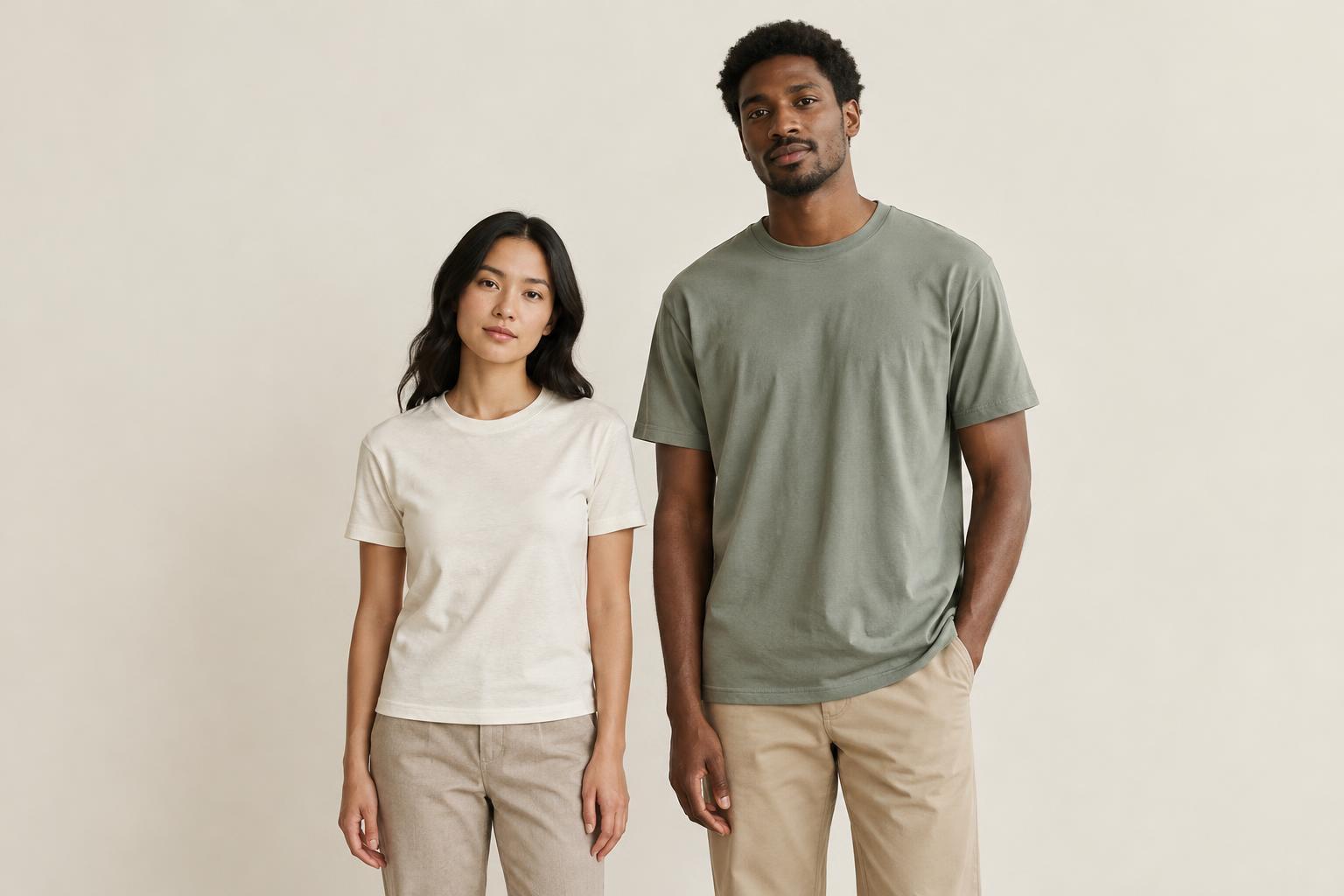
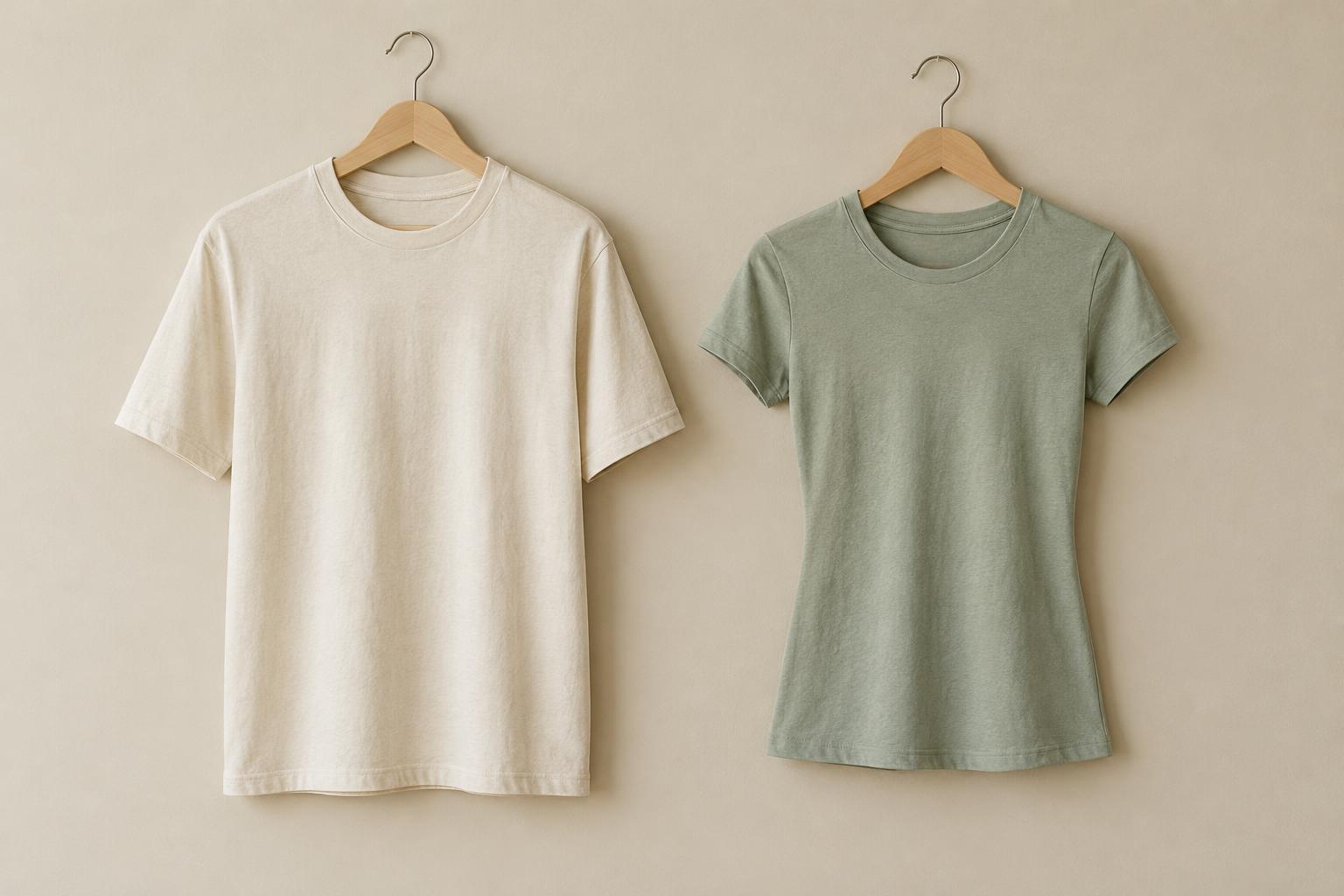
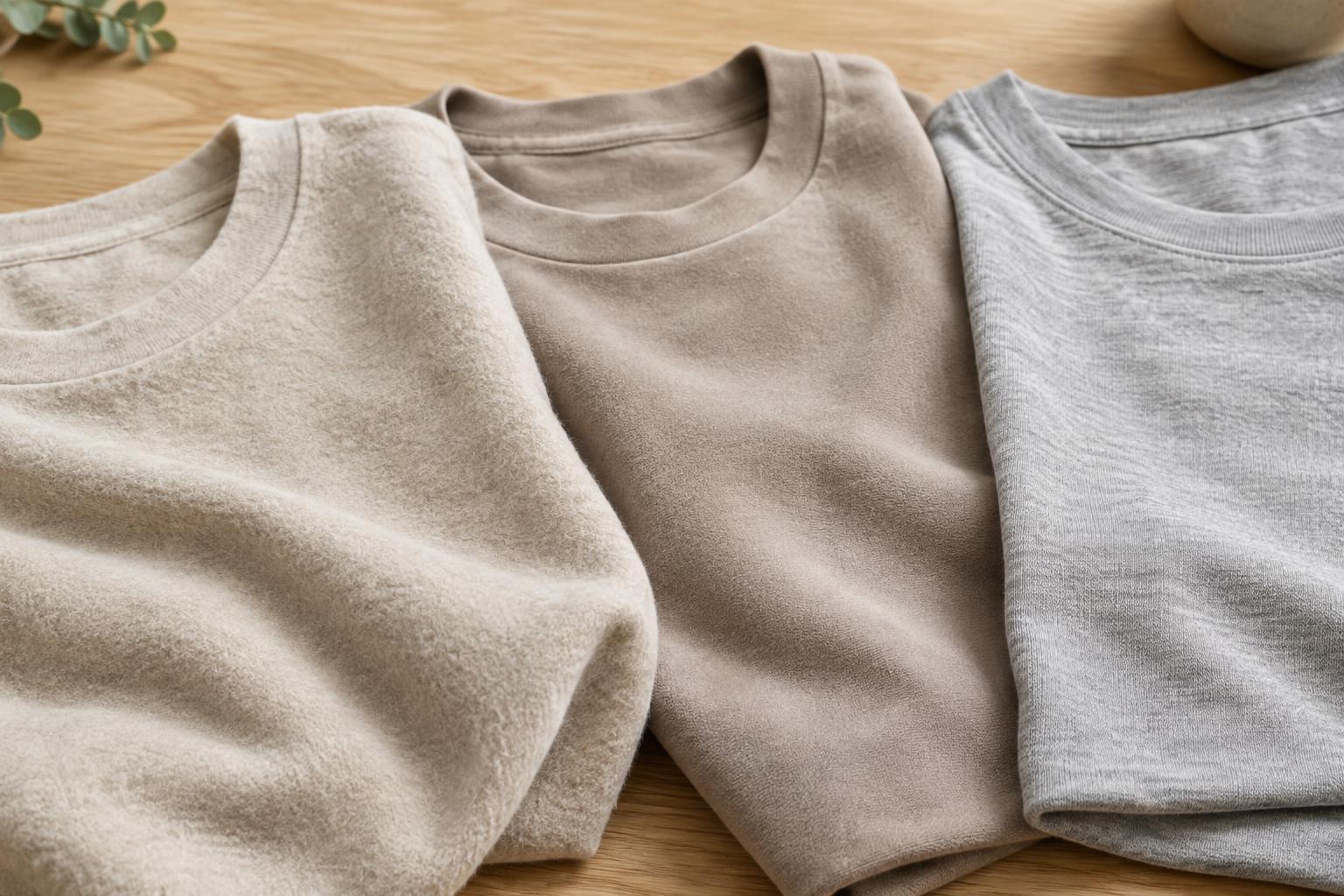
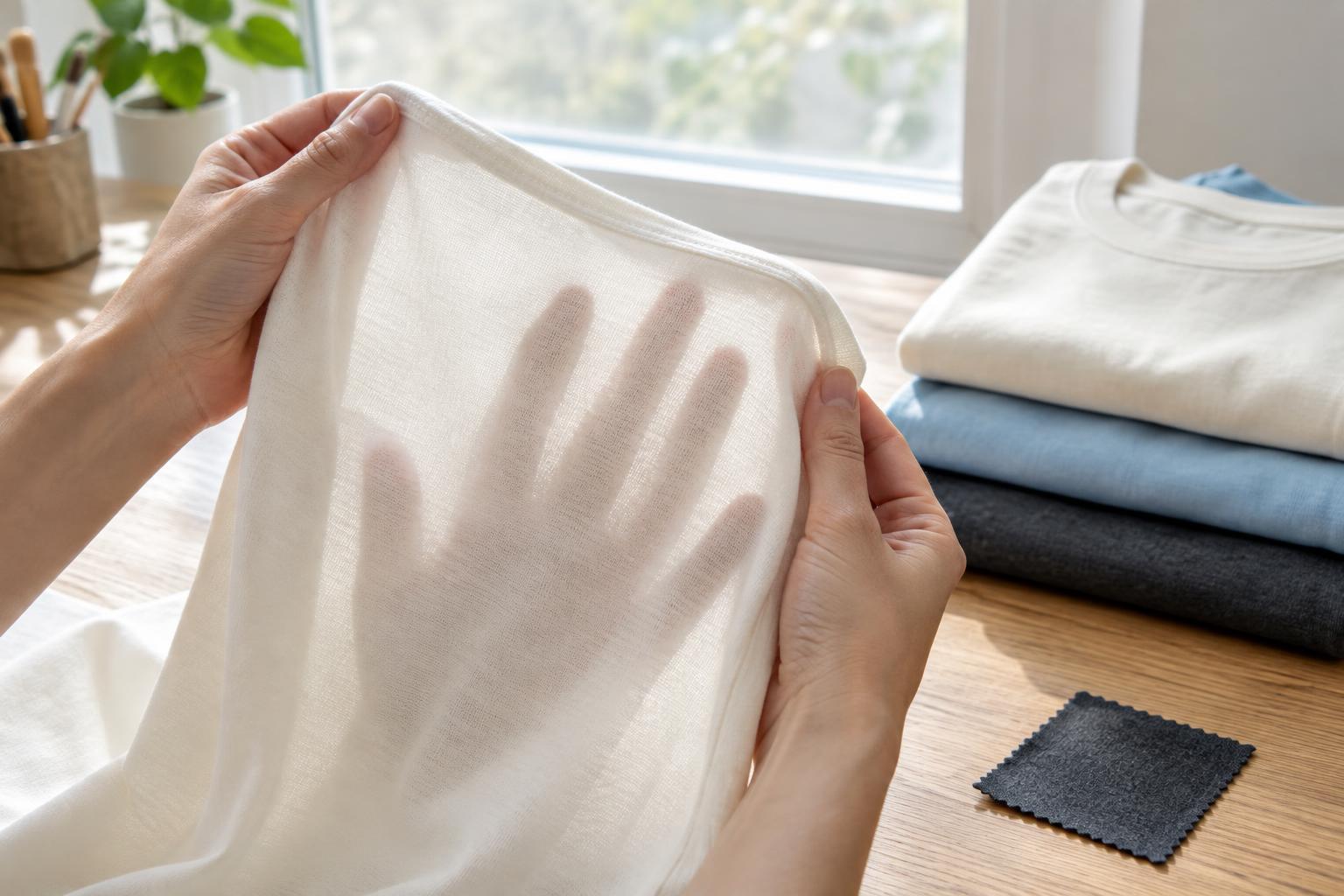
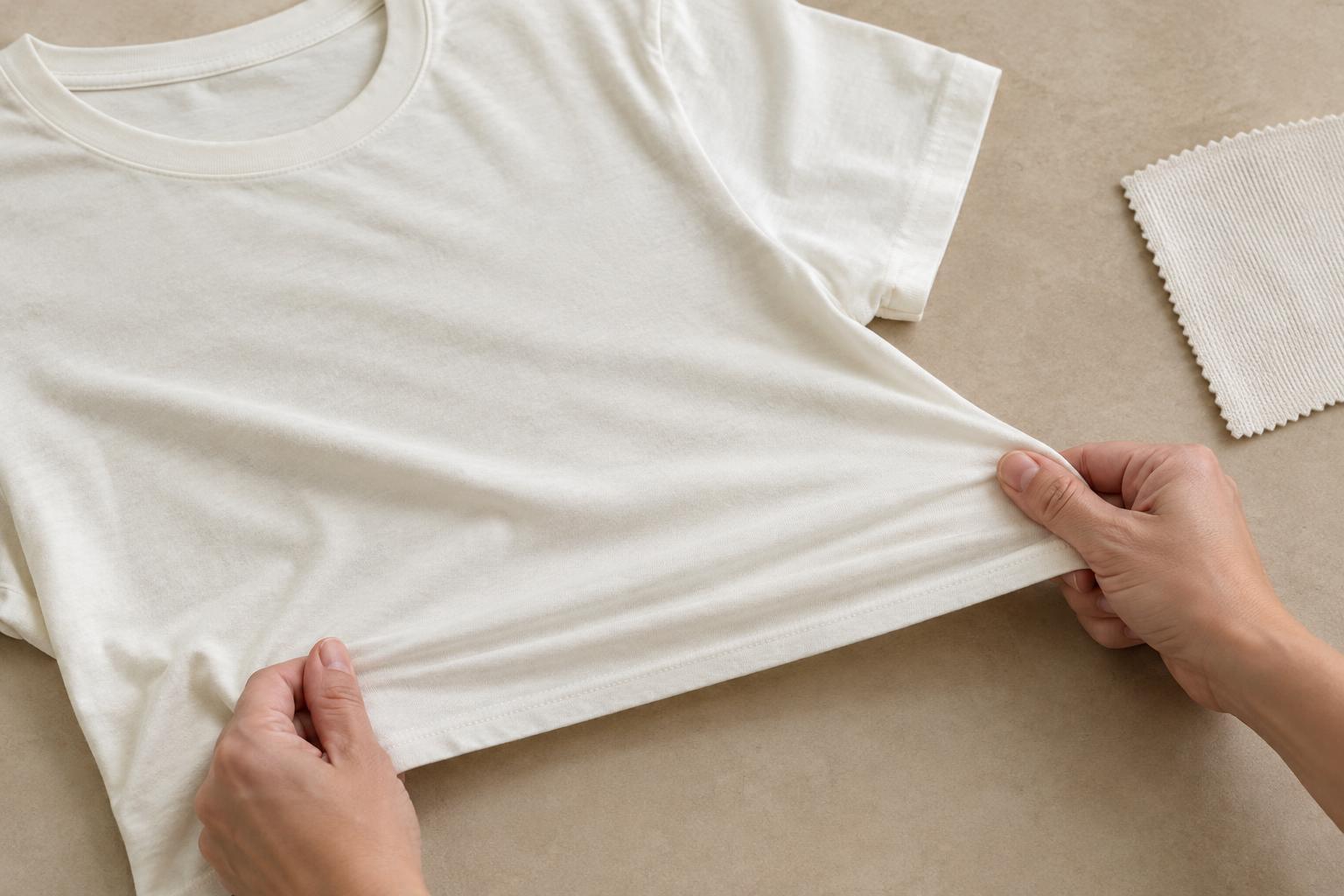
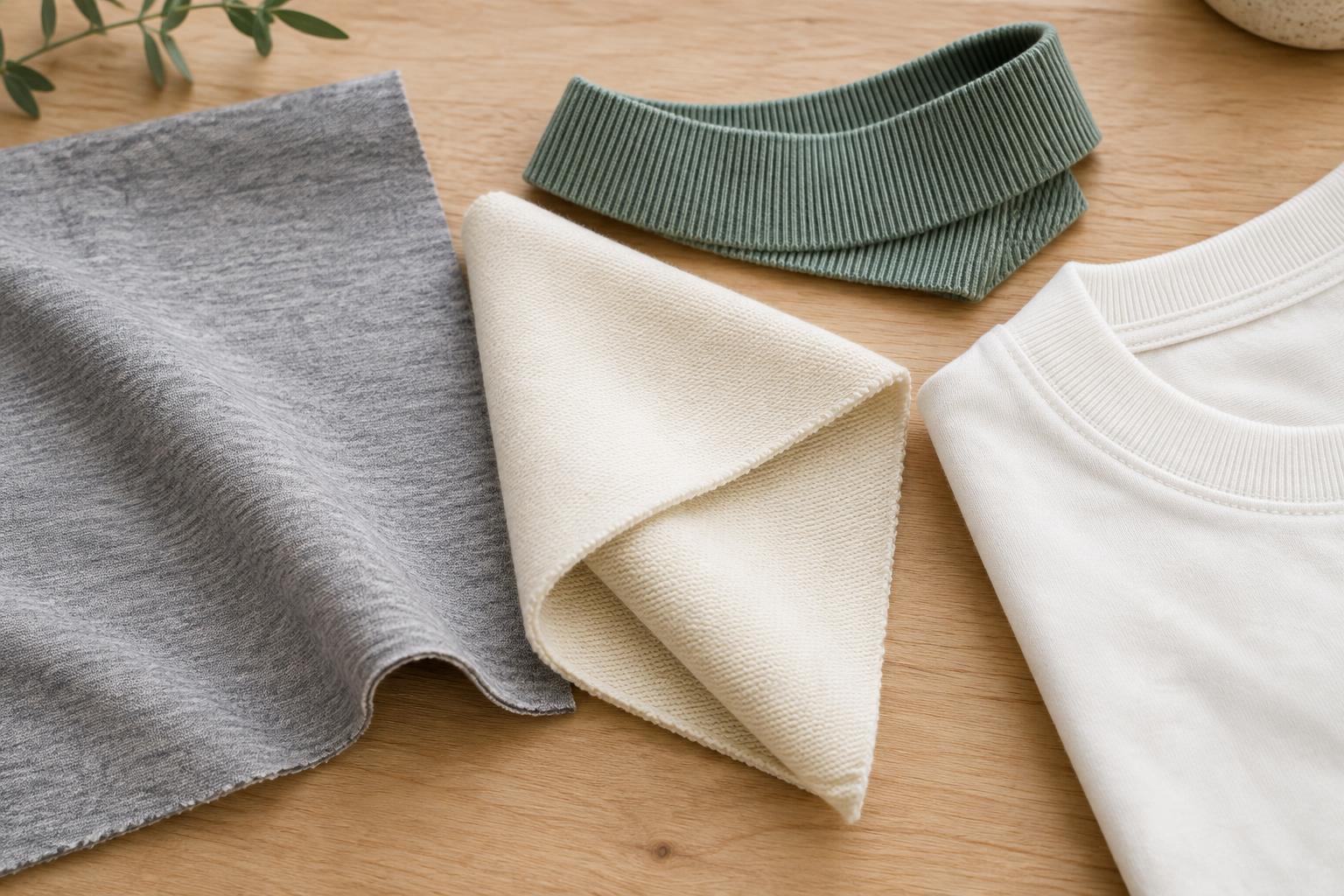
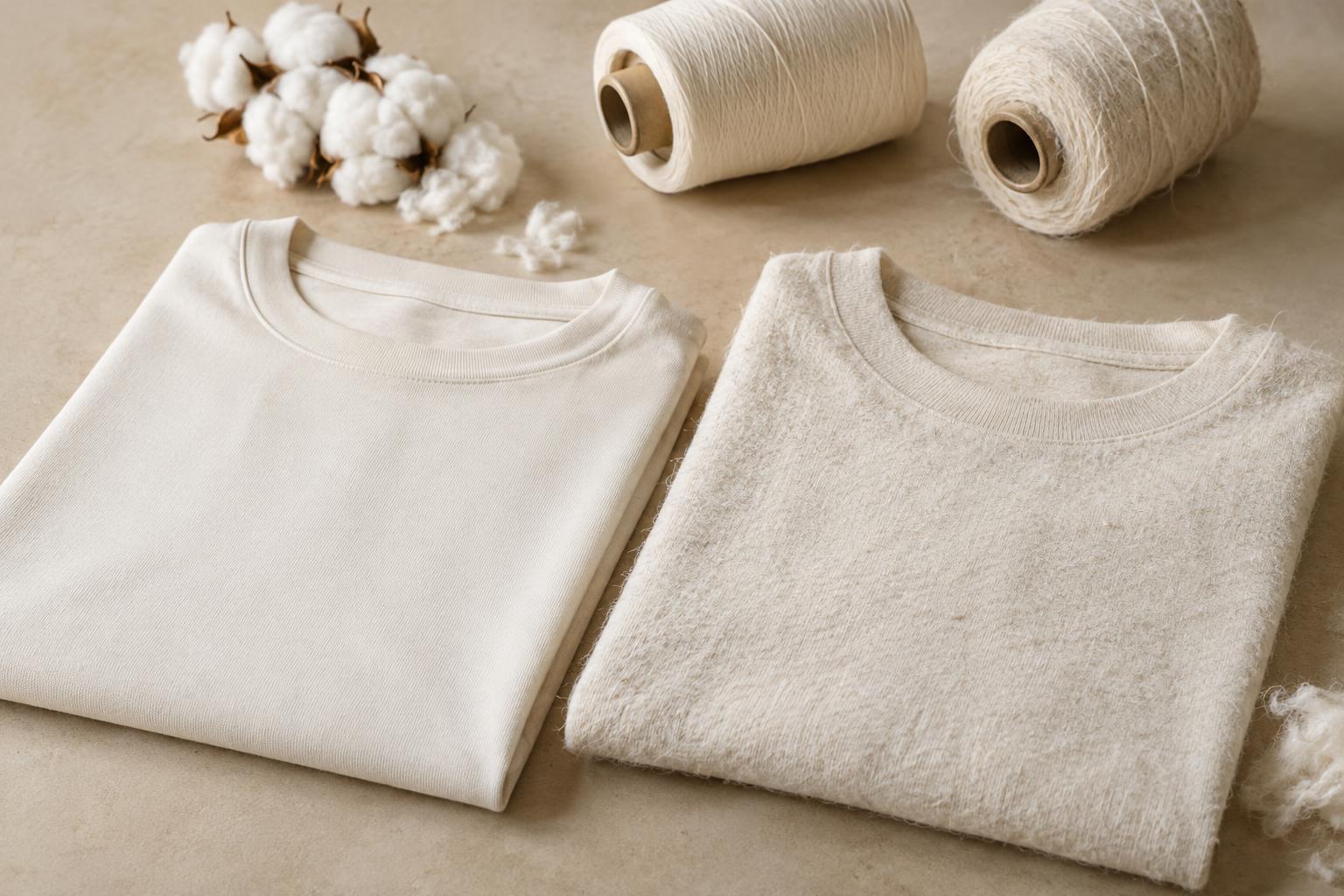
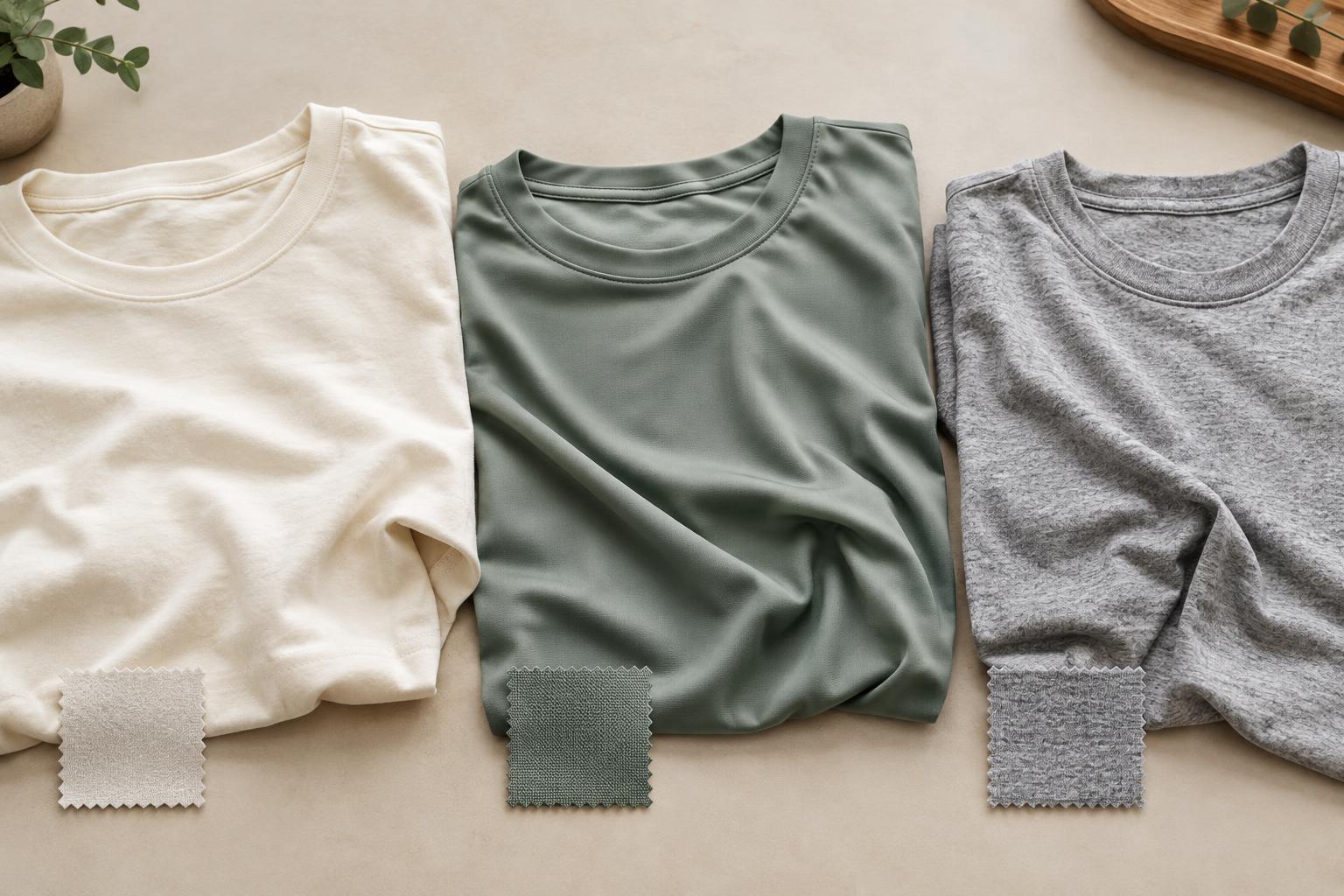
A good design cannot compensate for a shirt that feels wrong to wear. Cotton is a familiar option for its natural hand, while blends can change drape, stretch and the way a garment holds its shape. Fabric weight influences how substantial a tee feels and how it layers beneath an overshirt or coat. Rather than choosing by fibre name alone, consider the full garment description and the care instructions. A shirt that looks ideal in a product image may behave differently when tucked in, worn loose or layered over another top.
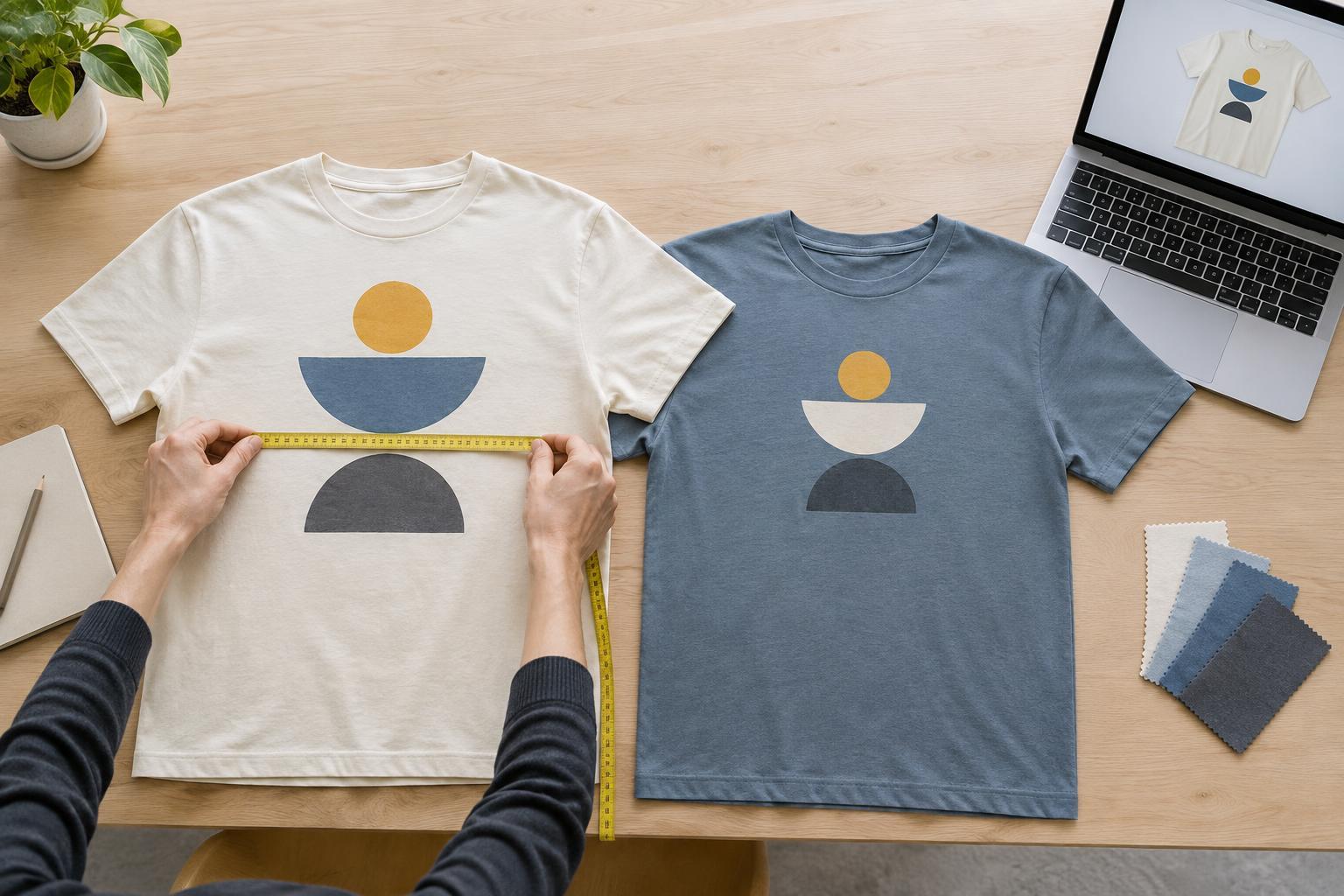
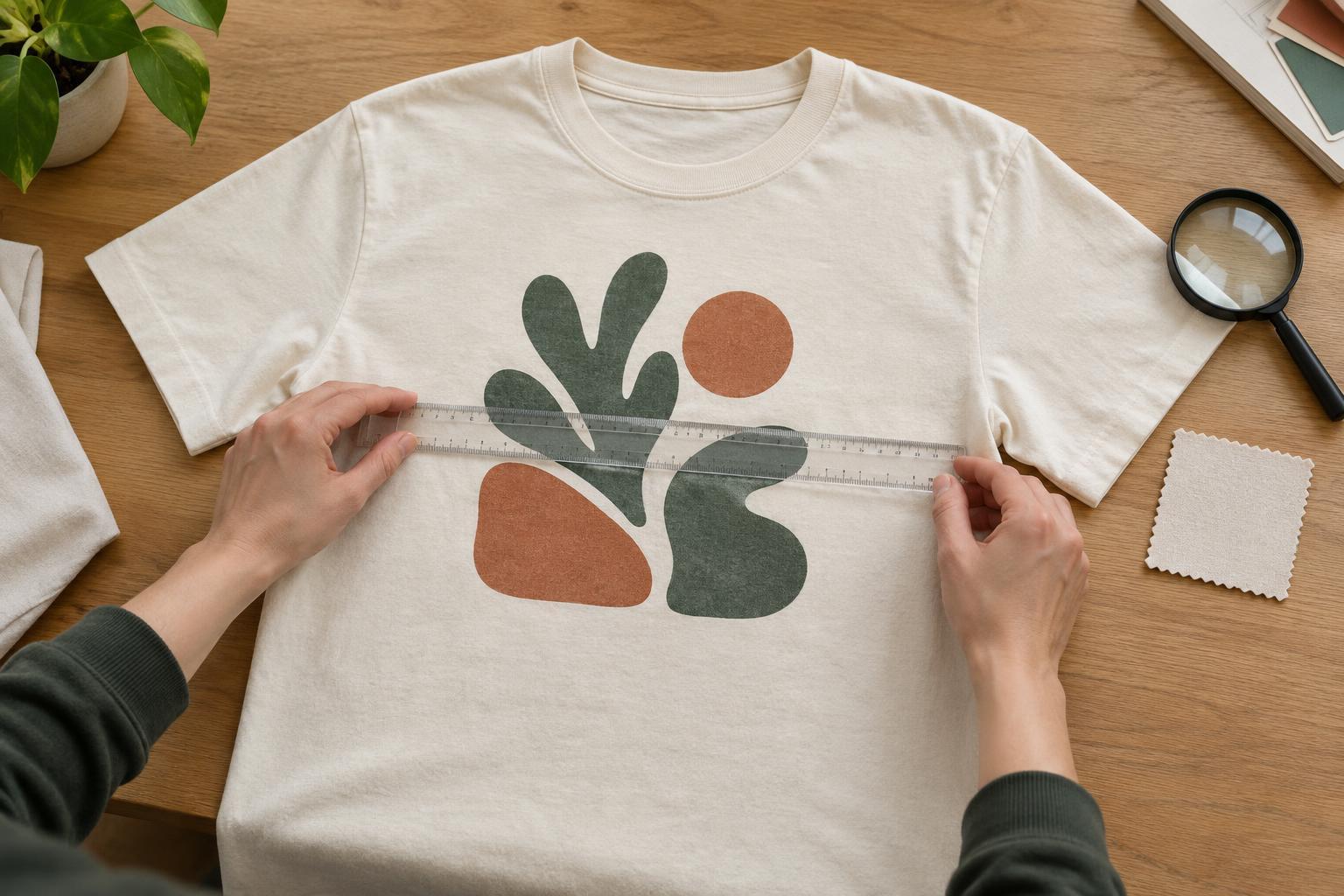
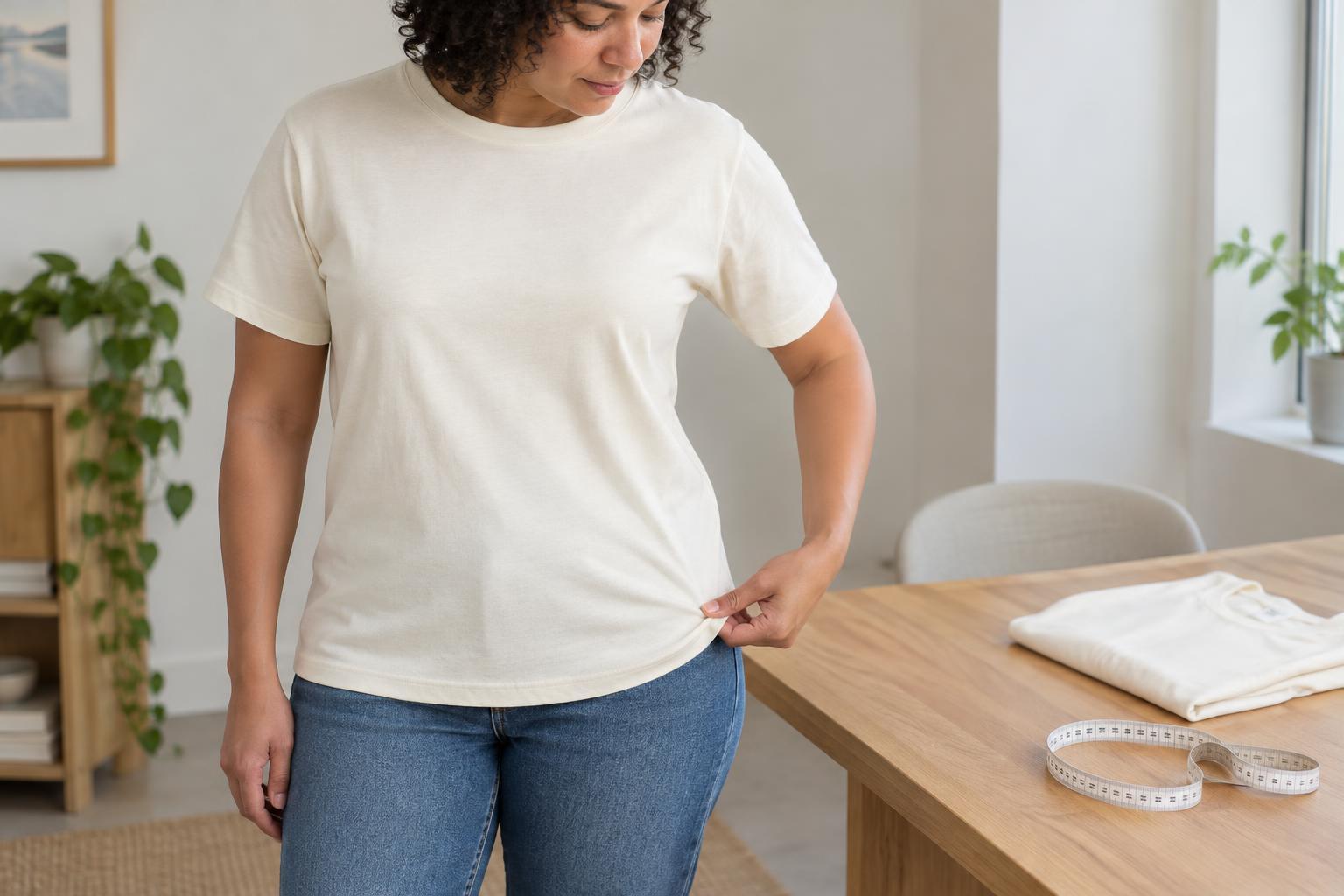
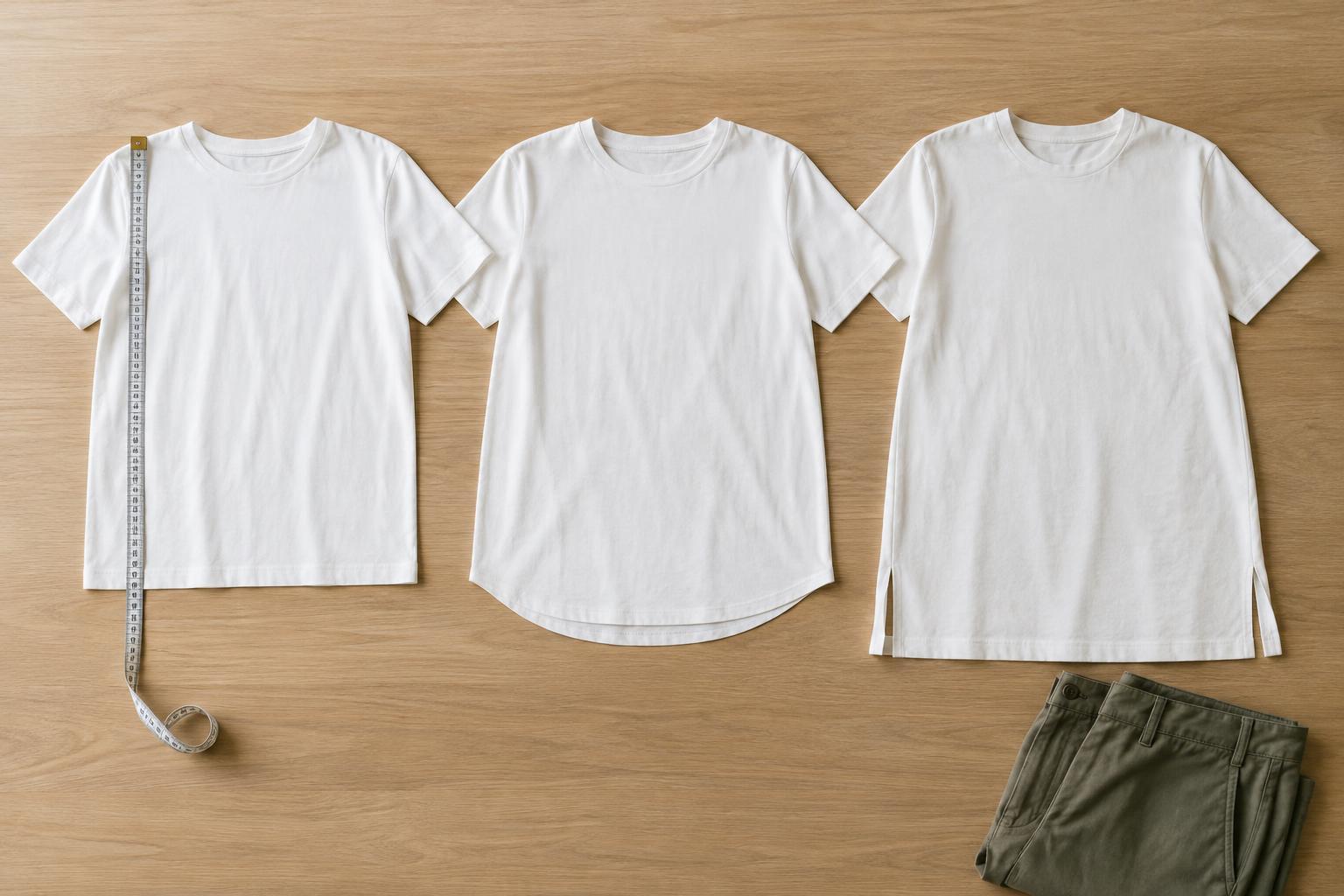
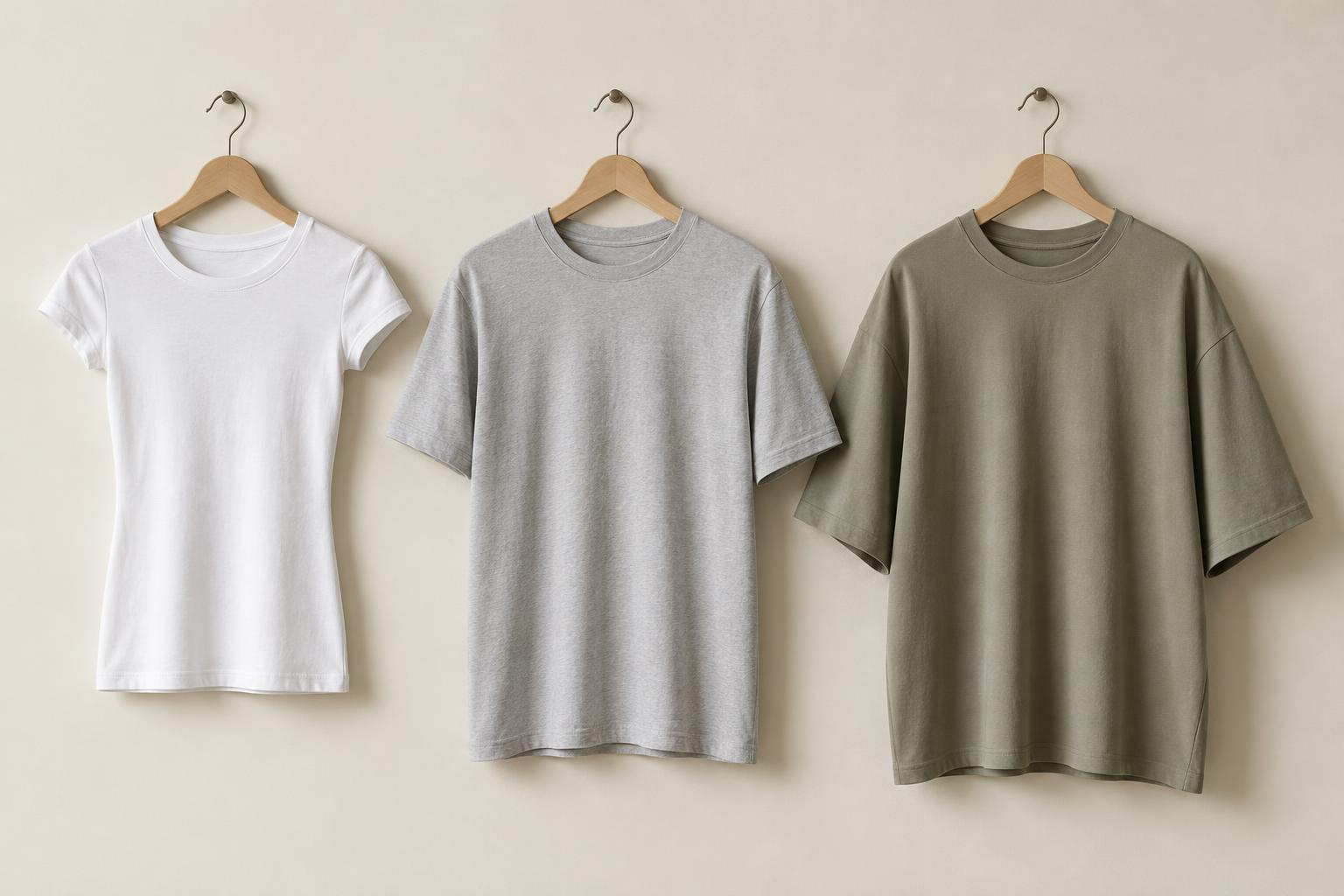
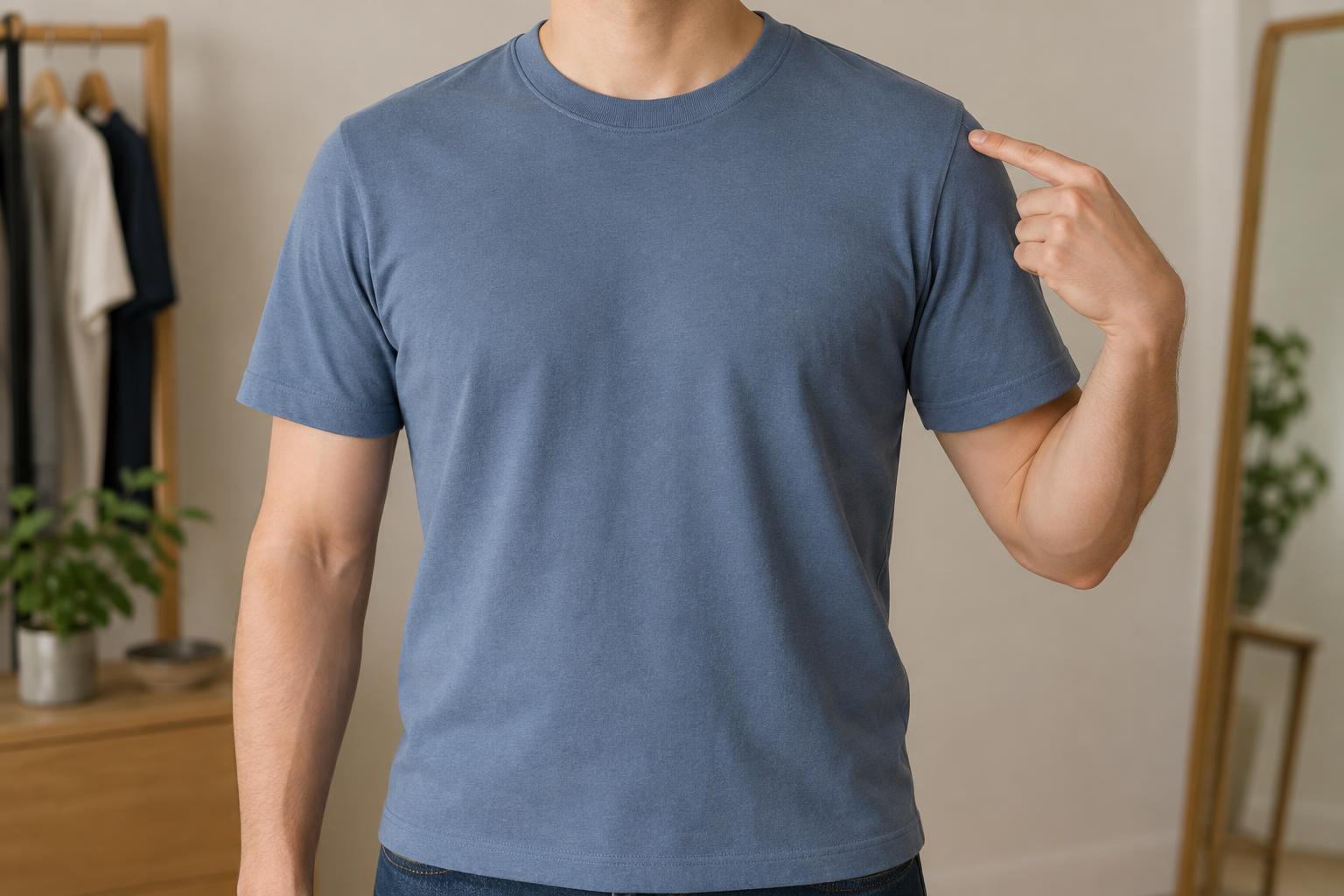
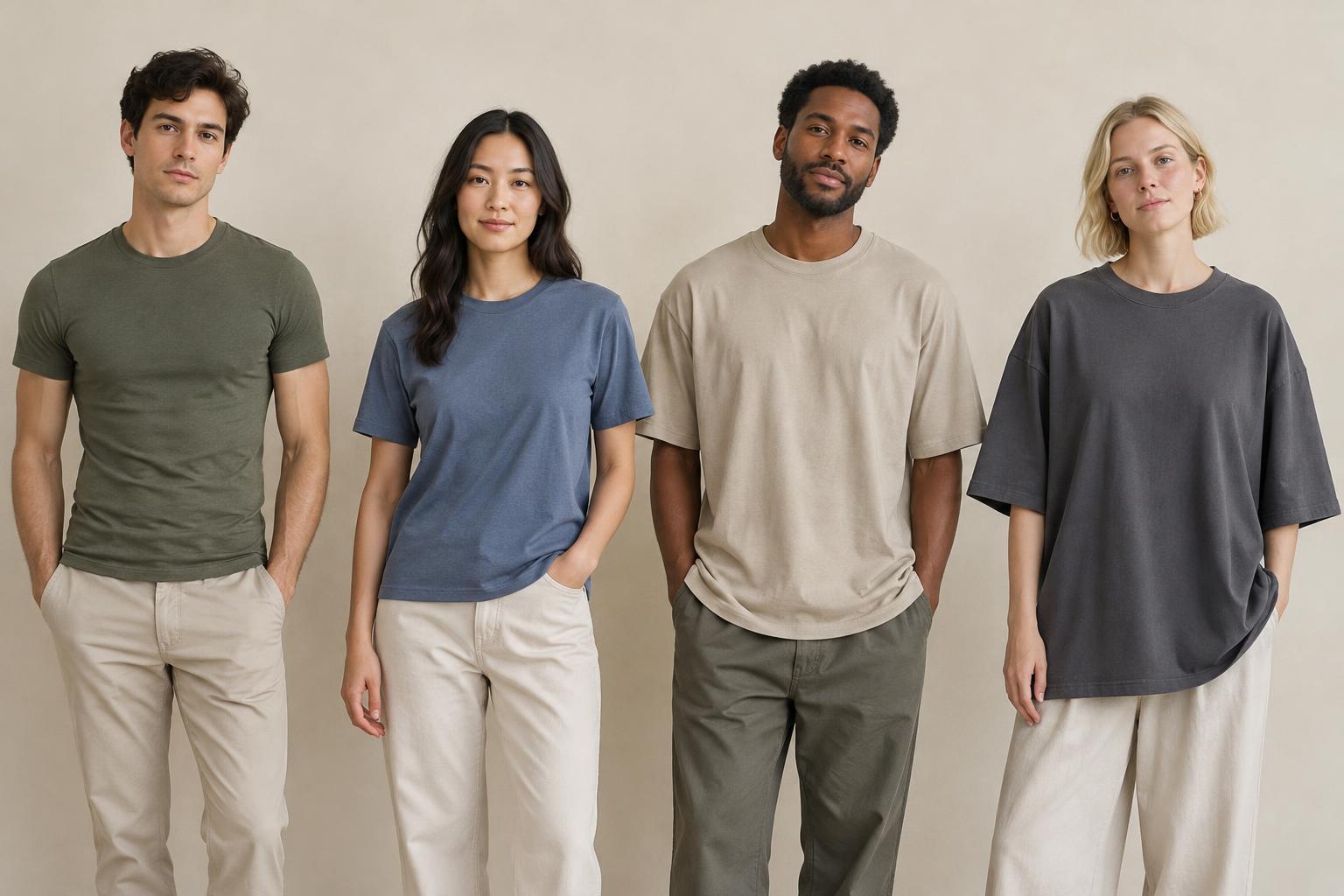
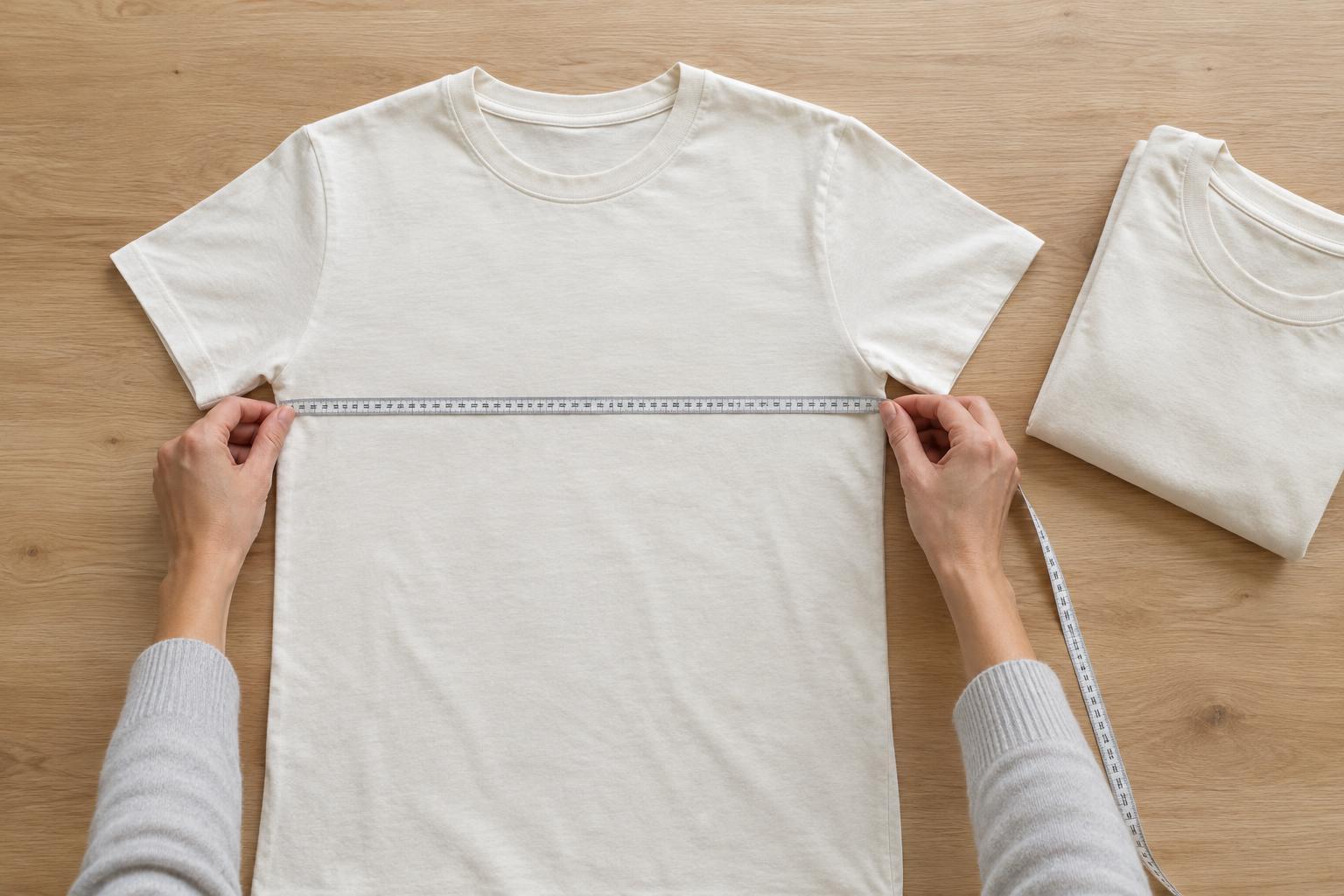
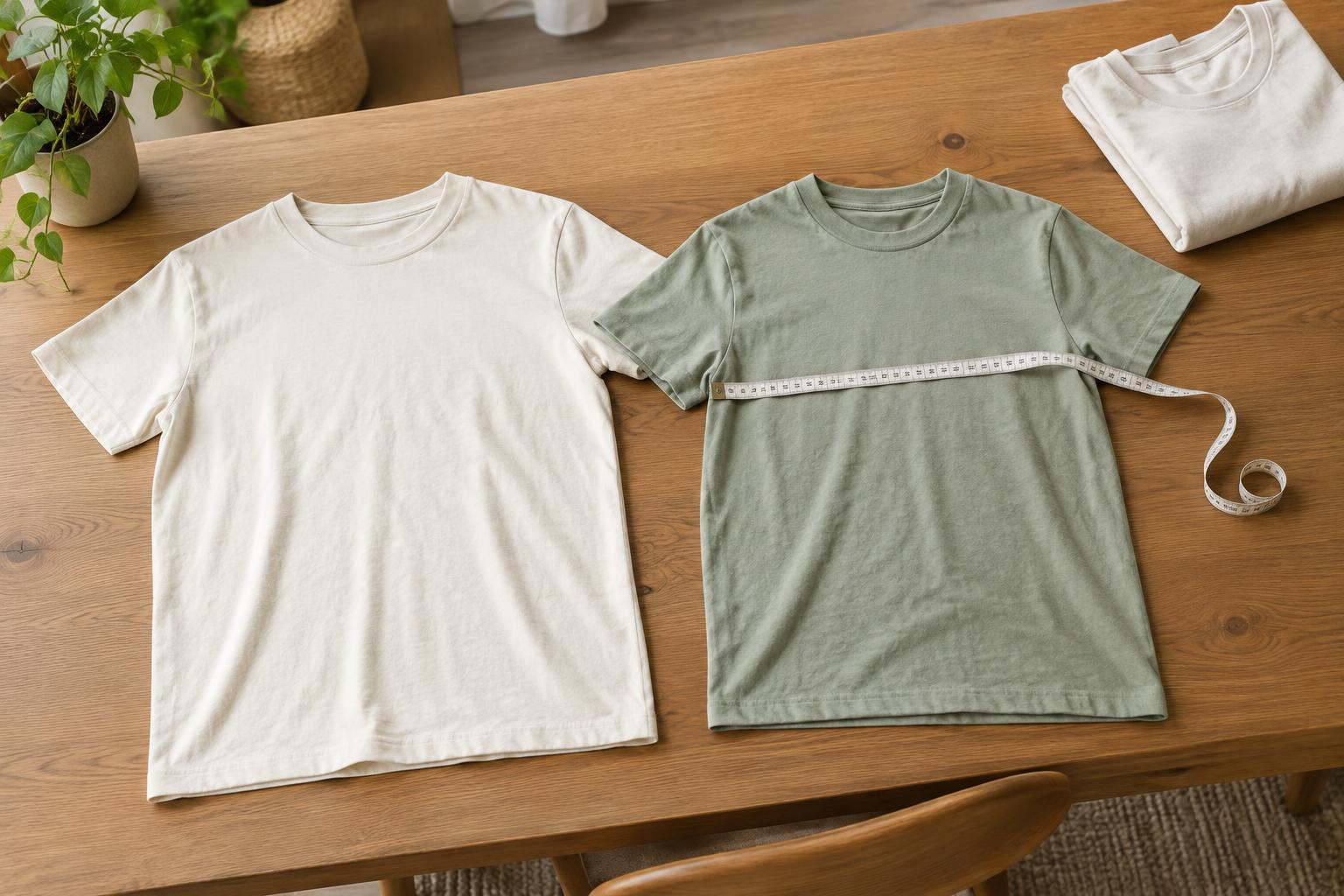
Fit changes the proportions of artwork. A close-fitting tee can stretch or curve a print across the body; a relaxed cut creates more ease but may let a large image fold into itself. Sleeve length, shoulder placement and neckline also affect where the eye lands. If you already own a favourite tee, compare its measurements with those of a prospective blank rather than relying only on a size label. For a gift, avoid treating a recipient’s usual size as certain when their preferred cut is unknown.
The same attention to material applies to accessories. UniqueYou includes silk, cashmere and wool categories alongside different scarf shapes, but composition varies by product. A category name is a starting point, not a reason to assume every item has one universal fibre content. Look at the individual item’s stated composition, dimensions and care guidance when deciding whether it suits a season or a wearer. A light square scarf and a larger wrap can serve quite different purposes even when both introduce colour near the face.
Build colour relationships instead of exact matches
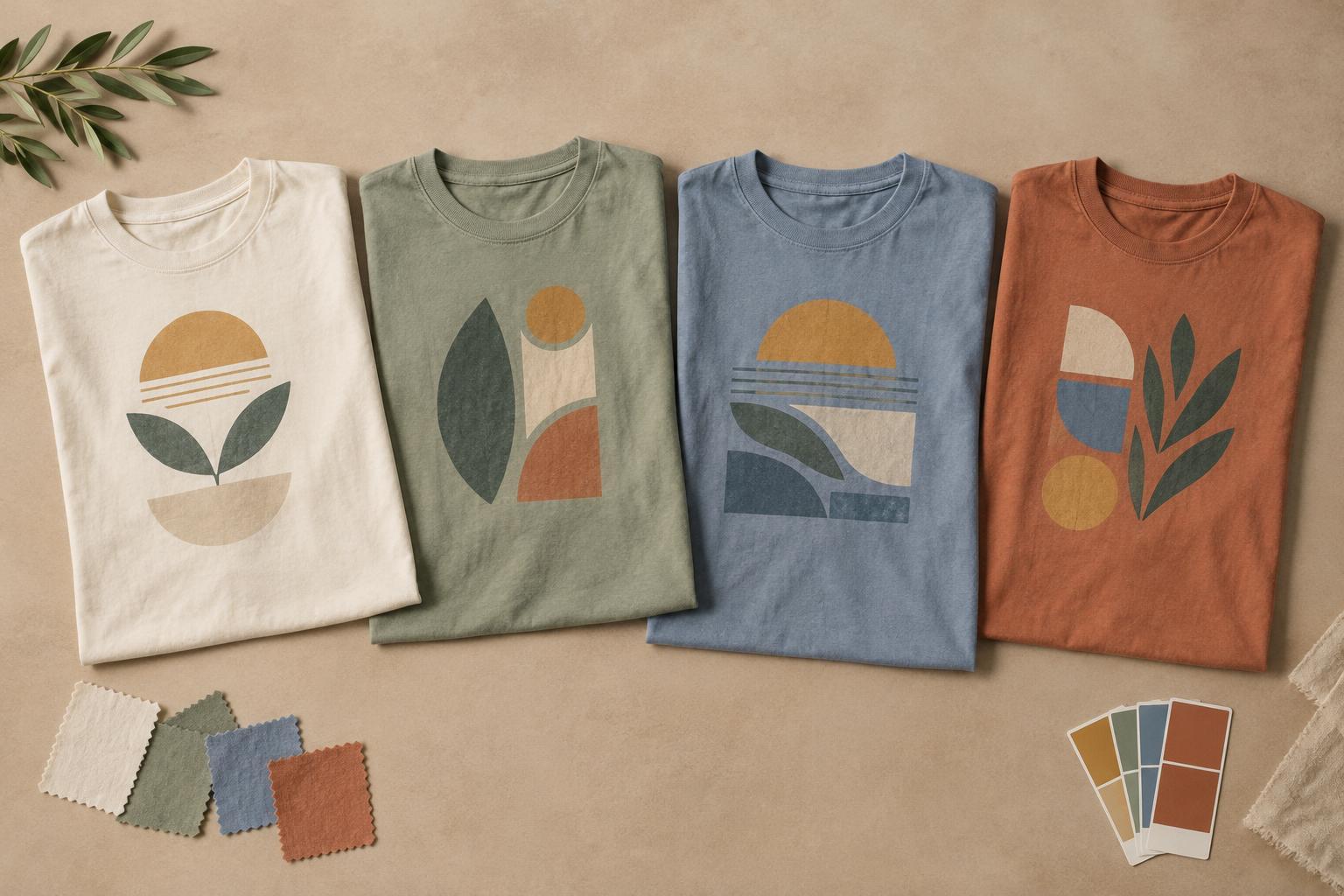
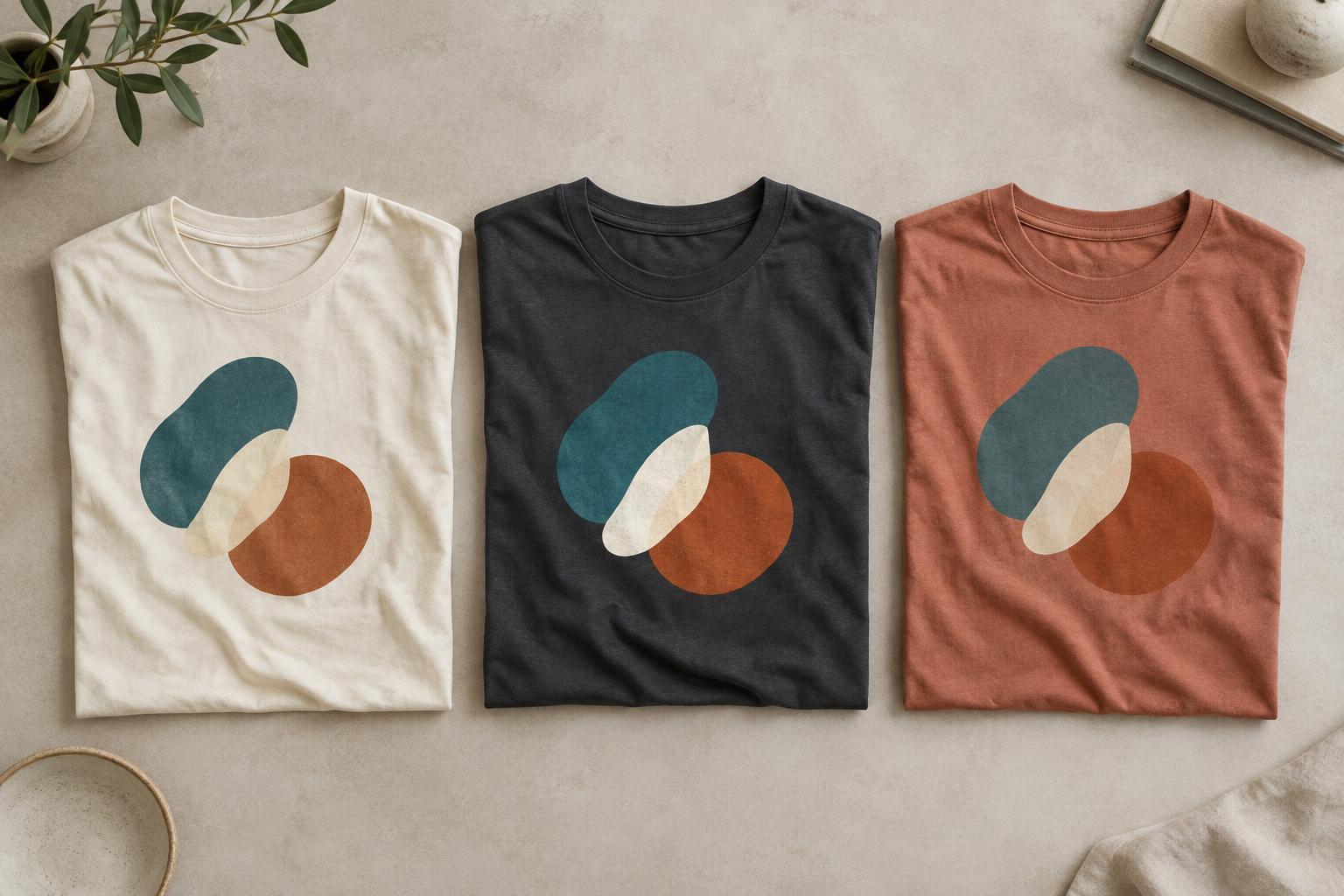
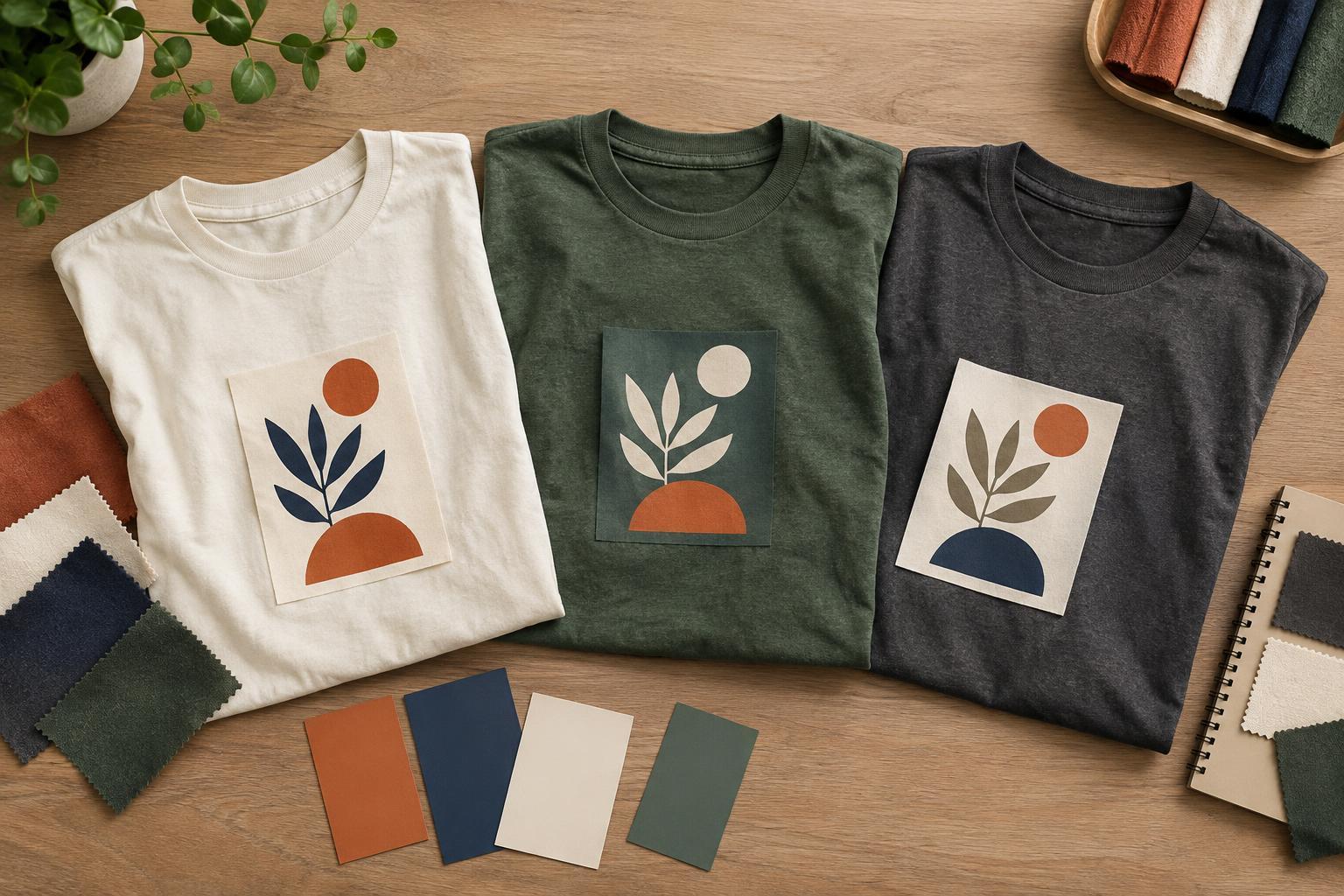
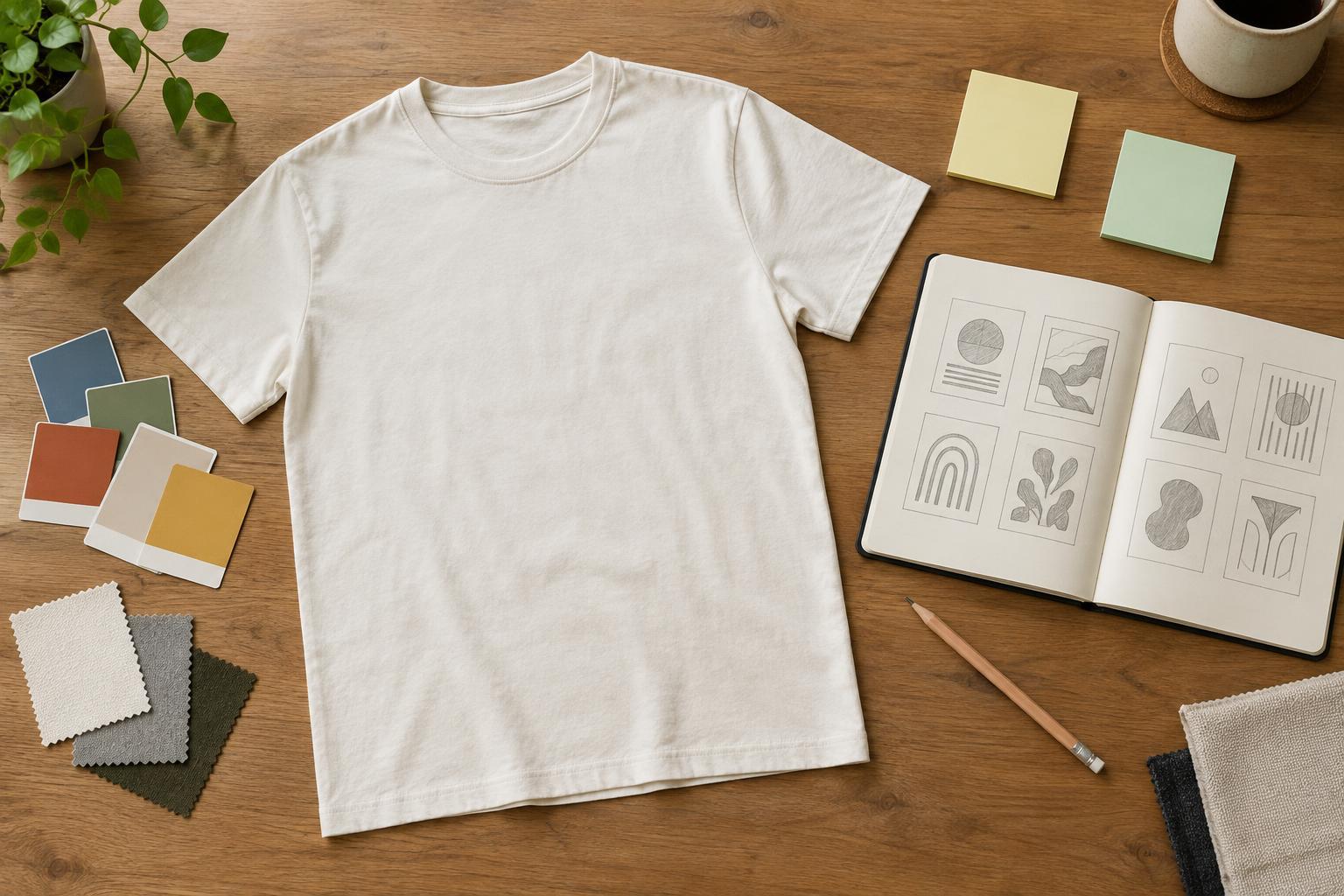
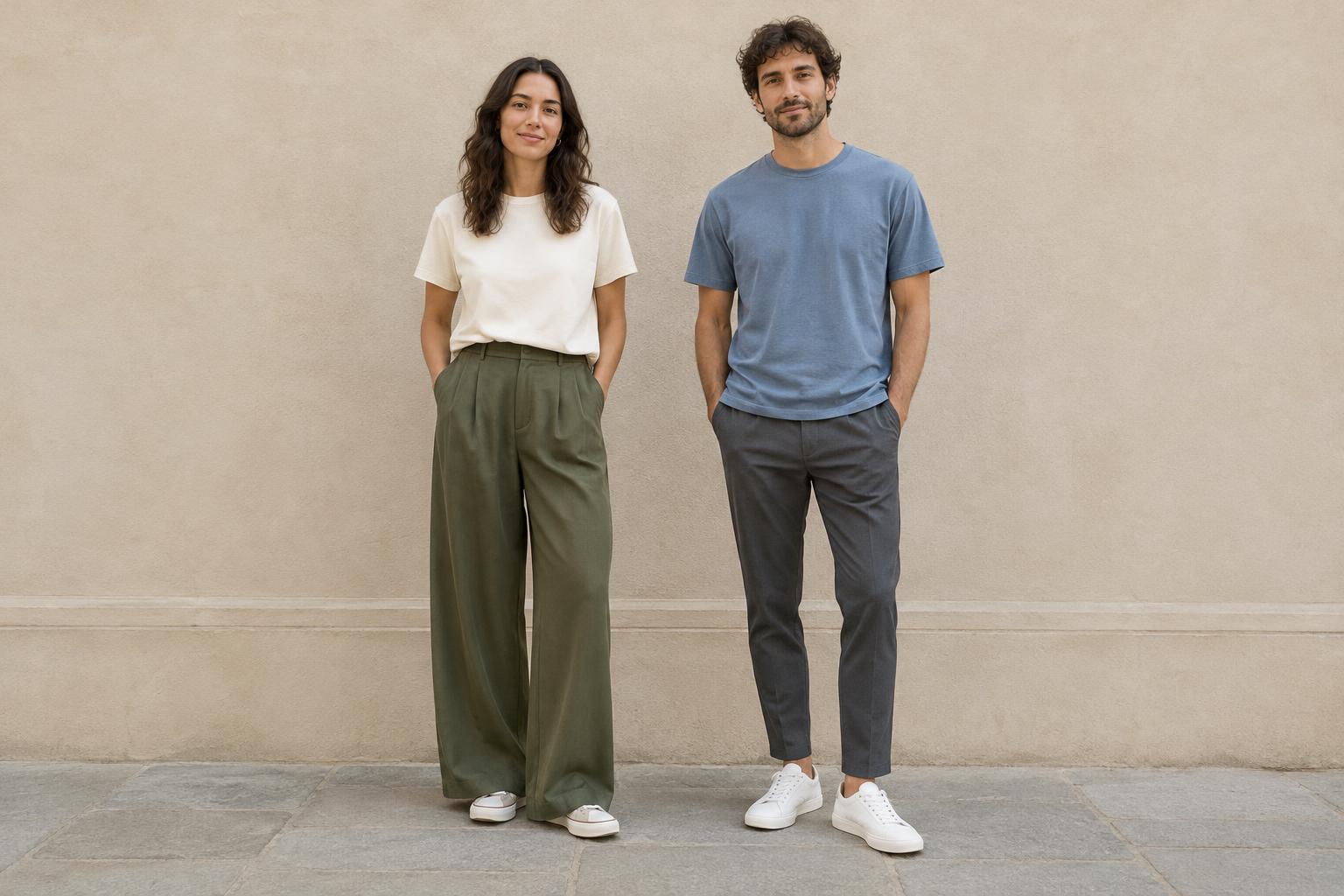
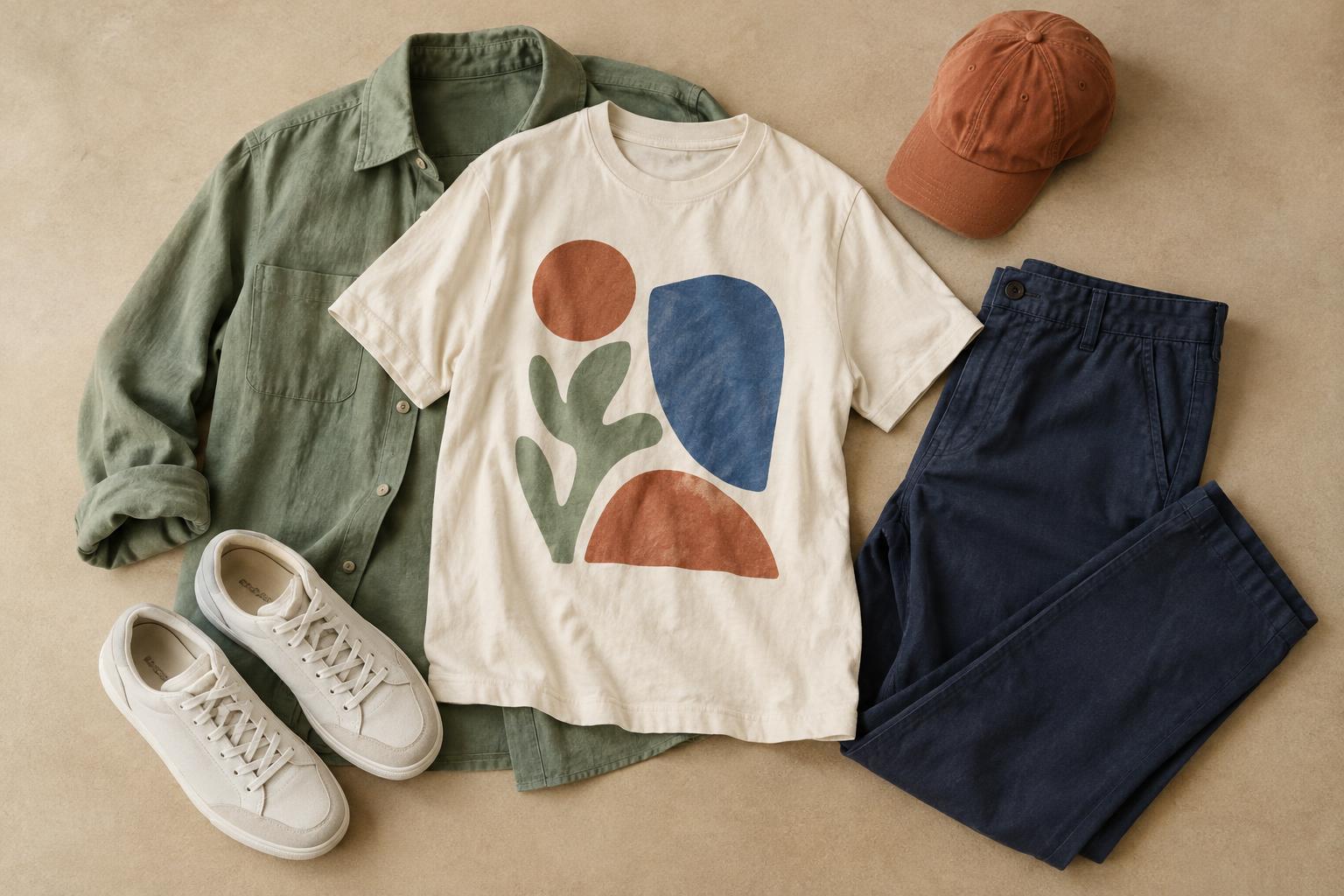
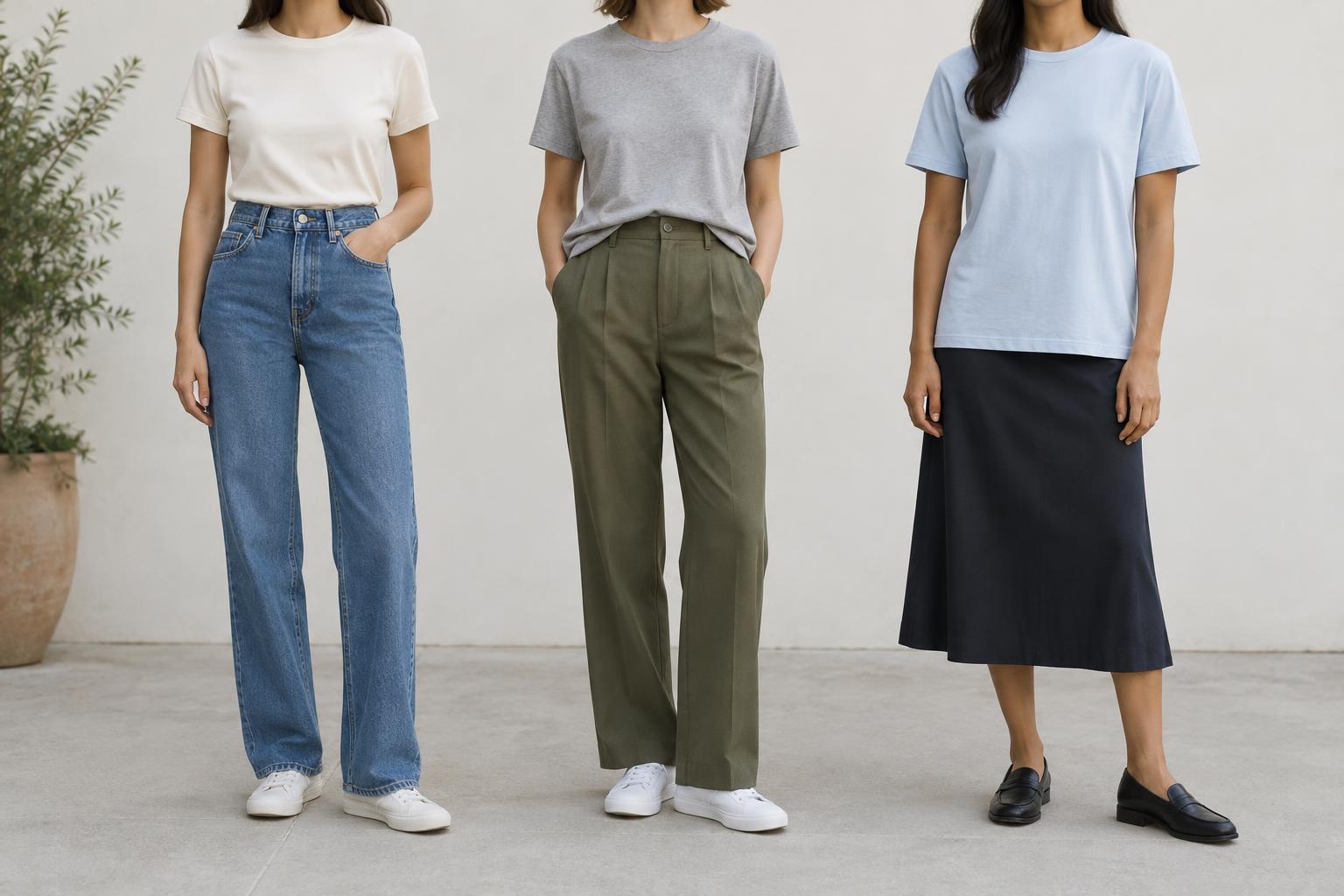
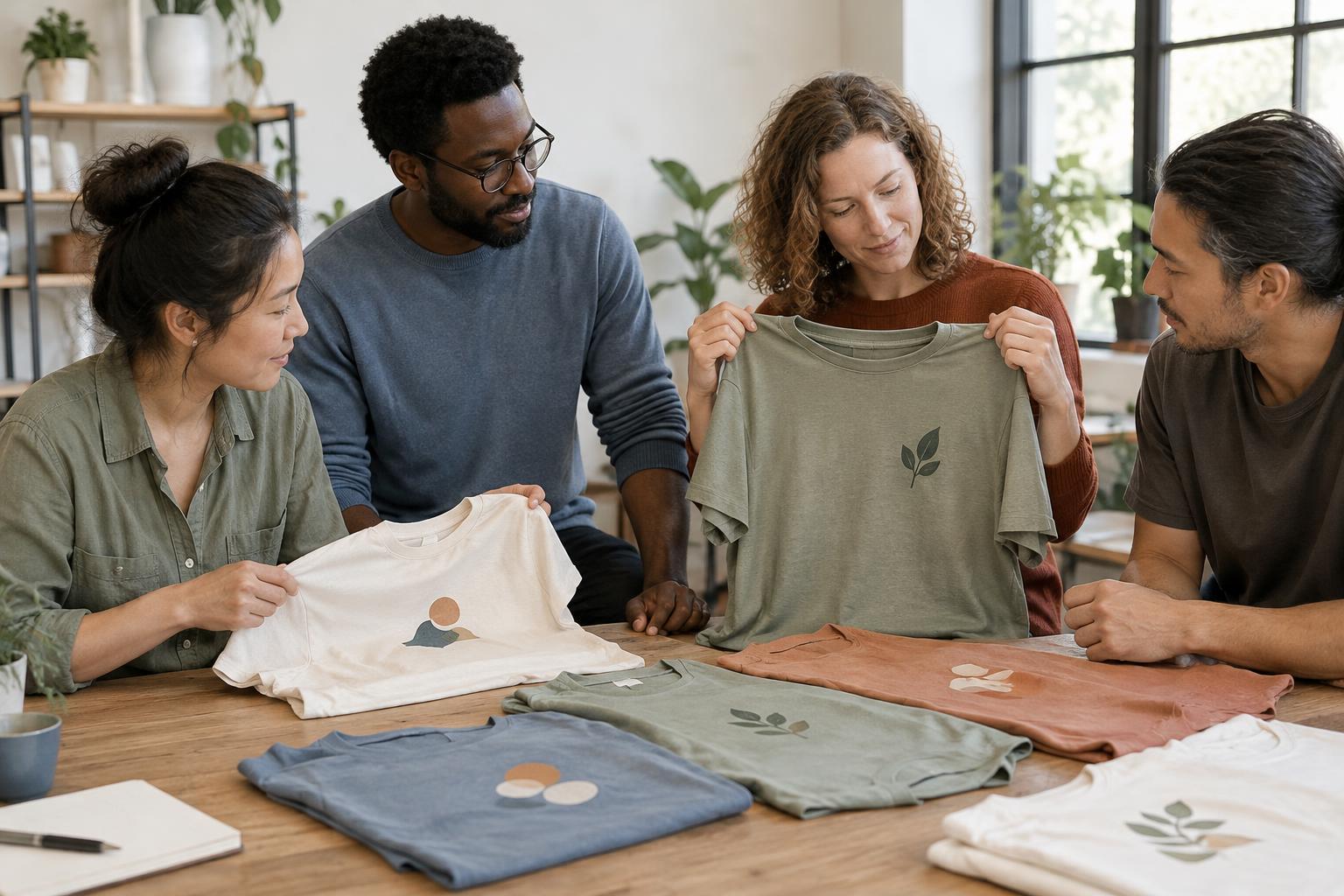
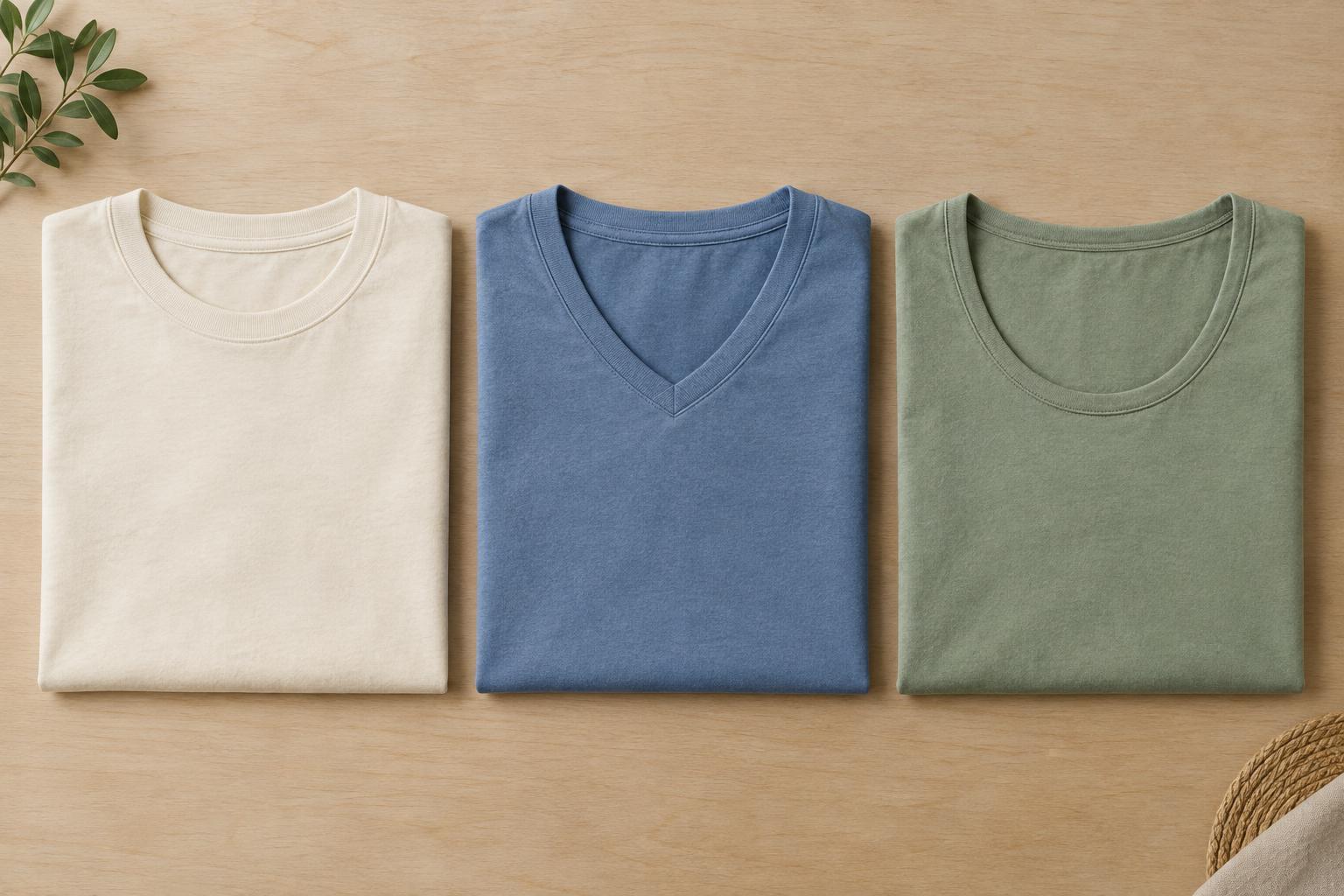
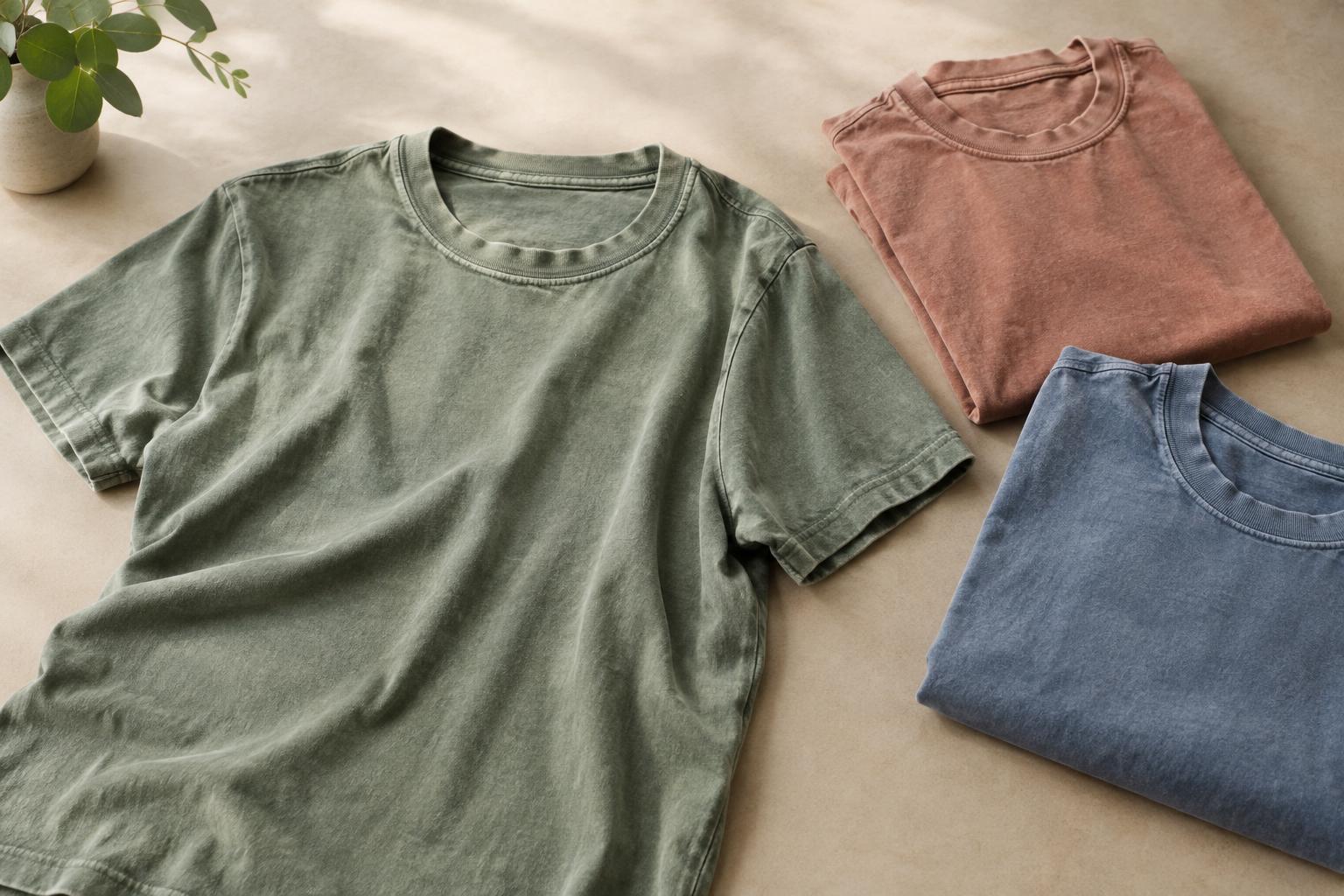
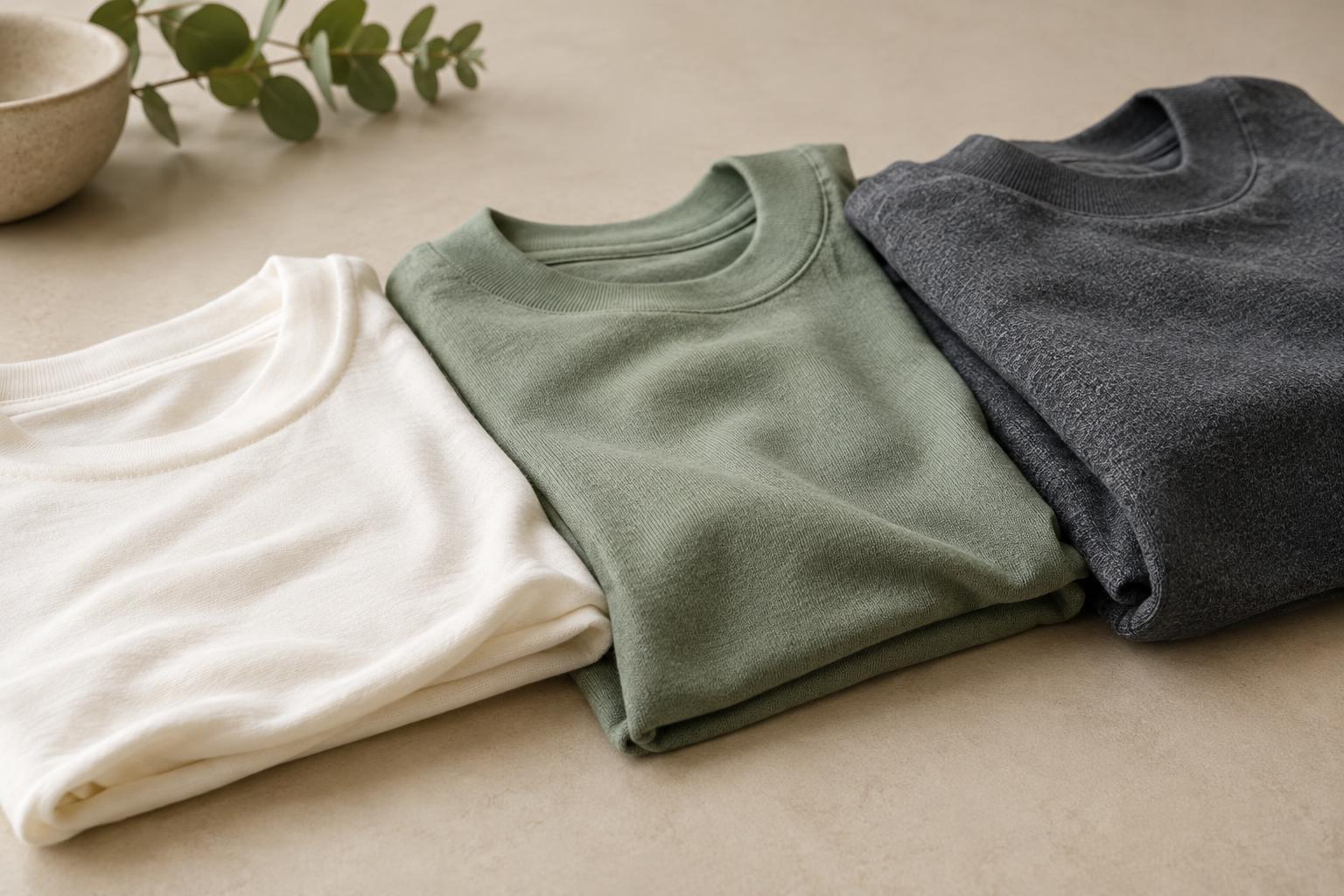
Begin with the clothes someone already reaches for. Lay a proposed tee beside their usual trousers, outerwear and shoes, or imagine it with those pieces if you cannot see them together. A navy-heavy wardrobe may welcome an off-white graphic; a collection of warm browns may sit comfortably beside rust, cream or muted pink. Contrast should be intentional: high contrast makes artwork prominent, while close values create a calmer impression. Check the design in ordinary daylight if possible, since a screen is not a reliable measure of how cloth and ink will appear together.
A scarf offers a flexible way to repeat one colour from a T-shirt design without dressing head to toe in it. If a graphic contains a little burgundy, the scarf might carry that colour more visibly; if the tee is bright, a charcoal or beige scarf can give the outfit breathing room. You can also use texture rather than colour as the connecting thread. A smooth scarf beside a textured jacket, or a soft-looking wrap over a crisp tee, adds interest without requiring another print.
UniqueYou’s neutral taupe visual palette and brown wordmark suggest an understated way to think about accessories, but the most useful reference is still the wearer’s own closet. Ask whether a scarf will work with at least a few familiar outfits, not merely with the new shirt. A versatile colour is not necessarily a plain one: a pattern with several familiar tones can connect pieces that otherwise feel separate. The goal is an outfit with a clear centre of attention, whether that centre is the tee, the scarf or the person wearing both.
Use scarf shape to change the outline of an outfit
Shape determines how a scarf interacts with a T-shirt. A small square tied close to the neck draws attention upward and can make a crew neckline feel more deliberate. Loosely folded and tied lower, it leaves more of a chest graphic visible. A longer scarf creates vertical lines when its ends hang down, while a shawl or wrap can cover the shoulders and make a light tee feel appropriate in a different setting. Try the shape with the actual neckline before deciding that a colour or pattern is wrong; sometimes the fold, rather than the scarf itself, is the issue.
There is no need to master elaborate knots. A single loose tie, a simple drape or a square folded into a narrow band can be enough. If the shirt has artwork at the centre front, keep the scarf ends to one side or choose a shorter fold so the design remains readable. With a plain tee, let longer ends create movement. Consider bags, necklaces and jacket collars as well: several details clustered around the neck can make even individually attractive pieces feel crowded.
UniqueYou’s range of scarves, shawls, wraps and square scarves makes these shape questions more useful than a single rule about how scarves should be worn. Think about the practical role first. Is the accessory there to add a modest colour accent, to frame the face, or to provide more coverage? Once that role is clear, size and material become easier to compare. The best-looking styling idea is one the wearer can adjust comfortably over the course of a normal day.
Personalise with restraint and make a gift feel considered
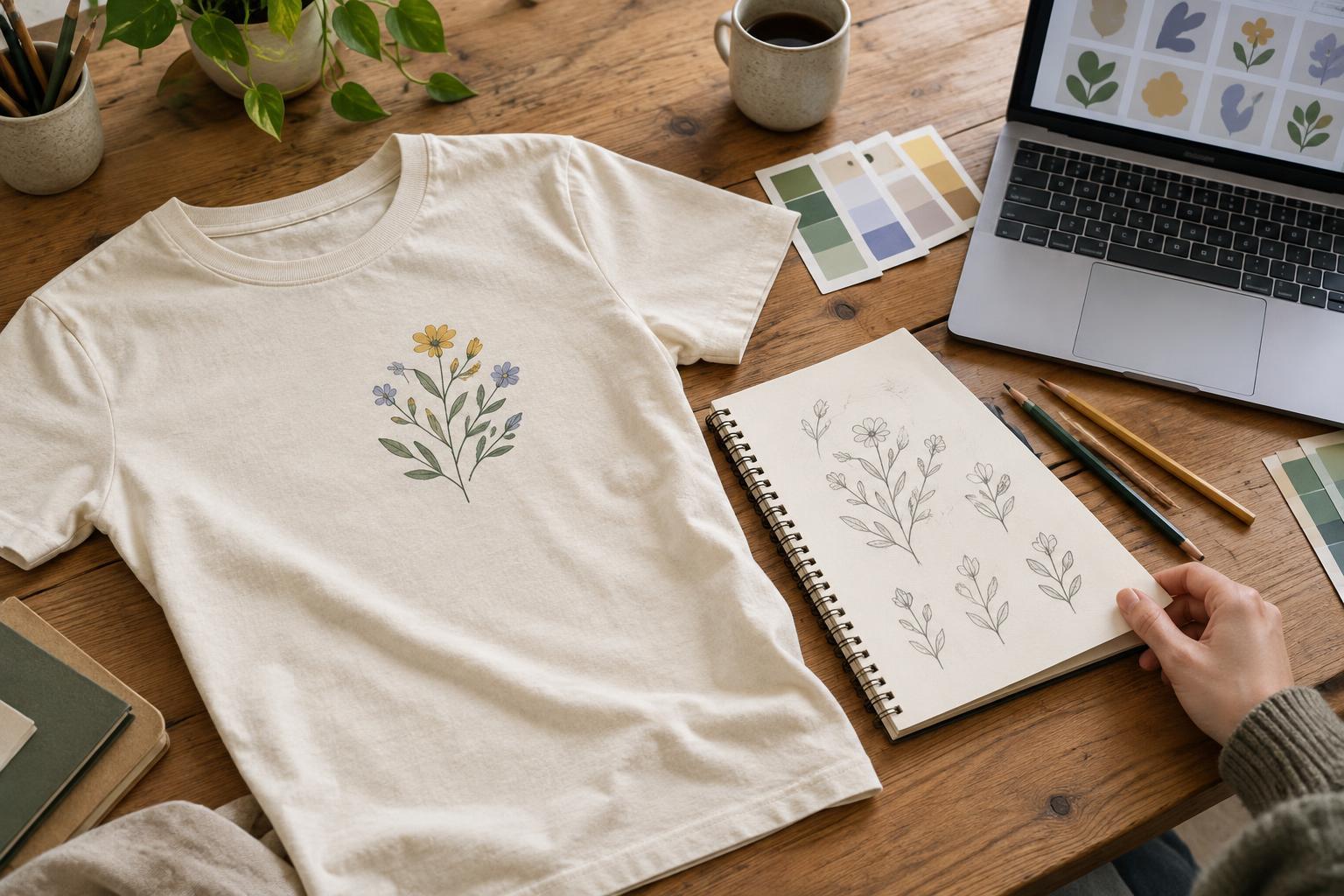
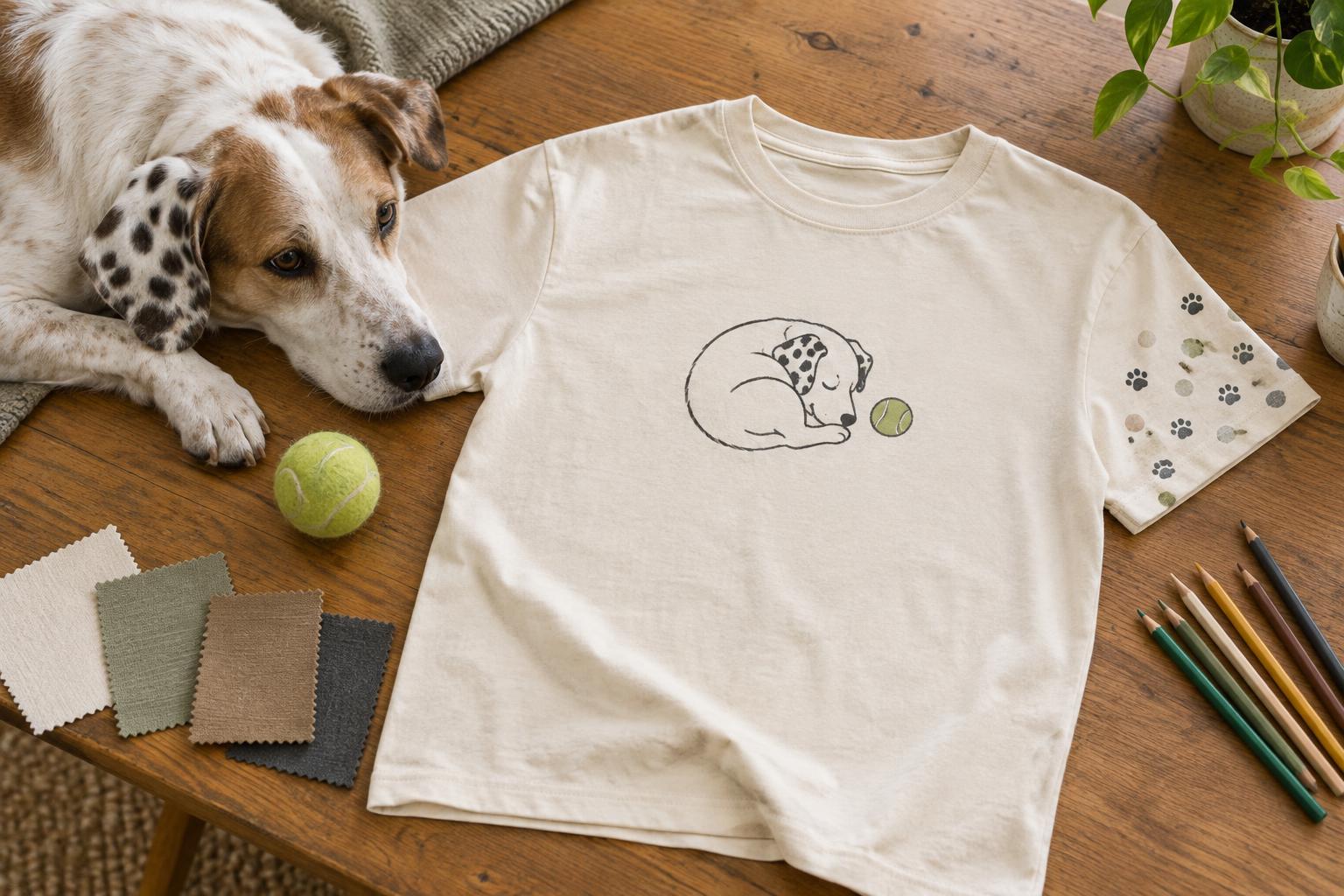
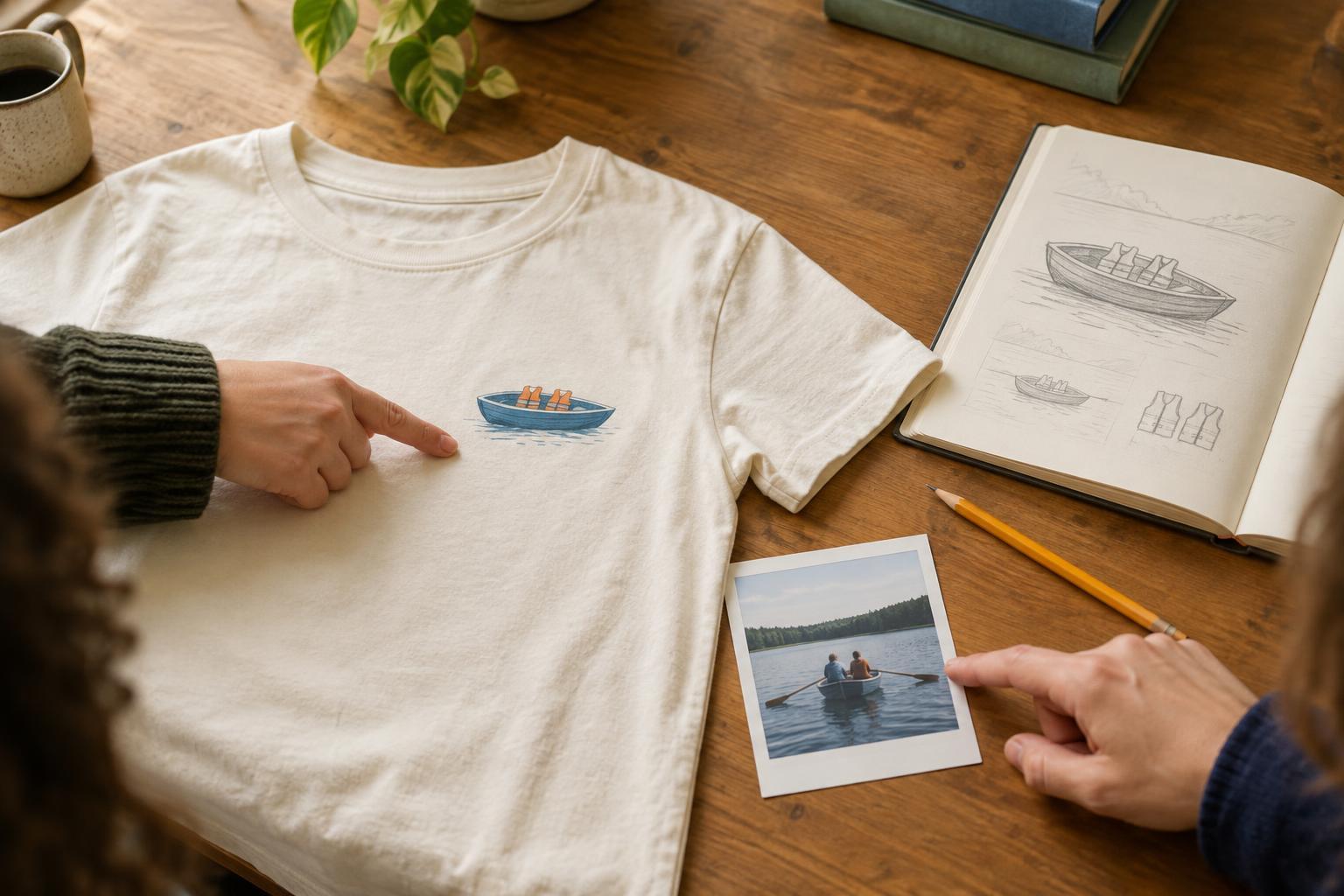
Personalisation works best when the detail means something to its wearer. An initial, a meaningful date, a place name or a simple drawing can say more than a crowded collage of private references. If you are making a tee for someone else, think about whether they would enjoy displaying the message in public. A subtle mark may be more wearable than a large slogan, even if the slogan is amusing to the giver. It is also worth checking spelling, punctuation and the placement of any name before a design is finalised.
A scarf can complement a personalised shirt without repeating the same message. For a recipient who wears mostly neutrals, choose a scarf colour that connects to one existing coat or bag. For someone who enjoys prints, consider whether a small patterned square would extend their usual style more naturally than a bold new colour. If you do not know their preferences well, a versatile shape and a familiar palette may be safer than guessing at a statement piece. Look at the item’s dimensions and composition rather than relying on a material category as a shortcut.
There is a simple test for a useful gift: can you picture the recipient wearing it on an ordinary day, not just opening it? A custom tee tied to a shared memory might feel special on its own; a scarf chosen for their current wardrobe can make the gift easier to wear beyond the occasion. Neither needs to form a perfect set. A small note explaining why you chose a colour or motif can make the connection clear without putting another message directly on the garment.
Make the wardrobe, not a trend, the reference point
Take inventory before adding another accessory. Which coats are worn most often? Are existing tops mainly solid or patterned? Does the wearer favour cool greys and blues, warm creams and browns, or a mix? These observations offer more reliable guidance than an abstract claim that one shade is universally flattering. If a scarf is intended for frequent wear, picture it with several outfits already in rotation. If it is meant for one event, check the neckline, outer layer and likely bag together.
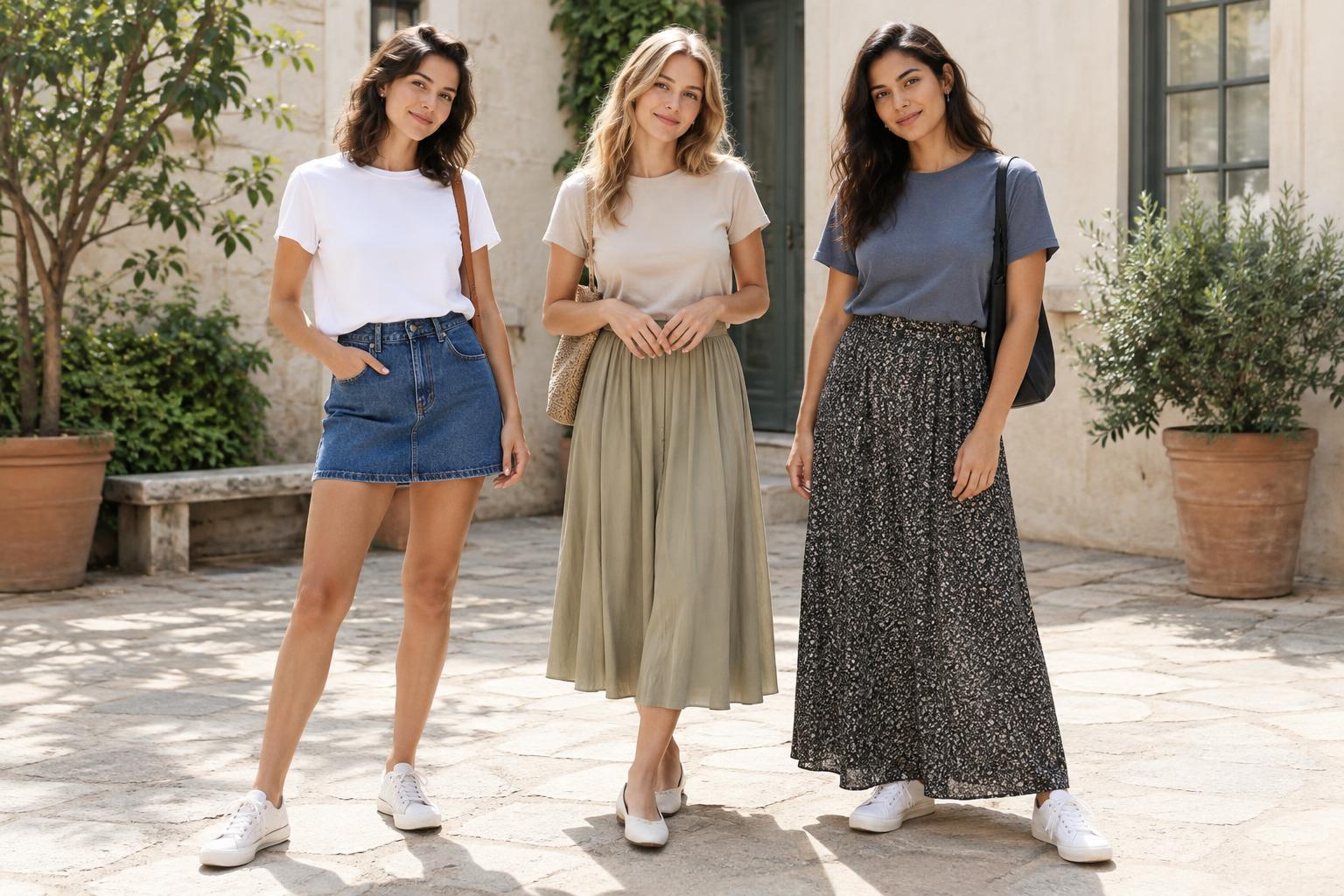
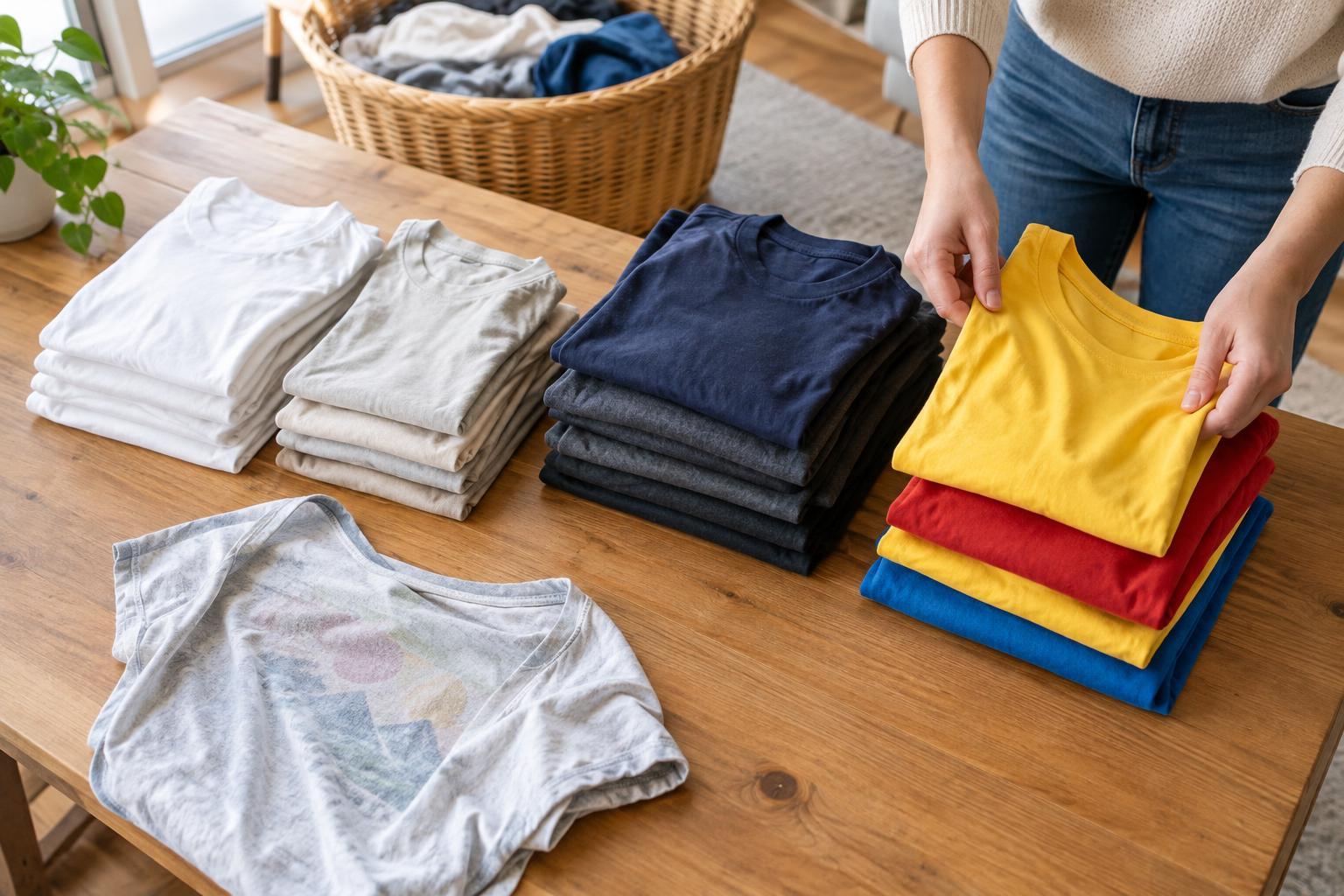
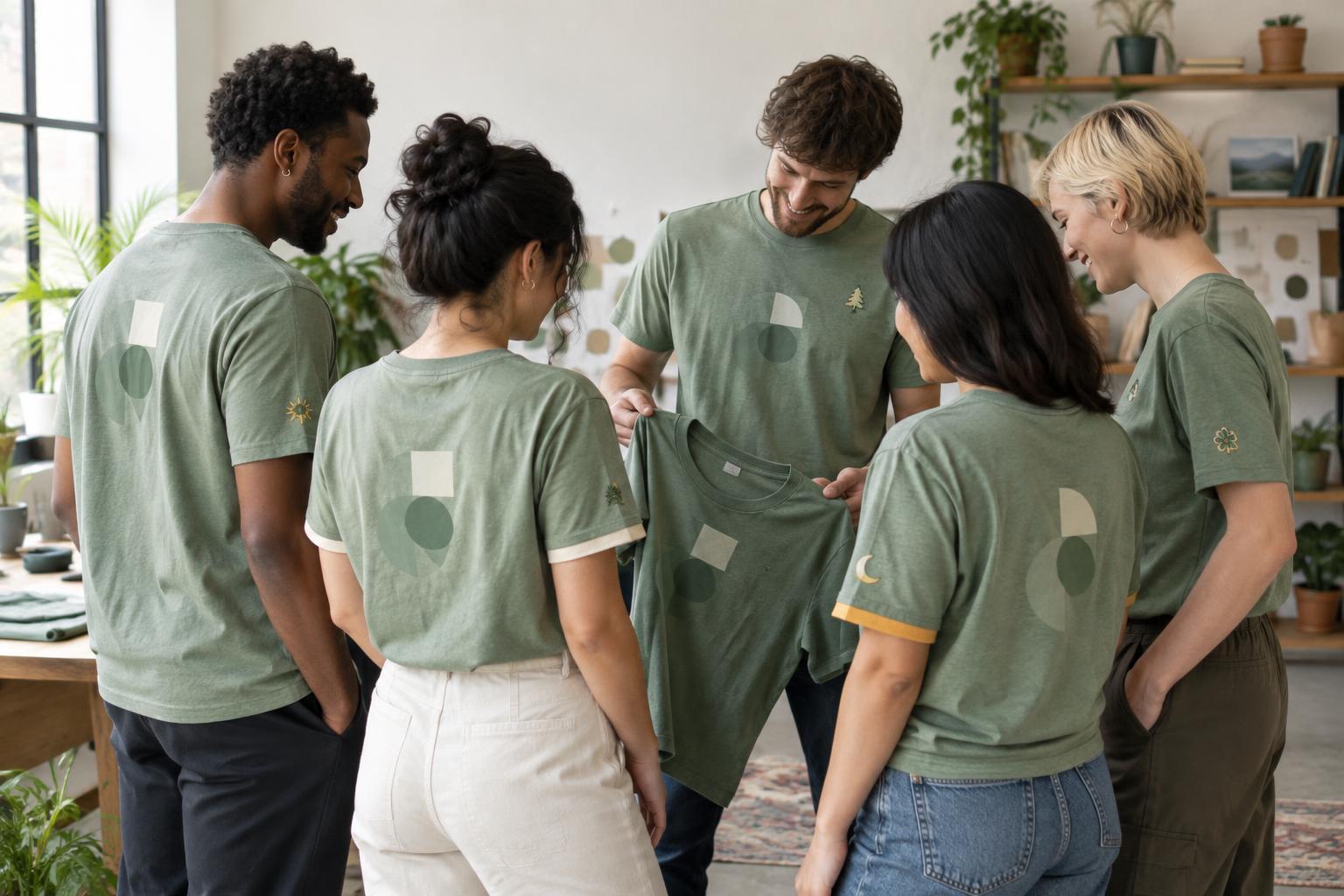
The same approach makes custom T-shirt projects less wasteful in a practical, personal sense: a design has more opportunity to be worn when its base colour and fit suit clothes already owned. Consider a mock-up beside photographs of familiar outfits. A cream tee may lift a dark wardrobe, but a bright white one may create a sharper contrast than intended. A large back print may be ideal under an open jacket and invisible beneath a closed one. These are choices to test, not universal rules.
UniqueYou describes an accessory-led way to complete what a woman already wears. Its story began with scarves and clothing in 2014, included a pause, and resumed after the domain was recovered; that is not a claim of uninterrupted trading. The original brown wordmark with a horse motif and “Since 2014” is part of that identity. For a shopper, the more immediate question remains straightforward: does a particular scarf’s shape, colour and stated material make sense with the wardrobe at hand?
Plan care before choosing a favourite combination
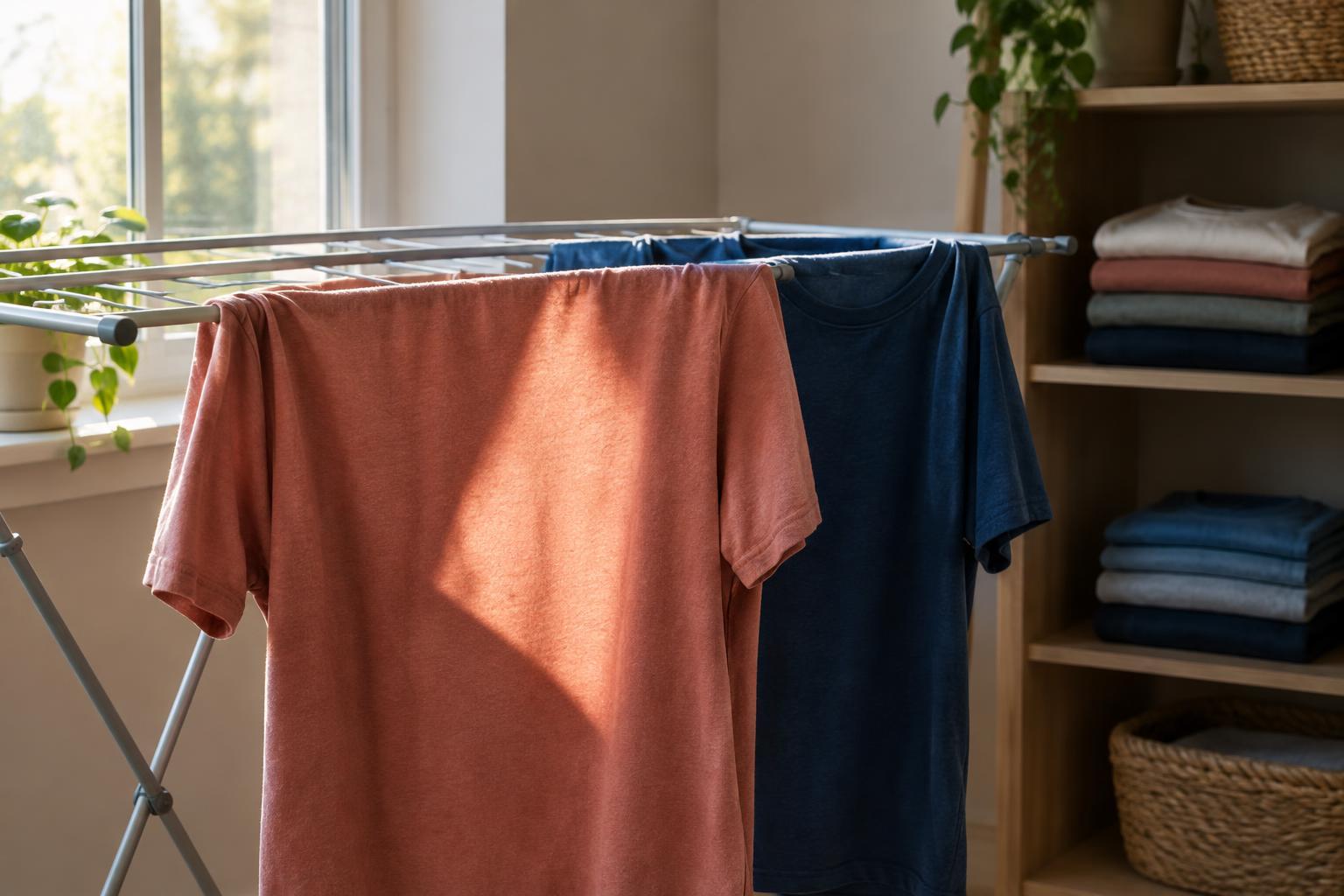
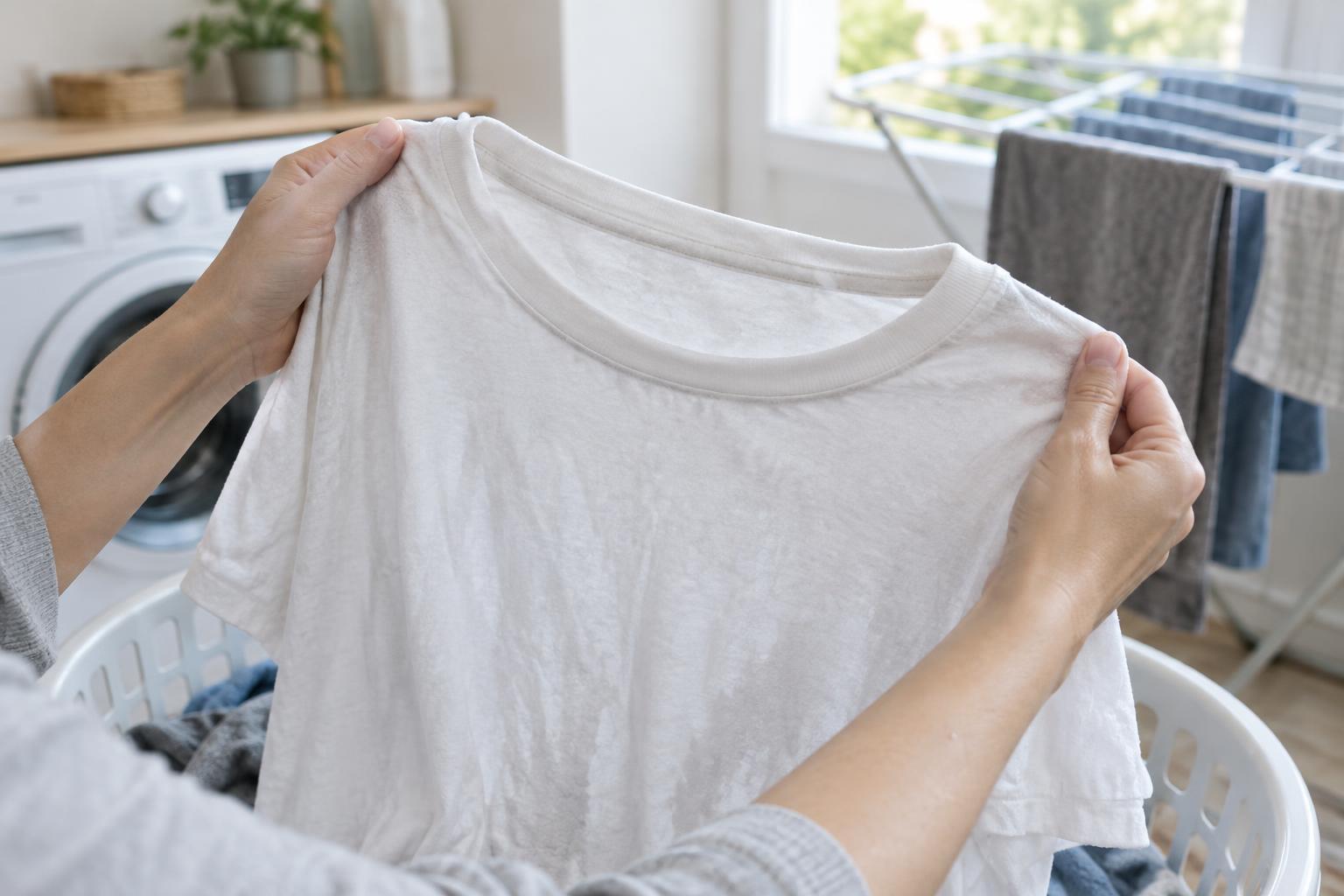
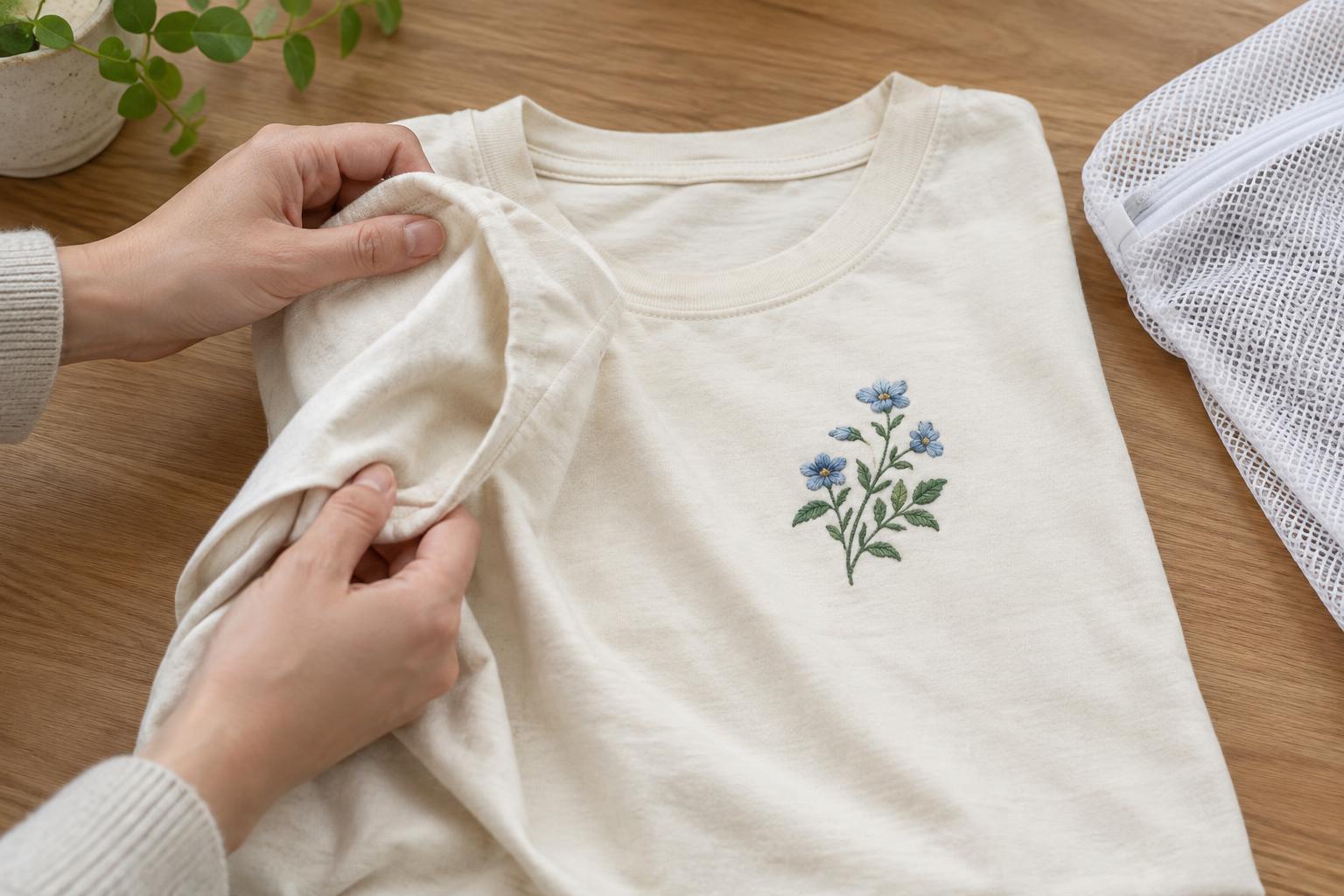
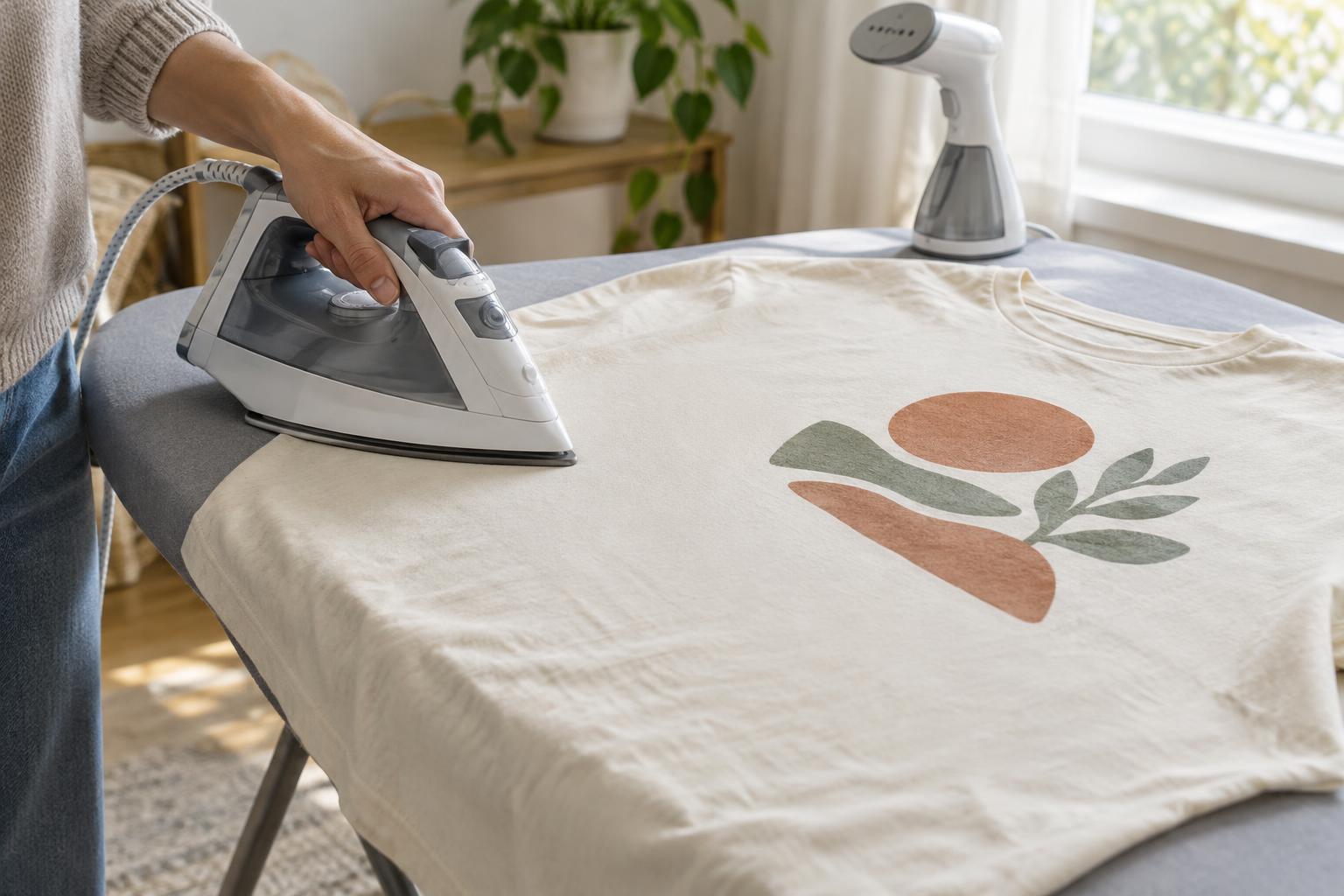
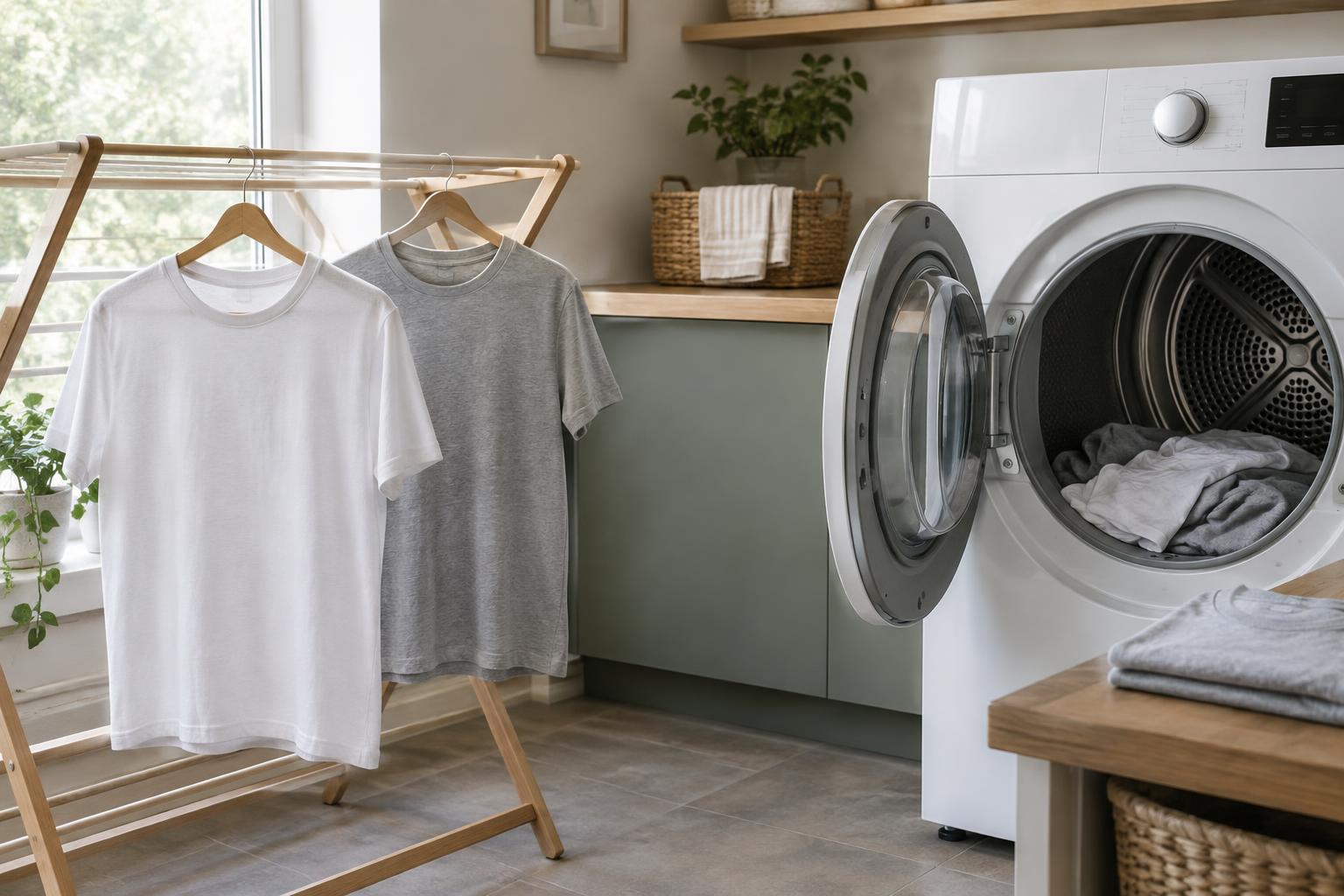
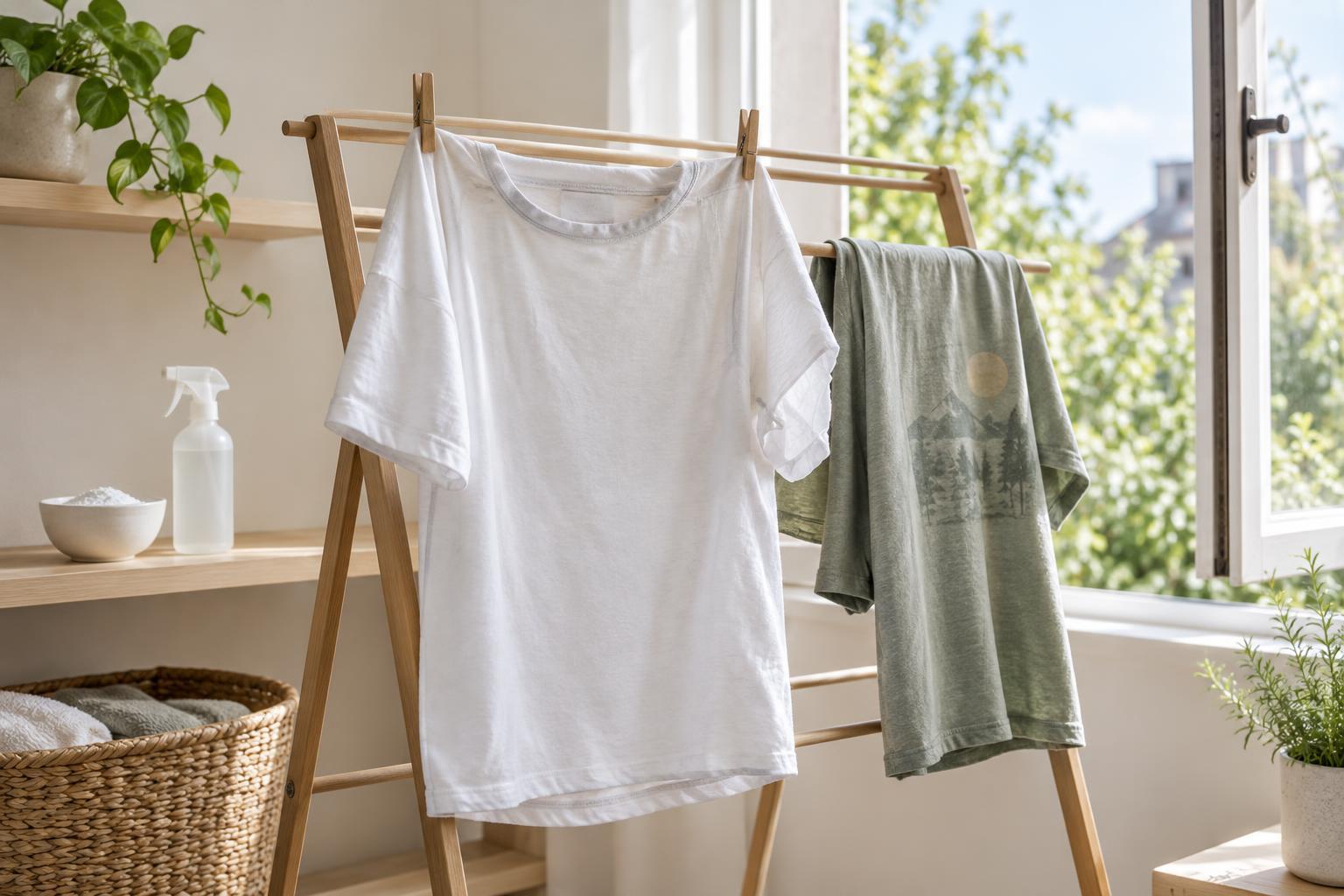
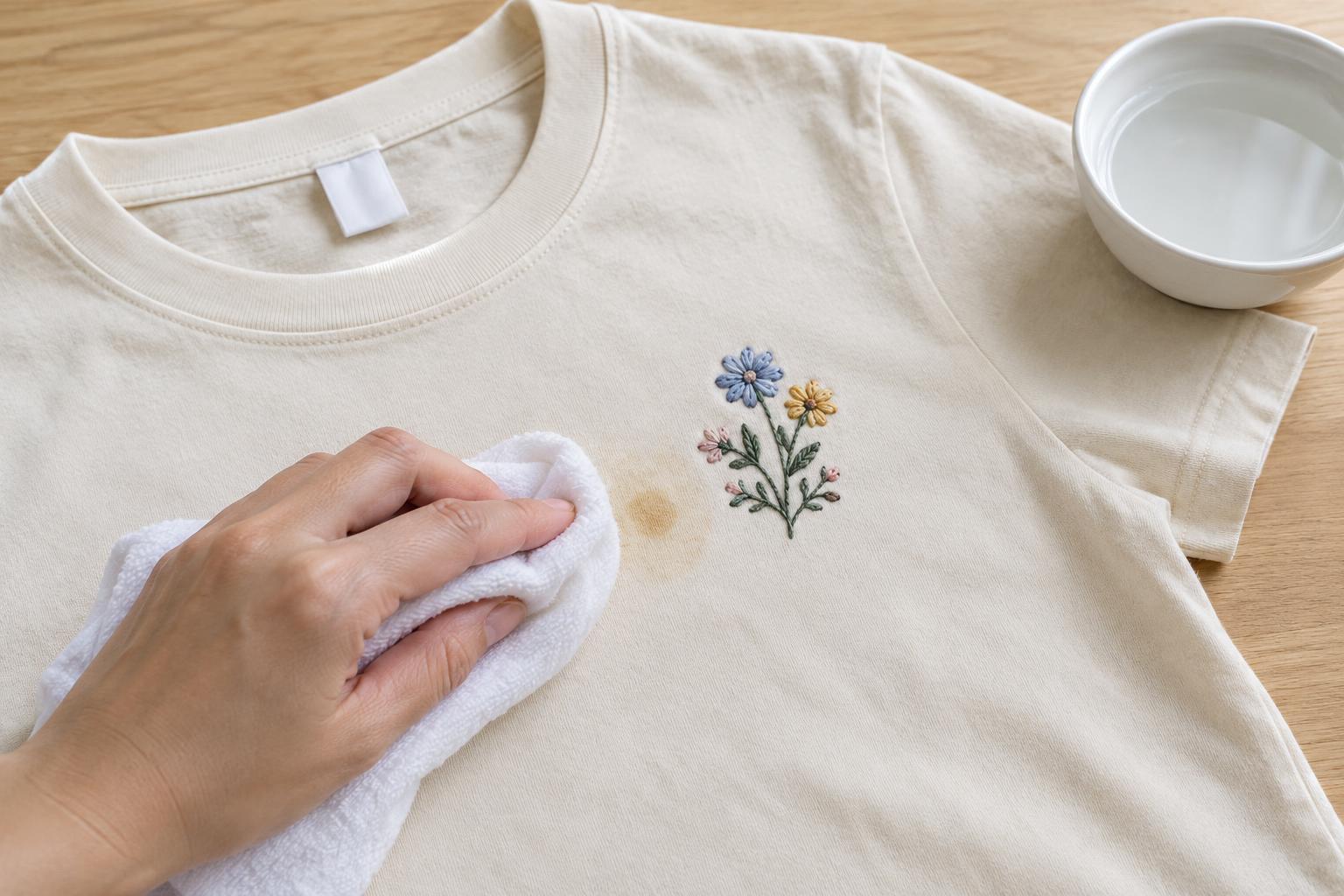
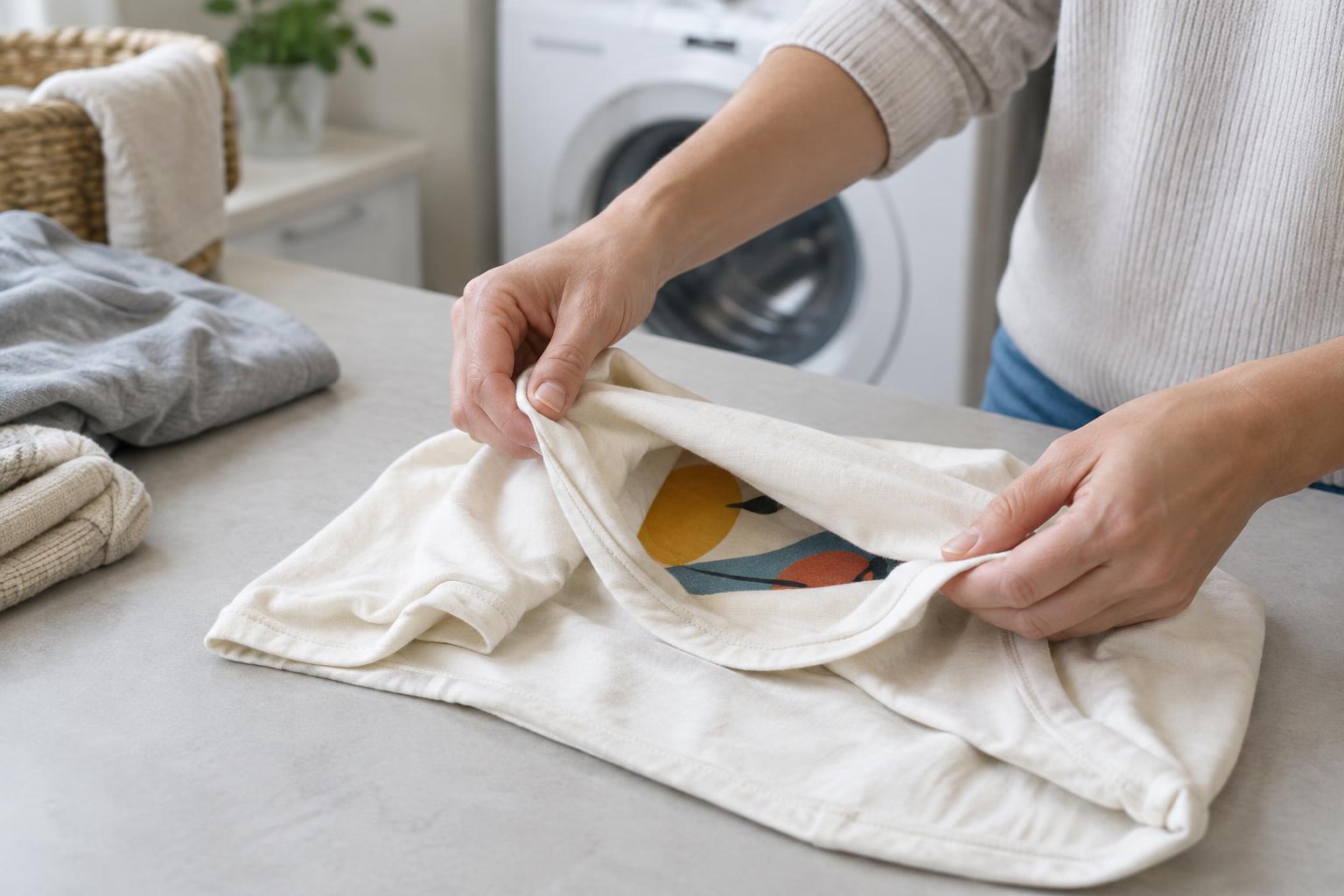
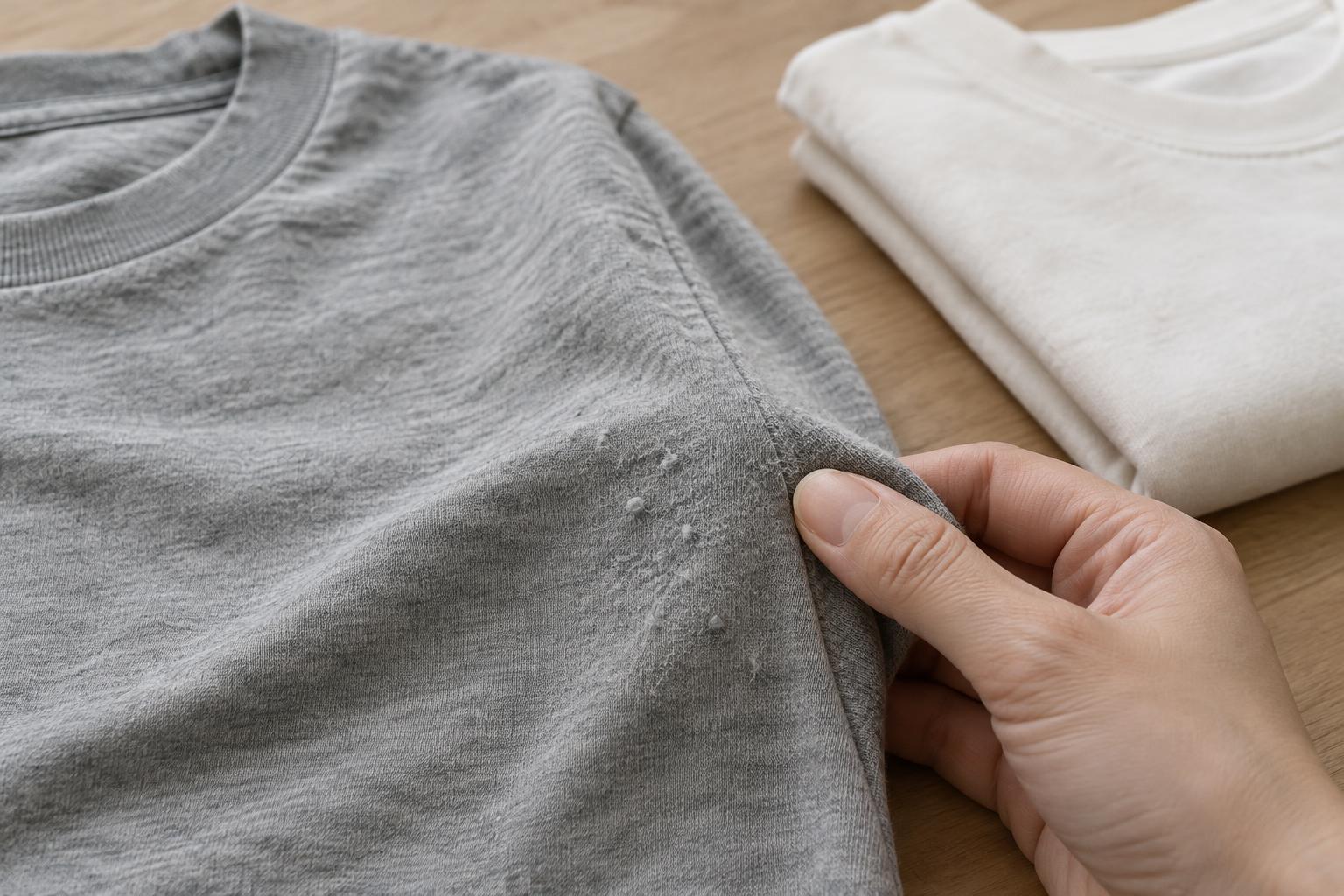
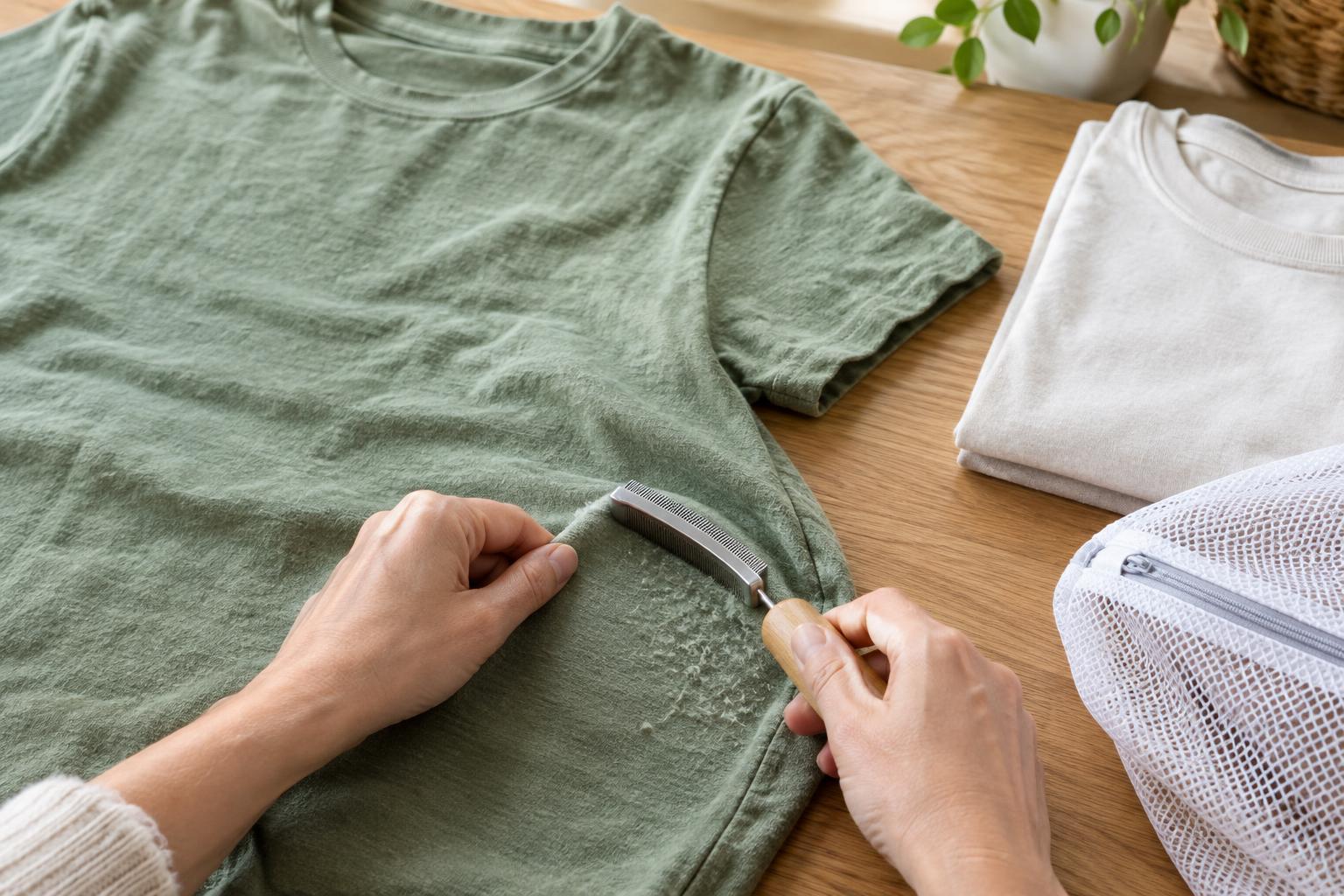
Wearable design needs maintenance as well as imagination. For a decorated tee, follow the garment and decoration provider’s care directions rather than assuming one washing routine suits every print or stitch. Checking pockets, fastening nearby garments and avoiding unnecessary abrasion are sensible habits, but the label and the specific decoration guidance should take priority. If a design includes delicate detail, treating it carefully may help preserve its appearance; no method makes an item immune to ordinary wear.
Scarves deserve their own care decisions. Silk, wool, cashmere and other compositions can call for different cleaning and storage approaches, and a mixed-fibre item should be treated according to its actual label. Keep scarves away from rough fasteners that might catch a weave, and let them dry or rest as directed before putting them away. Folding a square and hanging a long scarf may each be convenient, provided the chosen method does not leave the material under avoidable strain. When giving a scarf, passing along its care information is a useful part of the gift.
Think about real routines when putting pieces together. A scarf worn daily on a commute may need a different level of attention from one reserved for an evening outfit; a much-loved graphic tee may be worn and washed more often than an event shirt. The aim is not to keep everything untouched, but to choose pieces whose care requirements the wearer is comfortable following. That practical fit is another form of personalisation.
Understand the brand before choosing a regional destination
UniqueYou centres on women’s scarves and related accessories, including shawls, wraps and square scarves, with silk, cashmere and wool categories to explore. Its approachable styling idea is to choose an elegant accessory around clothes a woman already owns. That makes it a natural companion topic for a design guide: a tee may introduce a personal graphic, while a scarf can frame, calm or extend the outfit. Product composition and suitable care still need to be assessed item by item.
The brand has 20 regional domains, 21 regional-language versions and 16 distinct languages. Those figures differ because countries may share a language, and because the United Arab Emirates has an Arabic root version and an English /en version on the same regional domain. The guide below identifies the destination language before each regional reference. Use it to navigate by country and language, then judge any particular scarf by its own description and by how it would work with your wardrobe.
Regional guide: choose the country and destination language
These regional references are organised by destination rather than by an assumption that every country has a unique language. Each entry identifies the language of the destination before pointing to its regional home or a relevant scarf category. Colour, shape and material examples are prompts for comparison, not claims that a particular item will suit every wearer.
Poland — Polish
For the Polish-language destination, begin with the regional UniqueYou home — UniqueYou. If burgundy could connect a plain tee to a darker coat, the Polish-language burgundy-scarf category is another place to compare the idea — UniqueYou. Check individual materials and dimensions before choosing.
Germany — German
The German-language regional home is available through UniqueYou — UniqueYou. For an outfit in which a graphic tee already supplies the strongest colour, the German-language beige-scarf category offers a quieter direction to consider — UniqueYou. Compare shades with the clothes the scarf would accompany.
Czechia — Czech
Use the Czech-language UniqueYou home for the regional starting point — UniqueYou. The Czech-language wool-scarf category is a material-led comparison — UniqueYou; the Czech-language cotton neck-scarf destination provides another kind of styling reference — https://uniqueyou.cz/collections/bavlnene-satky-na-krk. The exact composition remains a question for each item.
Spain — Spanish
The Spanish-language UniqueYou home is the regional entry point — UniqueYou. For smaller accents around a simple neckline, consider the Spanish-language scarf category — UniqueYou. The Spanish-language silk-scarf destination is a more specific material category to examine alongside a garment’s own care needs — https://uniqueyou.es/collections/panuelos-de-seda.
France — French
Start at the French-language UniqueYou home — UniqueYou. If a print-heavy tee needs a restrained accessory, the French-language black-scarf category may help you compare shapes without adding another strong colour — UniqueYou. Notice whether the scarf would frame or cover the design.
Hungary — Hungarian
The Hungarian-language regional home is linked through UniqueYou — UniqueYou. To explore a different texture beside a cotton tee, look at the Hungarian-language silk-scarf category — UniqueYou. Let the intended outfit, stated material and care directions guide the comparison.
Romania — Romanian
The Romanian-language UniqueYou home is a starting point — UniqueYou. A Romanian-language black-scarf category can be compared with a vivid tee — UniqueYou; for styling away from the neckline, there is also a Romanian-language head-and-hair-scarf destination — https://uniqueyou.ro/collections/esarfe-pentru-cap-si-par. Consider how each shape works with the wearer’s routine.
Slovakia — Slovak
Begin at the Slovak-language regional UniqueYou home — UniqueYou. If the shirt’s graphic should remain fully visible, the Slovak-language head-and-hair-scarf category points toward an accessory placement that need not cross the chest — UniqueYou.
Finland — Finnish
The Finnish-language UniqueYou home provides the regional entry — UniqueYou. To compare two different colour roles, explore the Finnish-language black-scarf category for restraint — UniqueYou and the Finnish-language red-scarf destination for a stronger accent — https://uniqueyou.fi/collections/punaiset-huivit. Which works better depends on the rest of the wardrobe.
Sweden — Swedish
Find the Swedish-language regional home through UniqueYou — UniqueYou. The Swedish-language general scarf category is a broad starting point — UniqueYou, while the Swedish-language wool-scarf destination narrows the comparison by material category — https://uniqueyou-store.se/collections/halsdukar-i-ull. Review each item’s stated composition rather than assuming it from the category alone.
Denmark — Danish
The Danish-language UniqueYou home is the regional destination — UniqueYou. For someone whose tees are mostly plain, the Danish-language checked-scarf category offers a way to consider adding pattern near the face — UniqueYou. Compare the check’s scale with any graphics already in the outfit.
Belgium — Dutch
For Belgium, this destination is in Dutch: the regional UniqueYou home is here — UniqueYou. The Dutch-language cashmere-scarf category offers a material-led starting point — UniqueYou. Belgium and the Netherlands can share a destination language without sharing the same regional entry.
Austria — German
Austria’s destination here is in German; its regional UniqueYou home is the starting point — UniqueYou. The German-language stole category suggests a broader shoulder-draped shape — UniqueYou, while the German-language cloth-scarf destination offers another shape to compare — https://uniqueyou.at/collections/tucher. Choose according to the neckline and coverage you want.
Netherlands — Dutch
The Netherlands has a Dutch-language regional UniqueYou home — UniqueYou. Its Dutch-language cashmere-scarf category can help you consider material and drape beside everyday layers — UniqueYou. Sharing Dutch with Belgium does not make the two regional destinations interchangeable.
United States — English
For the United States, the destination language is English. Begin with the regional UniqueYou home — UniqueYou, then compare the English-language silk-scarf category for a smaller accent — UniqueYou with the English-language cashmere-wrap destination if you want to consider a larger outline — https://uniqueyou-store.com/collections/cashmere-wraps. Check item details for composition and size.
United Arab Emirates — Arabic
The United Arab Emirates has an Arabic-language root destination. Its regional UniqueYou home is here — UniqueYou. Choose this entry when Arabic is the preferred destination language; a separate English-language version for the same country appears below.
United Arab Emirates — English
The United Arab Emirates also has an English-language destination at its /en version. Use this regional UniqueYou entry when English is preferred — UniqueYou. It is a second language version for the country, not a separate regional domain.
Ireland — English
Ireland’s regional UniqueYou home has an English-language destination — UniqueYou. For a compact detail that can sit near a plain tee’s neckline, the English-language neckerchief category offers a shape to consider — UniqueYou. Try the fold against any existing graphic.
United Kingdom — English
The United Kingdom’s destination language is English; start at its regional UniqueYou home — UniqueYou. Compare the English-language cashmere-shawl category for shoulder coverage — UniqueYou with the English-language silk-scarf destination for another styling direction — https://uniqueyou.uk/collections/silk-scarves. Let dimensions and individual descriptions settle the choice.
Portugal — Portuguese
For the Portuguese-language destination, begin with the regional UniqueYou home — UniqueYou. The Portuguese-language scarves-for-dresses-and-weddings category suggests an occasion-led comparison — UniqueYou, while the Portuguese-language general-scarf destination offers a broader starting point — https://uniqueyou.pt/collections/cachecois. Think about whether the piece will also work with everyday clothes.
A memorable outfit need not announce every idea at once. Give the T-shirt a clear purpose, choose fabric and fit you will enjoy wearing, and let a scarf support the clothes already in your wardrobe. The most useful choice is the one that still makes sense after the occasion has passed.
 Styling and Garment Care