Start with the person, not the number
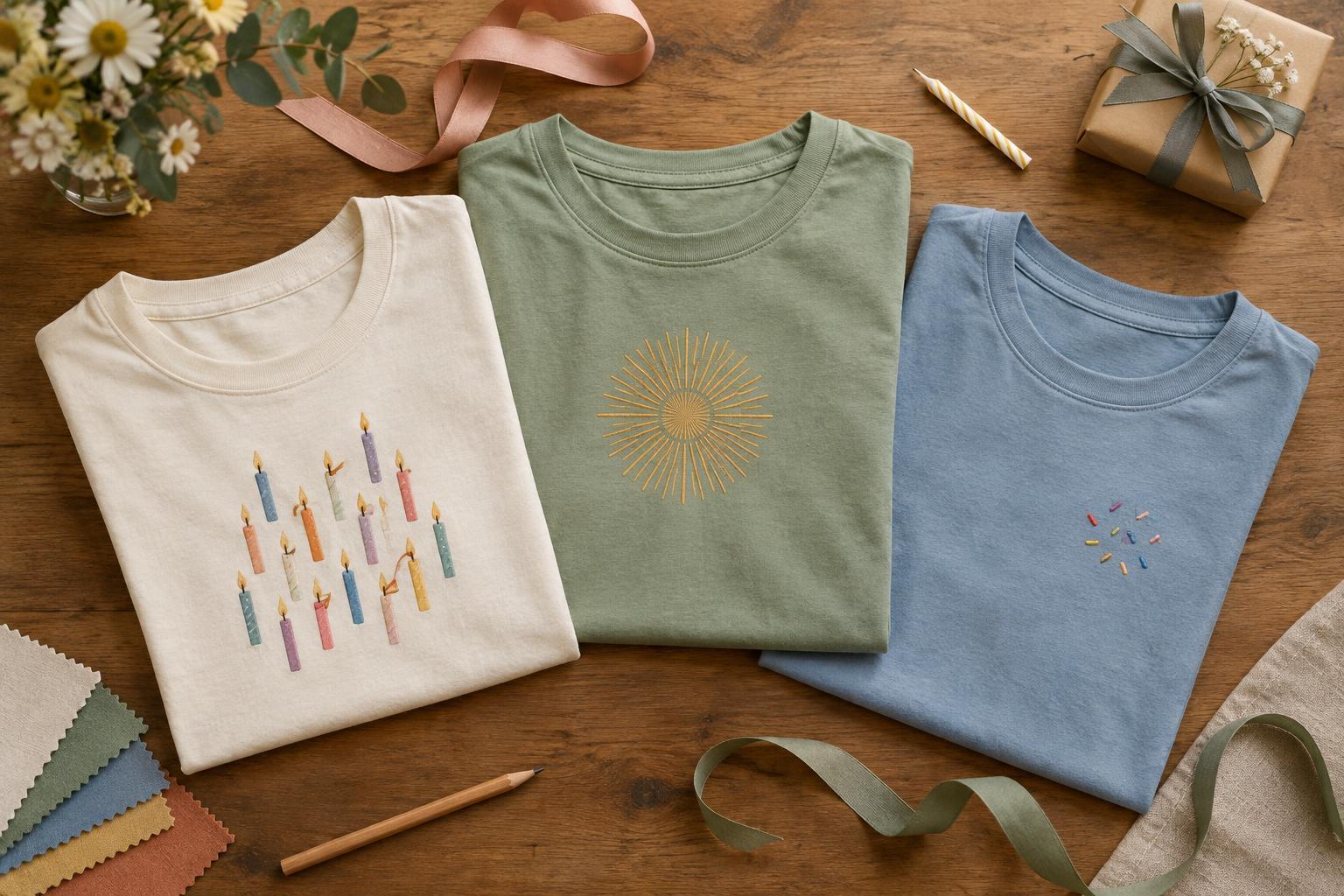
A milestone birthday invites a big number on a T-shirt, but the best starting point is the person who will wear it. Would they enjoy being the centre of attention, or would they prefer a design that only close friends recognise? A bold “30” across the chest suits a lively party. A small embroidered-style numeral near the hem or pocket area may be easier for a reserved recipient to wear again.
Think about the setting, too. A shirt for a garden gathering can be relaxed and colourful, while one intended for a dinner might work better with restrained lettering and a simple motif. If the T-shirt is a surprise, ask someone close to the recipient about their favourite colours and usual fit. Personalisation feels more thoughtful when the finished garment resembles something they might choose for themselves.
Give milestone ages a fresh angle
A number can be the main graphic without being the whole message. Try pairing it with an interest: a trail outline for a hiker, a stack of books for a reader or a record-inspired circle for a music fan. For a first birthday, a simple numeral and cheerful shape may be more useful than a long slogan. For an adult milestone, initials, a birth year or a short phrase can make the design personal without relying on a familiar age joke.
Humour works best when the recipient would make the joke themselves. Phrases about being “old” can land badly if they come from someone else. An alternative is to celebrate what the person enjoys now: “Still making things,” “More adventures ahead” or a custom phrase drawn from a shared memory. Keep the wording short enough to read at a glance, especially if it will sit above or below a large number.
Make group shirts feel connected, not identical
Matching shirts can help a birthday group feel like a team, but everyone need not wear the same message. Use one shared colour, typeface or small symbol, then vary the text. The birthday person might have a prominent graphic while guests wear a quieter version with the same motif. Another option is to place a small design on every shirt and reserve a special back print for the guest of honour.
Before choosing roles such as “birthday crew,” consider whether the shirts will be worn beyond the event. A design built around a place, hobby or shared phrase may become a more useful keepsake than one that only makes sense on the party day. If guests are buying or wearing their own shirts, check their preferences for fit and colour rather than assuming one style works for everyone.
Add personal details with care
Small details can make a simple shirt distinctive. A favourite flower, a pet silhouette, a nickname or a sketch of a meaningful object can all sit alongside an age or name. A child might enjoy choosing an animal or colour for their own birthday shirt. For adults, a discreet reference to a shared trip or hobby can be more appealing than printing a full list of facts about their life.
Decide what should remain private before adding names, dates or locations, particularly to shirts for children or for events in public places. Check the spelling of every name and the intended age before approving a design. If you are using a photograph, make sure it is one the subject would be happy to see on clothing and that you have permission to use it. A simple illustration is often easier to arrange on a T-shirt than a busy photo.
Choose a design people will want to wear
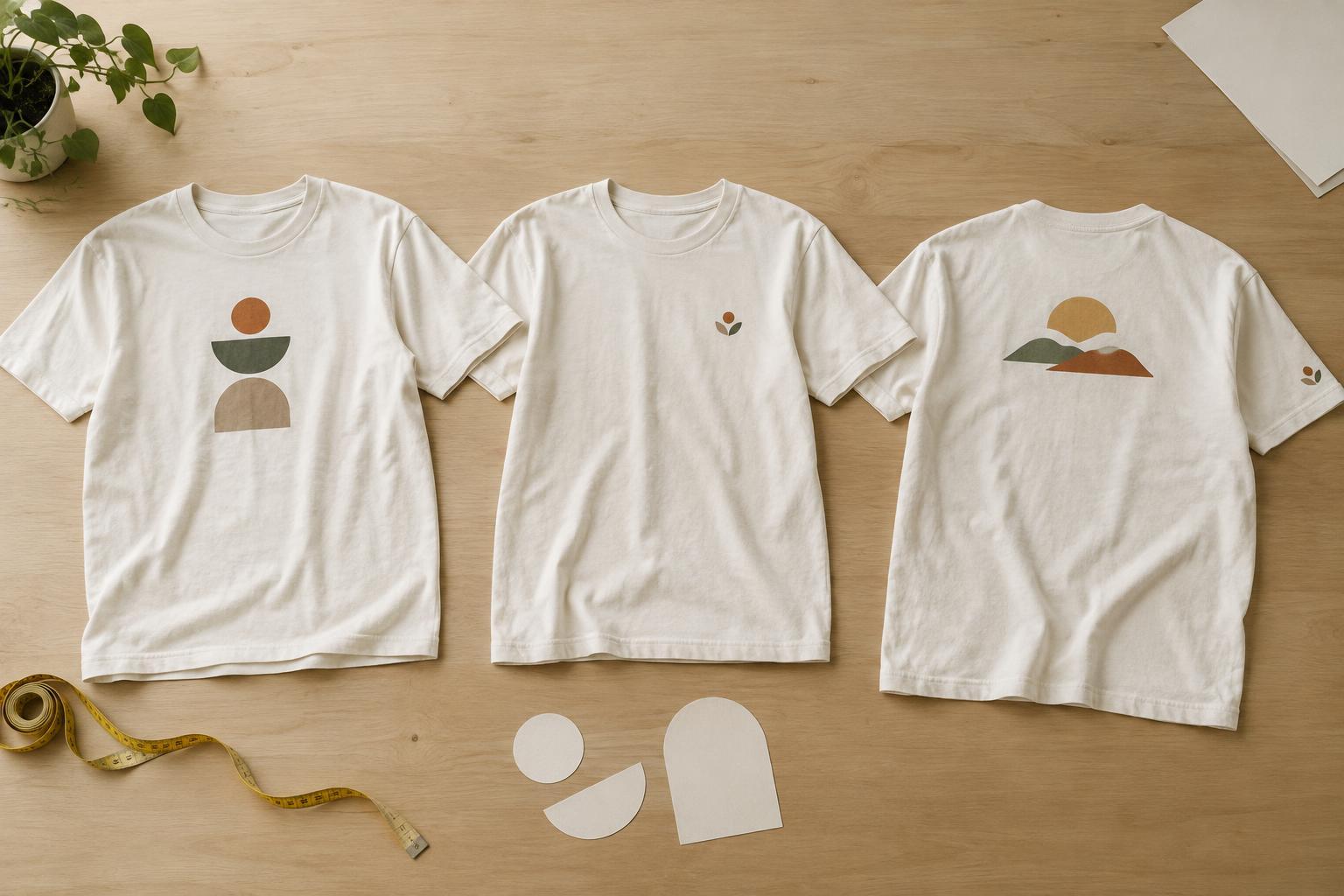
Plan the graphic around the garment, not just a blank rectangle on a screen. High-contrast text is easier to read, and generous space around a number or slogan keeps the design from feeling crowded. Consider where the artwork will sit when the shirt is worn: a small chest graphic feels different from a full front print, and a long line of text may wrap awkwardly around the body. If the design includes several details, let one be the focal point.
Fabric, fit and decoration also affect the result. A soft, comfortable shirt may matter more to the recipient than an elaborate graphic, while a simple design may offer more flexibility across printing or other decoration methods. Ask a decorator about artwork requirements, placement and care instructions for the chosen method rather than assuming every design will reproduce in the same way. Before ordering, review a mock-up at a realistic size and read every word aloud. The goal is a birthday shirt that feels like a celebration of its wearer, not just an announcement of their age.