What is a direct-to-film transfer?
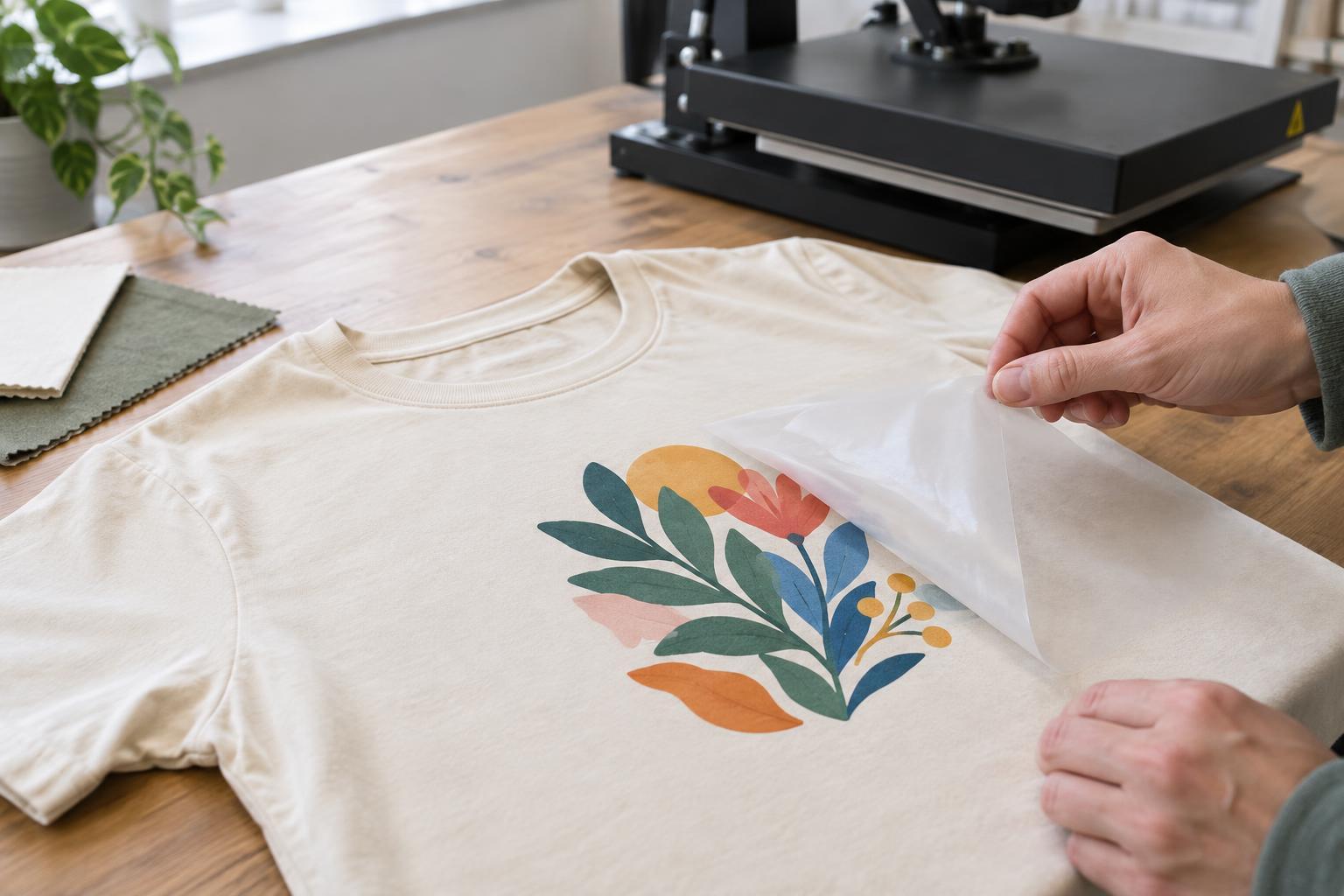
Direct-to-film, often shortened to DTF, is a way to decorate a garment using artwork printed onto a special film. The design is printed in ink, typically with a white layer behind the colours so it can show on dark fabric. A powdered adhesive is applied to the printed area and cured. Heat and pressure then bond the design to the shirt, and the film is peeled away. Depending on the materials and process, a second press may be used to finish the print.
Unlike direct-to-garment printing, the artwork is not printed straight onto the T-shirt. The transfer can be prepared before the garment is decorated, which makes it useful when the same design will go on different shirt colours or styles. The finished print sits on the fabric surface rather than becoming part of the fibres. That gives it a different look and feel from methods such as dye sublimation, which colours suitable fabric at the fibre level.
Where DTF can be a good fit
DTF is worth considering for artwork with several colours, small details or colour gradients. It can also be practical for designs that would be time-consuming to cut from heat-transfer vinyl. Because the white layer helps colours stand out, DTF can be used on both light and dark shirts. Many fabric types can accept a transfer, although a suitable combination of garment, transfer and pressing settings still needs to be checked.
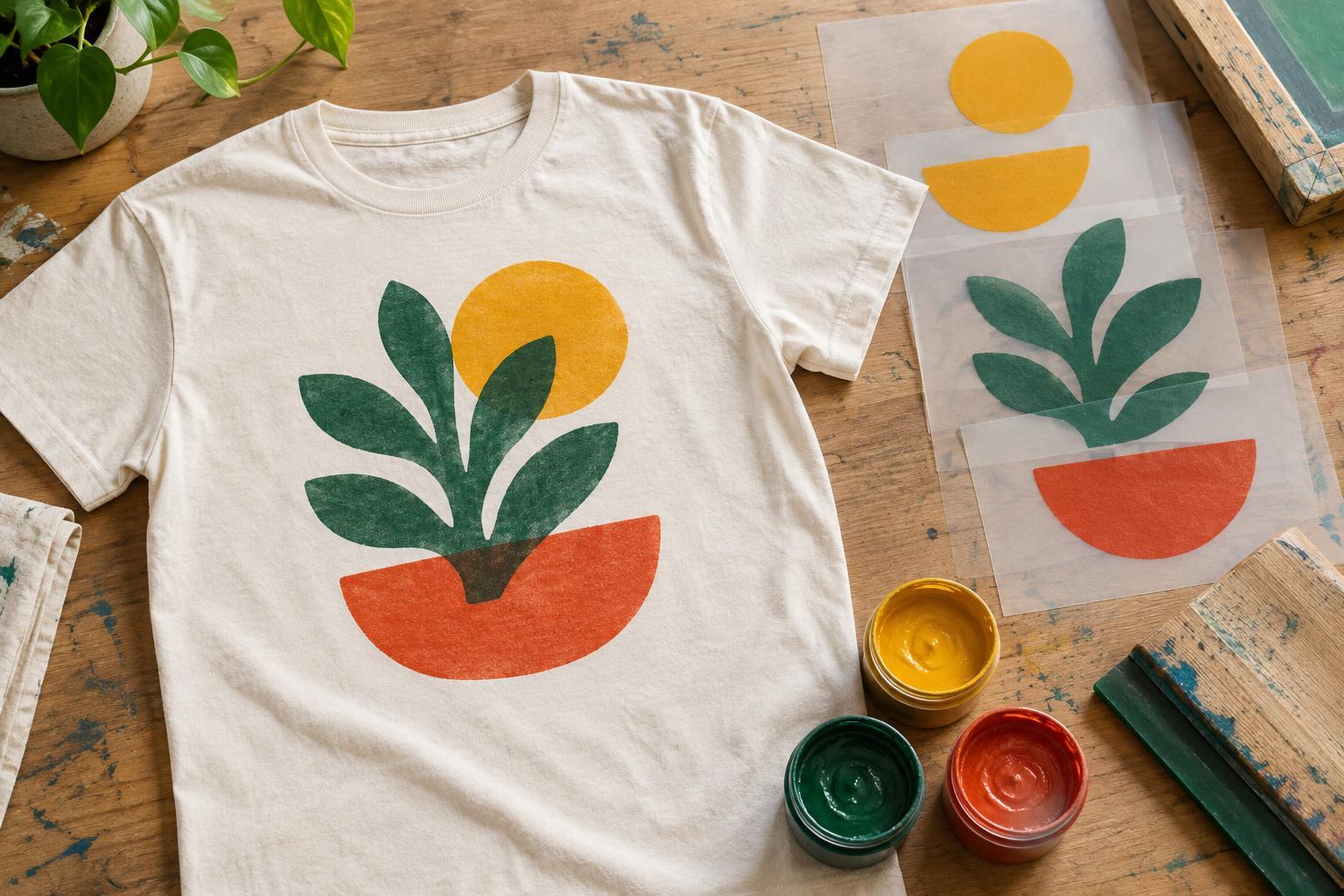
For a simple design produced in larger quantities, screen printing may be another option to compare. For a one-colour name or number, cut vinyl may be straightforward. Direct-to-garment printing offers a different feel and workflow, especially on cotton shirts. None of these methods is best for every job: quantity, artwork, fabric, placement and the desired finish all affect the choice. Ask to see a sample on a garment similar to the one you plan to use rather than judging a method only by a picture.
Designing for the printed feel
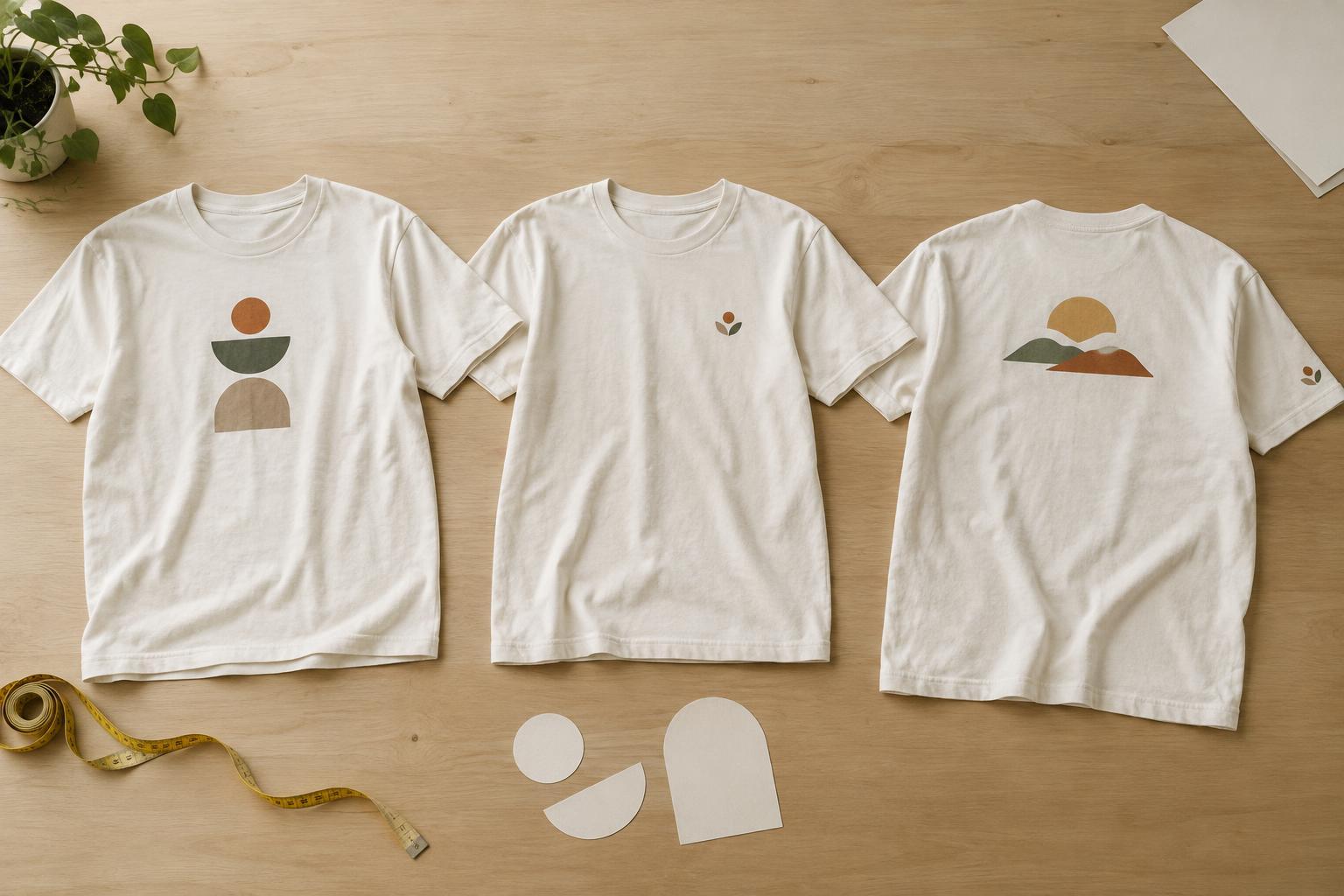
A DTF print usually has a noticeable surface texture. A large, solid rectangle of colour can feel heavier and less flexible than a design made up of smaller shapes. If comfort is a priority, consider leaving open space in the artwork instead of filling every part of the print area. This can help the garment move more naturally, particularly across the chest or back.
Fine lines, tiny text and closely spaced details deserve attention. Although DTF can reproduce detailed artwork, features that are very small may be difficult to read on a moving, textured shirt. View the design at its intended printed size, check that lettering has enough contrast, and avoid relying on subtle differences between similar colours. A transparent background is useful when you want only the artwork transferred; otherwise, an unintended background shape could become part of the print. Clear, high-resolution artwork helps a print provider assess what is achievable.
Fabric, placement and production checks
The garment affects both the result and the experience of wearing it. A soft, lightweight tee may feel different once a large transfer is added, while seams, pockets and textured areas can make even pressure harder to achieve. Placement matters too: a small chest graphic and a broad back print will behave differently when the shirt stretches. If the shirt is intended for frequent active wear, consider whether the print size and position allow comfortable movement.
Successful application depends on following the transfer and garment suppliers’ instructions for temperature, pressure, pressing time and peeling. Too little bonding can affect adhesion; excessive heat may damage a sensitive fabric. Before committing to a batch, it is sensible to check a sample for colour, alignment, edge finish, stretch and feel. If someone else is producing the shirts, ask what artwork format they need and whether they can test the chosen garment.
Looking after a DTF-decorated shirt
Care cannot guarantee that a print will last indefinitely, but gentle habits may help reduce wear. Follow the garment and transfer provider’s care guidance. Common precautions include allowing the print to settle before its first wash, turning the shirt inside out, using a mild wash cycle, and avoiding high heat when drying or ironing. Do not iron directly over the decoration unless the provider gives instructions for doing so.
Treat any lifting, cracking or unusual stiffness as a reason to review both the application and the garment choice, not as proof that every DTF transfer behaves the same way. Materials and workmanship vary. A sample that has been worn and washed gives a more useful impression of comfort and appearance than a freshly pressed print alone. For a T-shirt you expect to wear regularly, that small check can be as important as choosing the artwork.