What direct-to-garment printing does
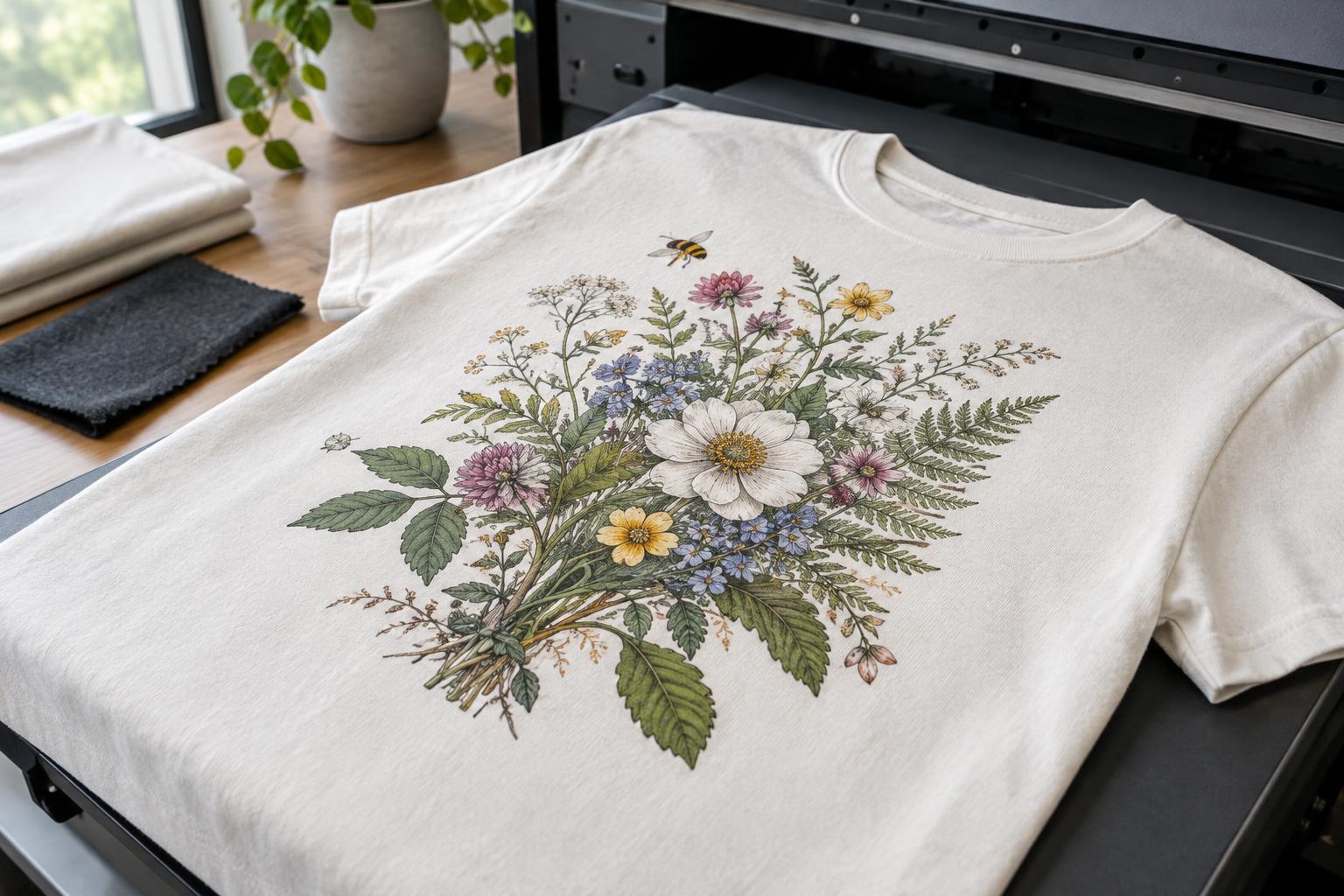
Direct-to-garment printing, often called DTG, applies ink directly to a garment using a printer designed for textiles. It can reproduce artwork with many colours without separating the design into a small set of printing screens. That makes it worth considering for illustrations, painterly images and designs with subtle changes in tone.
A DTG print is not simply a paper image transferred onto a shirt. The ink, fabric and printing process all contribute to the appearance and feel of the finished design. A detailed image may look crisp on screen yet appear softer on a textured garment. The aim is to choose artwork that benefits from the method while leaving room for the natural variation of fabric.
Details that tend to suit DTG
DTG is especially useful when a design contains gradients, shading or more colours than would be convenient to print as separate solid layers. An illustrated landscape, a character with blended shadows or a collage of small colour areas may all be reasonable candidates. It can also suit a one-off design or a small run in which each garment has slightly different artwork, depending on the printer’s setup.
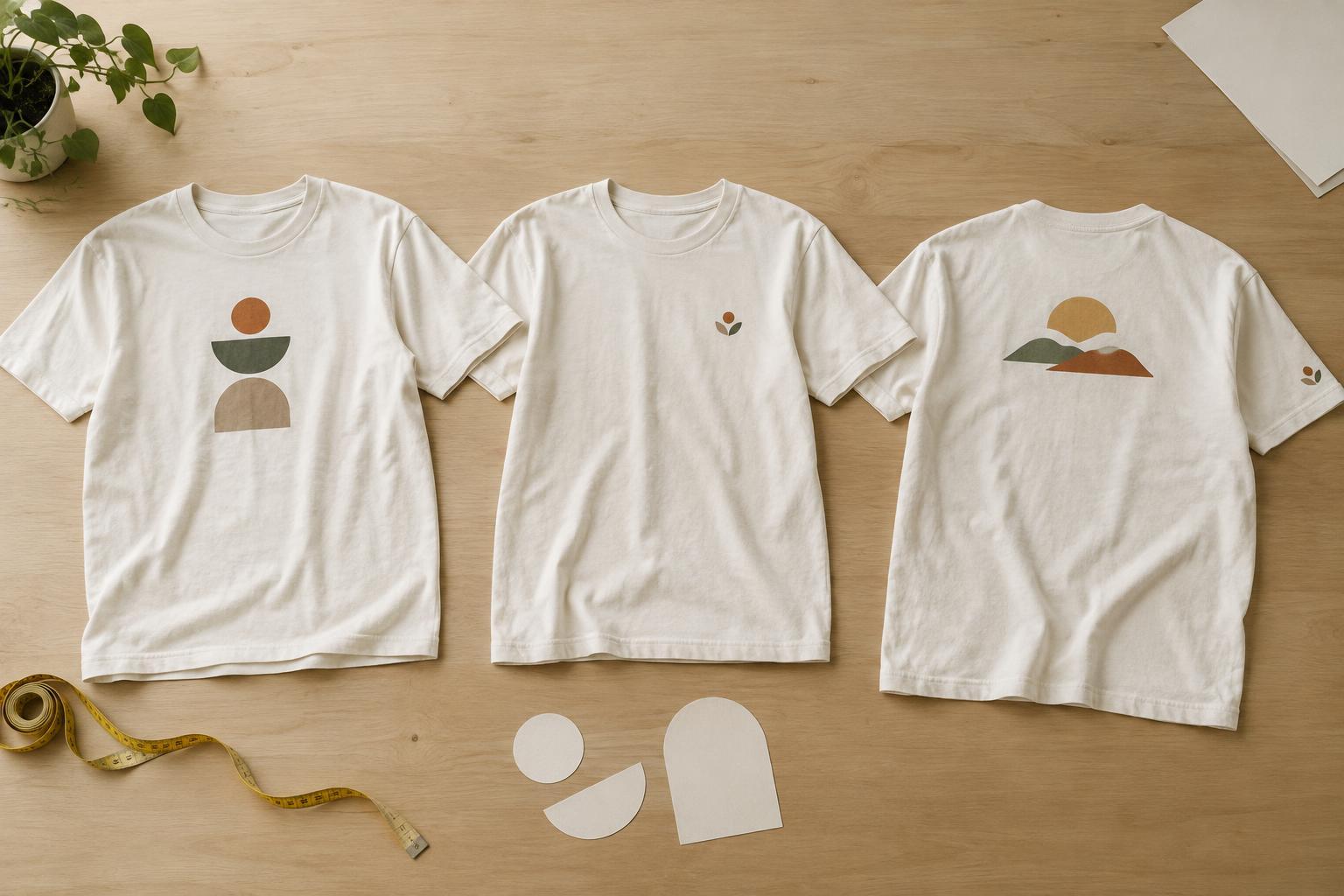
Detail still needs to be large enough to read on a T-shirt. Very thin lines, tiny lettering and closely spaced marks can lose definition when printed on fabric. View the artwork at its intended physical size rather than judging it only while zoomed in. If a face, label or decorative line matters to the design, make sure it remains understandable from a normal viewing distance. Clear shapes and deliberate contrast often do more for a print than adding extra pixels or finer marks.
How the shirt changes the image
The surface of the garment matters. A relatively smooth, tightly knit shirt generally gives small details a more consistent surface than a coarse or uneven knit. Cotton-rich fabrics are common choices for DTG, but suitable materials and settings vary by printer and ink system. Check what the print provider accepts before choosing a garment solely for its colour or fit.
Garment colour also changes the job. On a light shirt, some designs can use the fabric itself as the lightest area. On a dark shirt, the printer may need a white ink layer beneath the colours so that they remain visible. That extra layer can affect the print’s feel and may change how soft edges or transparent effects appear. If the artwork relies on pale highlights or a transparent background, ask how those areas will be handled on the chosen shirt.
Preparing detailed artwork for print
Start with a file sized for the intended print area. A small image stretched to cover the front of a shirt may look blurred or jagged, even if the original appears sharp on a phone. Keep an editable master file, then export in a format the printer requests. If the design has no intended background, confirm that the exported file has genuine transparency rather than a white rectangle.
Look closely at the edges of your artwork. A faint shadow, semitransparent brushstroke or soft fade can behave differently over a coloured garment than it does over a white digital canvas. Check spelling and line weight, and consider making important text or outlines slightly more robust. Screen colours are a useful design guide, not an exact preview of ink on fabric. For a design where a particular colour or small feature is essential, a sample print is more informative than a mock-up alone.
When another method may make more sense
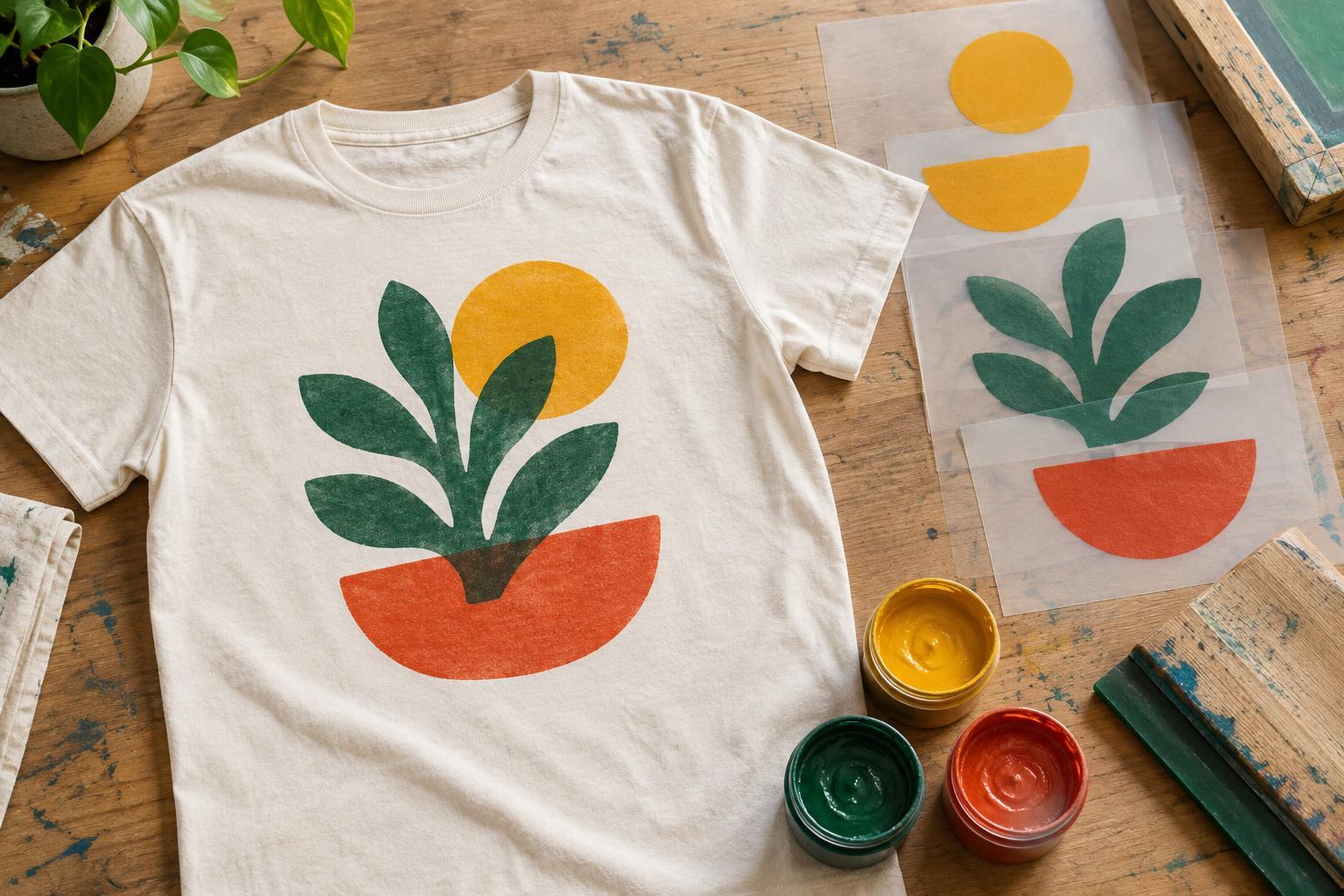
Detailed artwork is not automatically a reason to choose DTG. A bold design with a few flat colours, especially for a larger identical run, may be a better candidate for screen printing. Embroidery offers a different, stitched texture for simple shapes and lettering, but is less suited to photographic shading. Transfer-based methods can also handle multicolour designs, though their surface feel and fabric requirements differ. Compare the look you want, the quantity, the garment and the acceptable print feel before deciding.
Whichever method you choose, treat care instructions as part of the design plan. Follow the guidance supplied for the printed garment; washing gently, avoiding excessive heat and turning the shirt inside out may help limit wear. A strong DTG design balances visual detail with readable shapes, a suitable fabric and realistic expectations about how an image will look once it becomes something to wear.