What elastane adds to a T-shirt
Elastane is a stretchy fibre often blended with cotton, polyester or other fibres. It allows a fabric to extend as you move and helps it return toward its original dimensions afterward. You may also see it called spandex. A T-shirt does not need elastane to feel flexible: knitted fabric has natural give because of the way its loops are formed. Elastane adds another source of stretch and recovery.
The difference is often most noticeable in a close-fitting shirt. When you reach forward or pull the garment over your head, fabric containing elastane may move with you while keeping a more fitted outline. That does not mean every elastane blend feels the same. The knit structure, fabric weight, cut and other fibres all affect how much it stretches and how firmly it springs back.
Stretch and recovery are not the same thing
Stretch describes how far a fabric can extend. Recovery describes how well it returns after being stretched. A soft knit might stretch easily but remain slightly loose at the elbows, neckline or hem after wear. Another might resist stretching more yet return promptly to its starting shape. For a T-shirt, both qualities matter: generous stretch without good recovery can make a fitted garment feel less neat as the day goes on.
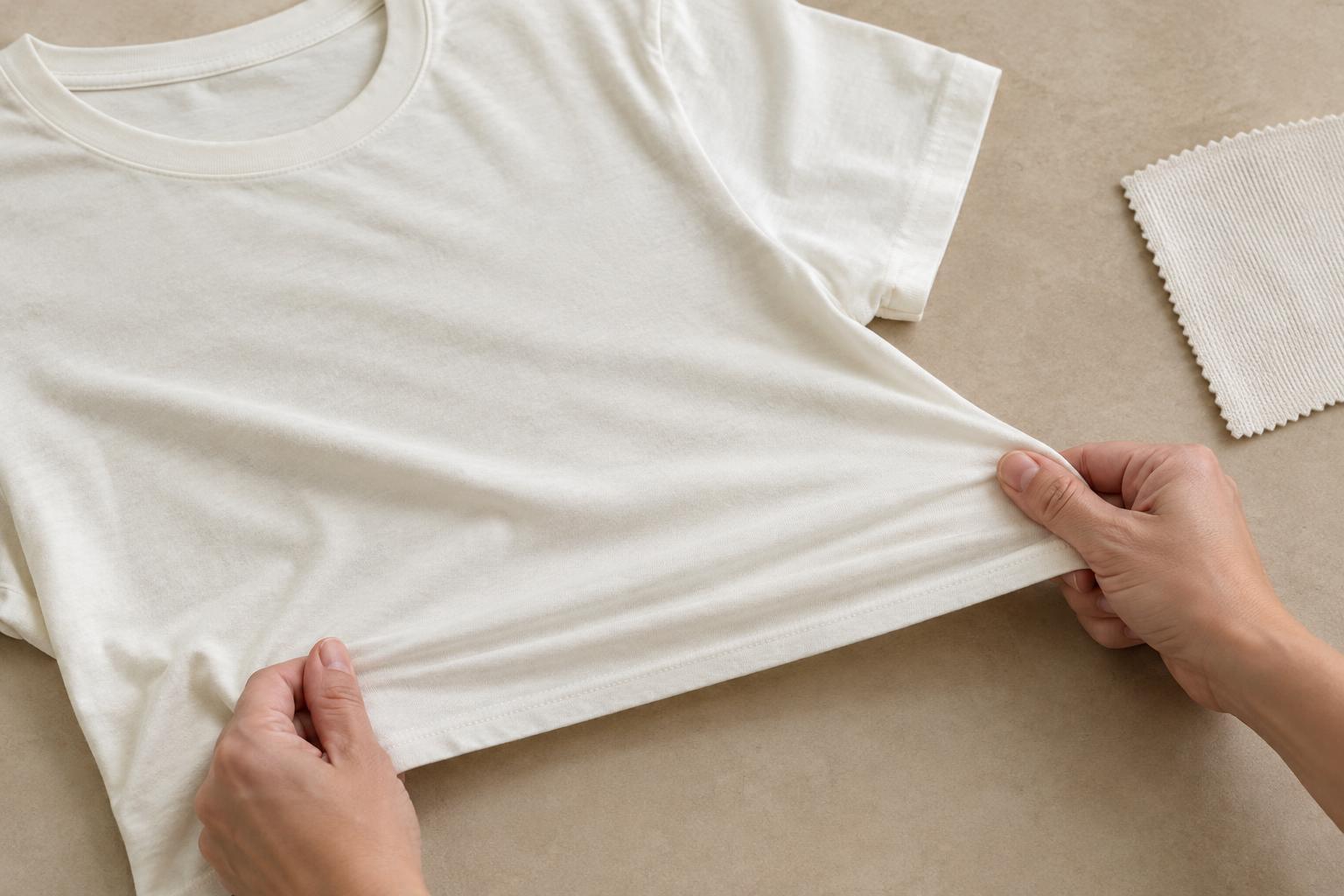
Direction matters, too. A fabric may stretch more across the body than from shoulder to hem. This can be useful for a tee that accommodates movement without growing noticeably longer. If you can handle a fabric sample, gently stretch it in both directions, release it and look for lingering distortion. This simple check cannot predict how a finished shirt will perform after repeated wear and washing, but it can help you compare options.
When elastane is useful—and when it may not be needed
Elastane can be a helpful choice for a slim or body-skimming T-shirt, especially if you want the garment to move comfortably without relying on a loose cut. It may also help areas such as cuffs and neckbands retain a tidy fit. For designs intended to be worn under another layer, a fabric that follows the body can reduce excess bulk.
For a relaxed or boxy tee, extra stretch may offer less benefit. A well-chosen cotton or other knit without elastane can already provide enough give for everyday movement. Some people also prefer a fabric that hangs away from the body rather than one that feels snug. Instead of treating elastane as an automatic upgrade, start with the shape you want, then ask whether added stretch improves that shape.
What it means for fabric choice and decoration
Check the whole fabric description rather than focusing on elastane alone. Cotton-rich blends may feel different against the skin from polyester-rich blends, while fabric weight and knit construction influence drape and opacity. A small amount of elastane does not guarantee softness, breathability or a particular fit. If you are choosing a blank for a group, size range and cut may matter more than the fibre blend, since a stretchy shirt still needs appropriate room in the shoulders and length.
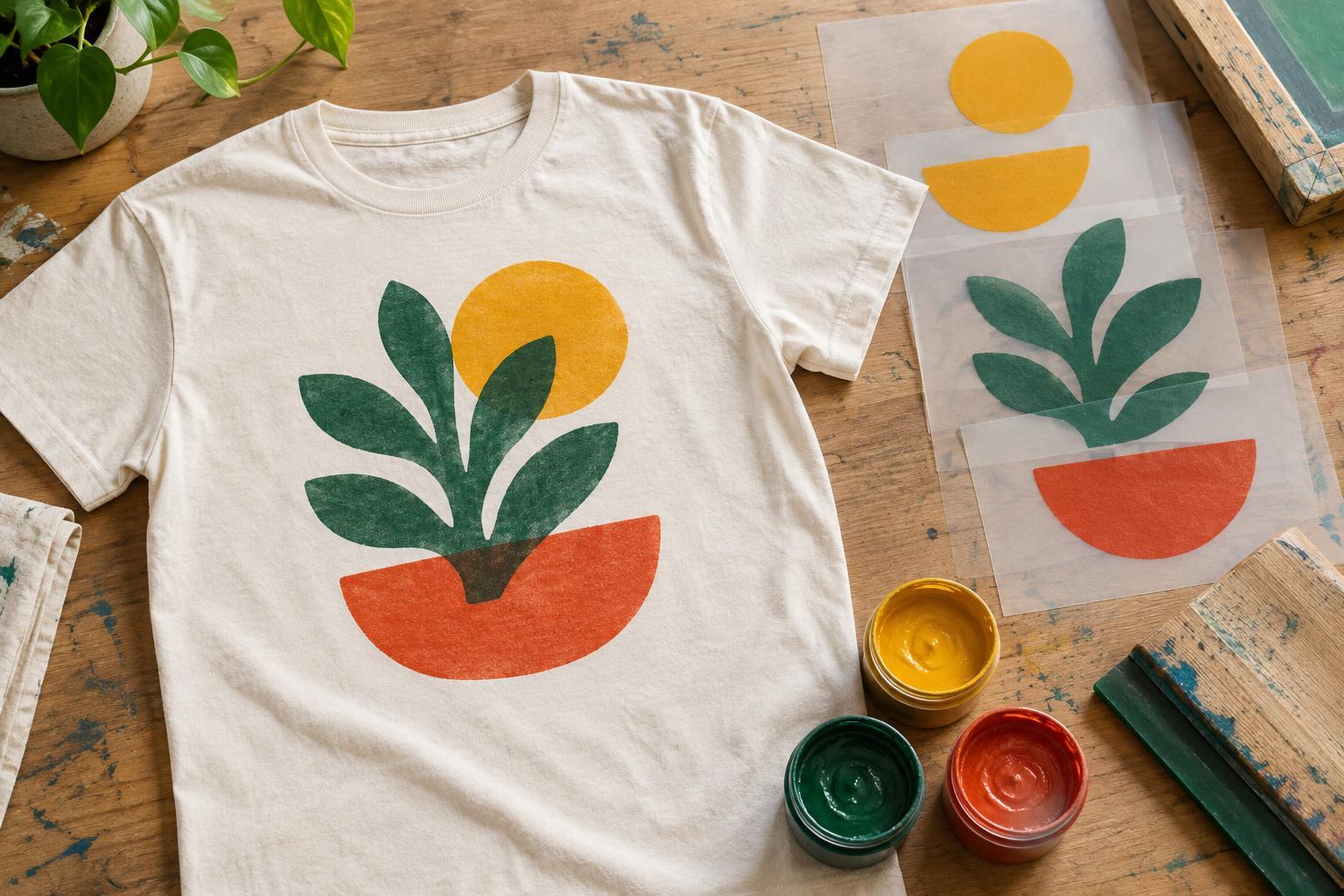
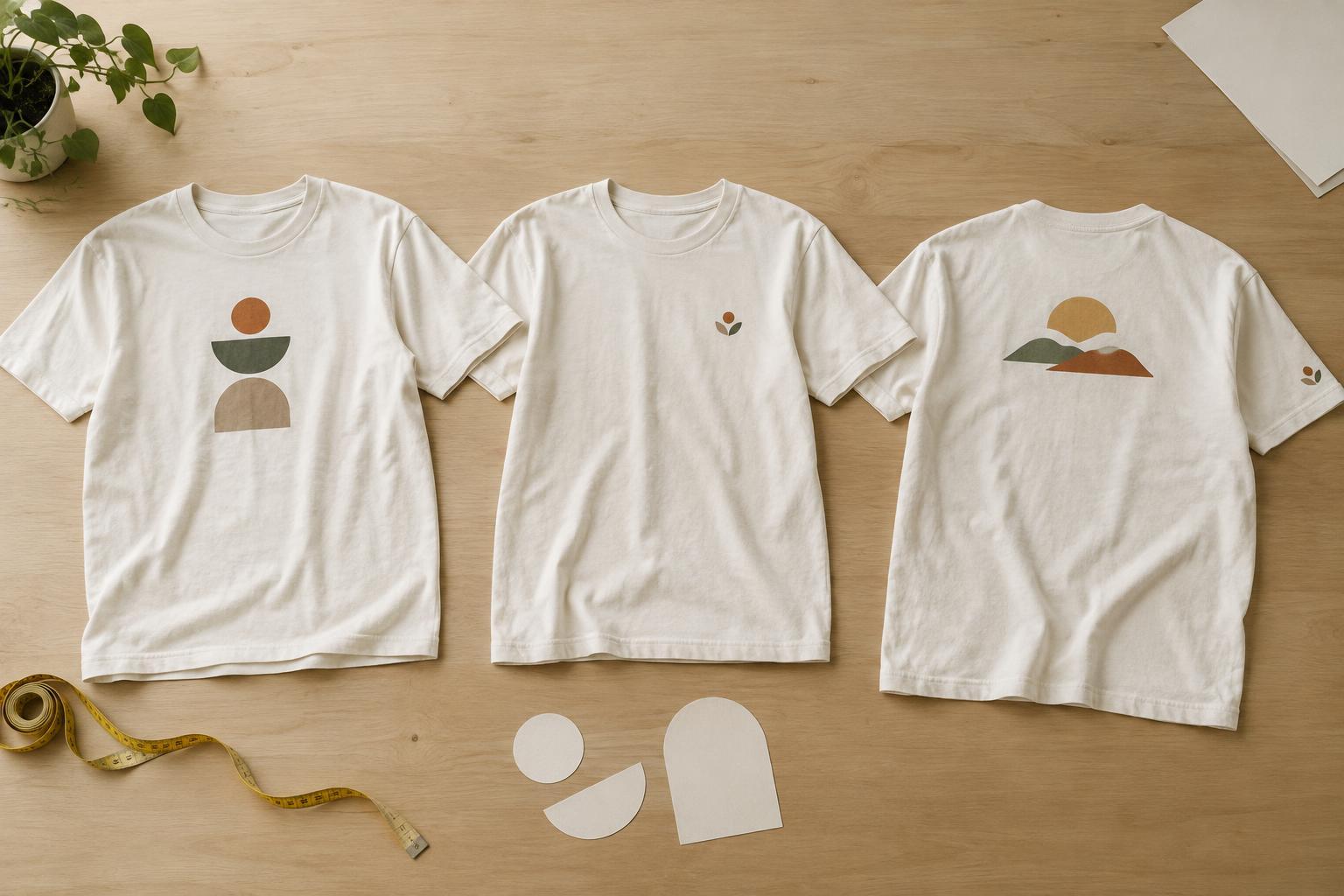
Stretch also matters when adding a design. A large, solid decoration across the chest may feel less flexible than the fabric around it, particularly on a close-fitting tee. The effect depends on the decoration method, materials and placement. If movement is a priority, consider a smaller graphic, a design with open space, or placement on an area that stretches less during wear. Ask a printer or decorator whether the proposed method suits the chosen fabric; avoid assuming that a stretchy blank will make every printed design stretch equally.
How to keep the fit working
Recovery can change with wear and laundering, and elastane can be sensitive to excessive heat. Follow the care label for the finished garment, including any instructions specific to its decoration. Gentle washing and avoiding unnecessary high heat are sensible habits when you want to preserve both the fabric’s shape and the design. Do not stretch a damp shirt aggressively into shape; handle necklines and hems with care.
The best test of an elastane T-shirt is how it fits during ordinary movement. Try sitting, reaching and raising your arms, then see whether the hem rides up or the neckline shifts. The fabric should feel comfortable without making the shirt depend on constant stretching to fit. When the cut, knit and decoration work together, elastane can be a useful feature—not a substitute for choosing the right size and shape.