Start with a shared idea, not a single style
The best starting point for a multigenerational reunion shirt is something family members can recognise without needing to share the same taste in clothes. A family name, reunion location, simple tree illustration or phrase used within the family can provide a common thread. Keep the central idea broad enough to include relatives joining through marriage, adoption or close family ties. If a surname does not represent everyone, a place name or reunion theme may feel more welcoming.
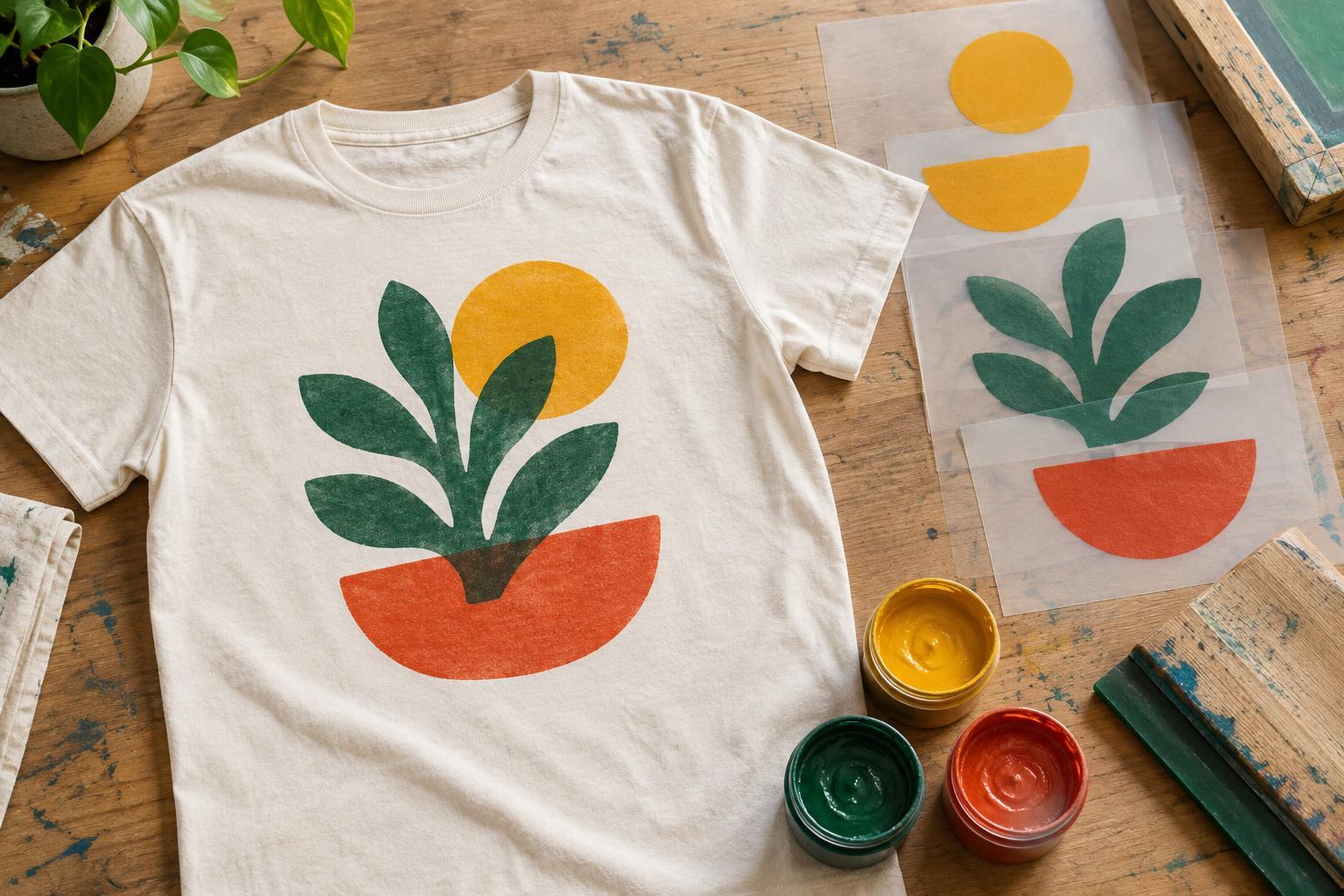
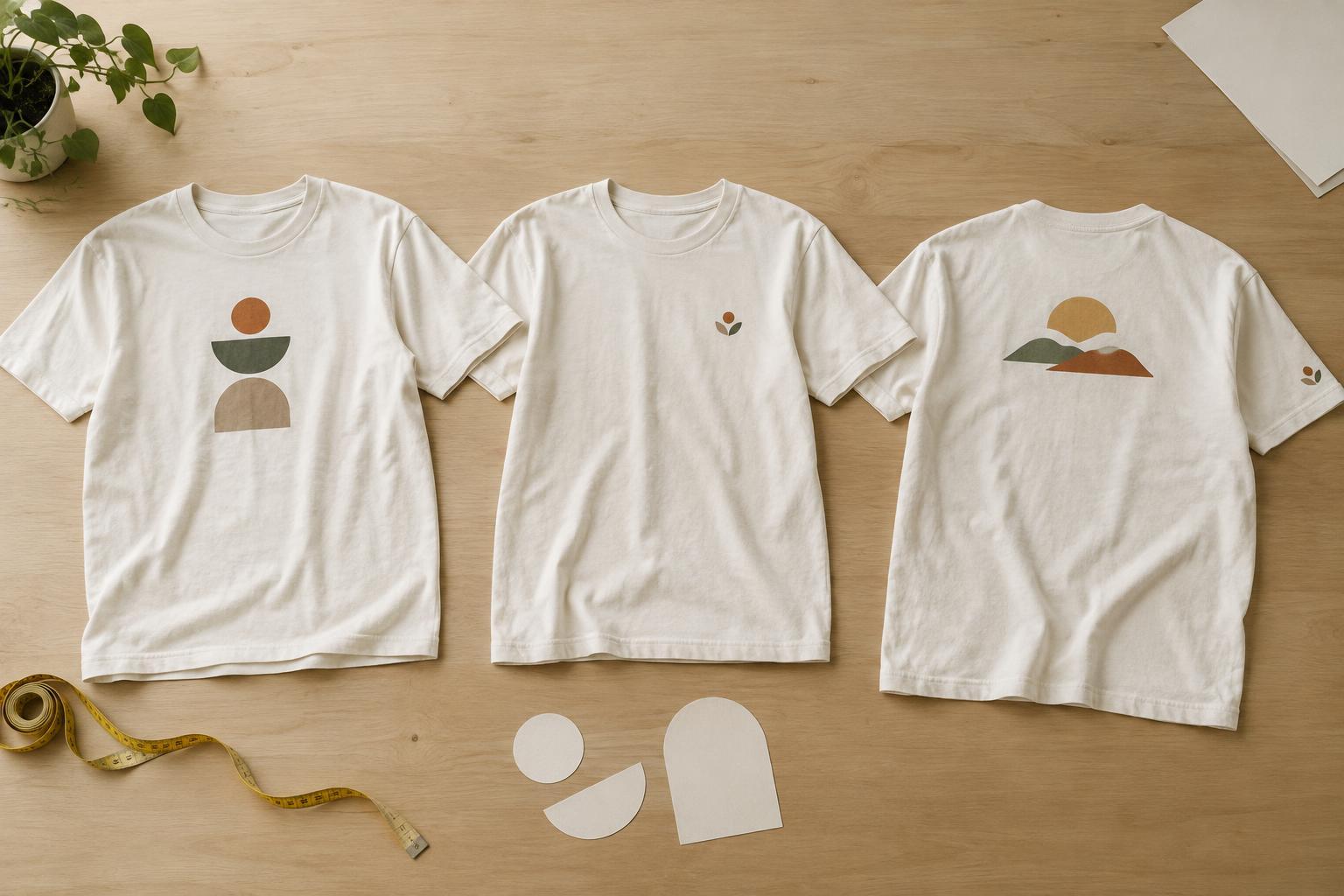
You can carry one motif across several shirt options instead of requiring an identical garment for every person. For example, a small tree graphic might appear on a classic tee, a relaxed-fit tee and a child-sized shirt. A shared ink colour or small symbol ties the group together while letting people choose a version they are comfortable wearing after the event.
Make the design easy to read at any age
Reunion shirts often need to work both in a group photo and up close. Choose a short main message and give it more prominence than secondary details. A clear typeface, generous spacing and good contrast between the print and fabric usually serve a mixed-age group better than tiny script or a crowded collage. If you include a year, place it where it supports the design rather than making it the only reason to wear the shirt.
Consider a front design that is simple enough for anyone to wear, with optional details on the back. A small front graphic could pair with a larger reunion illustration on the back, or the arrangement could be reversed. Check the layout at the smallest garment size you plan to order: text that looks balanced on an adult shirt may feel crowded on a toddler shirt. A separate simplified layout for smaller sizes can preserve the same idea without forcing every detail into a limited space.
Offer personalisation without putting anyone on the spot
Names can make reunion shirts useful for introductions, especially when relatives have not met before. First names are often enough; nicknames or preferred names may be more meaningful when people can choose them. An optional family branch, hometown or relationship label can help start conversations, but avoid assigning labels such as “eldest” or “newest” unless the person welcomes them. Offer a plain version for anyone who would rather not display personal information.
If you want a playful variation, let people select from a small set of approved details: a favourite family saying, a simple icon or a colour choice within the same palette. Too many unique combinations can make planning complicated, so decide which elements will stay consistent. Ask participants to confirm spelling and wording before production, and have one person review the complete list. This matters particularly when names include accents, hyphens or spellings that are easy to assume incorrectly.
Plan for different bodies, ages and comfort needs
A shirt that suits everyone starts with choices beyond the graphic. Offer a reasonable range of sizes and, where possible, more than one cut or garment shape. Some relatives may prefer a roomy fit, while others may want a closer fit. Children’s sizes do not always correspond neatly to age, so ask for a preferred garment size rather than guessing. A simple size chart from the chosen garment supplier can help people compare measurements with a shirt they already own.
Fabric weight and feel also affect whether the shirt gets worn again. A lightweight shirt may feel comfortable in warm weather, while a heavier one may appeal to someone who prefers more structure. Colour choices should consider both the print contrast and what people will enjoy wearing. If the budget allows only one garment option, a comfortable, versatile cut in a wearable colour is a sensible starting point; if options are possible, keep the design consistent across them.
Keep the process simple and the shirt useful afterward
Before finalising the design, share a mock-up that shows the graphic on a shirt rather than as an isolated image. Ask a few relatives of different ages whether the wording is clear and whether they would wear it again. This is a practical way to catch crowded text, unfamiliar jokes or a colour combination that does not appeal to the group. Make feedback specific: “Is the text readable?” will be easier to answer than “Do you like it?”
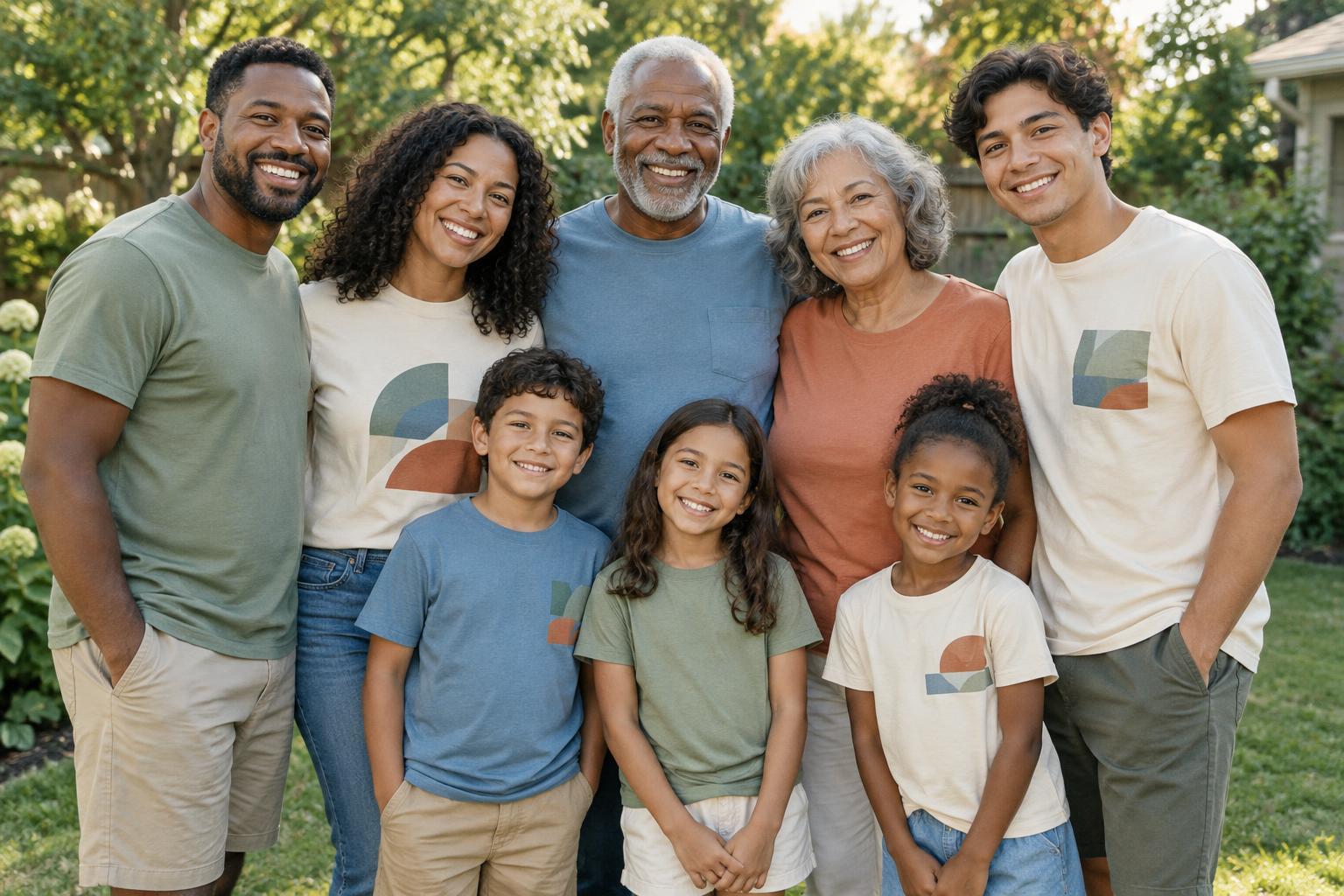
Think about how the shirts will be used at the reunion. If people will take group photos, a consistent main colour can create a cohesive look even when cuts vary. If relatives will be outdoors or active, prioritise comfortable garments over elaborate decoration. After the event, care instructions should follow the garment and decoration method chosen; washing inside out and avoiding excessive heat are often cautious habits for printed shirts. The aim is a keepsake people can wear, not just a uniform for one photograph.