Start with the shirt, not the storage space
There is no single right way to store every T-shirt. Folding usually suits soft, stretchy tees because it supports the garment rather than leaving its weight on the shoulders. Hanging makes shirts easier to see and can help a neatly dried tee stay ready to wear. The better choice depends on the fabric, the weight of the shirt, its decoration and how often you reach for it.
A lightweight jersey T-shirt may gradually develop bumps at the shoulders if it hangs for long periods on a narrow hanger. A heavier or more structured tee may hold its shape better, though its weight can also pull on the neckline if the hanger does not support it well. Before choosing a method, check the care label and look at how the shirt behaves after washing. If a hanger leaves visible marks, folding is the simpler option.
When folding works best
Fold everyday tees when drawer or shelf space is available, particularly if they are stretchy or have necklines you want to keep in shape. Lay the shirt flat, smooth it gently, fold the sides inward and bring the bottom up. Aim for a fold that fits the storage space without forcing the garment into a tight bundle. If you use a drawer, standing folded shirts in rows can make each one visible without lifting an entire stack.
Avoid building a tall, compressed pile. The weight of other garments can set creases, and a shirt at the bottom may be easy to forget. Smaller stacks or loosely packed drawer rows make it easier to take one tee without disturbing the rest. Give freshly laundered shirts time to dry completely before putting them away; trapped moisture can leave stored clothing smelling stale.
Folding is not automatically crease-free. If a particular shirt always develops a line down its front, change where you fold it or keep it in a shallower stack. For a tee you plan to wear soon, a quick shake and a little time laid flat may soften minor storage creases.
When hanging makes sense
Hanging can be useful for tees you wear often, shirts with a relaxed drape you want to keep visible, or pieces that crease noticeably in a drawer. It also makes outfit planning easier when T-shirts share a rail with overshirts and jackets. Leave enough room between garments that they do not become tightly pressed together.
Choose a hanger that supports the shoulders without extending beyond them. A smooth, rounded hanger is generally kinder to jersey than a thin wire one, which can leave sharper points. Place the shirt on the hanger without pulling hard at the collar; feeding the hanger up through the hem can help with a narrow neckline. If shoulder bumps appear, try a different hanger or switch to folding. Do not put a damp shirt into a crowded wardrobe just to avoid a folding crease; let it dry fully first.
Give prints and decoration extra thought
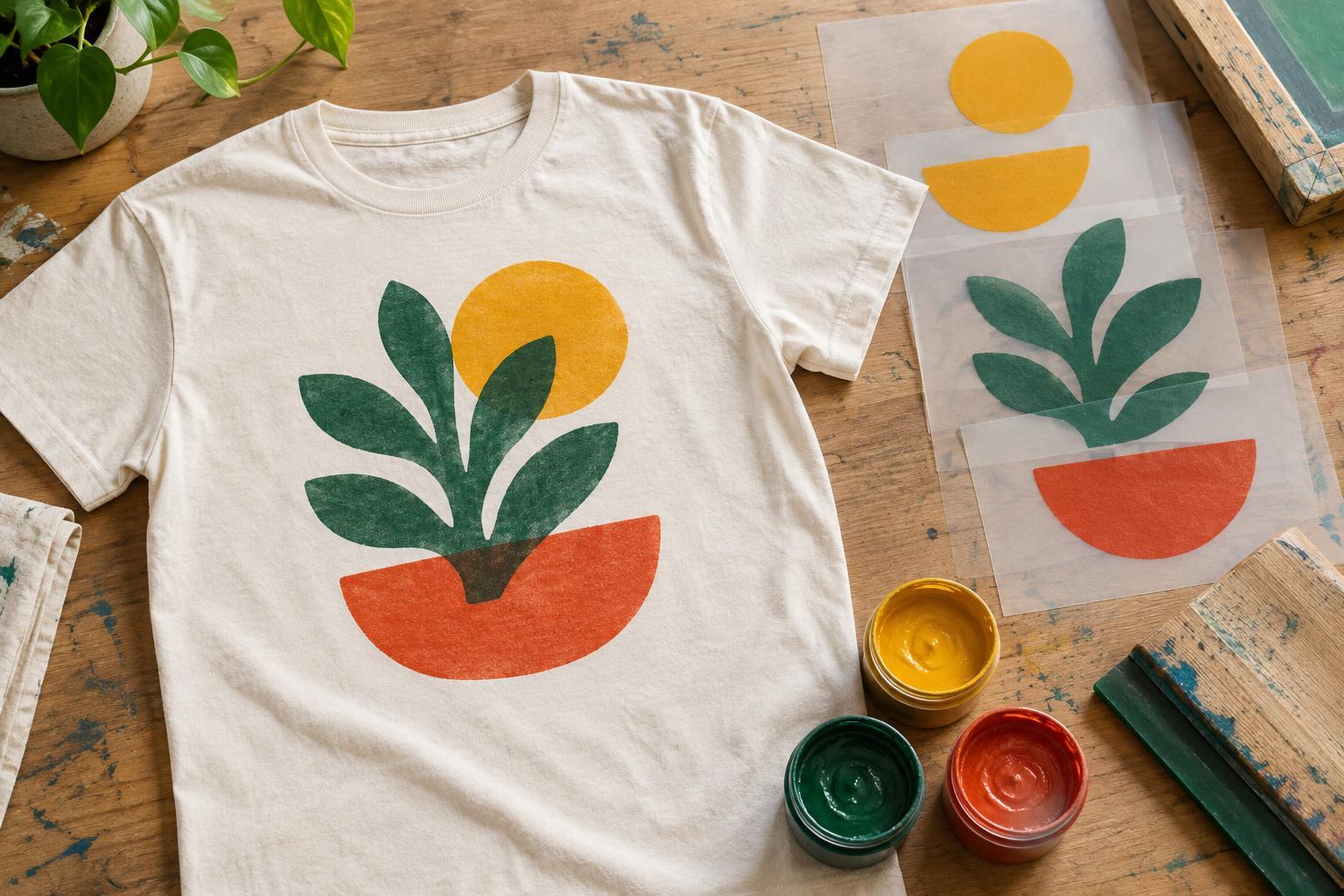
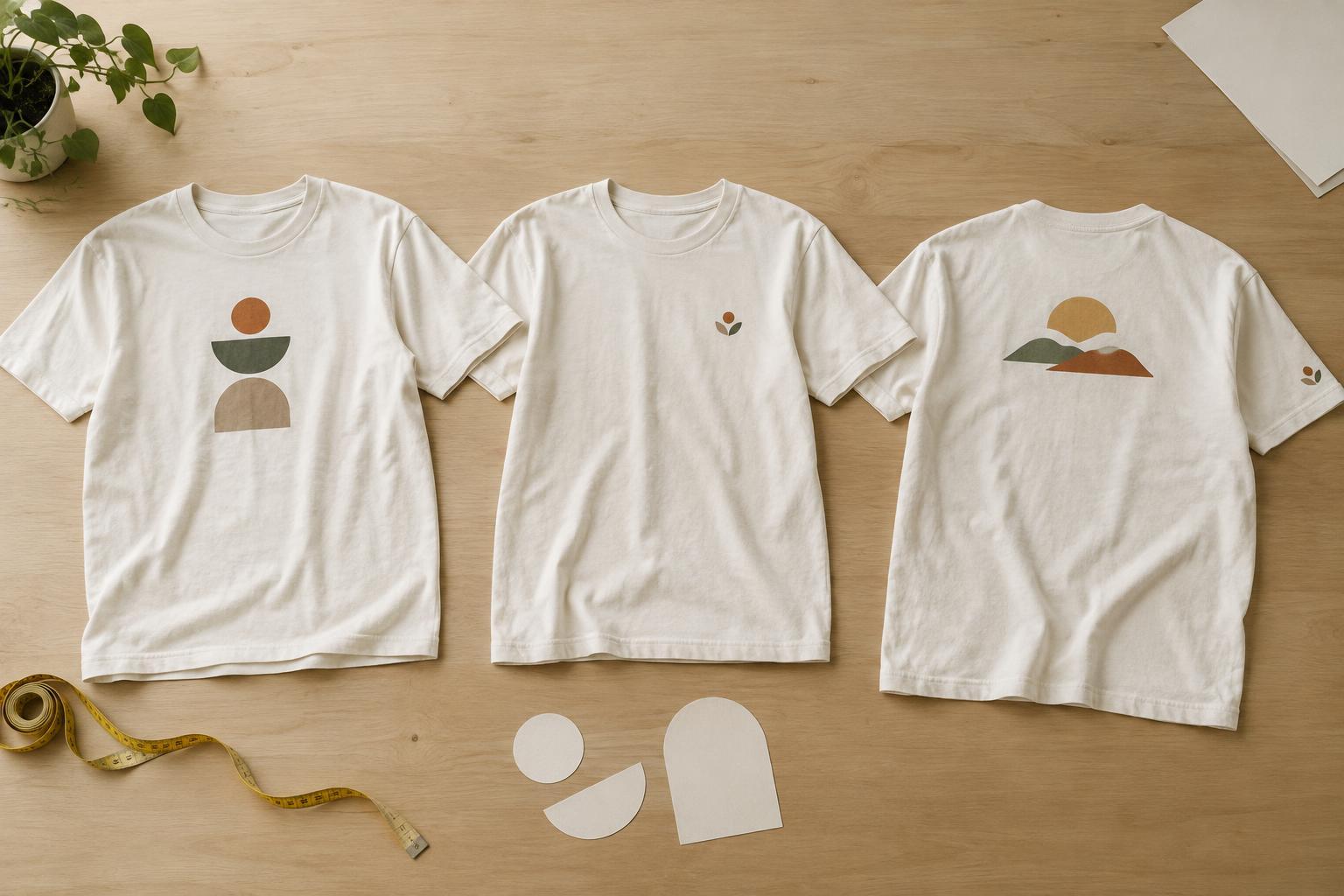
Custom T-shirts may have screen prints, transfers, embroidery or other details that affect how they sit in storage. A large graphic across the chest can land directly on a fold line. If that leaves a persistent crease, adjust the fold so the design lies flatter, or try hanging the shirt. Do not stretch a printed area to smooth it out; gentle handling is a better default, especially when you do not know how the decoration was applied.
Raised embroidery or textured decoration can press against nearby garments in a tightly packed drawer. Leave a little space around these shirts, and avoid placing a heavy stack on top of them. Hanging may reduce pressure on a front design, but it is not worth trading that benefit for a distorted neckline or shoulders. Check the garment after a few weeks of storage and let its condition guide your choice.
Use a mixed system you can maintain
You do not have to commit to one method for every tee. Fold soft basics and shirts you wear less often; hang a few frequently worn or crease-prone favourites. If space is limited, start by making storage easy to use rather than perfectly uniform. A drawer with room to see and remove each shirt is more helpful than one packed so tightly that every tee needs refolding.
Reassess when the season or your routine changes. Notice shoulder marks, stretched collars, stubborn fold lines and pressure marks on decoration. Those signs tell you more about your own garments than a universal folding rule can. Whichever method you choose, store T-shirts clean and dry, handle decorated areas gently, and give each shirt enough space to keep its shape.