Decide what the shirt needs to say
A fundraiser shirt has two jobs: help people feel connected to a cause and give others an easy way to understand it. That does not mean printing every detail of the campaign. Start by writing down the one idea someone should grasp at a glance. It might be the name of a community project, a short statement of support or a hopeful phrase chosen by the people involved. Let that idea lead the design.
Put the longer explanation elsewhere, such as on an event page, a handout or a sign at the fundraiser. On the shirt, a brief line of context can be enough: a cause name paired with a few words about its purpose. Read the wording aloud and ask whether someone unfamiliar with the campaign would understand it. If it requires a paragraph of background to make sense, simplify the shirt rather than shrinking more text onto it.
Build a clear visual hierarchy
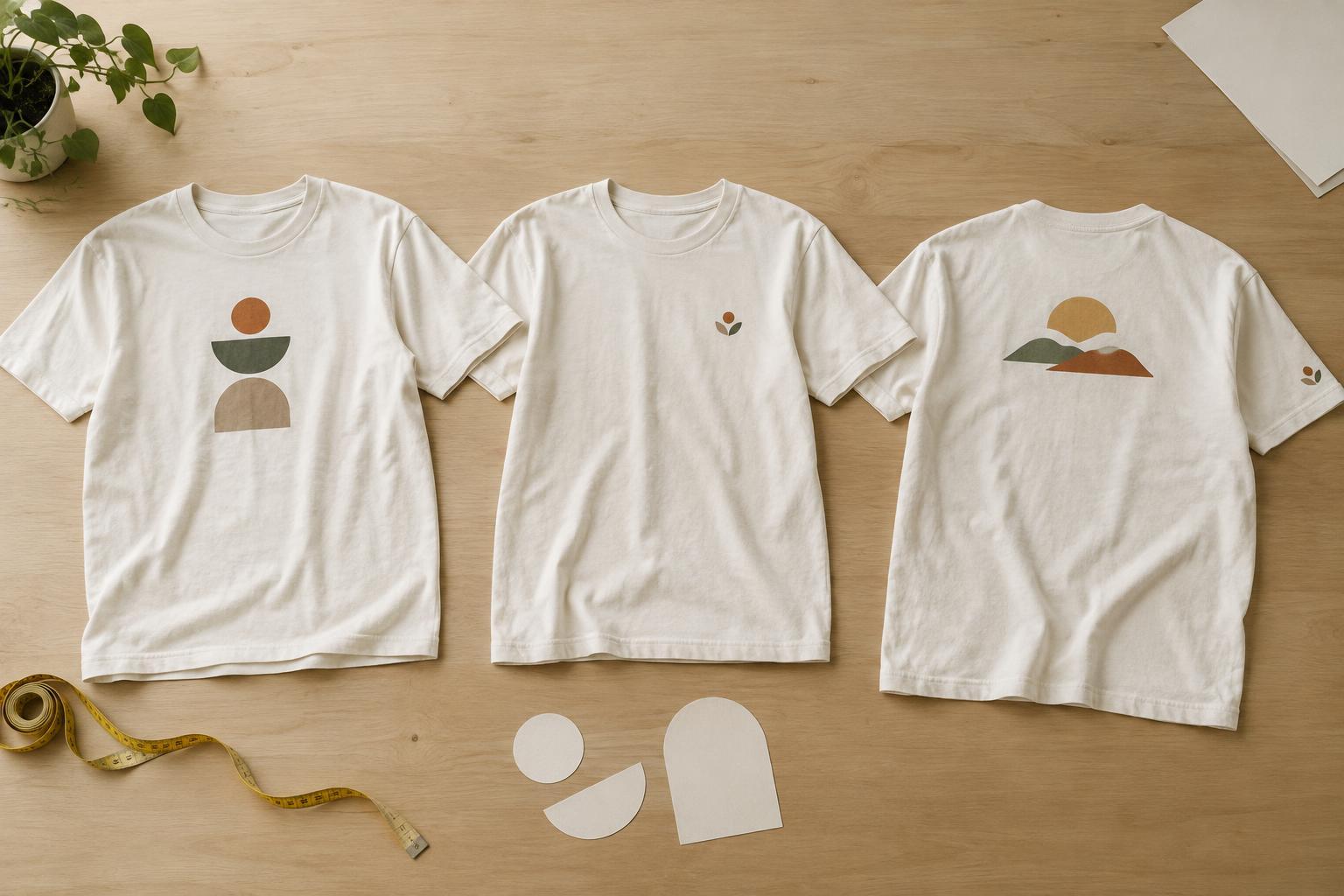
Choose a focal point before choosing decorative elements. A strong arrangement might use a bold phrase on the front, with a small campaign name beneath it. Another option is a simple symbol on the chest and a larger message on the back. Either approach gives the eye a place to start. If the event name, date, sponsor names, slogan and illustration all compete for attention, none of them gets much room to work.
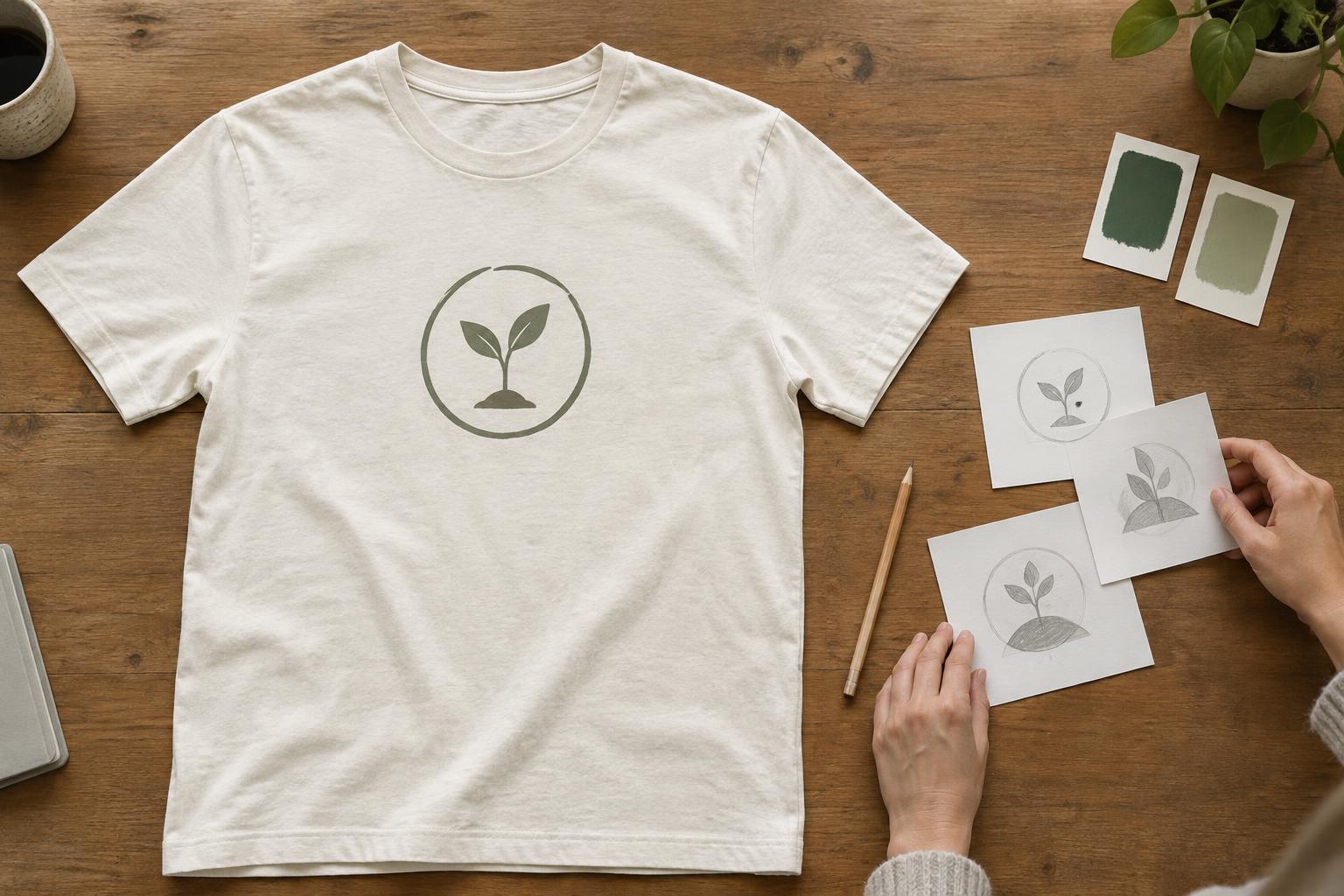
Sketch the design at roughly the size it will appear on the garment, then view it from a few steps away. Keep the most important words large enough to read comfortably, and leave space between lines and around graphics. Consider contrast between the print and shirt color; similar tones may look subtle up close but be difficult to distinguish at a distance. For a design offered in several shirt colors, check each combination rather than assuming one artwork color will suit them all.
Use imagery and personal details with care
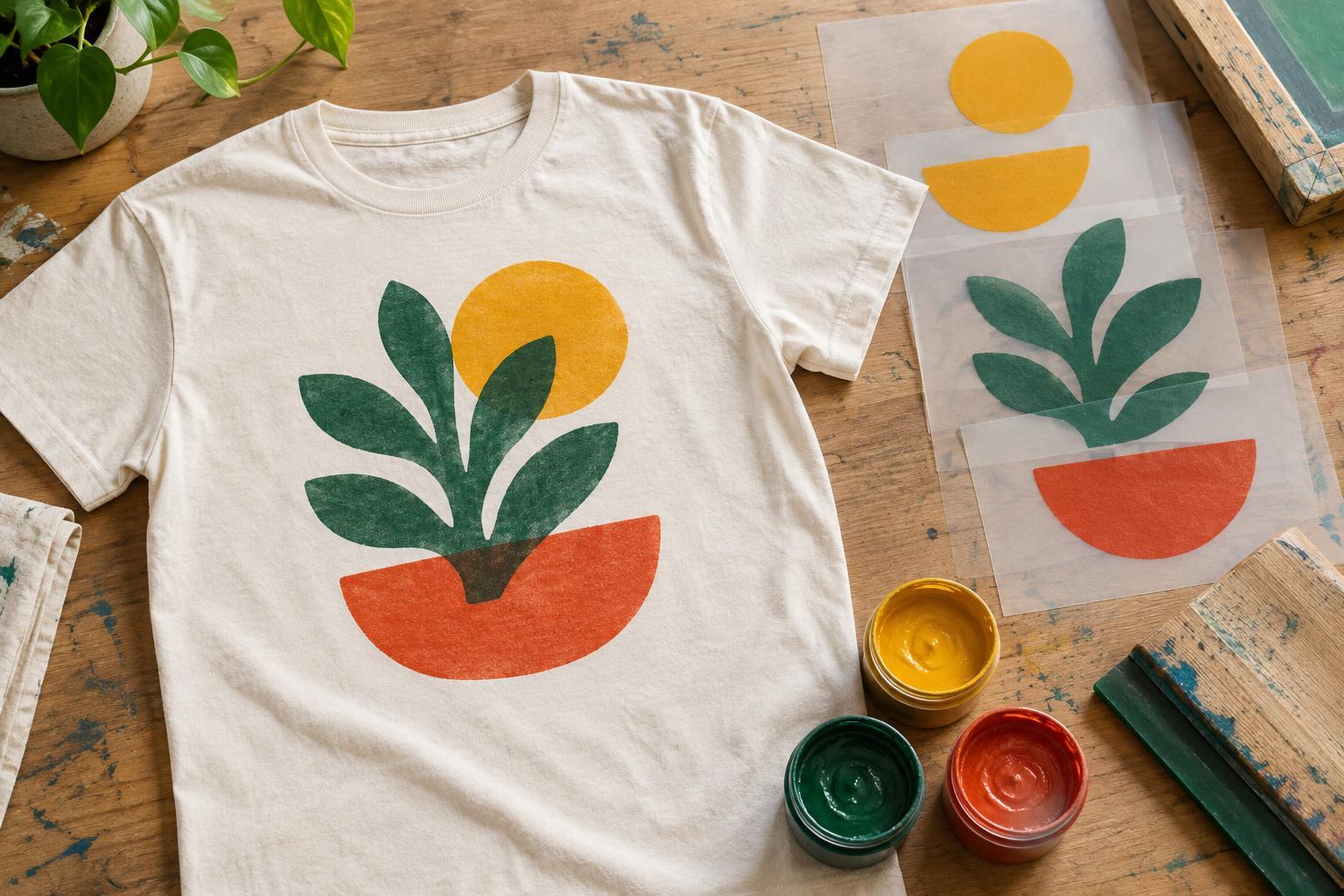
Images can communicate warmth without adding more words. A simple illustration related to the activity, place or community may work better than a collection of small icons. If a campaign has an established visual identity, use it consistently where permission allows. Avoid adding symbols merely because they look familiar: an image may carry meanings that do not fit the particular cause or the people it represents.
Fundraisers sometimes center on a person or family. Ask those involved what they are comfortable sharing before placing a name, portrait, personal story or health-related detail on clothing that may be worn in public for years. The same care applies to photographs and artwork contributed by supporters. A message can be personal without disclosing private information; a first name, a shared motto or a design made with the community may be enough. If the shirt represents a group, invite feedback from that group before settling on the wording.
Make practical choices for a wearable design
Think about where the shirt will be worn, not just how the artwork looks on a screen. A large, dense printed area may feel different from a smaller design, while a tiny line of text can be hard to reproduce clearly depending on the decoration method. Simpler shapes and fewer fine details are often easier to adapt across different shirt sizes. If a print provider is involved, ask about its artwork requirements, available print area and how the chosen method handles small lettering before finalizing the file.
The garment itself contributes to the message. Offer a fit and fabric appropriate to the event and likely wearers, and avoid describing one cut as universally suitable. A design intended for repeat wear may benefit from wording that still feels relevant after the event ends. If the date matters for the occasion, it could go in a less prominent position, leaving the main message useful beyond a single day.
Edit before you commit
Make a final pass by removing elements rather than adding them. Check the spelling of names, the accuracy of any approved wording and the order in which people are likely to read the design. Ask a few people who have not seen the draft what they think the shirt is about. Their answers can reveal whether the cause is clear or whether an inside reference needs a little context.
Finally, look at the design on the smallest garment size you plan to use and consider how it sits when worn, not only when laid flat. A fundraiser shirt does not have to explain everything to start a conversation. When its message is clear, respectful and comfortable to wear, supporters can carry the cause’s story forward in their own words.