What garment dyeing means
Most T-shirts are made from fabric that was dyed before the pieces were cut and sewn. A garment-dyed T-shirt takes a different route: the shirt is assembled first, then dyed. That change in order can give the finished garment a softer, more lived-in appearance, though the result depends on the fabric, dye method and finishing steps.
Garment dyeing is not a single recipe. A shirt may be dyed for relatively even color, or treated to create a deliberately faded effect. Terms such as “pigment-dyed” and “garment-dyed” are sometimes used together, but they do not mean exactly the same thing: garment dyeing describes when the shirt is colored, while pigment refers to one way color can be applied. If you want a particular look, inspect the actual shirt or a reliable sample rather than relying on the label alone.
Why the color can look different
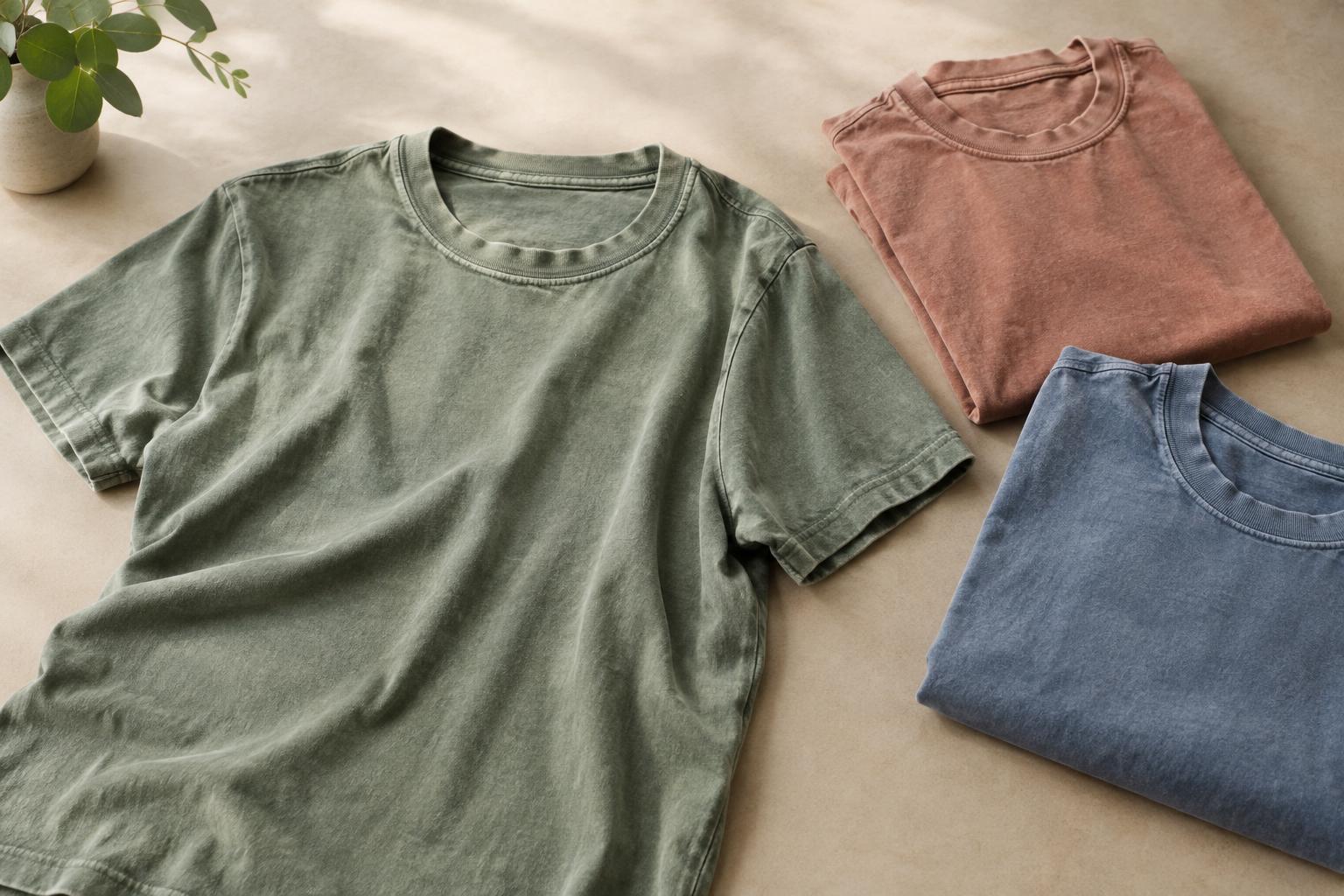
A garment-dyed shirt may show subtle differences in shade around seams, hems, collars or pockets. These areas have extra layers or changes in fabric tension, which can affect how color takes and how the garment looks after washing. Variation can add depth to a simple T-shirt, but it also means that two shirts described as the same color may not appear perfectly identical.
Fabric content matters too. Cotton, polyester and sewing thread may respond differently to a dye process. On some shirts, stitching stands out because the thread takes less color than the surrounding fabric. A printed color name is therefore only a starting point; compare physical samples when matching shirts for a group or choosing a precise background for artwork.
Color also changes with use. Some garment-dyed finishes are intended to fade gradually, while others hold their appearance differently. Friction, washing habits and light exposure can all influence how a shirt ages. If a crisp, uniform color across many garments is essential, ask for samples and consider whether a shirt made from pre-dyed fabric better suits the project.
Texture, drape and fit
Garment-dyed T-shirts often feel soft and relaxed, partly because they may be washed or otherwise finished during production. Dyeing alone does not guarantee softness. The fiber, fabric weight, knit and finishing process all contribute to how the shirt feels against the skin and how it drapes.
The dyeing and washing stages can also affect dimensions. Many manufacturers account for this in their sizing, but a garment-dyed shirt should not be assumed to fit exactly like another shirt with the same size on the tag. Check the finished garment measurements, particularly chest width and body length, if the fit matters. For a group order, trying on a sample can be more useful than comparing size names.
Look at the fabric as well as the color. A lightweight knit may hang loosely and show the shape of layers underneath, while a heavier knit may feel more structured. Garment dyeing can complement either, but it does not turn one into the other.
Choosing a design for a garment-dyed shirt
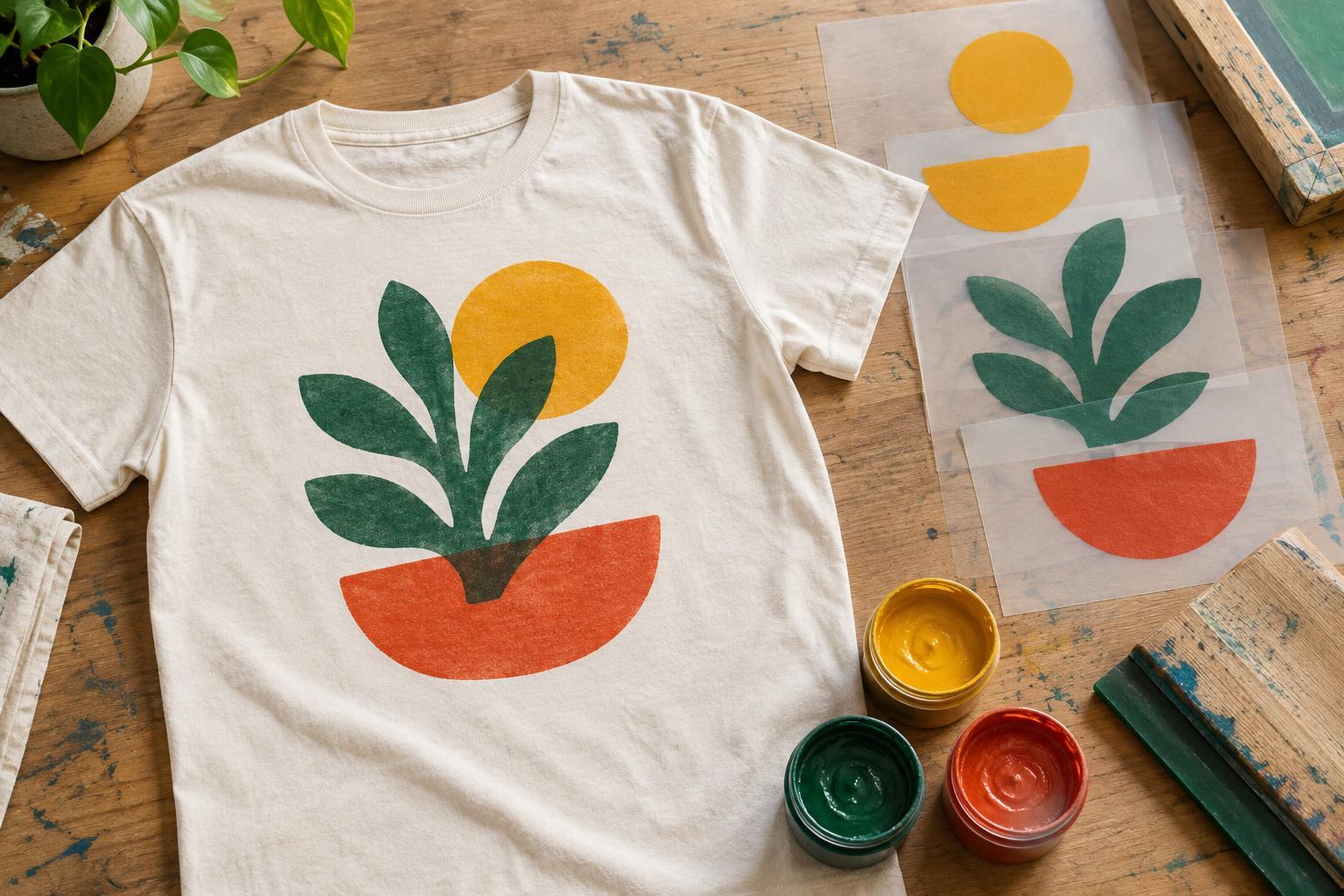
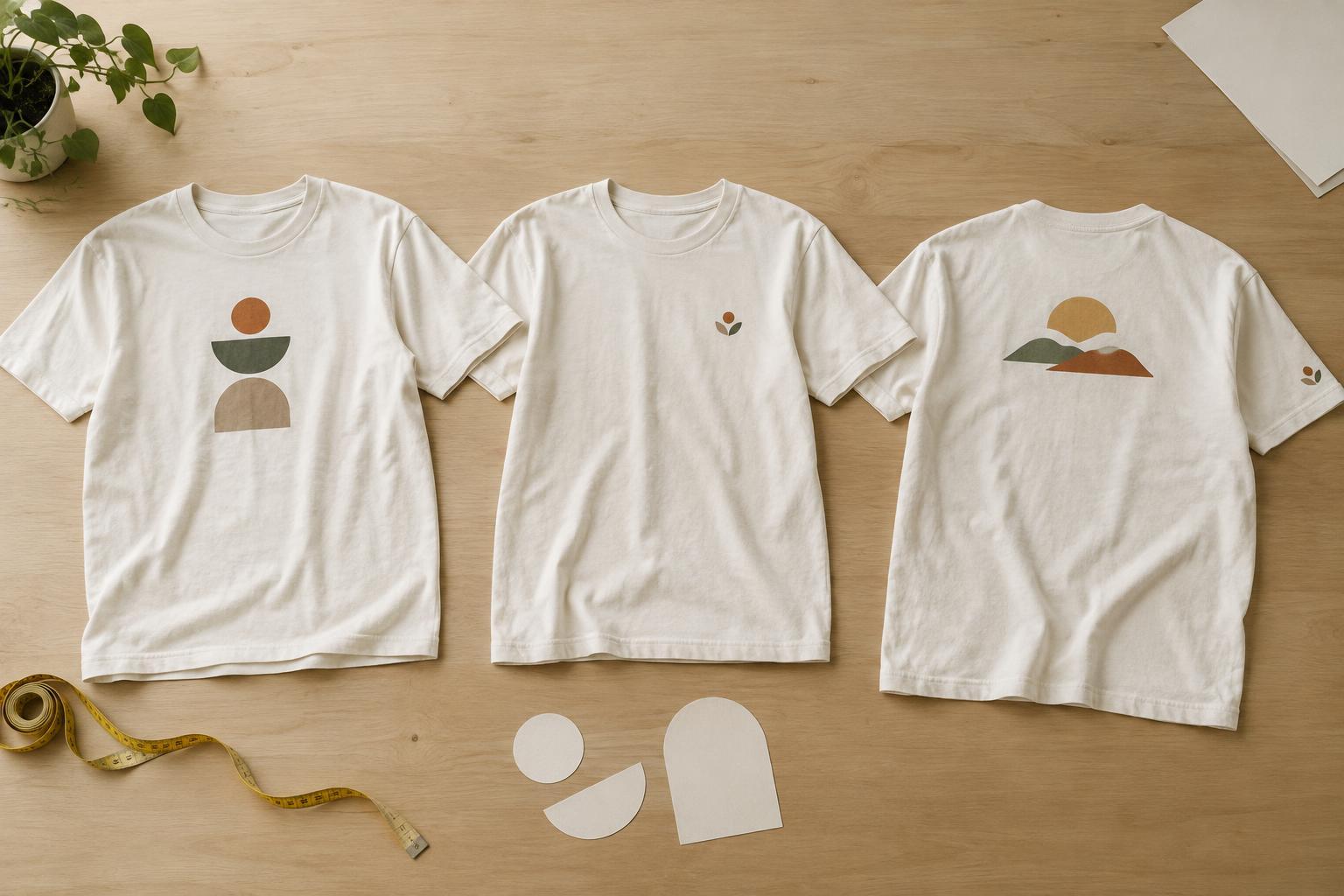
The uneven, broken-in character of some garment-dyed shirts can work especially well with simple graphics, lettering and designs that do not depend on a perfectly consistent background. A large flat print may look more striking on a uniform shirt; a small print can let the garment’s own color variation remain part of the design.
If you plan to decorate the shirt, check compatibility with the specific garment and printing method. Residual dye, surface treatments or changes in texture may affect how an ink or transfer appears or adheres. The printed color may also look different against a faded or variable background. For a design where exact color and sharp edges are important, request a test print on the intended shirt rather than assuming a result from a digital mockup.
Seams and hems deserve attention when placing artwork. Printing across a raised area can make consistent contact more difficult, regardless of how the shirt was dyed. Keeping important details on a smooth part of the garment is usually the simpler choice.
How to keep the finish looking its best
Start with the care label, since instructions vary by garment and decoration. Washing a new, strongly colored shirt separately for its first few washes is a sensible precaution in case it releases some color. Turning it inside out, using a gentle cycle and avoiding harsh treatments may help reduce wear to both the fabric surface and any printed design.
Heat and prolonged sun exposure can affect color and fit over time. Drying according to the label, rather than assuming every cotton T-shirt can take high heat, helps avoid unwanted changes. Some fading is part of the appeal of a garment-dyed shirt; careful care is less about preventing all change and more about letting the shirt age gradually and comfortably.