What heat-transfer vinyl does well
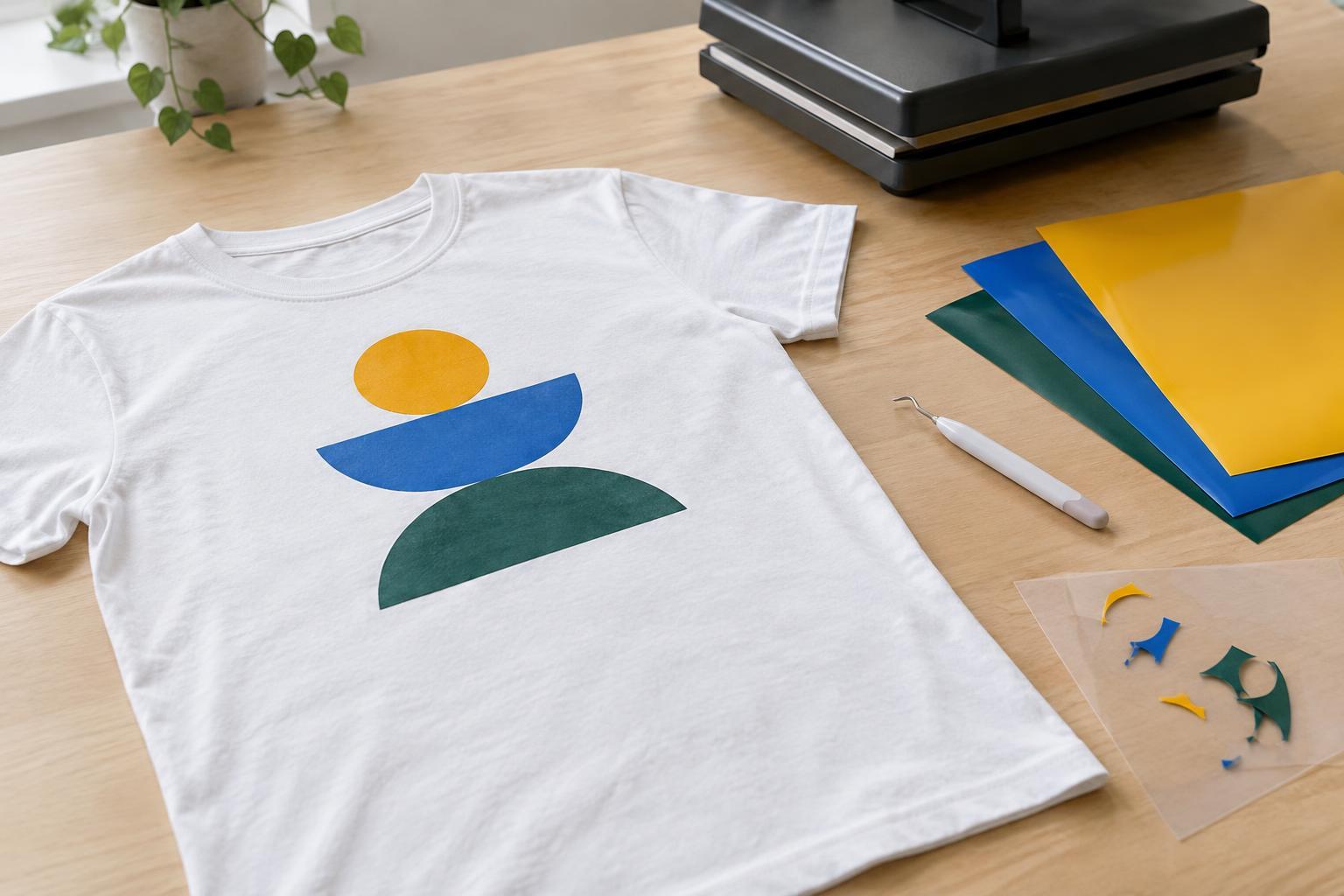
Heat-transfer vinyl, often shortened to HTV, is a decorative film applied to fabric with heat and pressure. A design is cut from the film, unwanted material is removed, and the remaining shapes are pressed onto the garment. Unlike a method that prints ink directly onto fabric, standard HTV creates a distinct layer on top of the T-shirt.
That makes HTV especially useful for clean lettering, simple logos, numbers and other shapes with defined edges. It can be a practical choice for a single personalised shirt or a small run in which names or numbers change from garment to garment. Available finishes may include matte, glossy, metallic, glitter and reflective effects, though the look and feel vary by product. Choose a finish for the effect it creates, not on the assumption that every type will behave the same way when worn or washed.
Start with shapes that are easy to cut and weed
The most dependable HTV artwork is usually bold enough to cut cleanly and simple enough to weed, meaning the excess vinyl can be removed without disturbing the design. A large word in a clear typeface, a silhouette or a graphic made from a few solid shapes suits the process. Spacing matters: leave room between letters and avoid tiny gaps that could disappear or become difficult to clear.
Very thin lines, intricate textures and small text demand more careful cutting and weeding. If an essential detail is barely visible at the intended print size, enlarge it, simplify it or choose a different decoration method. Standard cut HTV is also a poor match for photographic shading or smooth colour gradients because each cut shape has a solid colour. Printable transfer materials can handle different artwork, but they are a separate option with their own equipment and care considerations.
Plan colour and placement around the garment
A single-colour design is straightforward to plan because it uses one cut layer. Multiple colours generally require separate pieces to be positioned and pressed in sequence. That adds alignment work, especially where small shapes must meet precisely. Some materials can be layered, while others may need to sit directly on the fabric; check the instructions for the specific films rather than assuming any combination will work.
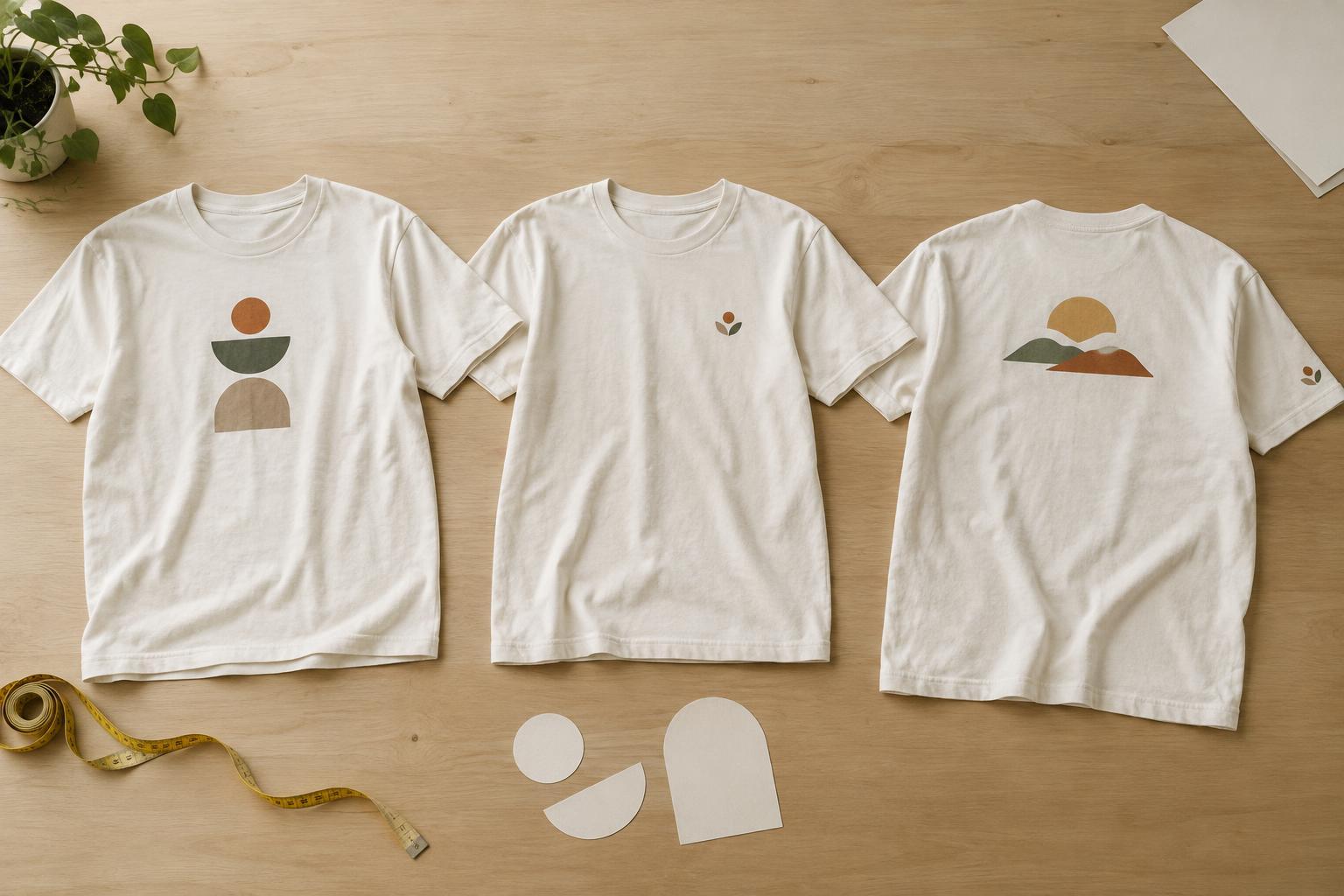
Placement affects comfort as well as appearance. A large, solid panel across the chest can feel less flexible or breathable than a smaller design or one broken into separate elements. Before finalising artwork, view it at actual size on the intended T-shirt shape. Check whether seams, pockets or a curved surface will interfere with even contact during pressing. A design that looks balanced on a flat page may need resizing or repositioning on a wearable garment.
Match the vinyl to the fabric and the job
HTV products differ in how they respond to stretch, heat and fabric texture. A stretchy shirt may call for a film intended to move with it; a less flexible film on a high-stretch area could feel restrictive or lift sooner. Fabric blends and surface finishes can also affect adhesion. Heat-sensitive materials need particular care, since too much heat or pressure may mark or damage the garment.
The practical decision is not simply whether HTV can be applied to a T-shirt, but whether the chosen film, fabric and design work together. Read the application guidance for both the film and garment, including any limits on temperature, pressure or layering. If you are making several shirts, testing the design on a spare or inconspicuous sample can reveal problems with detail, placement or feel before you commit to the full set. Results depend on materials, equipment and application, so a sample is more useful than a blanket promise of durability.
Know when to choose another method and how to care for HTV
Consider another decoration method when the artwork relies on subtle tonal changes, many tiny details or a very large area that should feel soft against the body. Screen printing, direct-to-garment printing and other transfers may suit different designs or quantities, but each has its own trade-offs. HTV remains a strong candidate when crisp shapes, individual names or a distinctive surface finish are the main priorities.
For a finished shirt, follow the care guidance supplied with the garment and vinyl. Washing inside out on a gentle setting and avoiding direct ironing over the decoration are sensible ways to reduce unnecessary abrasion and heat exposure. Let the application cool and follow any recommended waiting period before the first wash. If an edge begins to lift, avoid pulling at it; the right response depends on the film and how it was applied. Thoughtful design and appropriate care give HTV its best chance to remain comfortable and presentable.