Why shrinkage matters for fit
A T-shirt can change dimensions after washing and drying, especially during its first few laundry cycles. Even a modest change may matter if the shirt already sits close to the body or ends exactly where you want it. A shorter hem can affect how a shirt looks when tucked in; less room across the chest or shoulders can make it feel restrictive. The aim is not to predict an exact amount of shrinkage, but to avoid choosing a fit with no room for change.
Think about your preferred fit before comparing sizes. Do you want a close-fitting shirt, a relaxed shape or an oversized look? Where should the hem and sleeves fall? A size that offers useful breathing room for one person may feel too loose to another. Start with the finished fit you want, then consider how the garment’s fabric and your laundry habits might affect it.
Check the fabric and garment information
Fiber content offers clues, but it cannot tell you exactly how a particular shirt will behave. Cotton T-shirts can shrink when laundered, while blends may behave differently depending on their fibers and construction. The knit, fabric weight and finishing process also matter. Two shirts with the same fiber label may not change in the same way, so avoid treating a material name as a guaranteed shrinkage figure.
If a garment is described as pre-shrunk, that suggests steps were taken to reduce dimensional change before sale; it does not mean the shirt can never shrink. Check any available care label, size chart and garment description. When a seller provides measurements for the actual garment rather than only general body-size ranges, those measurements give you a better starting point for comparing its shape with a shirt you already own.
Measure the fit you already like
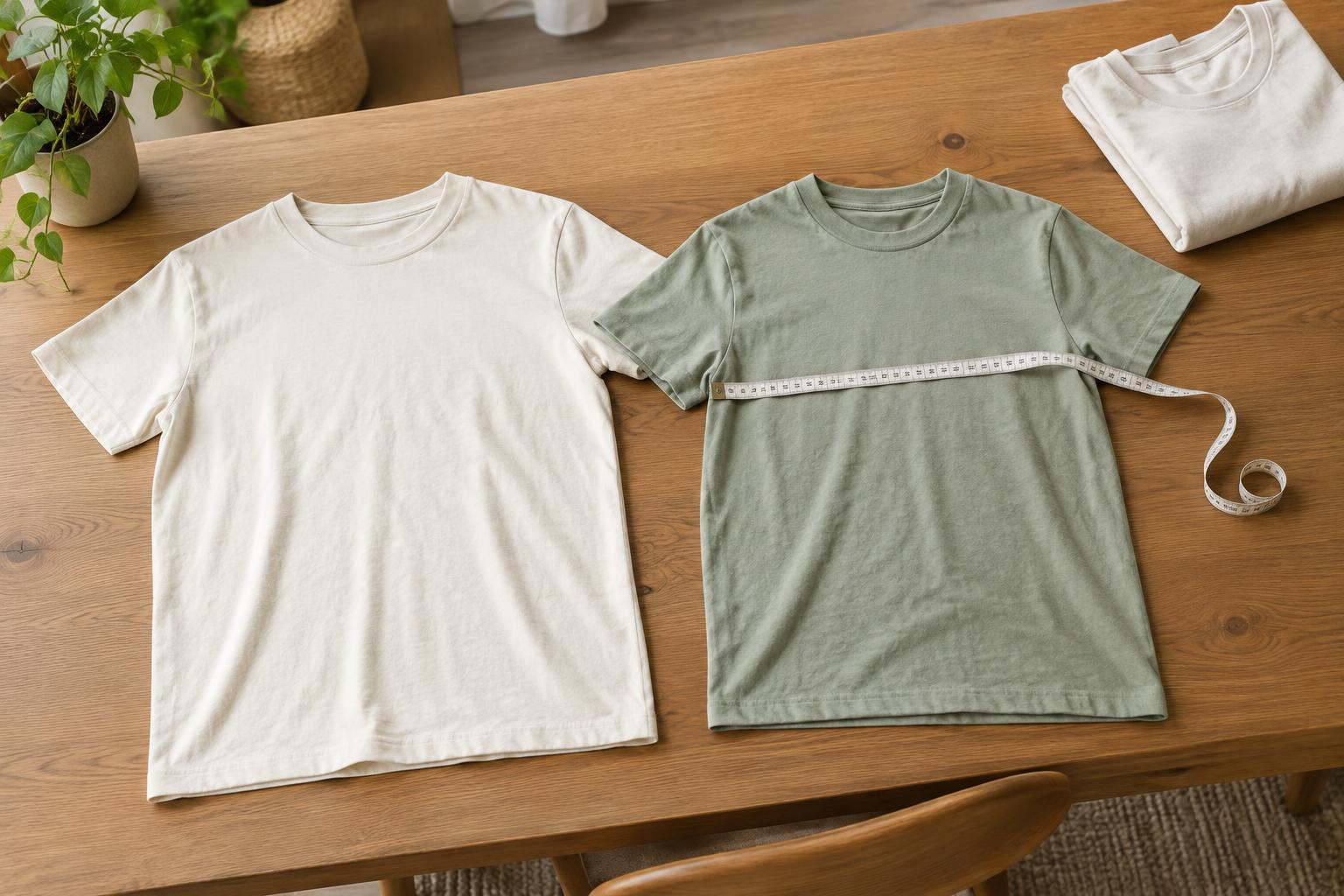
Lay a comfortable T-shirt flat without stretching it. Measure across the chest from one underarm seam to the other, and measure the length from the high point of the shoulder near the collar to the bottom hem. You can also check sleeve length and shoulder width if those details often determine whether a shirt works for you. Compare those figures with the size chart, following its measurement instructions so that you are comparing like with like.
Do not automatically size up. A larger shirt may add more width than length, or alter the shoulder and sleeve placement more than you want. If your ideal fit falls between two sizes, consider which dimension matters most. Someone concerned about a short hem may need to look for a longer cut rather than a wider one. Someone who dislikes a tight chest may prefer the roomier size or a different fit altogether.
Plan around the way you will wash it
Your care routine is part of the sizing decision. Heat and agitation can affect how some fabrics change in the wash, so a shirt you routinely tumble-dry may not behave like one you wash gently and air-dry. Follow the care label, particularly for decorated shirts, where the print or other decoration may have its own care requirements. If you prefer a consistent fit, use a repeatable washing and drying routine rather than changing methods from one laundry day to the next.
For a custom T-shirt project, consider washing and drying a sample blank the way you expect to care for the finished shirts. Measure it before and after, using the same method both times. This will not guarantee identical results for every garment, but it can reveal a noticeable change in length or width before you commit to a size or design placement. Check with the decorator before washing a blank that you plan to have printed, since their preparation requirements may differ.
Leave room for both comfort and the design
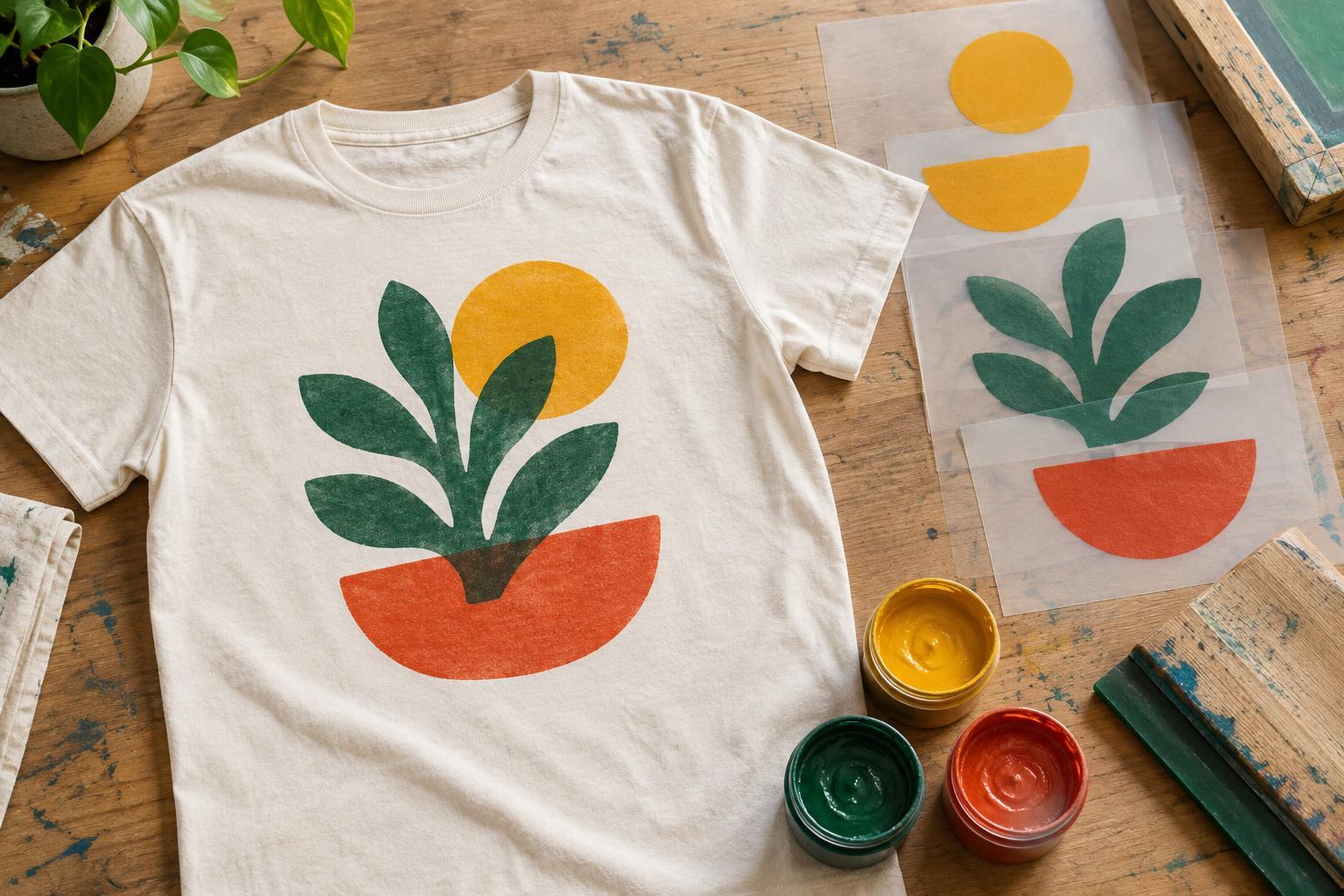
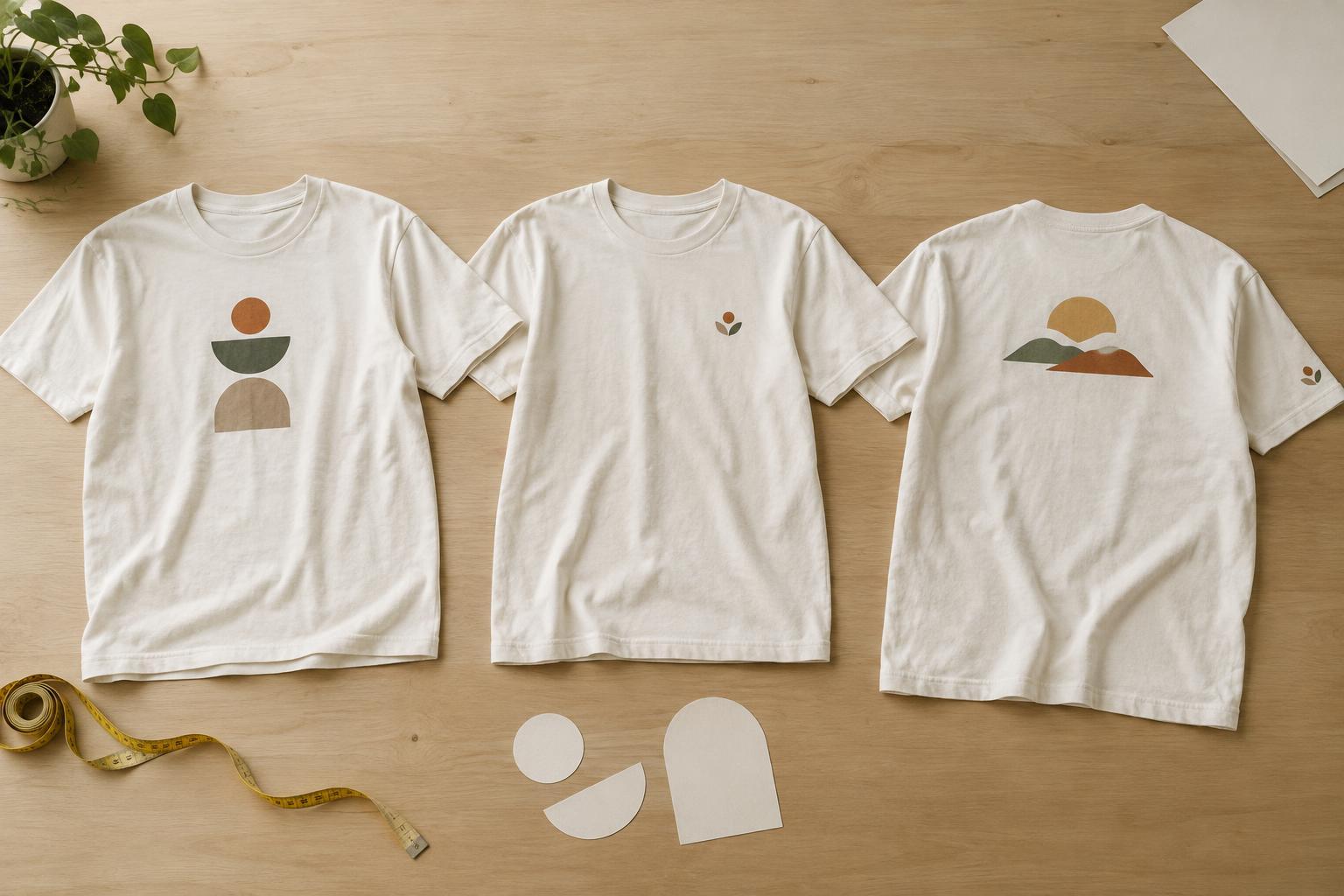
Shrinkage is not only a sizing issue for wearable design. If a shirt becomes shorter or narrower, a graphic may sit differently on the body than you expected. Before finalizing placement, look at the design on a shirt that fits the way the finished garment should fit. For group orders, offer the garment’s measurements and fit description rather than assuming everyone can choose comfortably from a size label alone.
When the exact fit is important, the most useful approach is simple: compare garment measurements with a favorite shirt, allow for possible change without oversizing blindly, and test a blank when you can. A little preparation gives you a better basis for choosing a T-shirt you will still enjoy wearing after laundry day.