Start with the person, not the hobby label
A shirt that simply says “I love gardening” tells people very little about the gardener wearing it. A more personal design might refer to the herbs they grow on a windowsill, the battered watering can they always use or their habit of giving away seedlings. The difference is specificity: the design reflects an experience rather than a broad category.
Before sketching, jot down a few details about the person’s relationship with the hobby. What do they make, collect, practise or notice? Is there a small ritual they repeat? What would another enthusiast recognise without needing an explanation? A cyclist who enjoys quiet country rides may want a different shirt from someone who loves fixing old bikes, even though both share the same hobby.
If the shirt is a gift, keep the wearer’s taste in mind alongside the hobby. Someone who prefers understated clothes might appreciate a small line drawing more than a large joke across the chest. Personal does not have to mean loud.
Choose one detail worth building around
A useful design often has one clear focal point. For a baker, that could be a favourite tool drawn in a simple style. For a birdwatcher, it might be the shape of a notebook paired with a short phrase about early mornings. For a tabletop gamer, a tiny map symbol could say more about their enjoyment of planning adventures than a crowded collection of dice and slogans.
Try separating potential ideas into three groups: objects, actions and places. Objects might include a knitting needle, camera strap or well-used trowel. Actions could be tuning an instrument or making the first mark in a sketchbook. Places might be a workshop bench, a local trail or the corner where a person reads. Choose a detail that is meaningful but can also be understood visually or through a few words.
Inside jokes can work, but consider who needs to understand the shirt. A reference that makes the wearer smile is enough; it does not need to make sense to everyone else. If the message depends on a long explanation, simplify it or use the reference as a small secondary detail.
Make the wording sound like the wearer
Generic hobby shirts often rely on the same formula: a declaration of love for the activity followed by a punchline. To find a fresher voice, listen for words the person actually uses. A patient maker might like a calm phrase about doing things slowly. A playful cook might prefer a label for their famously improvised recipes. Neither needs to announce the hobby by name if the image provides the context.
Read any proposed wording aloud. Short phrases are easier to scan on a moving person, and ordinary language often feels more natural than a forced pun. Check names, spelling and punctuation carefully, particularly when the design includes a nickname or a term specific to the hobby.
A design can also work without text. A distinctive arrangement of a few familiar items may feel more wearable than a statement. If you include both words and an illustration, let one lead while the other adds a small layer of meaning.
Keep the design wearable and readable
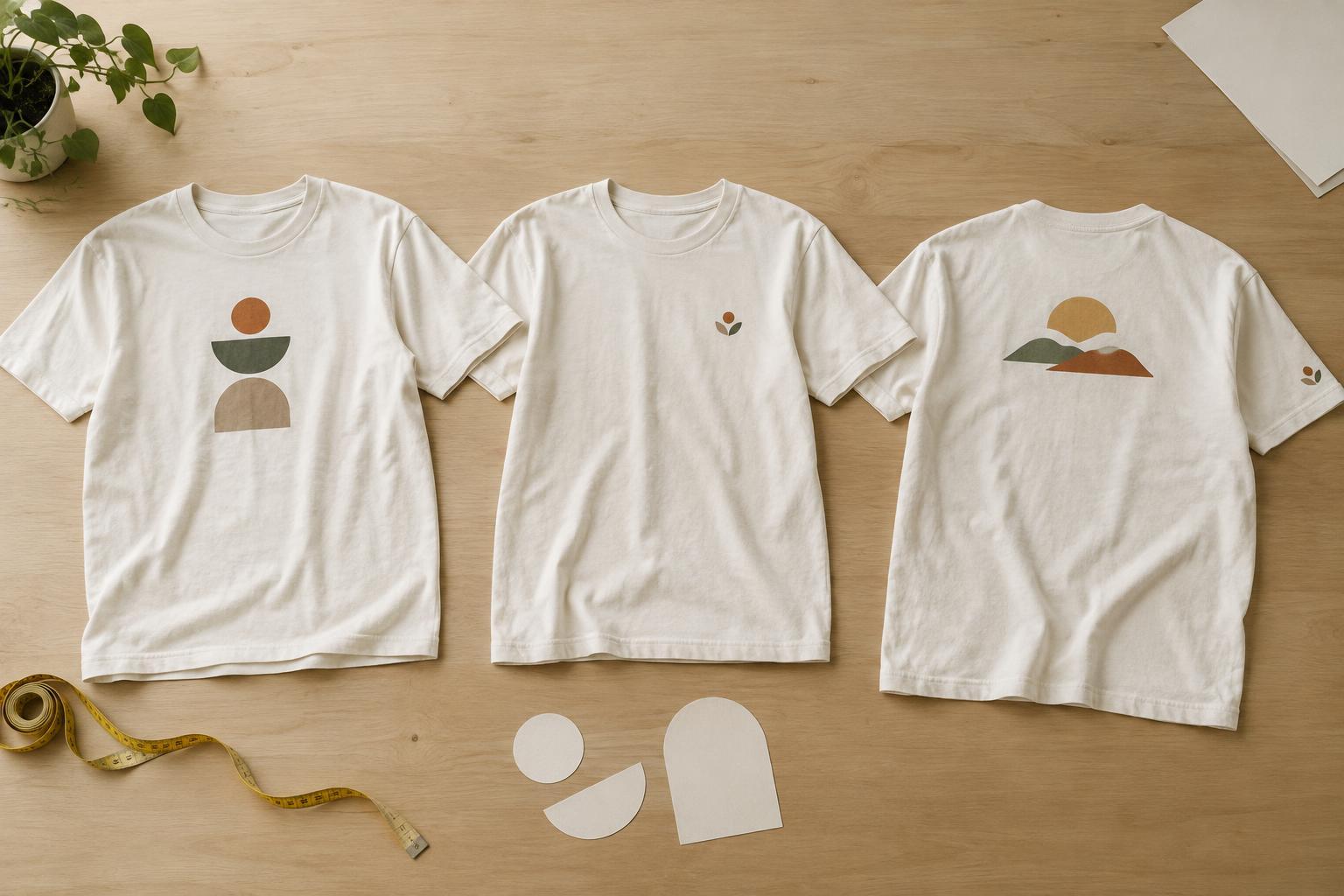
Think about where and how the shirt will be worn. A small chest graphic or sleeve detail may suit someone who wants an everyday shirt. A larger central design offers more room for an illustration, but it can feel dominant when paired with other clothing. A back graphic can be a good place for a larger idea, provided the front still feels intentional.
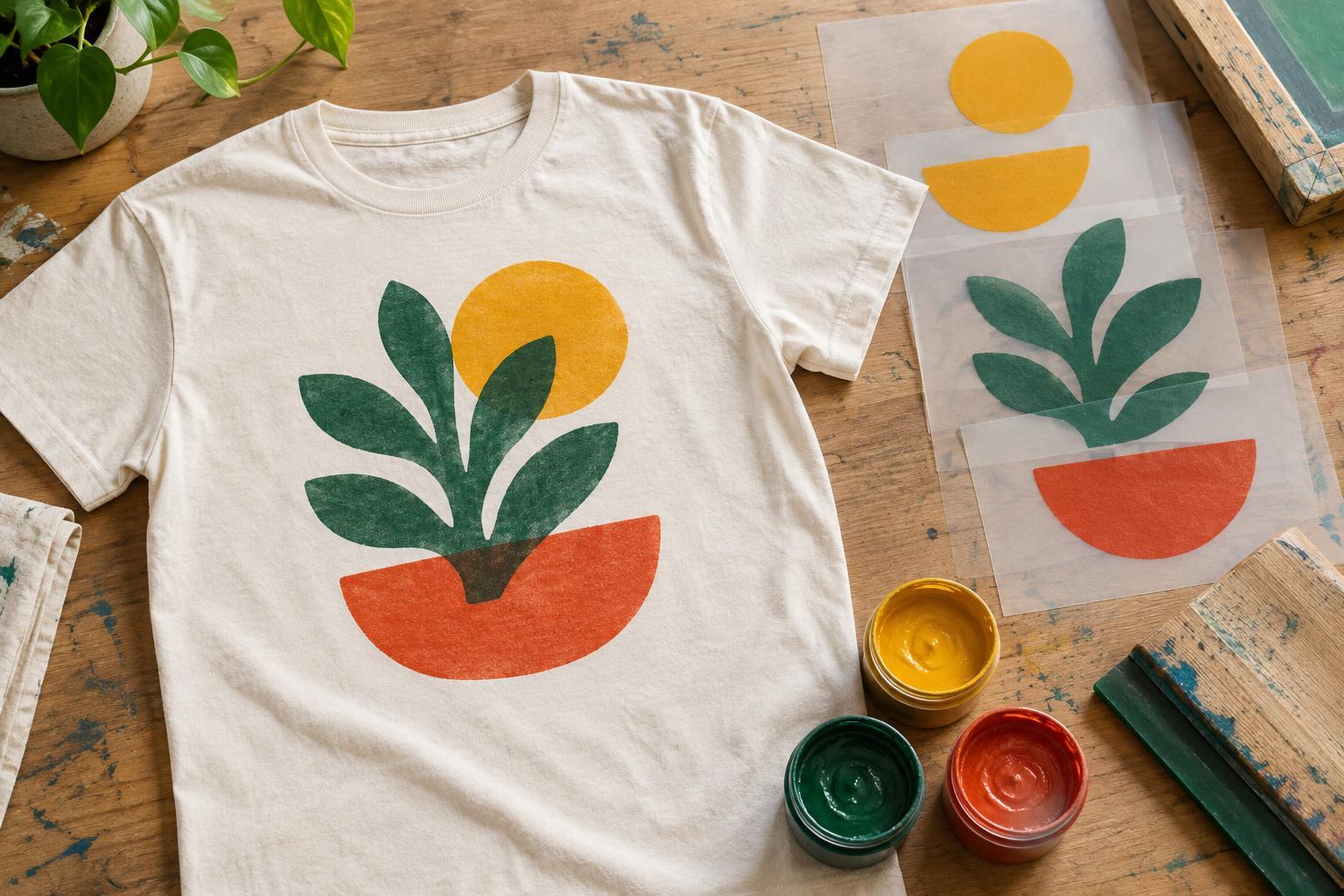
Limit the palette to colours that suit the wearer and remain distinct from the shirt fabric. Fine lines, tiny lettering and subtle colour differences may be harder to see from a normal viewing distance, and their appearance can vary with the decoration method and fabric. Test the design at approximately the size it will appear on the shirt. If the main idea disappears when viewed from across a room, simplify it.
The shirt itself is part of the design. Consider the wearer’s preferred fit, fabric feel and usual wardrobe colours before choosing a blank garment. A thoughtful graphic on a shirt they would not normally wear is less likely to become a favourite.
Review the idea before committing
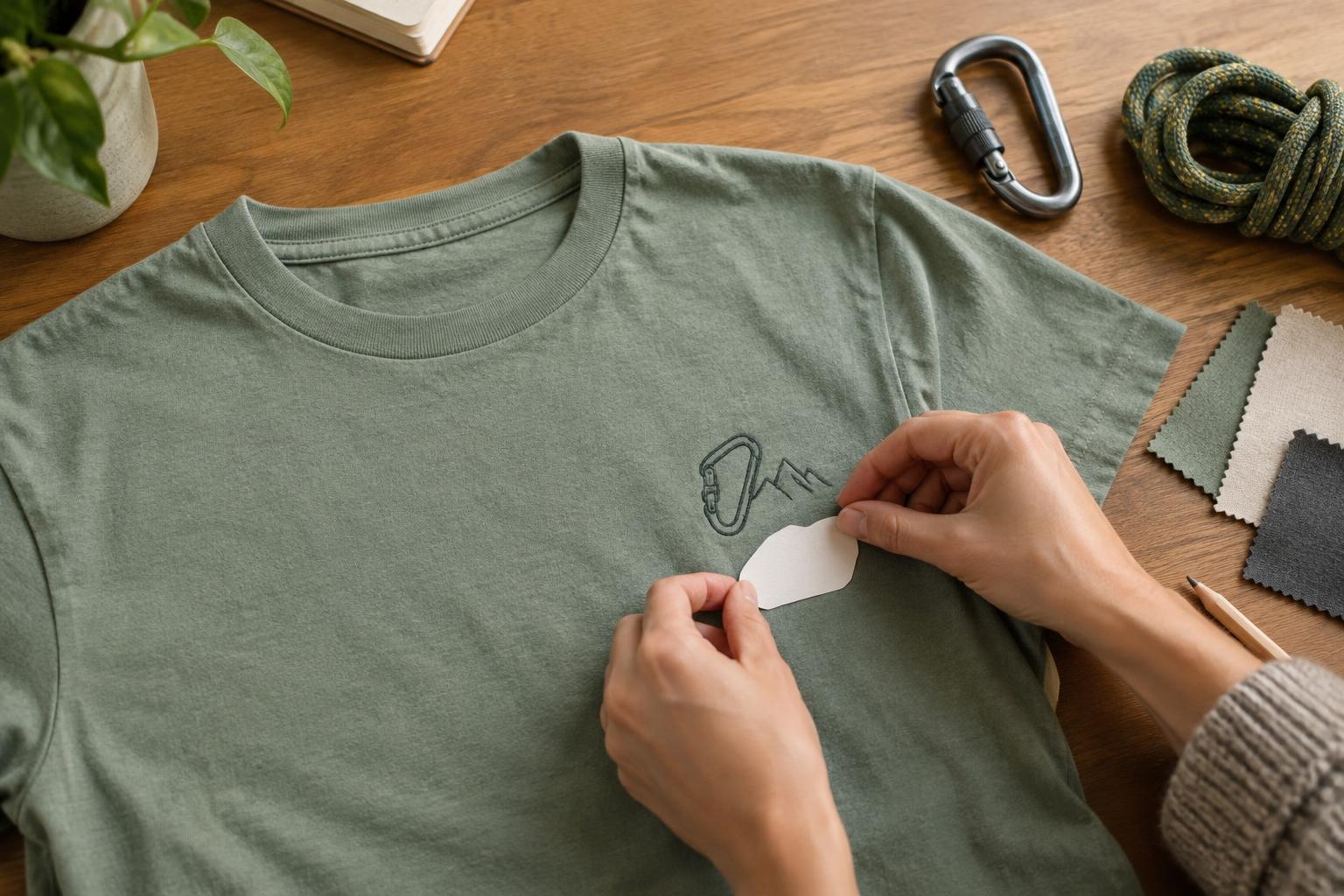
Make a simple mock-up showing the graphic on the actual shirt colour, at a realistic size and position. Then step away and look again. Does the design still read as a shirt rather than a poster? Is the hobby detail distinctive without requiring too many elements? Would the wearer feel comfortable putting it on for an ordinary day?
For a gift, avoid adding personal information the wearer may not want displayed, such as a full name, a precise location or a private story. A small clue can carry the meaning without spelling everything out. The strongest hobby-themed shirts often leave a little room for conversation: they feel familiar to the person wearing them and interesting to anyone who notices.