Start with the shape of the trousers
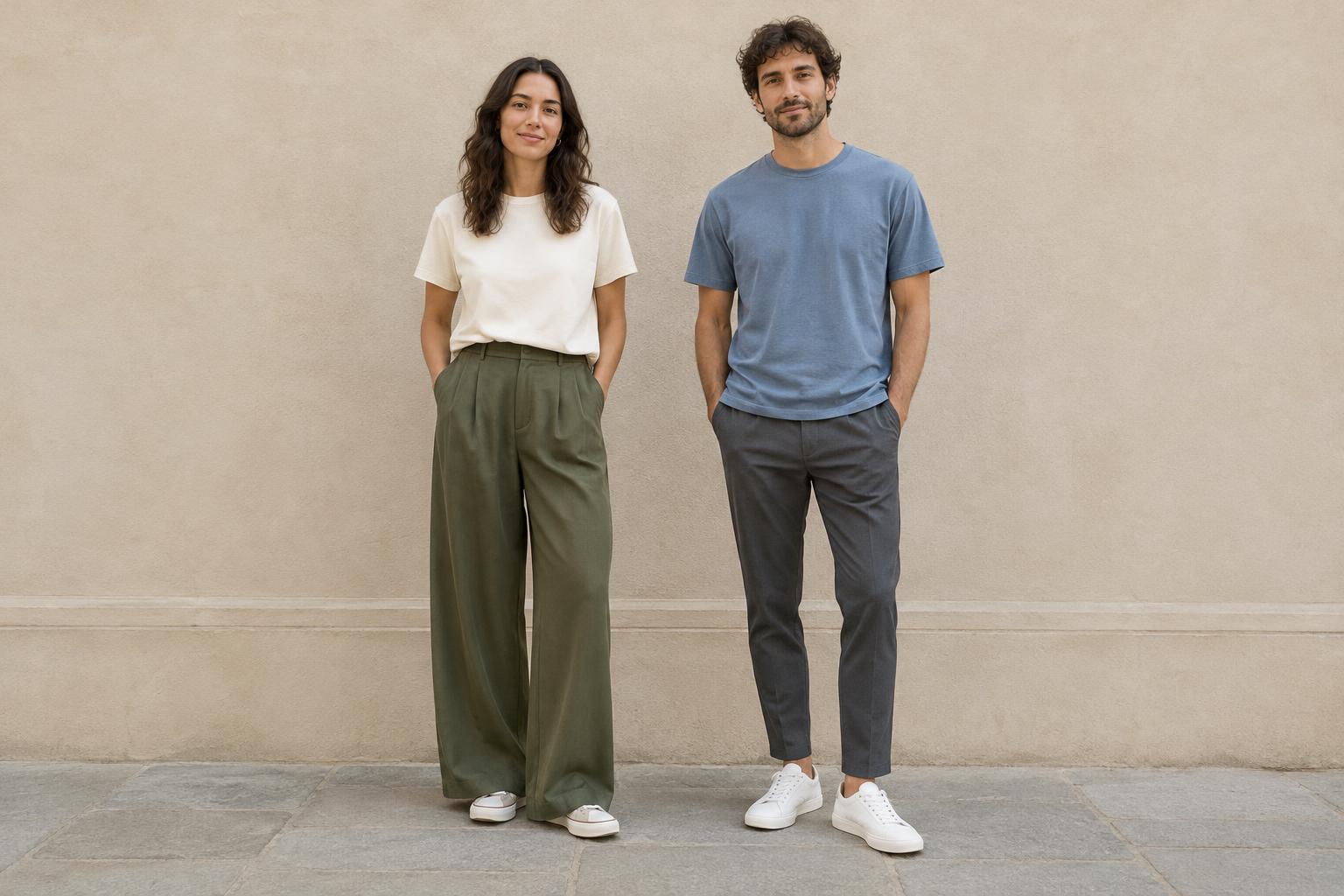
A T-shirt can work with both wide-leg and tapered trousers, but each pairing creates a different outline. Wide-leg trousers have room through the leg, so the top half of the outfit can either provide contrast or continue the relaxed shape. Tapered trousers narrow toward the ankle, giving you a more defined lower half that can accommodate a closer-fitting or roomier tee.
Before choosing a shirt, look at where the trousers sit on your waist and how they fall over your shoes. A high waist makes it easier to show your waistline with a tuck or a shorter tee. A lower rise may look more natural with a shirt that extends just past the waistband. These are starting points, not rules: the aim is to decide which part of the outfit you want to emphasize.
Balance wide-leg trousers without losing their ease
For a simple pairing, try a T-shirt that skims your body rather than one that clings or hangs far beyond your hips. Its narrower outline contrasts with the volume of wide-leg trousers and keeps the waistband visible. A full tuck gives the clearest definition; a loose front tuck offers a softer version. If you prefer an untucked tee, check where its hem lands. A hem near the top of the hip often leaves more of the trouser shape on view than a long shirt does.
An oversized T-shirt can work too, especially when you want a deliberately loose outfit. Look at the whole silhouette in a mirror: if both pieces feel shapeless, rolling the sleeves, adding a tuck or choosing a tee with a more structured neckline can give the look a focal point. Wide legs already bring movement, so a shirt with a firm collar or slightly substantial fabric may hold its shape better alongside them than a very thin, drapey one.
Use tapered trousers for a cleaner outline
Tapered trousers usually offer more room at the thigh and less at the ankle. That change in width can make a relaxed T-shirt feel intentional without requiring a tuck. Try an untucked tee that ends around the hip, then check whether its hem covers the widest part of the trousers. If it does and the outfit feels heavy, a shorter tee or a partial tuck can restore some definition.
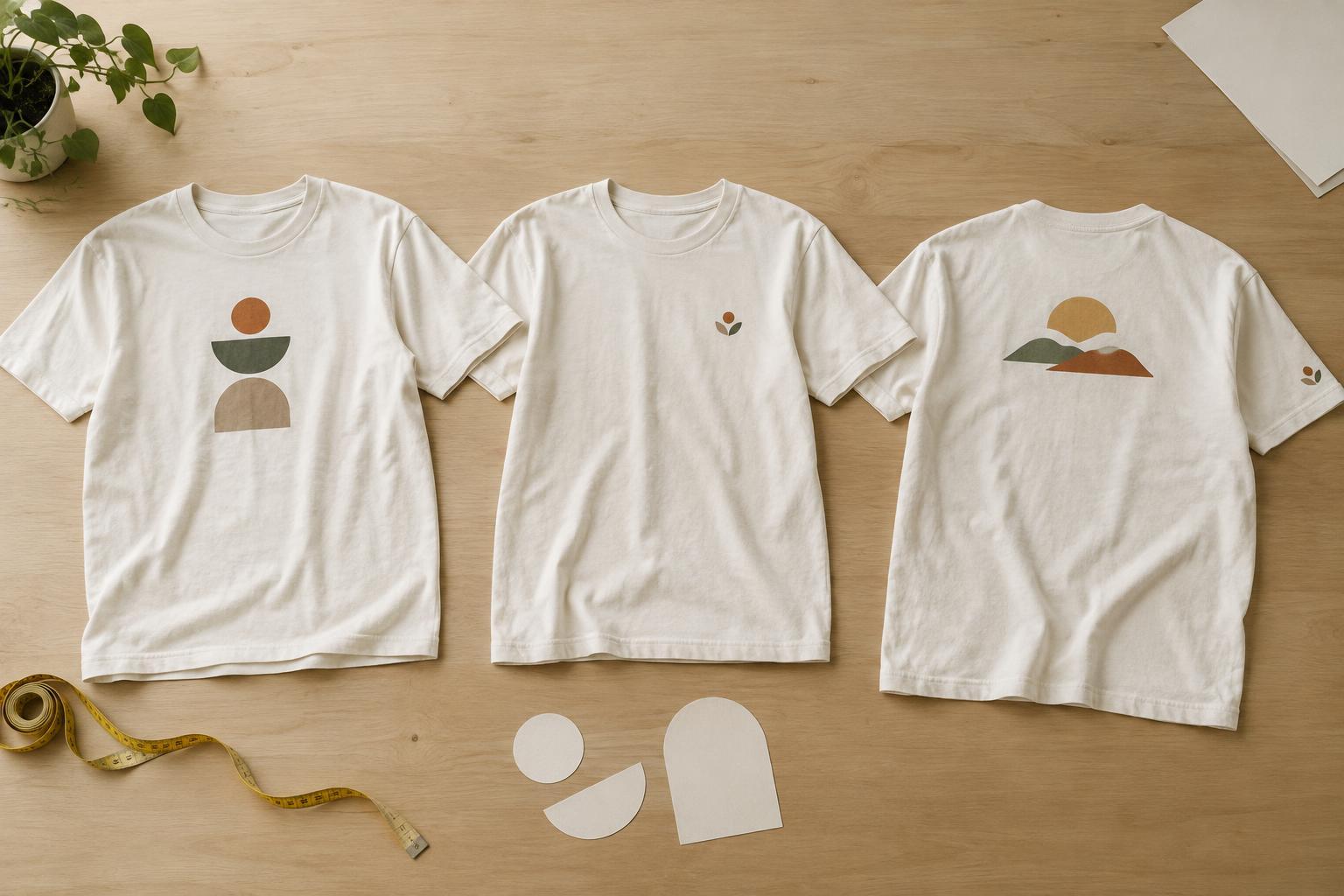
A fitted tee with tapered trousers creates a streamlined look. To keep it from feeling too plain, you might choose a contrasting texture, a small chest graphic or a color that stands apart from the trousers. For a roomier top, pay attention to shoulder seams and sleeve length. A dropped shoulder looks relaxed, while a more conventional shoulder fit can give the same loose body a neater appearance.
Let fabric, color and graphics set the tone
Fabric changes how these pairings read. A soft, lightweight T-shirt may drape over a trouser waistband, while a heavier knit tends to retain a boxier outline. Neither is automatically better: choose drape when you want fluidity and structure when you want a clearer shape. Consider the trouser fabric as well. A crisp pair of wide-leg trousers can give a casual printed tee contrast; soft tapered trousers may suit a simple, similarly relaxed shirt.
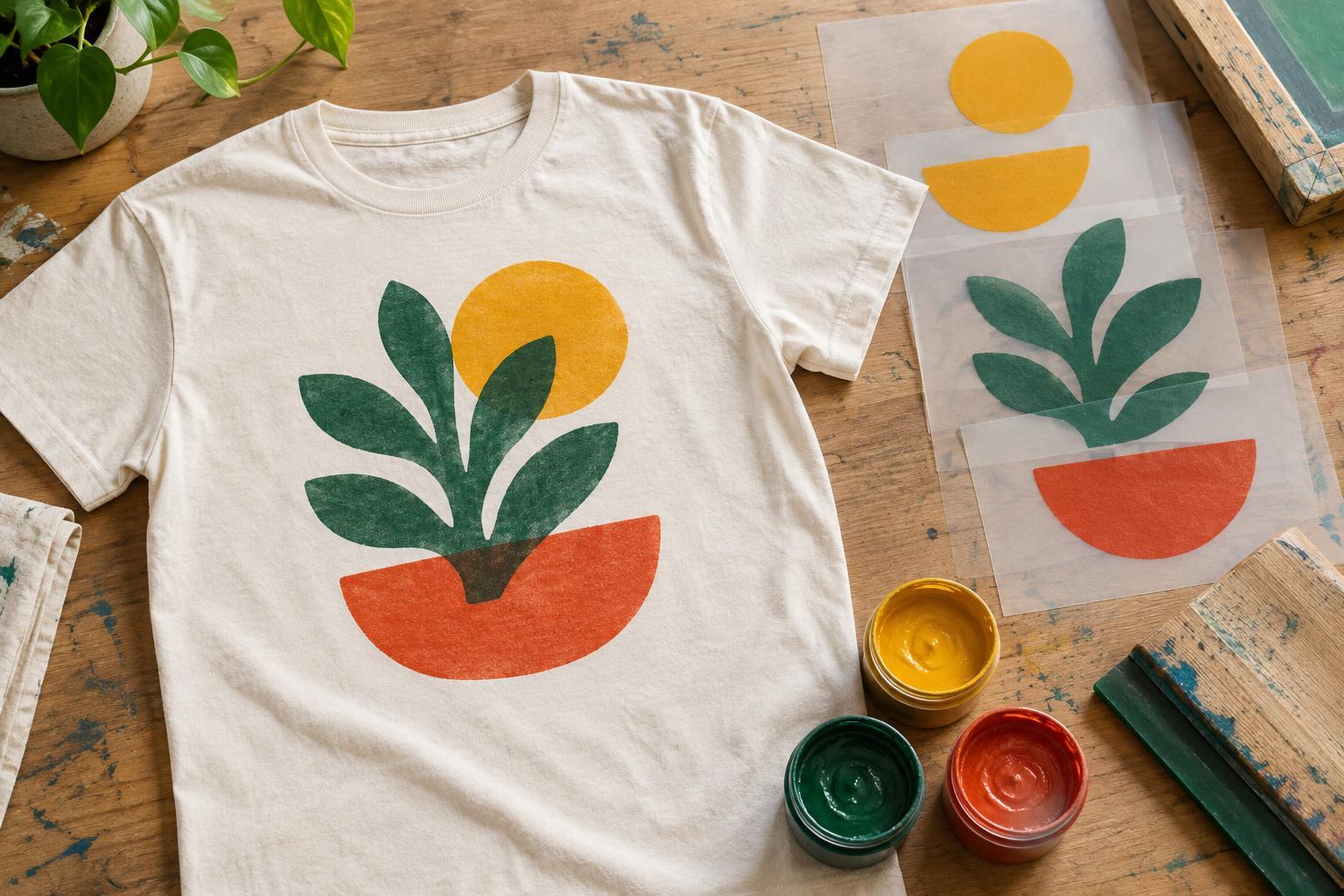
A large front graphic draws attention to the upper body and can balance the visual weight of wide-leg trousers. With tapered trousers, it can make a straightforward outfit feel more expressive. If the trousers have a prominent pattern, a plain tee or a restrained graphic may give the eye somewhere to rest. When using color, you can keep the shirt and trousers close in tone for continuity or choose contrast to make the division between them clearer.
Finish the outfit and keep the fit working
Shoes and small adjustments affect the final proportions. A visible ankle can emphasize the narrow finish of tapered trousers, while shoes with some visual weight can sit comfortably beneath wide legs. Try the outfit with the shoes you intend to wear, then revisit the T-shirt hem and tuck. An outfit that looks balanced barefoot may change once the trouser leg meets a shoe.
Care helps preserve the silhouette you chose. Follow the care labels on both garments, since fabrics and decoration methods vary. Before washing a printed T-shirt, turn it inside out if its care instructions allow; avoid unnecessary heat when drying, which can affect some fabrics and prints. Store the tee so its neckline is not stretched out, and check its length after laundering before relying on a familiar tuck. Small changes in shape can alter how a shirt sits with either trouser style.