Start with the shirt’s purpose
Before choosing colours or typefaces, write one or two sentences explaining why the T-shirt exists. Is it for a family gathering, a club, a small team or an event? Say who is likely to wear it and where. A design intended for people to wear regularly may call for a different approach from one made for a single occasion. This context helps a designer judge whether an idea feels appropriate, not just whether it looks attractive on a screen.
Next, describe the message the shirt should convey. Give the exact wording that must appear, including names and spelling, and separate it from optional phrases. If the shirt needs to be recognisable from a distance, say so. If the goal is a small detail that rewards a closer look, say that instead. You do not need to invent a slogan to make the brief complete; a clear purpose is more useful than a long list of possible messages.
Define the look without designing it yourself
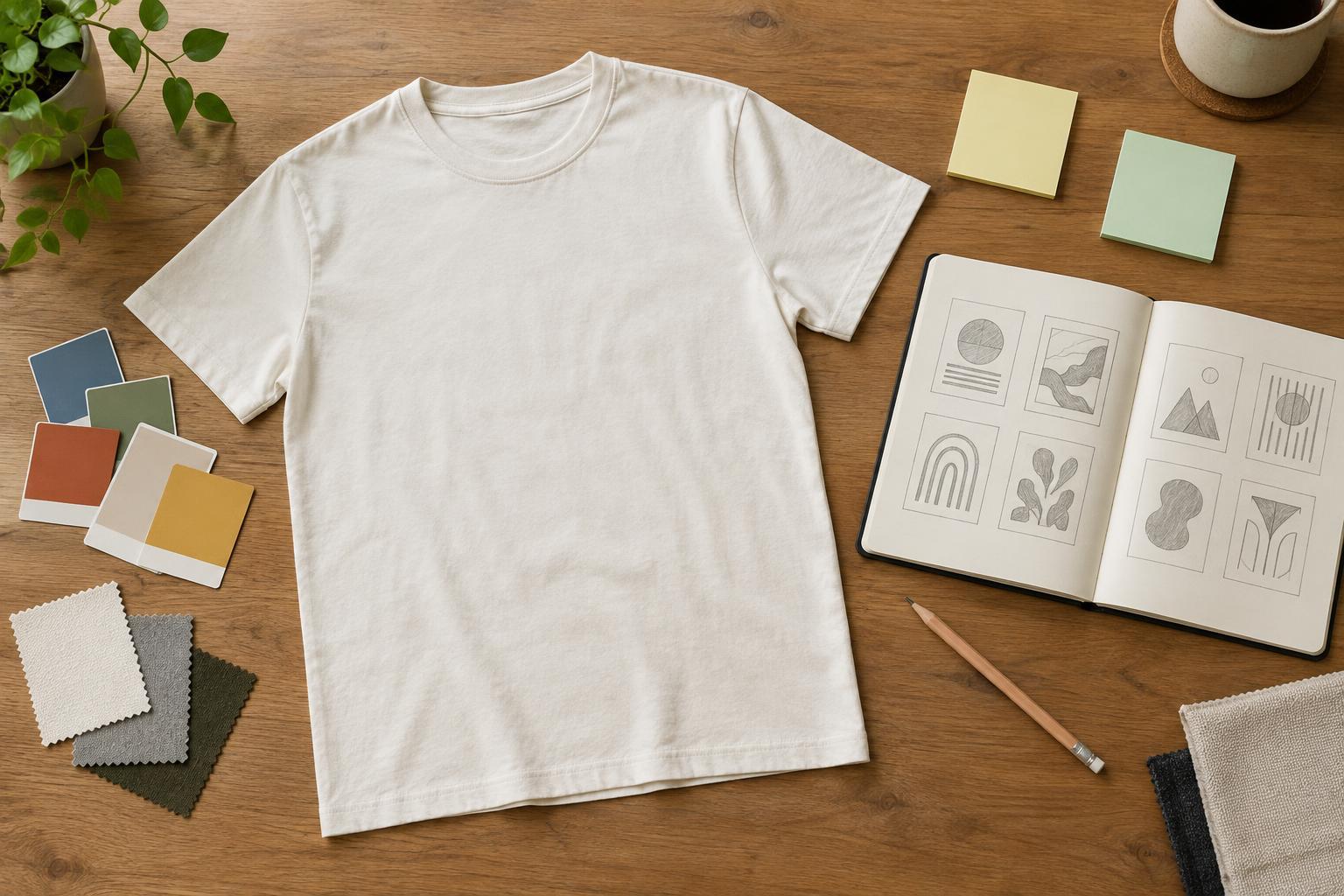
Describe the desired mood in a few specific words, such as playful and bold, understated and tidy, or hand-drawn and informal. Then explain what those words mean for this project. “Bold” might mean large lettering and strong contrast; “understated” might mean a small chest graphic and a limited palette. If you have visual references, note which feature you like in each one. Avoid asking for a close copy of someone else’s artwork.
List any elements that must be included, such as a name, an existing logo or a particular symbol. Also identify things to avoid: perhaps a colour that clashes with the group’s identity or imagery that could be misread. Rank your preferences. A brief that says “the name must be legible, but the illustration style is open” gives the designer room to solve the problem while protecting what matters most.
Include the garment and decoration constraints
A T-shirt graphic does not exist separately from the garment. Note your preferred shirt colour, general fit and intended size range, even if the choices are not final. Think about how the artwork will read against the fabric: fine dark lines may be hard to see on a dark shirt, while a pale graphic can change character on a bright colour. If several garment colours are being considered, ask for a design that can be adapted rather than assuming one colour arrangement will suit them all.
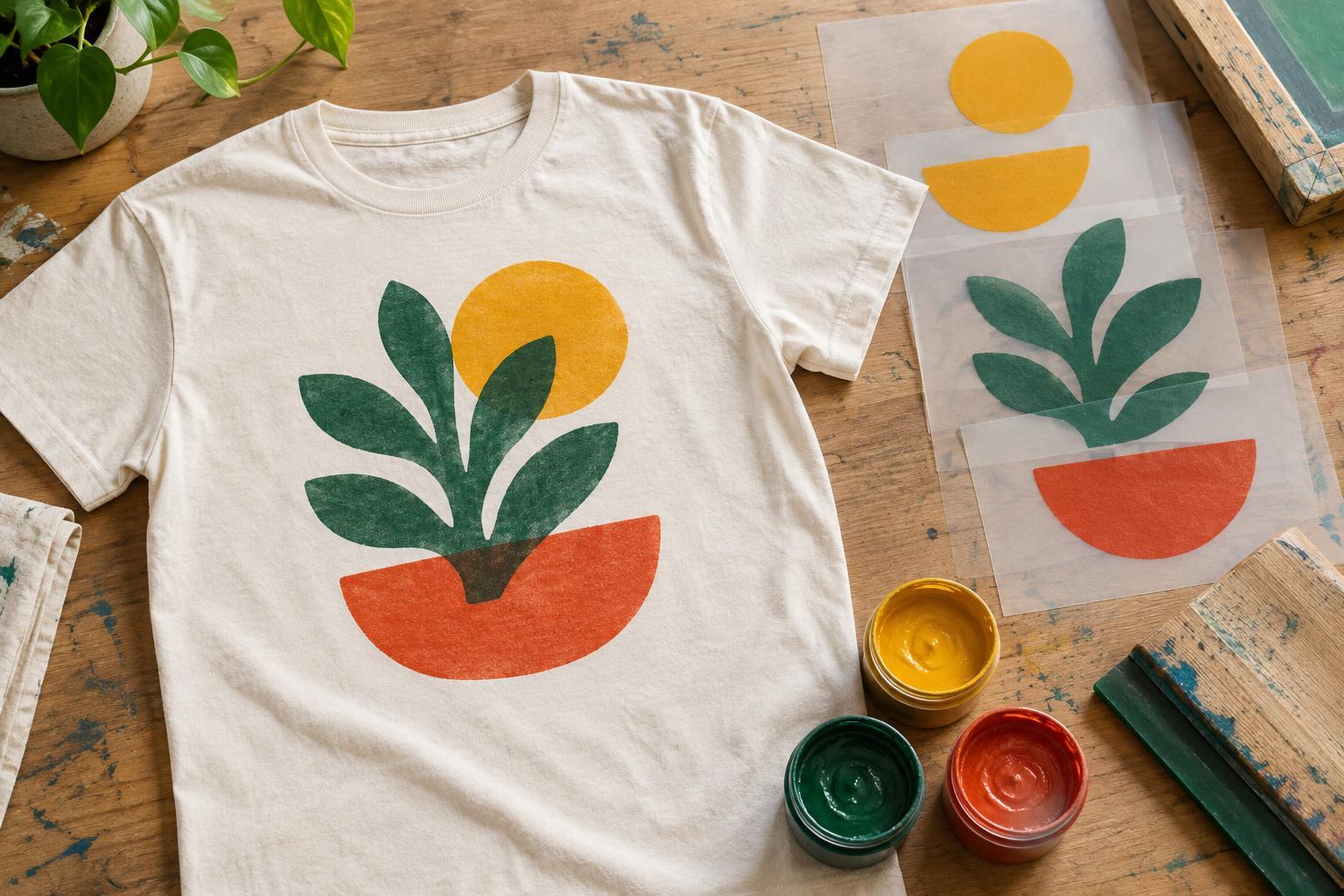
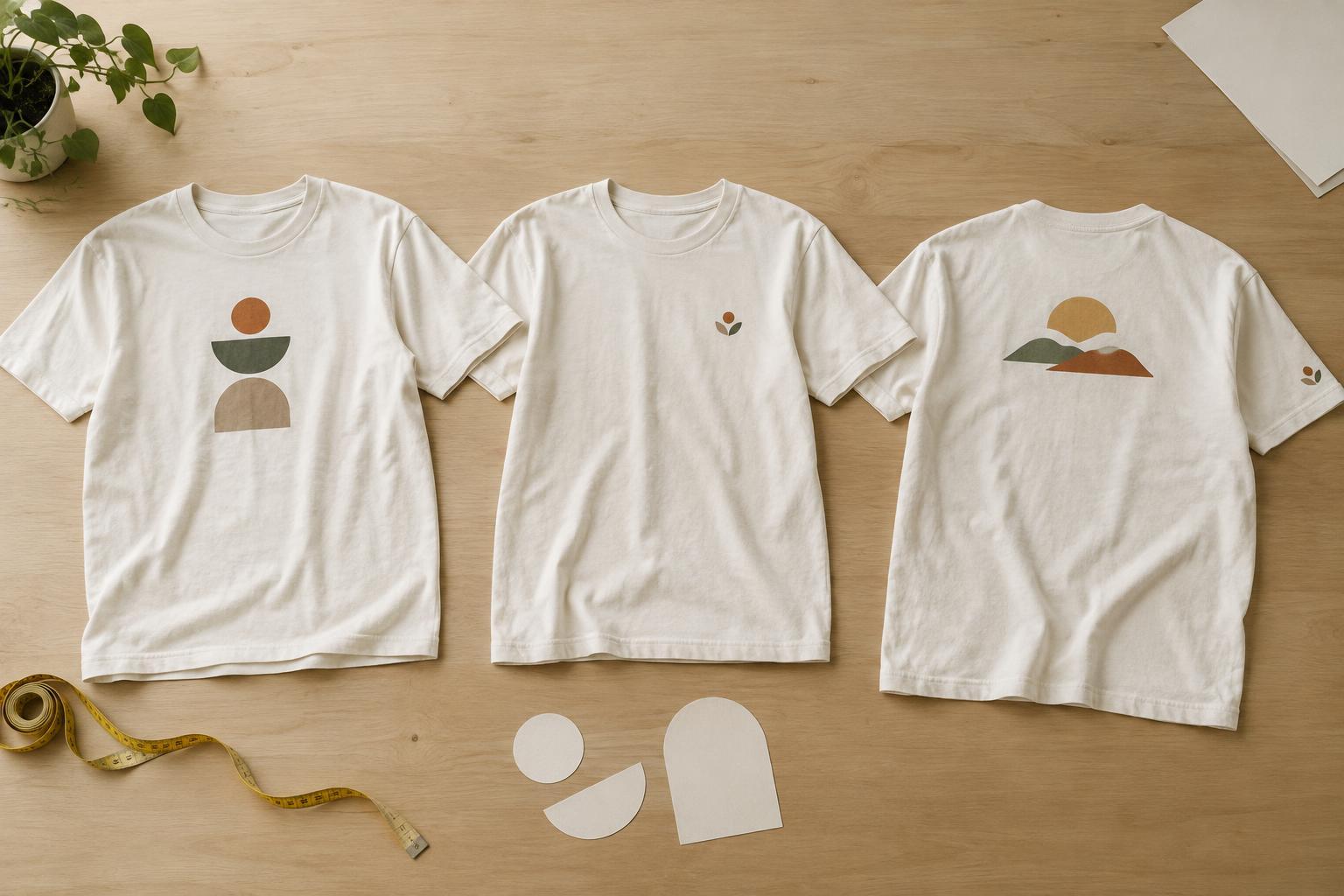
Record where you want the design to sit, such as the centre chest, left chest or back, and whether you have a rough preferred scale. Mention any known decoration method, but do not feel obliged to choose one without guidance. Screen printing, digital printing, heat transfer and embroidery can suit different artwork and orders. Small lettering, intricate details and colour effects may need adjusting for the chosen method. Ask whoever will produce the shirts to confirm the artwork requirements before treating the layout as final.
Make the practical requirements easy to find
Include an approximate quantity, the range of shirt sizes needed and any relevant budget limit. If the shirts must be ready for a particular occasion, state the date and leave room for design review, production and delivery. These details help others suggest realistic options; they are not a reason to promise a particular cost or turnaround. If you do not know a number yet, label it as an estimate rather than leaving the reader to guess.
Say who will approve the design and how feedback will be collected. One person sending a combined set of comments is usually easier to work with than several people sending conflicting edits. Ask to review the design on a shirt-colour mockup as well as the artwork by itself, since scale and contrast can feel different in context. Before approval, check every name, date and line of text against the original wording.
Put it together in a short, usable brief
A brief can be a page of plain language rather than a formal document. For example: “We need a T-shirt for our neighbourhood walking group. Members should feel comfortable wearing it beyond group outings. The group name must be easy to read; a simple path motif is optional. We prefer an informal, uncluttered look on a dark green shirt, with artwork on the front. We expect a range of adult sizes and will confirm the quantity. Please advise on artwork details that will reproduce well with the selected decoration method.”
That example leaves room for creative choices while making its priorities clear. Use the same approach for your own project: explain the purpose, mark what is essential, and be honest about what remains undecided. A good brief is not a guarantee of a perfect first draft. It is a shared starting point that makes questions easier to answer and revisions easier to judge.