What does T-shirt fit actually describe?
Fit describes the shape of a garment in relation to the body, not just the size printed on its label. Two T-shirts marked medium can have different chest widths, shoulder seams, sleeve openings and lengths. Labels such as slim or relaxed are useful starting points, but brands do not always use them in exactly the same way.
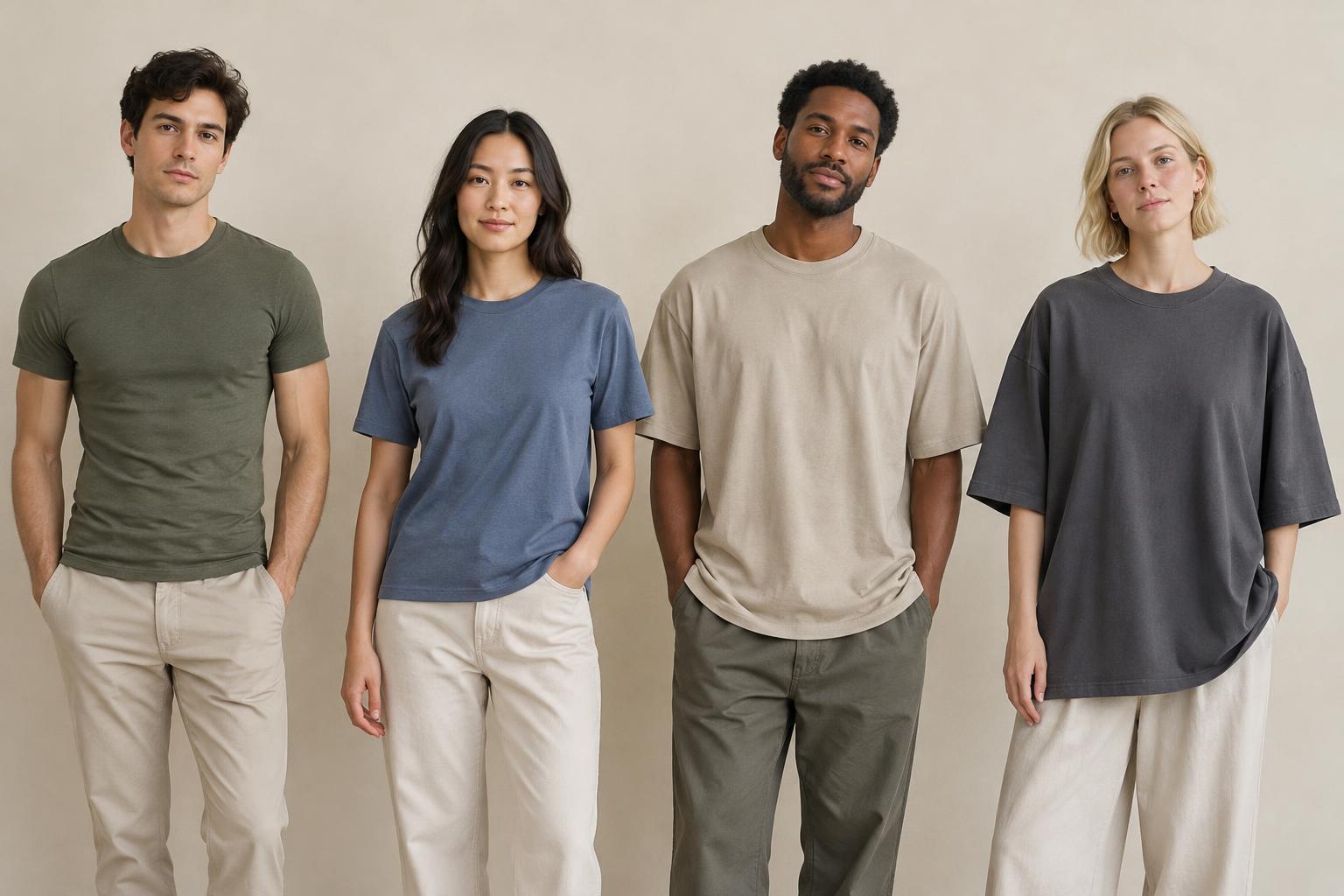
To compare T-shirts, look at the space through the chest and waist, where the shoulder seam sits, how the sleeves hang and where the hem falls. A close-fitting shirt may feel restrictive if you prefer room to move, while a wider one may feel comfortable but appear bulky when tucked in. The best choice depends on the shape you like and how you plan to wear the shirt.
Slim and regular: close-cut versus balanced
A slim-fit T-shirt follows the body more closely through the chest and waist. Its sleeves are often narrower, and the shoulder seam tends to sit near the edge of the shoulder. This can create a neat outline under an open shirt or jacket. It also leaves less spare fabric for movement, so check the garment measurements rather than choosing it solely because you normally wear a particular size.
A regular fit usually offers more room through the torso without looking intentionally wide. The shoulder seam commonly sits near the natural shoulder, and the shirt falls fairly straight. It is a versatile choice if you want one T-shirt to work on its own, under another layer or partly tucked into trousers. Regular does not mean identical across brands: one maker’s regular fit may be as narrow as another’s slim fit.
Relaxed and oversized: two different kinds of room
A relaxed fit gives you more space than a regular fit, particularly around the chest, waist or sleeves, while generally keeping a familiar T-shirt shape. It can be a comfortable option when you want the fabric to skim rather than follow your body. Depending on its length, it may still tuck easily or sit neatly over a waistband.
An oversized fit is designed to look deliberately large. It may combine a wide body with dropped shoulder seams, broad sleeves and extra length. Those proportions are part of the design, not necessarily a sign that someone bought the wrong size. Simply sizing up in a regular-fit shirt can add length in places you do not want without producing the same shoulder and sleeve shape. If you like the oversized look but not a long hem, compare measurements across styles rather than relying on the label.
How fabric and graphics change the impression
Fit is only part of what you see. A soft, lightweight fabric may drape closer to the body, especially in a roomy cut, while a heavier or firmer fabric may hold a boxier shape. Stretch can make a slim shirt feel easier to move in, but it does not change its basic silhouette. Fabric composition, knit and finishing can also affect how a shirt feels after washing, so check the care instructions and allow for any shrinkage information the maker provides.
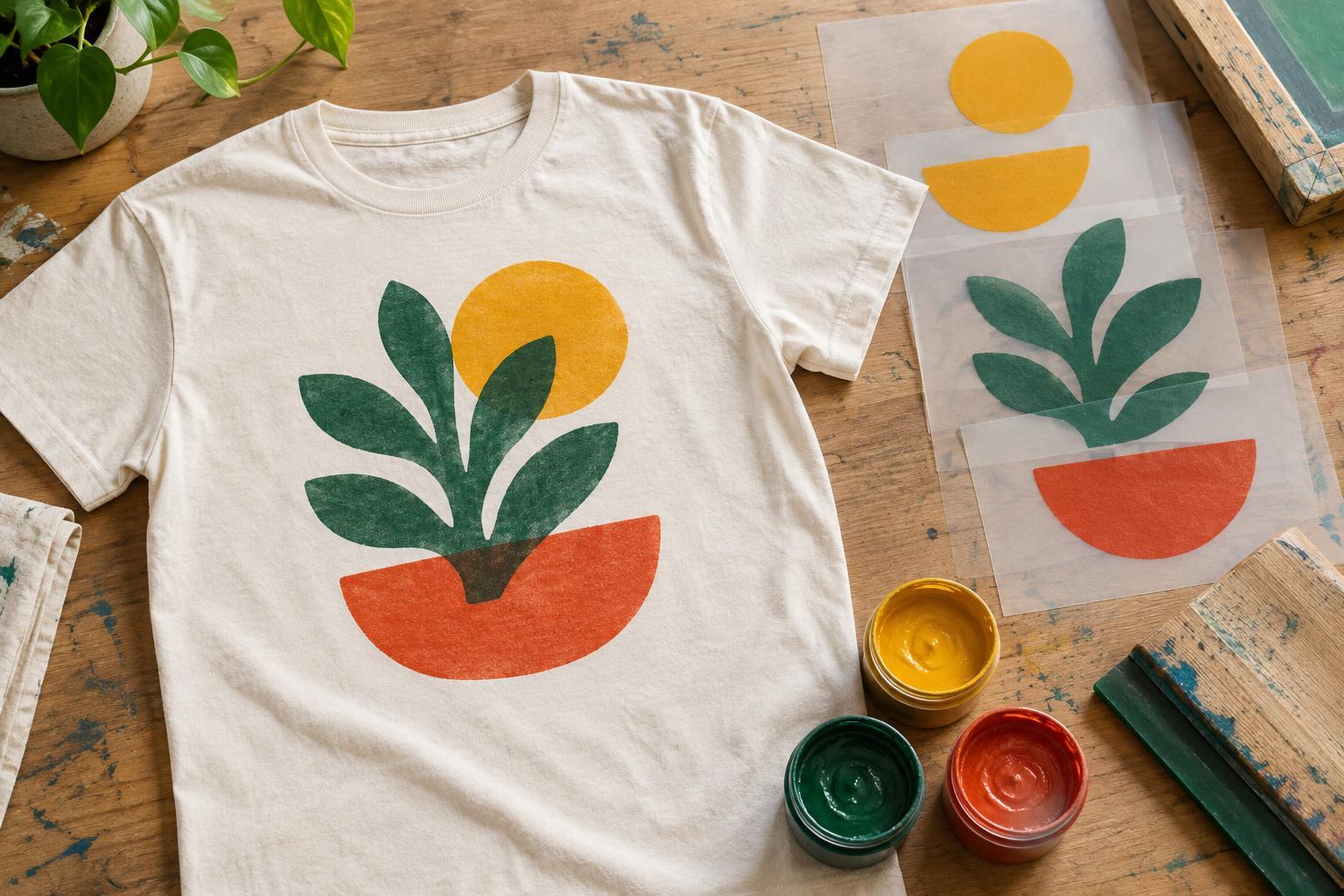
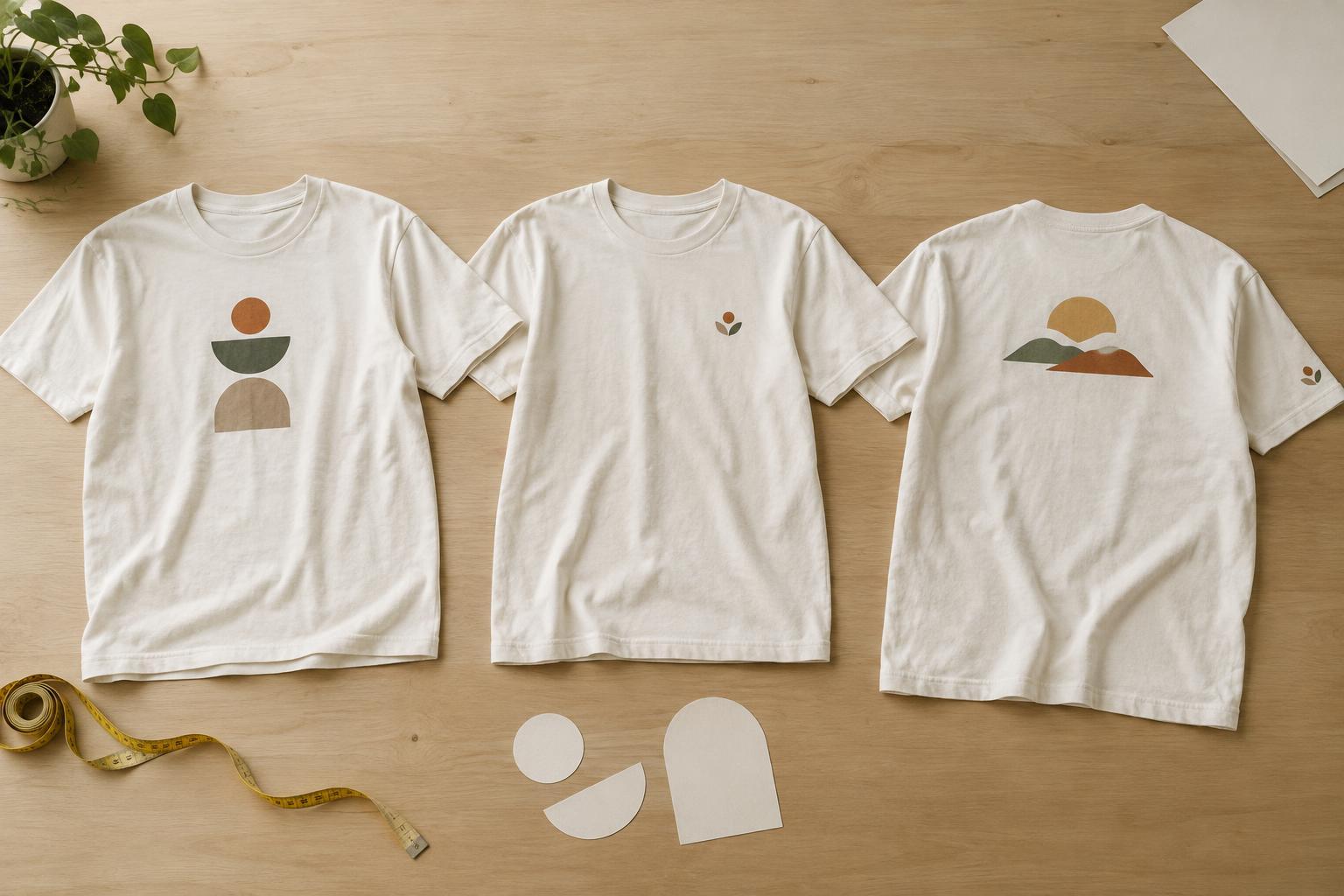
For a custom graphic, think about the space the fit creates. A large central design may look different when a slim shirt stretches across the chest than when an oversized shirt hangs in folds. On a dropped-shoulder style, the apparent position of a sleeve print can shift compared with a regular sleeve. If placement matters, check the decoration area on the actual garment style and size, rather than assuming a design will look identical across every fit.
A practical way to choose your fit
Start with a T-shirt you already enjoy wearing. Lay it flat and measure across the chest from underarm to underarm, then check the length from the highest shoulder point to the hem. Sleeve length and shoulder width are worth noting if they strongly affect how a shirt looks on you. Compare those figures with the measurements for the garment you are considering; a size label alone is less informative.
Next, picture how you will wear it. For a closer outline under layers, try slim if the measurements leave you comfortable room to move. For an adaptable everyday shape, consider regular. Choose relaxed for extra ease without an intentionally exaggerated silhouette, or oversized if you want width and dropped shoulders to be visible features. Finally, check both width and length: changing size may solve one problem while creating another. The right fit is the one whose proportions suit your preferences, not a rule tied to your body type.