Start with a design everyone shares
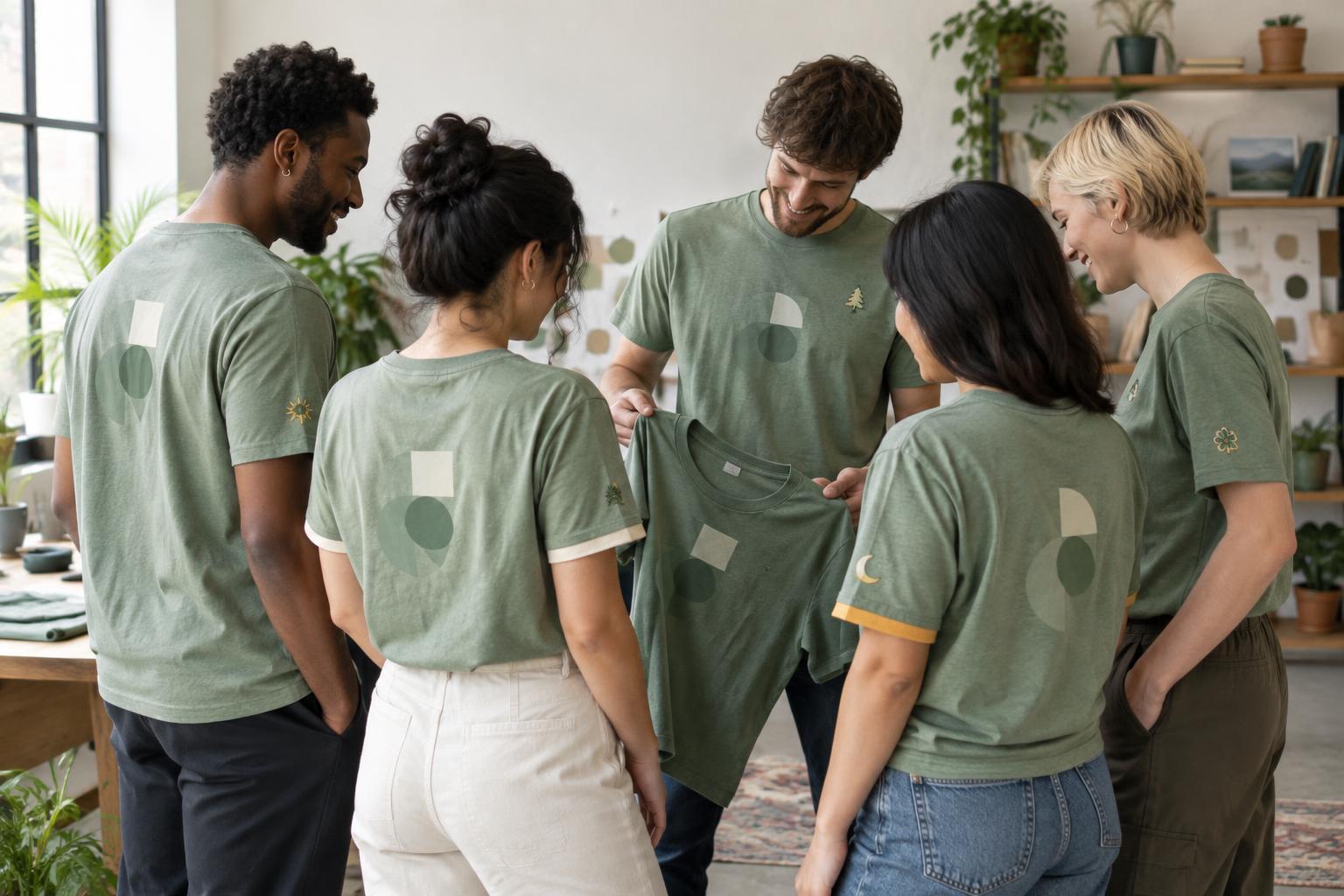
The easiest way to make individual team shirts feel connected is to establish a common foundation first. Choose a garment colour, a small palette of design colours, a type style and one main graphic that appears on every shirt. That graphic might be a simple emblem, a wordmark or an illustration tied to the team’s purpose. When those elements stay consistent, personal details can vary without making the group look disjointed.
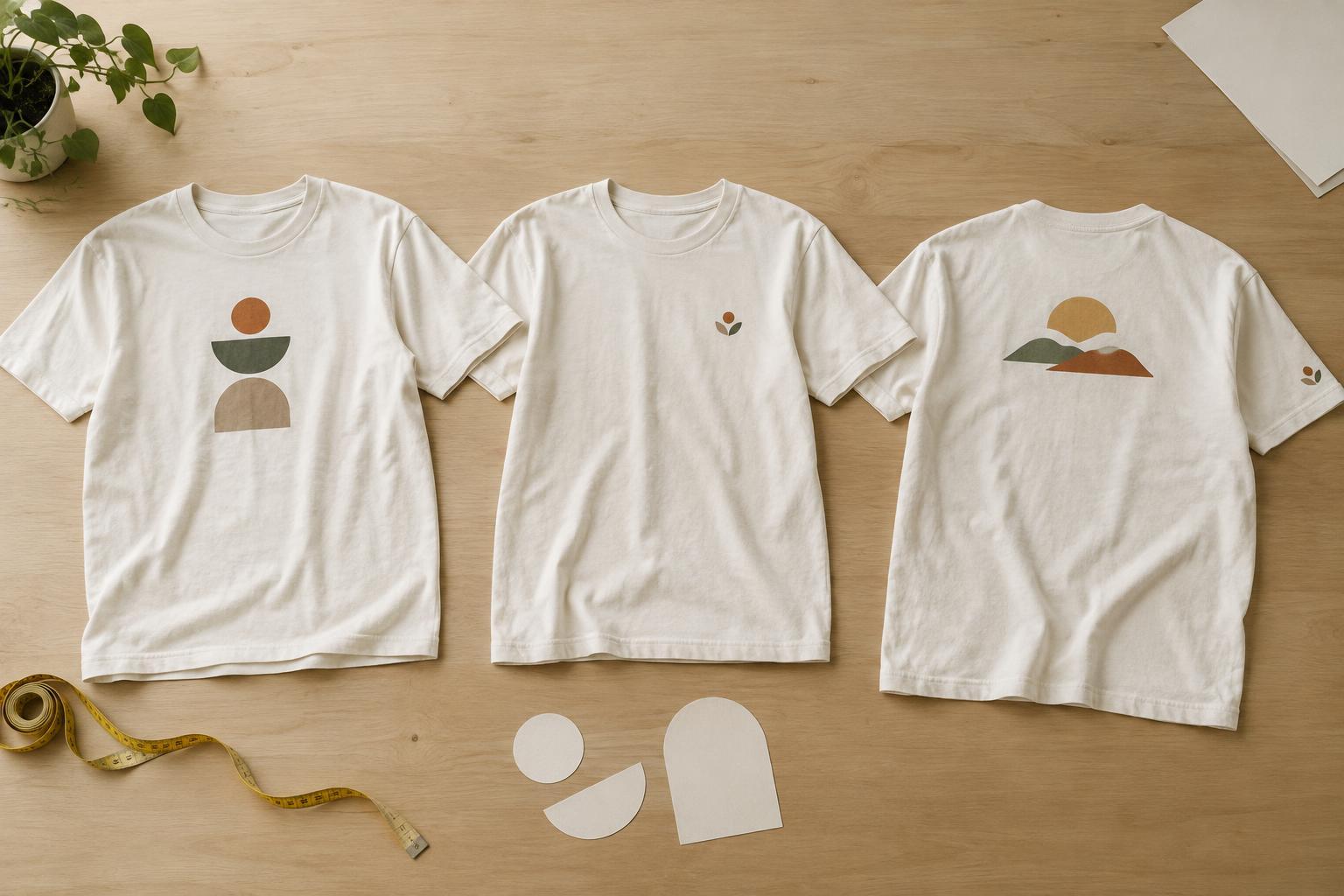
Think about where the shirts will be worn. A large front graphic can work well for a casual event, while a smaller chest design may feel more versatile for regular use. If the team wants a shirt people will wear beyond one occasion, ask whether the shared design makes sense on its own, without a date or a slogan that quickly loses relevance. You can still include an event-specific detail in a less prominent position.
Choose personal details people actually want to wear
Names and numbers are familiar ways to distinguish team members, but neither has to follow a sports-jersey format. A first name or chosen nickname can sit beneath the shared graphic, appear on a sleeve or anchor the back of the shirt. Numbers might represent a player position, a favourite number or an assigned identifier. If a number has a practical purpose, such as helping identify volunteers, keep it large enough to read at the expected distance.
Roles and short descriptors offer another route: captain, organiser, maker or mentor can help people find the right person at an event. For a more expressive group, each member could choose a small icon from an agreed set of shapes. Offer choices rather than assigning labels that someone may find awkward. Check how each person wants their name spelled and displayed, and let members opt out of putting personal information on a shirt that may appear in public photos.
Build a simple system for variation
Personalisation is easier to manage when it follows a few rules. For example, keep the shared design in the same place on every shirt, use one typeface for all names and give each person a choice of two accent colours. Alternatively, keep the colour fixed and let members choose a small symbol. A limited menu gives people ownership while making the set feel intentionally designed.
Sketch the longest name, shortest name and most complex symbol before settling on a layout. A placement that fits “Sam” may not suit a longer name without changing the type size. Set a maximum width for personal text and decide whether long names will use smaller lettering or a second line. Avoid shrinking any name so much that it becomes hard to read. Consistent spacing often does more for the finished design than making every personal element exactly the same size.
Match the idea to the decoration method
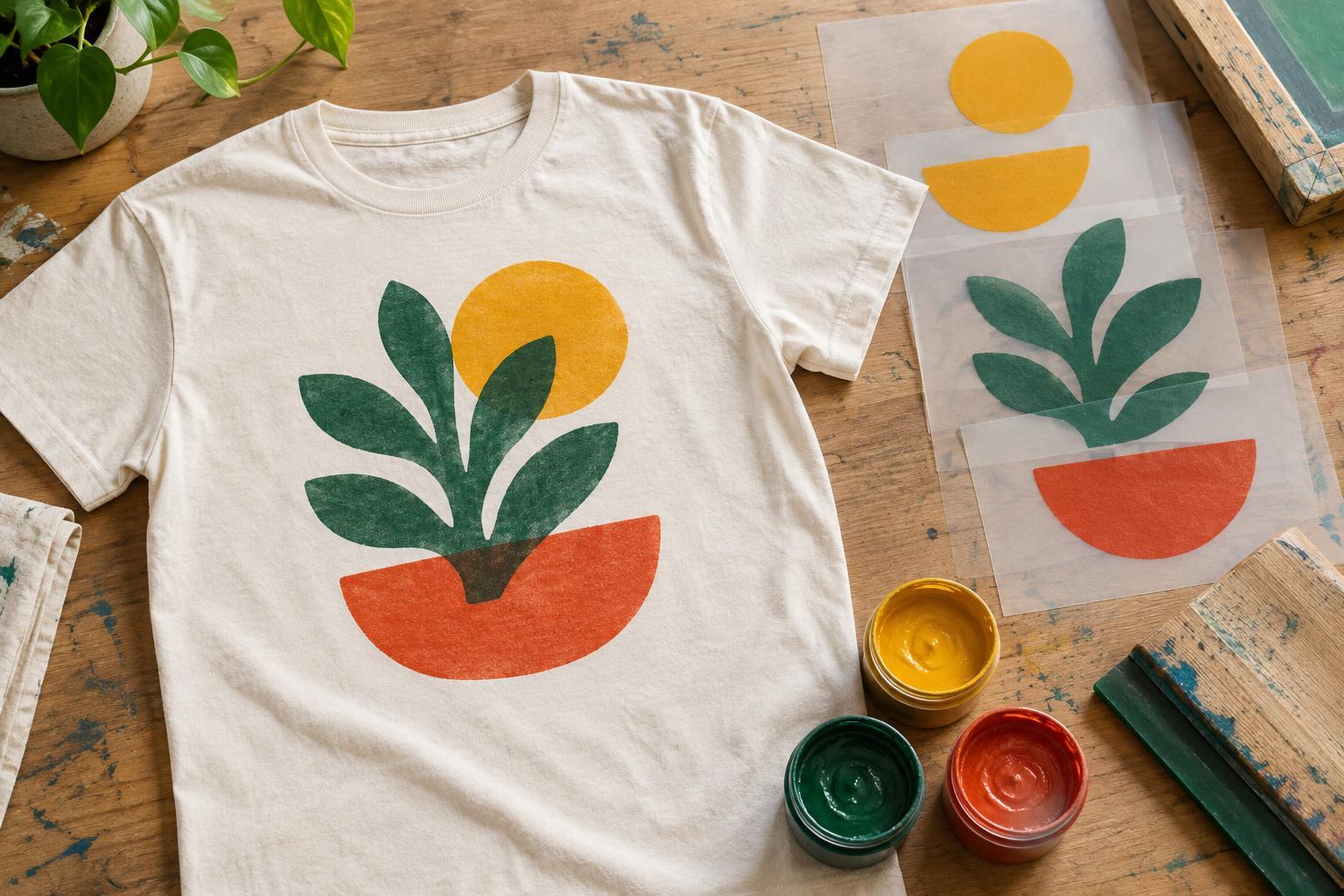
The decoration method can affect which ideas are practical. A design with a shared graphic and a different name on every shirt involves a different setup from printing identical artwork across the whole group. Depending on the provider and method, variable names, many colours or extra print locations may add steps or cost. Before finalising artwork, ask how individual details will be handled and whether the chosen method suits the fabric and placement.
Consider durability and comfort as well as appearance. A very large decorated area can feel different from the surrounding fabric, while small lettering may be difficult to reproduce clearly with some methods. Fine lines, low-contrast colour combinations and text placed over seams are worth reviewing carefully. Request a digital layout showing both the shared design and a few real personal variations; it can reveal spacing or readability problems that a blank template hides.
Make the final check a team effort
Collect sizes and personalisation choices in one clear list, then ask each member to confirm their entry before an order is placed. Include the exact spelling, capitalisation, number, role or icon requested. A simple confirmation step helps catch errors that a designer cannot guess from context. It is also worth confirming whether everyone is comfortable with their chosen details being visible outside the team.
Finally, consider how people will wear the shirts. Offering an appropriate range of sizes and, where available, more than one fit may matter more to the group than another decorative option. Keep the core design compatible with each garment choice, and review contrast on every shirt colour offered. The strongest team shirt does two jobs at once: it helps members feel part of something together, and it gives each person a detail that feels like their own.