Start with an idea that is yours
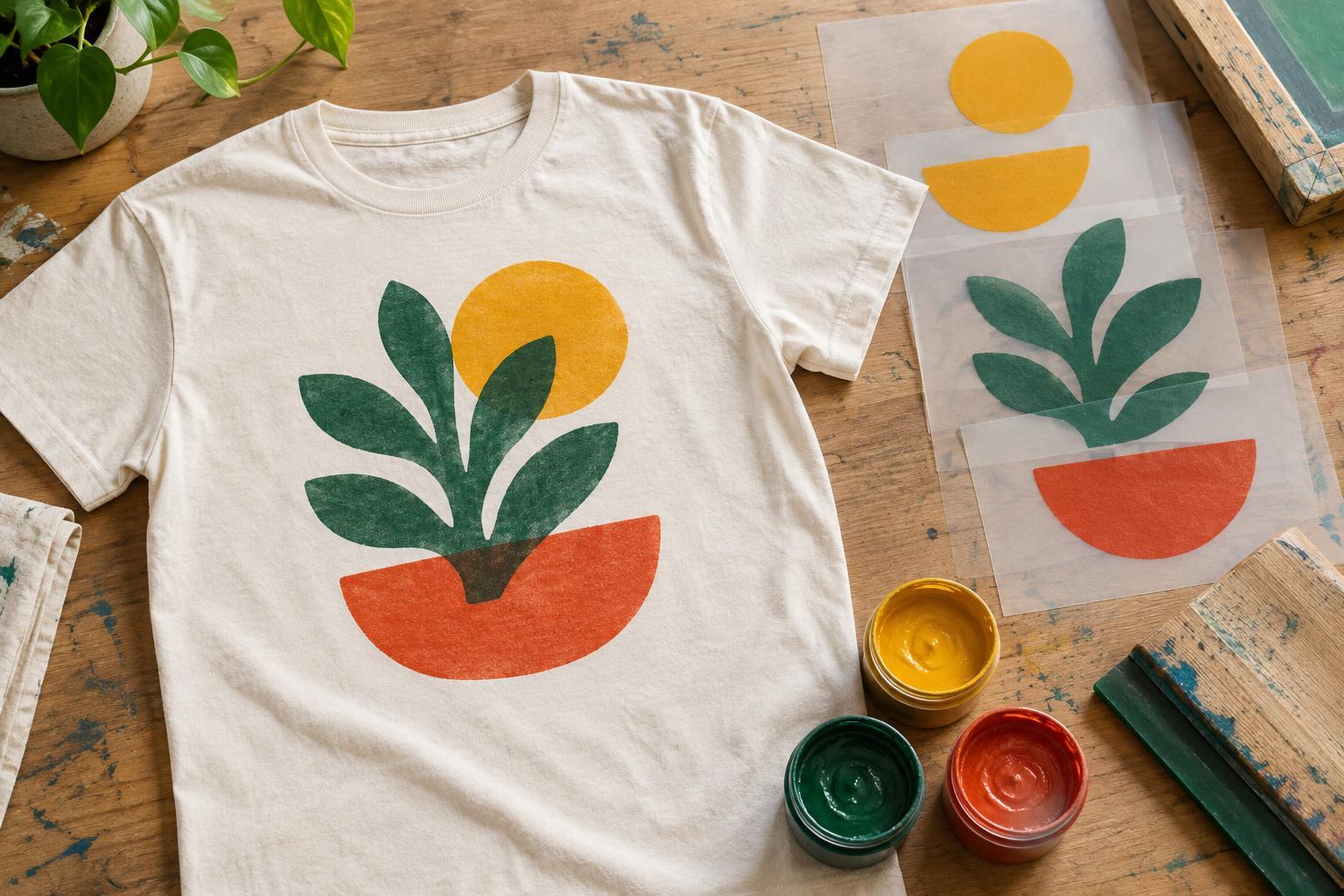
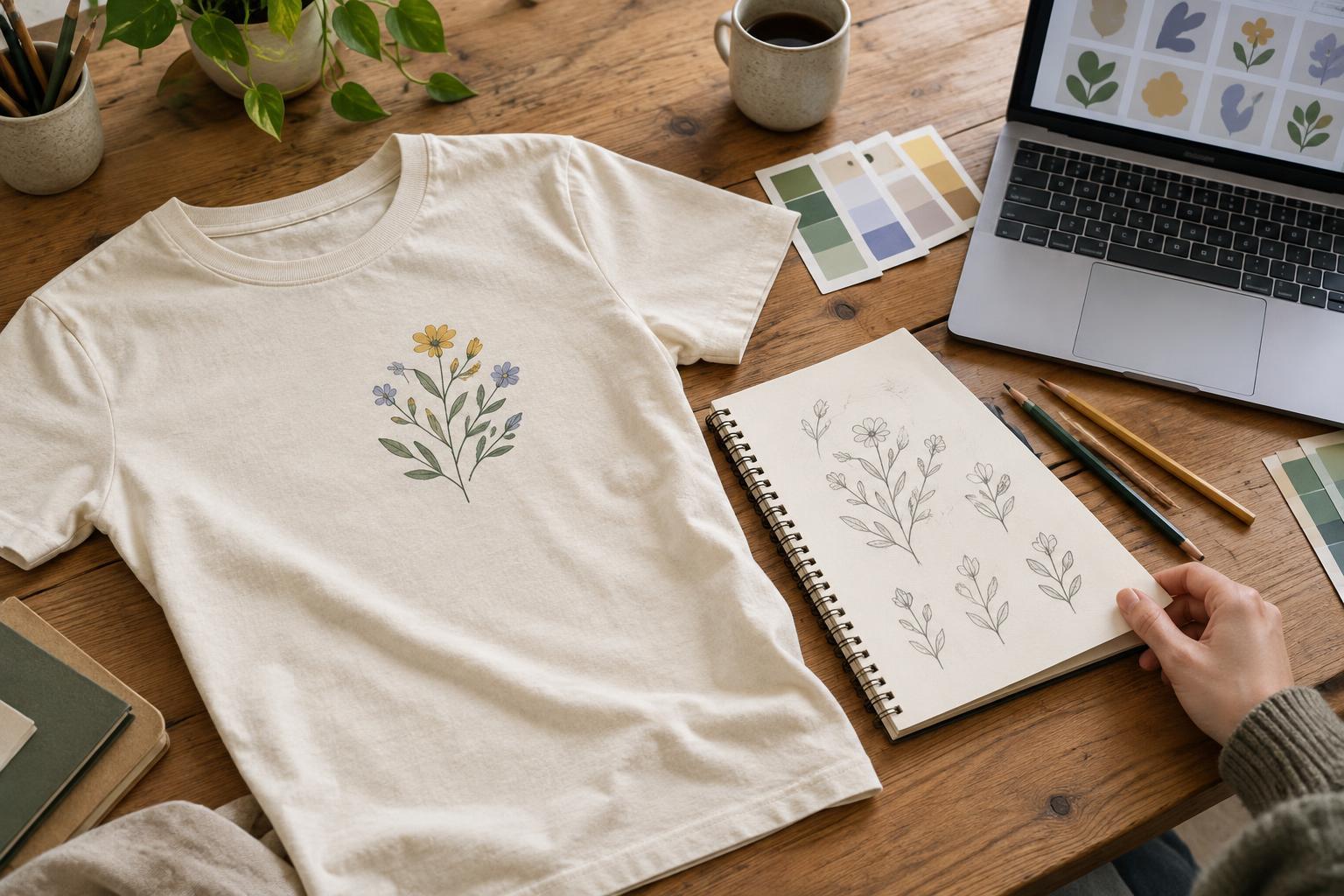
Original T-shirt artwork does not have to be complicated. A hand-drawn motif, an arrangement of shapes or a phrase you wrote can make a distinctive design. Begin with the message you want the shirt to convey, then sketch several ways to express it. Changing the composition, lettering or color palette often produces a stronger result than adding more detail.
Use references to study a style or subject, not as images to copy. If you like the bold shapes of a poster or the mood of a photograph, identify what appeals to you and build a new composition from your own sketches. Redrawing someone else’s illustration, tracing a photograph or making small changes to a familiar character may still leave you with an image you do not have permission to use.
Check every element, not just the main image
A design can contain several elements with different rights attached: an illustration, a photograph, a font, a texture and perhaps a logo. Making the overall layout yourself does not automatically give you permission to use each part. Before adding an element, note where it came from, who created it and what permission you have to put it on a shirt.
Be especially careful with images found through search engines or on social media. Being able to download a file is not the same as being allowed to print it. The same caution applies to screenshots, fan art, brand marks and recognizable characters. If an image features a recognizable person, permission to use the photograph may not settle every question about putting that person’s likeness on a garment.
Read licenses in the context of your project
Stock libraries, font providers and other asset sources may allow some uses while restricting others. Check the terms for the specific asset and license you obtained. Look for rules about physical merchandise, commercial use, changes to the artwork, attribution and how many items may be made. A license suitable for a website graphic may not cover a T-shirt design.
Creative Commons and public-domain labels also deserve a close look. Creative Commons licenses vary: some require credit, some restrict commercial use, and some set conditions on adaptations. Public-domain status can depend on the work and where it will be used, so do not rely on an unlabeled repost. If the terms are unclear, choose another element or ask the rights holder for permission. For an important or large-scale project, seek appropriate legal guidance rather than guessing.
Agree on rights when working with other people
If a friend draws an illustration or you hire a designer, discuss intended uses before work begins. Paying for artwork does not necessarily mean you own every right to it. A written agreement can describe whether you may print it on shirts, edit it, reuse it in other designs or give the file to a printer. It can also clarify whether the artist may show the work in a portfolio.
Keep the agreement, license receipt or permission message alongside the artwork file. Record the creator’s name, the asset’s source and any conditions, such as required credit or limits on use. This simple habit makes it easier to answer questions later, especially when a design has several contributors or you revisit it after a long break.
Prepare artwork that works on a shirt
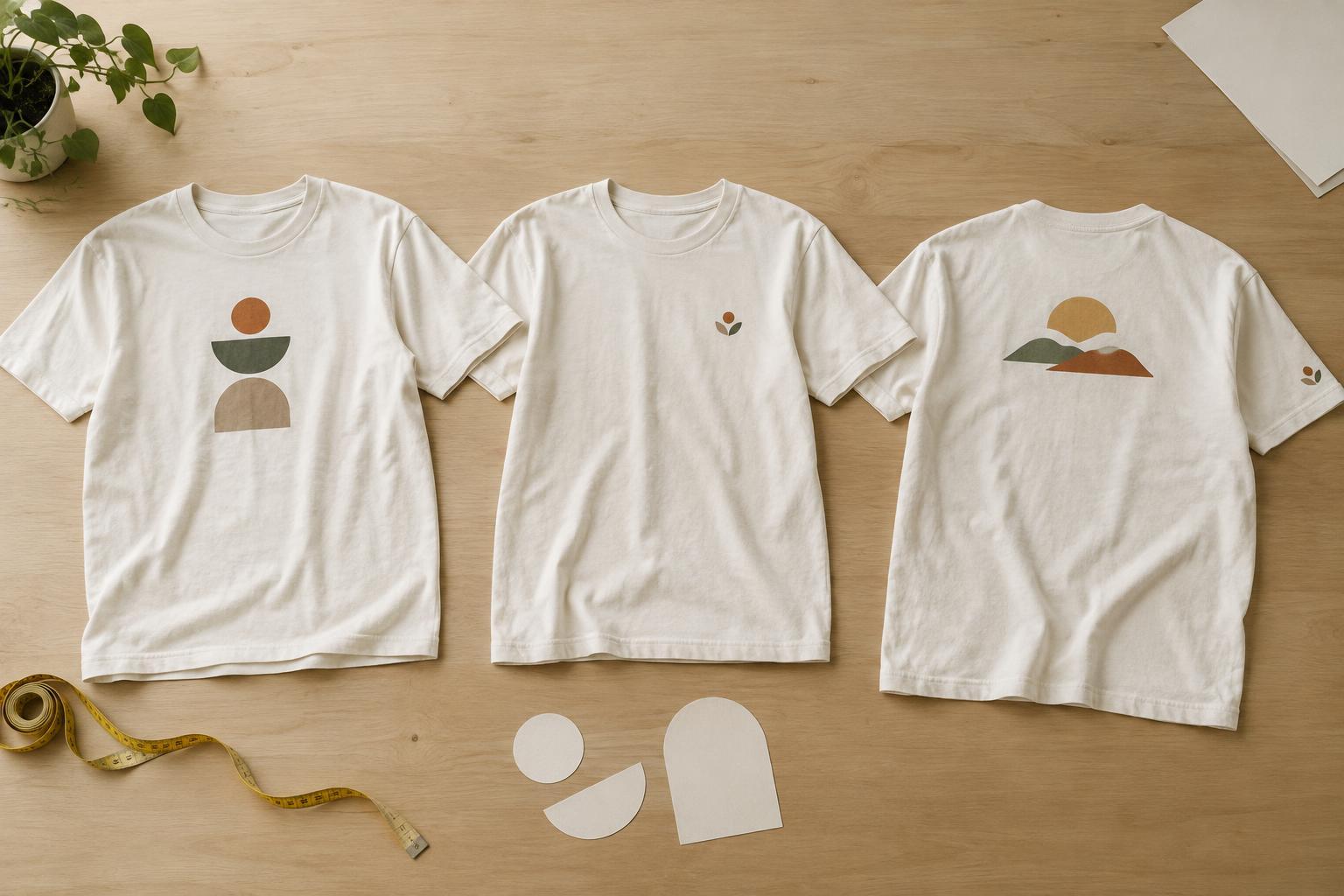
Once the rights are clear, check the artwork at roughly its intended print size. Fine lines, tiny type and subtle color differences may be harder to see on fabric than on a bright screen. Consider the shirt color as part of the design: a dark graphic may need adjustment on a dark garment, while a light graphic may lose contrast on a pale one. Ask your chosen printer what file formats and artwork specifications suit the decoration method you plan to use.
Keep an editable master file and export a separate copy for production. Preserve any required credit information in your project records, even if the final shirt does not display it. Before approving the design, inspect the spelling, edges, background and placement, then review a proof if one is available. That final check helps you catch practical issues without assuming that every printing method will reproduce the artwork in exactly the same way.