What makes the two inks different?
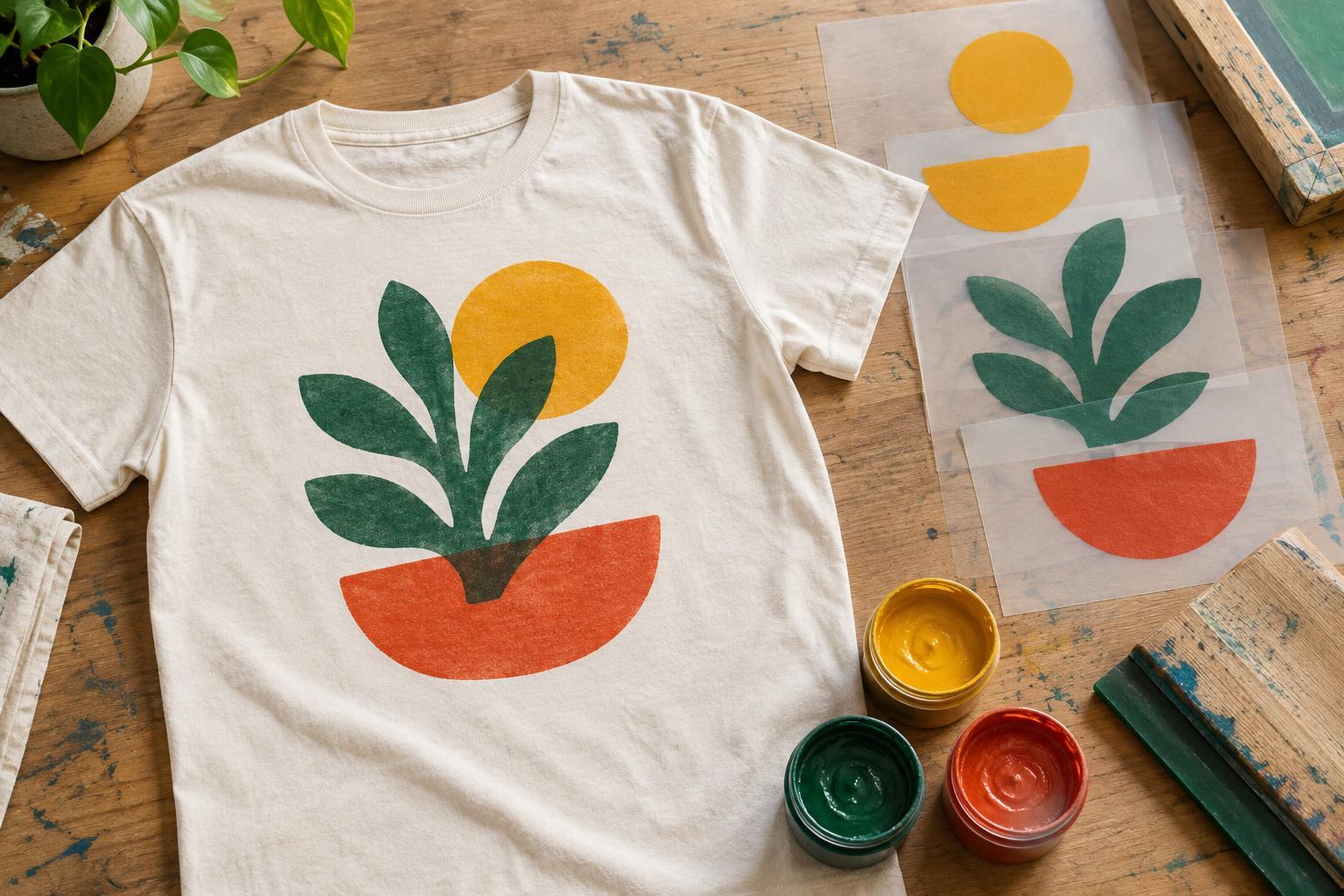
In screen printing, ink is pushed through a stencil onto fabric, one color at a time. The choice of ink affects how the design feels, how it appears on different shirt colors and how the printer handles the job. Water-based and plastisol are two common options, but neither is the best choice for every T-shirt.
Water-based ink uses water as a carrier. As the print is dried and cured, the water leaves and the remaining components bind to the garment. Plastisol ink contains PVC particles in a plasticizer; it needs sufficient heat to fuse into a finished print. Both processes depend on the right ink, equipment and curing conditions. The ink name alone cannot guarantee a particular look, feel or lifespan.
How the finished print feels
Water-based ink is often chosen for a soft, integrated feel, especially on absorbent cotton. A thin print may be difficult to distinguish from the surrounding fabric by touch. That can suit large illustrations or designs intended to look worn-in rather than glossy. The result still depends on the ink formulation, garment and amount of ink deposited; a water-based print is not automatically invisible to the touch.
Plastisol generally sits more distinctly on the fabric. A heavy deposit can feel raised or rubbery, which may be desirable for bold lettering or a graphic that should stand out. A well-controlled, thinner plastisol print can also feel relatively soft. If hand feel matters more than the ink label, ask to handle a sample made with a similar design and garment.
Color, opacity and garment choice
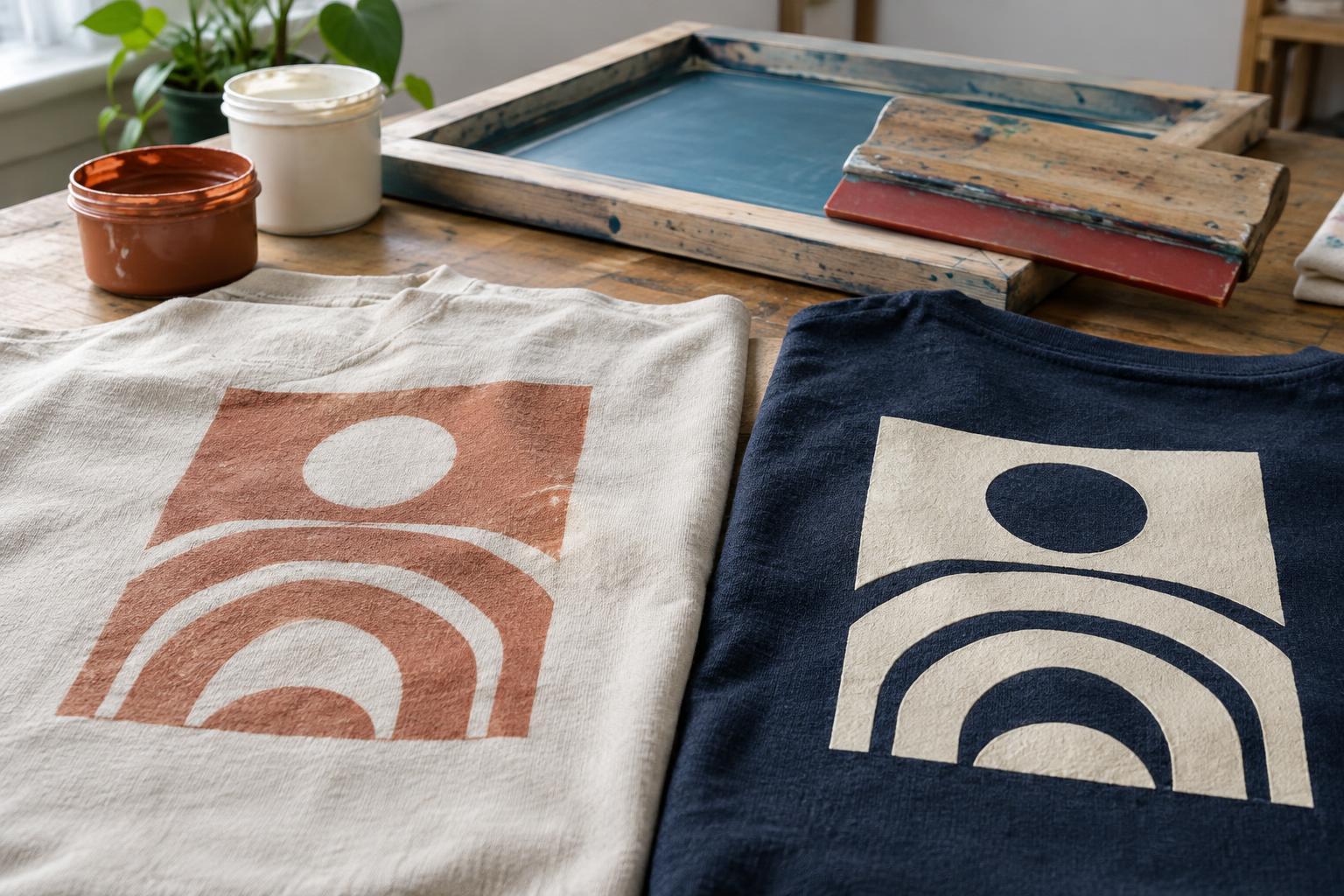
Plastisol is often useful when a design needs strong, consistent color on dark shirts. Printers can build opacity with suitable inks and, where needed, an underbase beneath the visible colors. Those extra layers may change the print’s feel. On a light shirt, either ink type can produce clear artwork, provided the design and process are suited to it.
Water-based ink can produce vivid prints too, but a standard formulation may look less opaque on a dark garment because the fabric color shows through. Some printers use more opaque water-based formulations or other techniques to address this. Rather than assuming all water-based prints will be pale, discuss the specific shirt color, fabric and desired appearance with the printer.
Fabric composition is another useful starting point. Absorbent cotton is a common match for water-based printing, while blends and synthetic fabrics may call for particular inks or process adjustments. Garments can also vary in texture and dye behavior. A test print is especially helpful when a precise color or finish is important.
Design and production trade-offs
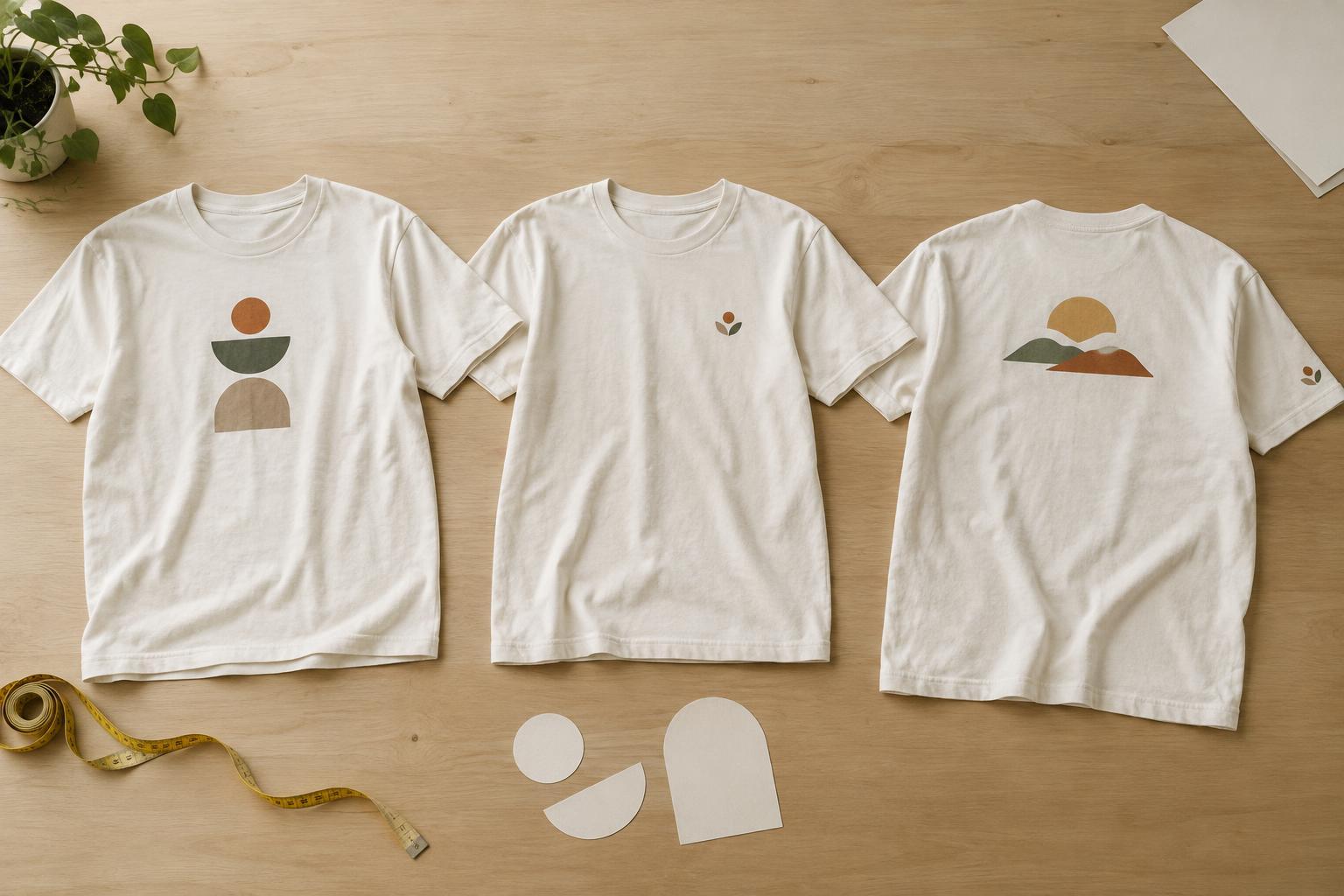
Think about the artwork before choosing the ink. A broad, solid graphic may make the feel of the printed area especially noticeable. Fine lines, small text and multiple colors introduce other questions, such as how accurately the artwork can be separated and aligned. The printer’s screens, settings and experience matter alongside the ink itself.
Water-based ink can dry in a screen during printing, so it may require close attention to timing and screen maintenance. Plastisol does not dry in the screen in the same way, which can make it convenient for some production setups. That difference does not make one method universally simpler or cheaper: quantities, colors, garment choices and the shop’s equipment all affect what is practical.
Environmental claims deserve similar care. Water-based does not mean harmless, and plastisol’s PVC content is only one part of a print job’s footprint. Ink ingredients, cleanup, waste handling, garment choice and production practices all matter. If these concerns influence your decision, ask the printer how they manage materials and waste rather than relying on an ink label as a complete answer.
How to make the choice
Start with the effect you want. For a light cotton shirt with a large design that should feel subtle, ask about a water-based print. For a bright, opaque graphic on a dark shirt, ask whether plastisol or an appropriate water-based method will achieve the look. Share the garment details and artwork, and describe what matters most: softness, color strength, texture or consistency.
Finally, request care instructions for the finished garment. Washing inside out with a gentle cycle and avoiding excessive heat are sensible habits for many printed tees, but the printer’s guidance should reflect the ink and garment actually used. Comparing relevant samples and agreeing on expectations before production will tell you more than choosing by ink name alone.