Start with a shared design system
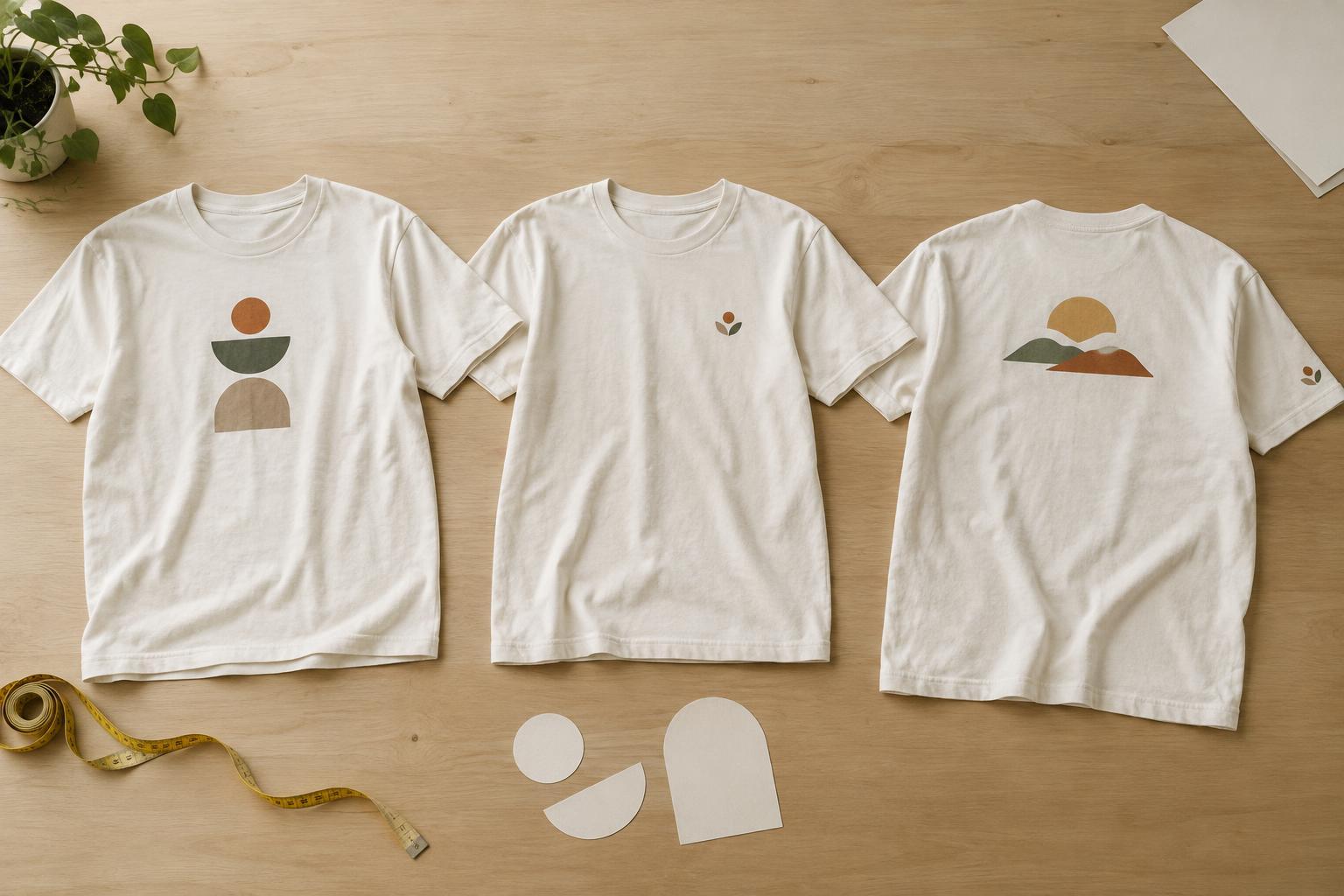
A cohesive set of wedding party T-shirts does not need to be identical. Begin with two or three elements that will appear on every shirt: perhaps the same typeface, a small motif and one ink color. A simple flower, line drawing or geometric shape can tie the group together even when the words change from person to person. Decide what someone should notice first from a few steps away, then keep the rest of the design quieter.
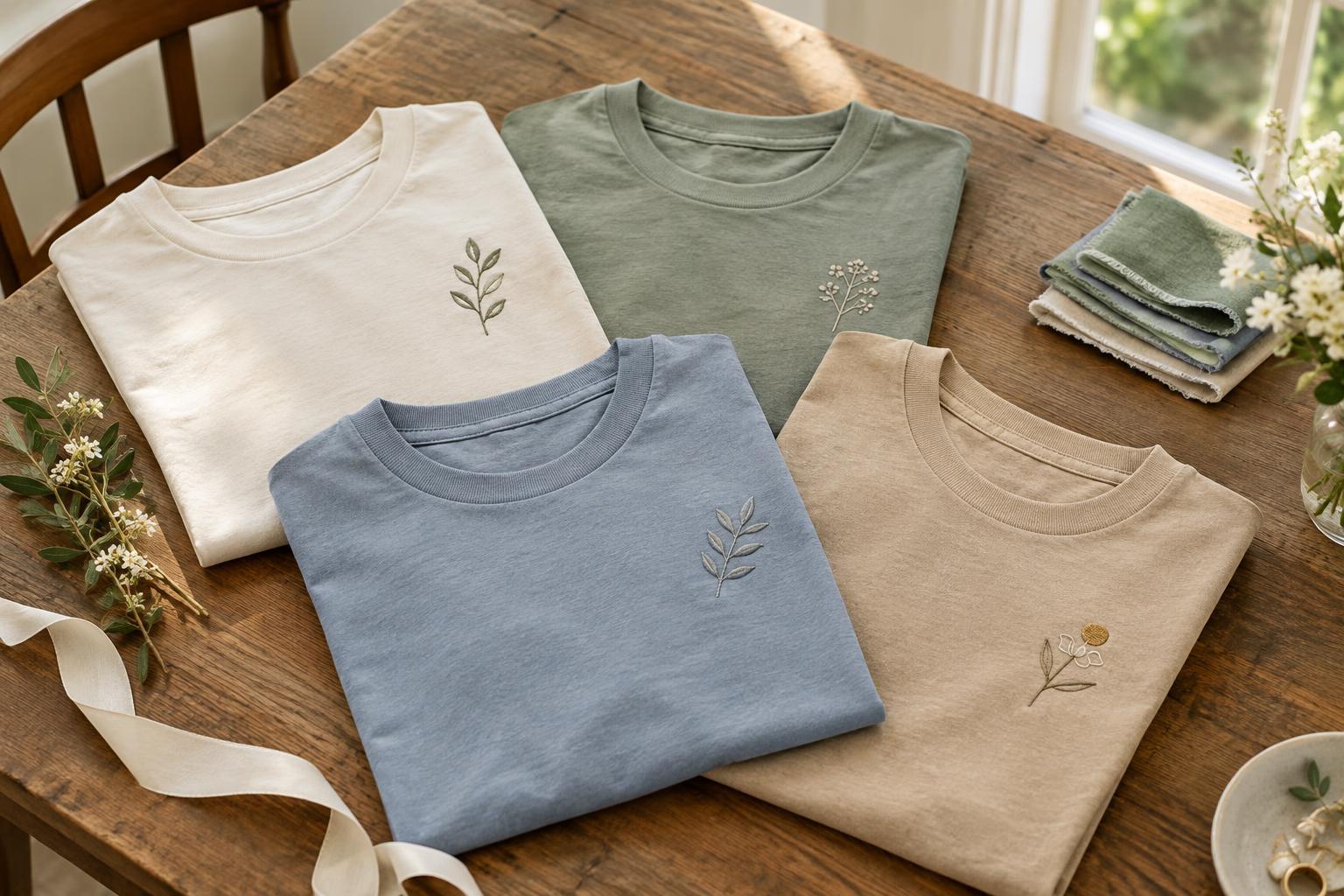
Choose a palette before assigning roles. One shirt color for everyone is the simplest option, but two related colors can also work: for example, a lighter shade for the couple and a darker shade for the party. Check that the print remains legible on both. If you are mixing garment styles or brands, compare actual color samples where possible; names such as “sage” or “cream” do not guarantee a match.
Make roles clear without making shirts feel like uniforms
Role labels are the easiest way to personalize a set. You might use “Bride,” “Groom,” “Maid of Honor,” “Best Man” or “Wedding Party,” depending on what fits the people involved. Keep the placement and type style consistent so the different words look like part of one collection. Longer labels may need a smaller type size or a second line; test both options rather than squeezing the letters together.
Not everyone wants a title printed across their chest. Consider a small front emblem with the role on a sleeve or upper back, or offer a version with the shared design only. Names, nicknames and initials can be personal, but confirm spelling and ask before printing anything that could feel too public. A shirt should let someone take part comfortably, not require them to explain a label they did not choose.
Choose details the group might wear again
Dates, locations and wedding phrases can make a shirt a keepsake. They also make it more specific to one day. If everyday wear matters, put event details in a smaller area and let a versatile graphic lead the design. A pocket-sized illustration or a modest back print may feel easier to wear later than a large slogan. Think about when the shirts will actually be worn, too: getting ready, traveling together and a casual gathering can call for different levels of visibility.
Inside jokes can be memorable, but they work best when everyone wearing the shirt understands and enjoys them. If a phrase applies to only part of the group, use it as an optional variation rather than the main design. For a mixed group, neutral wording such as “Wedding Crew” can be more flexible than assigning everyone a traditional title.
Match the design to the shirt and decoration method
Comfort and fit matter as much as the artwork. Ask each person for a preferred size and, if practical, let them choose among compatible cuts. A relaxed T-shirt, a fitted style and a long-sleeve option can still look coordinated when the design placement and colors are consistent. Check size guides for the specific garments rather than assuming everyone takes the same size across styles.
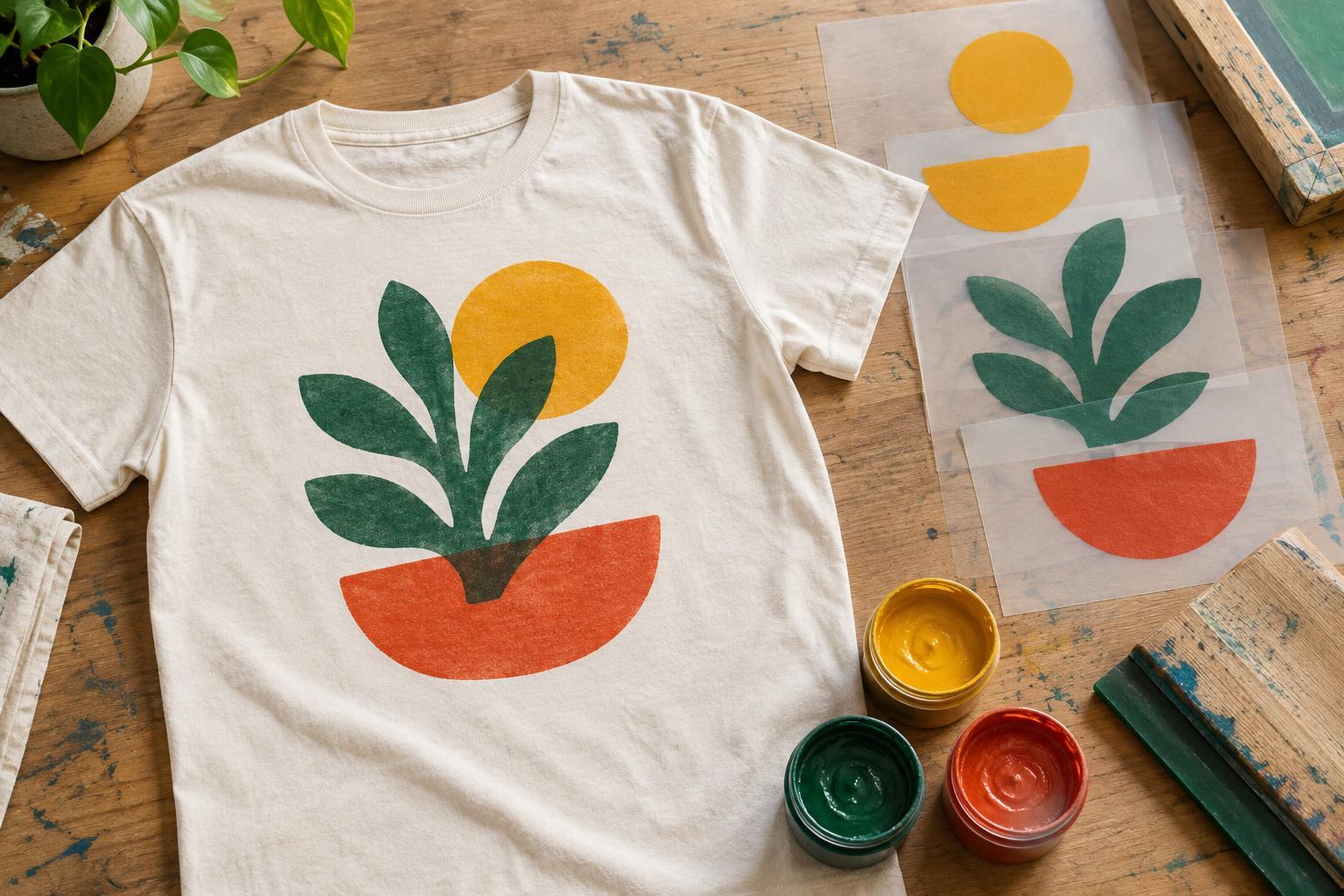
Keep artwork suited to the decoration method you plan to use. Simple shapes and limited colors are often easier to adapt across methods, while fine lines, tiny text and detailed gradients may need closer review. Screen printing, digital printing, heat-transfer methods and embroidery have different strengths and limitations. Ask a printer what file format, minimum detail and print area they recommend before finalizing the design. Embroidery is usually better reserved for a small mark than a large, text-heavy graphic.
Proof every variation before placing the order
Create a list with each person’s name, role wording, garment style, size, shirt color and print variation. Have someone else check it against the design proofs. Read every label at its final size, especially when one role has more letters than the others. Review placement on each garment style as well: a graphic that sits well on one cut may need adjusting on another.
Allow time for questions and corrections before production. Confirm whether personalized items can be changed once printing begins, and ask for care instructions appropriate to the garment and decoration. A coordinated set comes from repeatable choices and careful checking, not from making every person wear exactly the same shirt.