What happens to a print in the wash
A washing machine cleans clothes by moving them through water and detergent. As a T-shirt tumbles, its printed surface can rub against other garments, seams, zippers and the inside of the drum. That contact does not necessarily damage a design in one wash, but repeated abrasion can contribute to a worn appearance over time, especially if the print is already cracked, lifting or delicate.
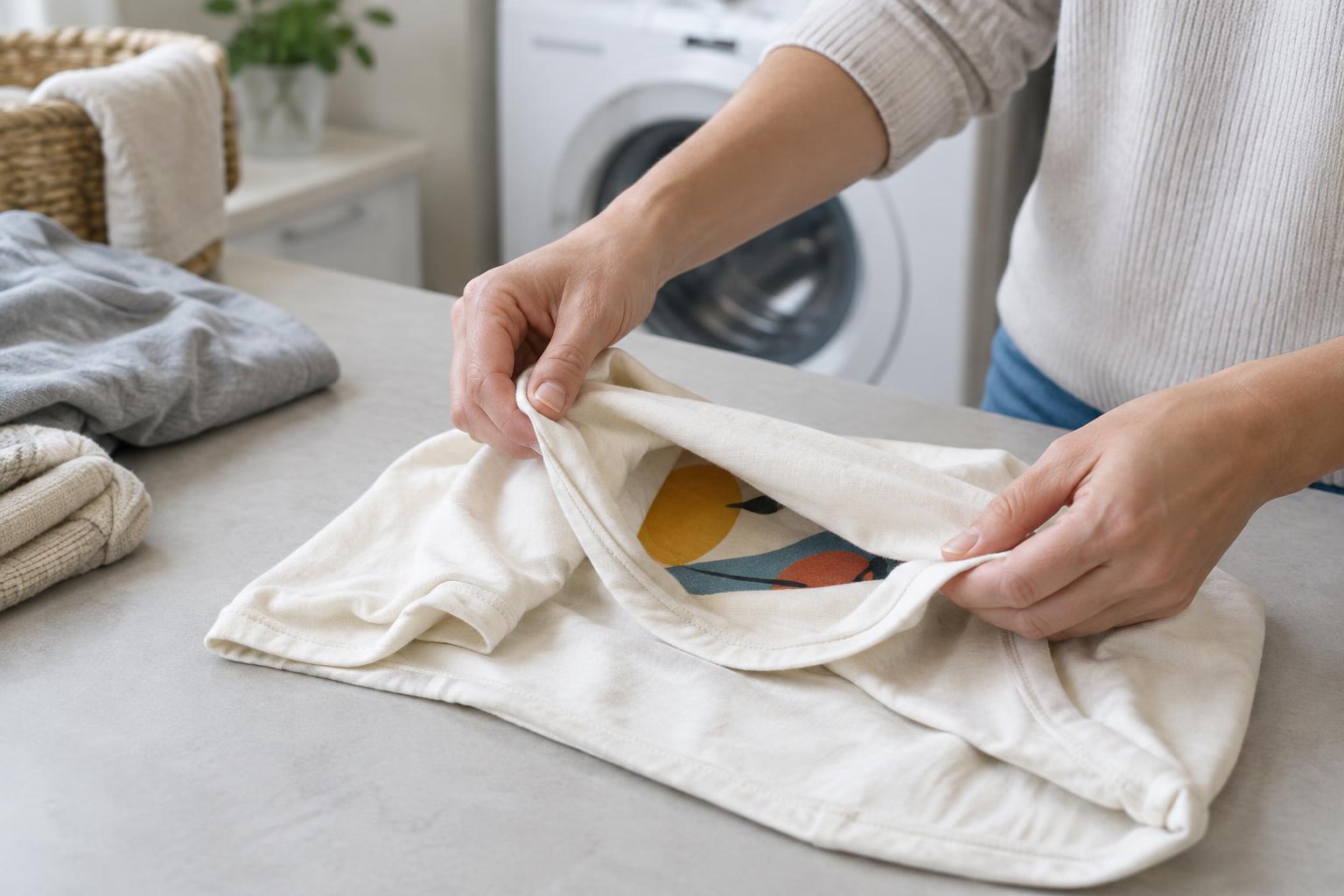
Turning the shirt inside out puts the printed face against the fabric of the shirt rather than directly against much of the load. It is a simple way to reduce some contact with rougher surfaces. It also helps keep the visible side of the fabric away from some of the rubbing that can cause fuzziness. The benefit is modest, not a guarantee: the shirt still moves, bends and gets wet.
Why the type of design matters
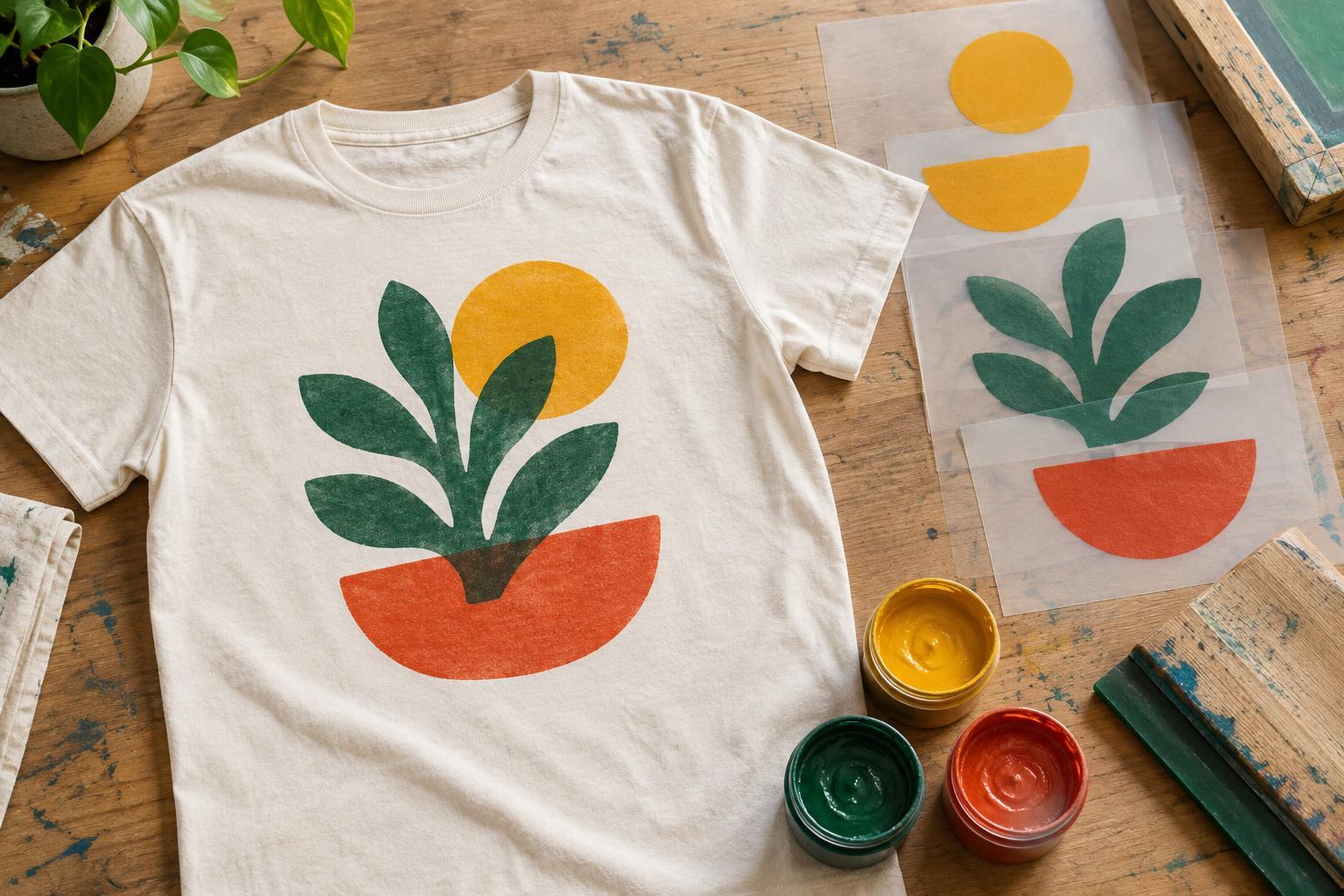
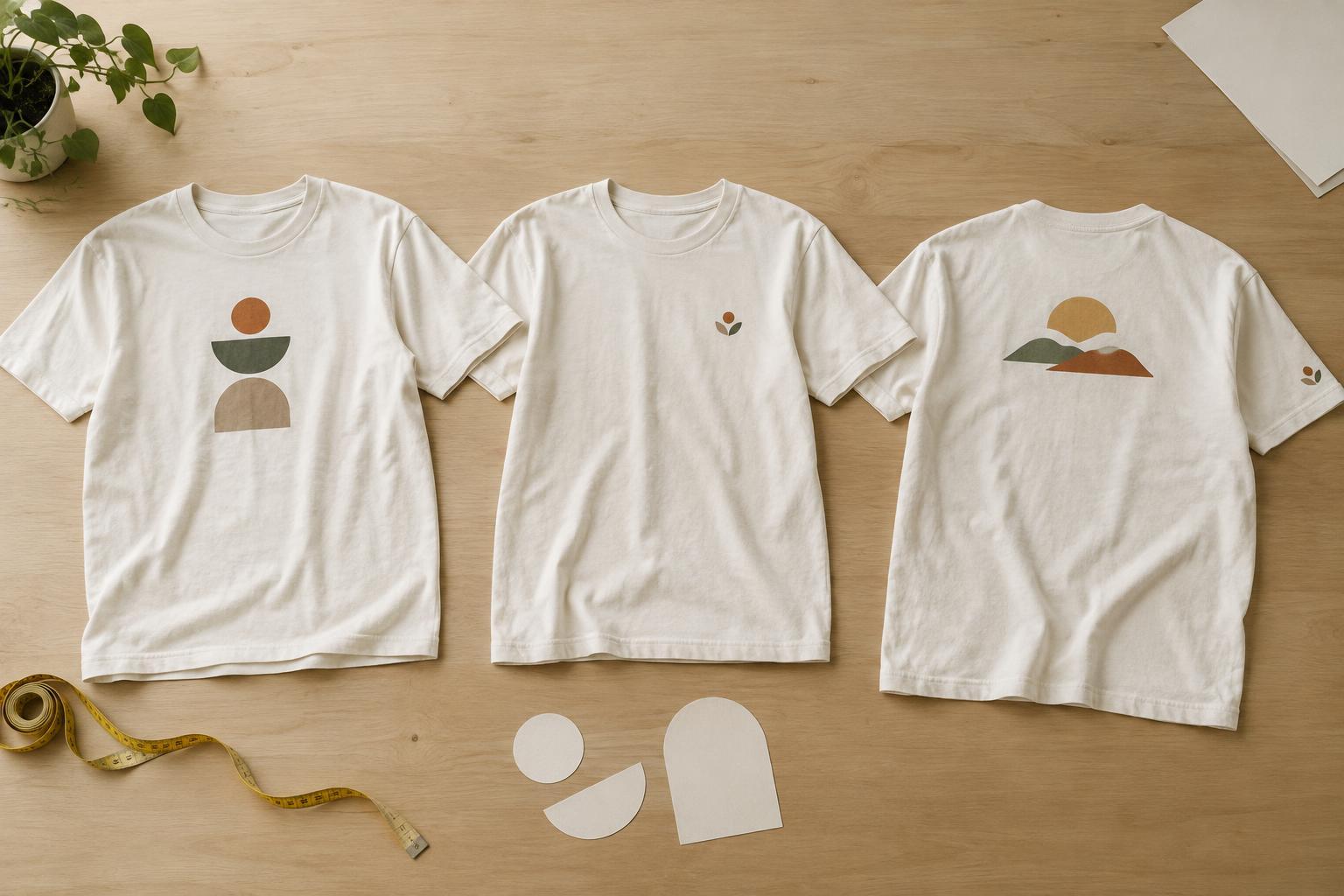
Printed T-shirts are made in different ways. Some designs sit noticeably on top of the fabric, while others feel more integrated with it. Raised or layered areas may be more vulnerable to snagging or edge lifting than a print with a softer hand. The condition of the design matters too: a well-attached print and one that has begun to peel will not respond to washing in the same way.
Inside-out washing is therefore a useful general habit rather than a method tailored to every decoration. It can be particularly sensible for shirts with large graphics, textured details or designs you want to keep looking tidy. If a garment has embroidery, patches or other attached elements, turning it inside out may also reduce direct snagging, although a laundry bag can offer another layer of protection. Always check the garment’s care label, since its instructions may reflect both the decoration and the fabric.
How to wash a printed shirt gently
Before washing, turn the shirt inside out and fasten any zippers or hooks on other items in the load. Sort by colour and avoid packing the machine so tightly that clothes cannot move freely. A gentle cycle may be a reasonable choice for a valued or delicate print. Cool water is often a cautious starting point when the care label allows it, since excessive heat can be hard on some fabrics and decorations.
Use an appropriate amount of mild detergent rather than assuming more will clean better. Follow the product directions, and be careful with bleach or stain treatments: they may alter the shirt colour or affect a design. For a stain near a print, treat the area according to the garment and cleaner instructions instead of scrubbing the graphic hard. If you are unsure how a treatment will affect the shirt, test it on an inconspicuous area first.
Drying can matter just as much
Turning a shirt inside out for washing helps address rubbing, but it cannot offset every source of wear. High dryer heat may be unsuitable for some prints and can also shrink certain fabrics. When practical, check the care label and air-dry the shirt, keeping it out of strong direct sunlight for prolonged periods if fading is a concern. Lay it flat or hang it in a way that does not stretch the neckline or distort the shape.
If the care label permits tumble drying, a lower-heat setting may be gentler than a hotter one. Avoid leaving a printed shirt in the dryer longer than needed. Be cautious with ironing as well: direct heat on a graphic can damage some types of decoration. Follow the garment’s ironing instructions and, where appropriate, iron the reverse side rather than pressing directly onto the design.
Make the habit easy to keep
The simplest routine is to turn a printed T-shirt inside out when you take it off and leave it that way for the wash. That takes no special equipment and makes the step easy to remember. For particularly delicate shirts, washing with similar lightweight items or using a laundry bag may further limit contact with heavier garments and hardware.
No care routine will keep a frequently worn T-shirt looking new forever. Wear, fabric quality, decoration method and laundering all play a part in how it ages. Washing inside out is best understood as one sensible precaution: it reduces some avoidable rubbing while letting the water and detergent clean the garment. Pair it with the care label’s guidance, gentle handling and appropriate drying for a practical approach to preserving a favourite design.