Start with what people share
Job titles can be useful at work, but they are not always the best starting point for an event T-shirt. Titles change, some are hard to fit into a design, and a shirt that labels someone by their role may have little appeal after the event. A shared theme can give everyone a connection to the occasion while leaving room for individuality.
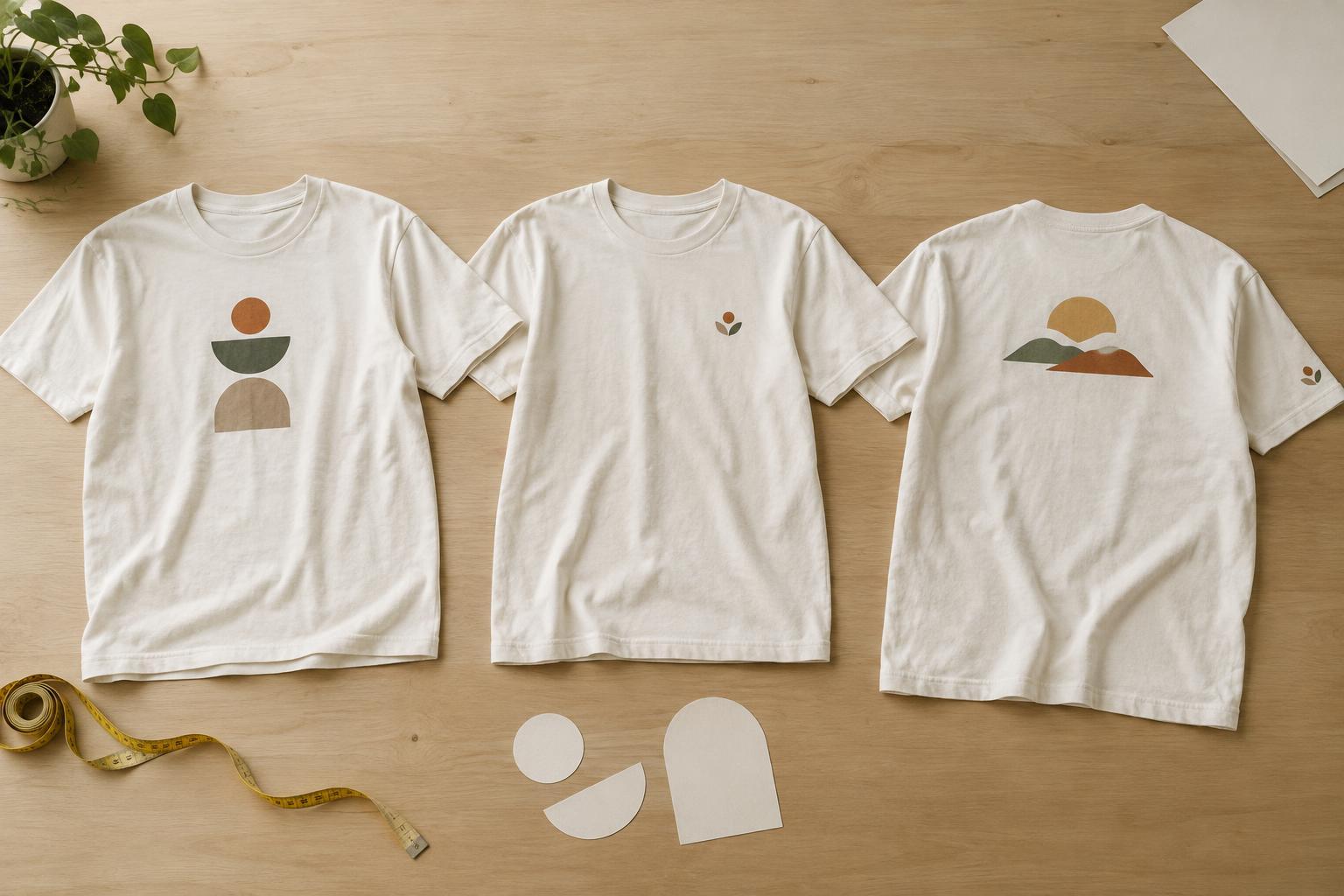
Think about why the group is gathering: a team celebration, a volunteer day, a workshop or a company picnic. A simple phrase, abstract illustration or visual reference to the activity can carry that idea without naming departments or ranking people. If the event has a name, it can sit discreetly on the sleeve or back rather than dominating the front. That leaves the main design feeling more like something people might choose to wear again.
Offer choices that do not put anyone on the spot
Personalisation works best when people can participate without sharing information they would rather keep private. Consider offering an optional first name, nickname or initials, with an equally attractive version that has no name at all. Ask people to supply the exact text they want printed instead of assuming the name they use at work belongs on a shirt.
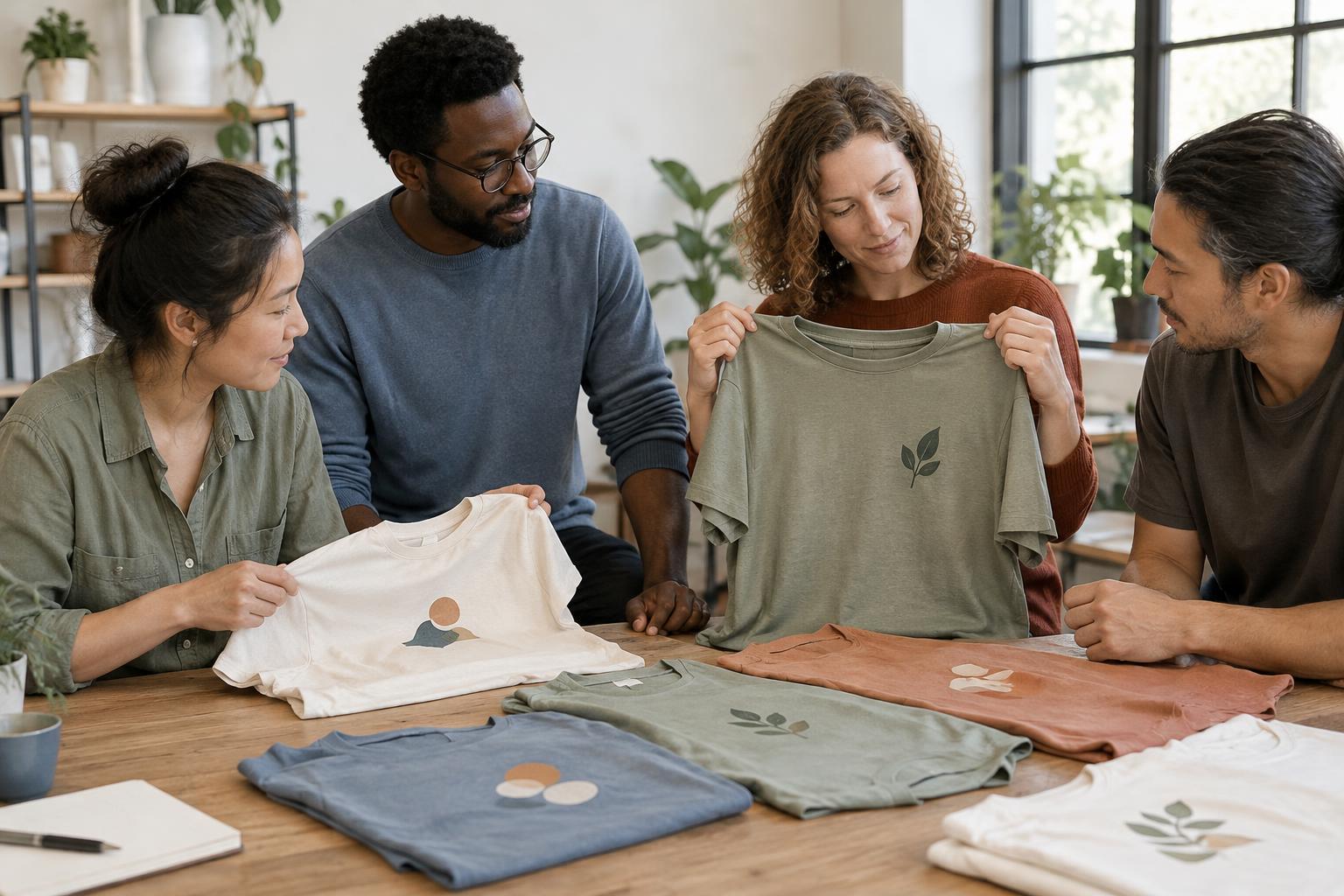
Other choices can be visual rather than personal. Participants might select from a small set of colours, icons or short phrases tied to the event. For a creative workshop, those options could represent activities such as making, exploring or experimenting. Keep the choices limited enough that the designs still look like a group, and avoid categories that could be mistaken for performance ratings or team status.
Make room for personality in the design system
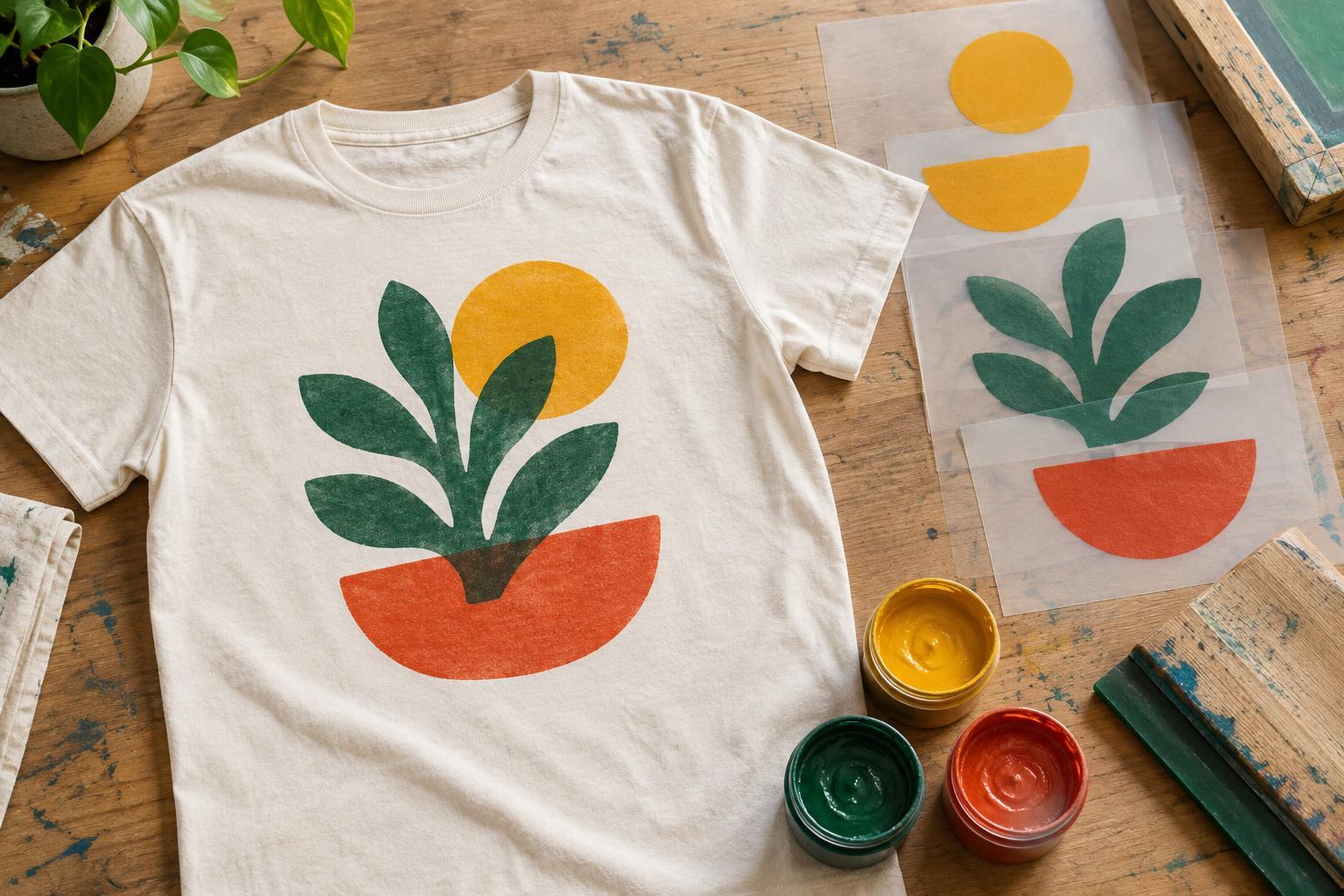
A consistent layout can hold individual details without making every shirt feel unrelated. For example, use the same typeface and illustration style across the group, then vary one small element: a badge shape, an accent colour or a symbol chosen from a prepared set. A common back print can identify the event while the front carries the chosen detail. This approach makes individual versions easier to plan than designing each shirt from scratch.
Inside jokes can be fun, but consider how they will read to someone new to the workplace or outside a particular team. A reference that needs a long explanation may not translate well to a shirt. If you want a playful tone, choose language that invites people in rather than rewarding only those who know the history. It is also worth checking that any proposed slogan still feels comfortable when worn in public.
Plan for legibility, fit and production
The more variations you offer, the more carefully you need to prepare the artwork. Decide in advance where personal text will sit and how long it can be. Test the layout with both a short and a long name so that one version does not appear crowded or unusually small. For icons, use shapes that remain recognizable at the intended print size. Fine lines and tiny lettering may be harder to read on fabric than they appear on a screen.
Ask the decorator what file format, colour setup and minimum detail size they prefer for the chosen method. A single design with a few variable elements may be simpler to coordinate than many completely different designs, but the practical options depend on the decoration process and order. Build time into the plan for people to check spelling and choices before the artwork is finalized. Also offer size and fit options where practical; those decisions may matter more to the wearer than the personalised detail.
Keep the shirt useful after the event
Before settling on a design, imagine someone wearing it on an ordinary weekend. Would the message still make sense? Is the event branding proportionate to the rest of the artwork? A design that celebrates a shared experience without reading like a uniform may have more life beyond the day itself. Neutral garment colours can make a vivid graphic easier to style, while a restrained graphic can leave room for a brighter shirt colour.
There is no need to personalize every available surface. One thoughtful choice, clearly printed and comfortably placed, can do more than a crowded collection of names, slogans and logos. When participants can choose whether to add a personal detail, the finished shirts can belong to the same event without asking everyone to present themselves in the same way.